
TAT working method
The 20-60-20 Rule for Corporate Event Photography
Creativity is useful only after the essential photographs are safe. The 20-60-20 rule gives photographers permission to experiment without gambling the client’s coverage.
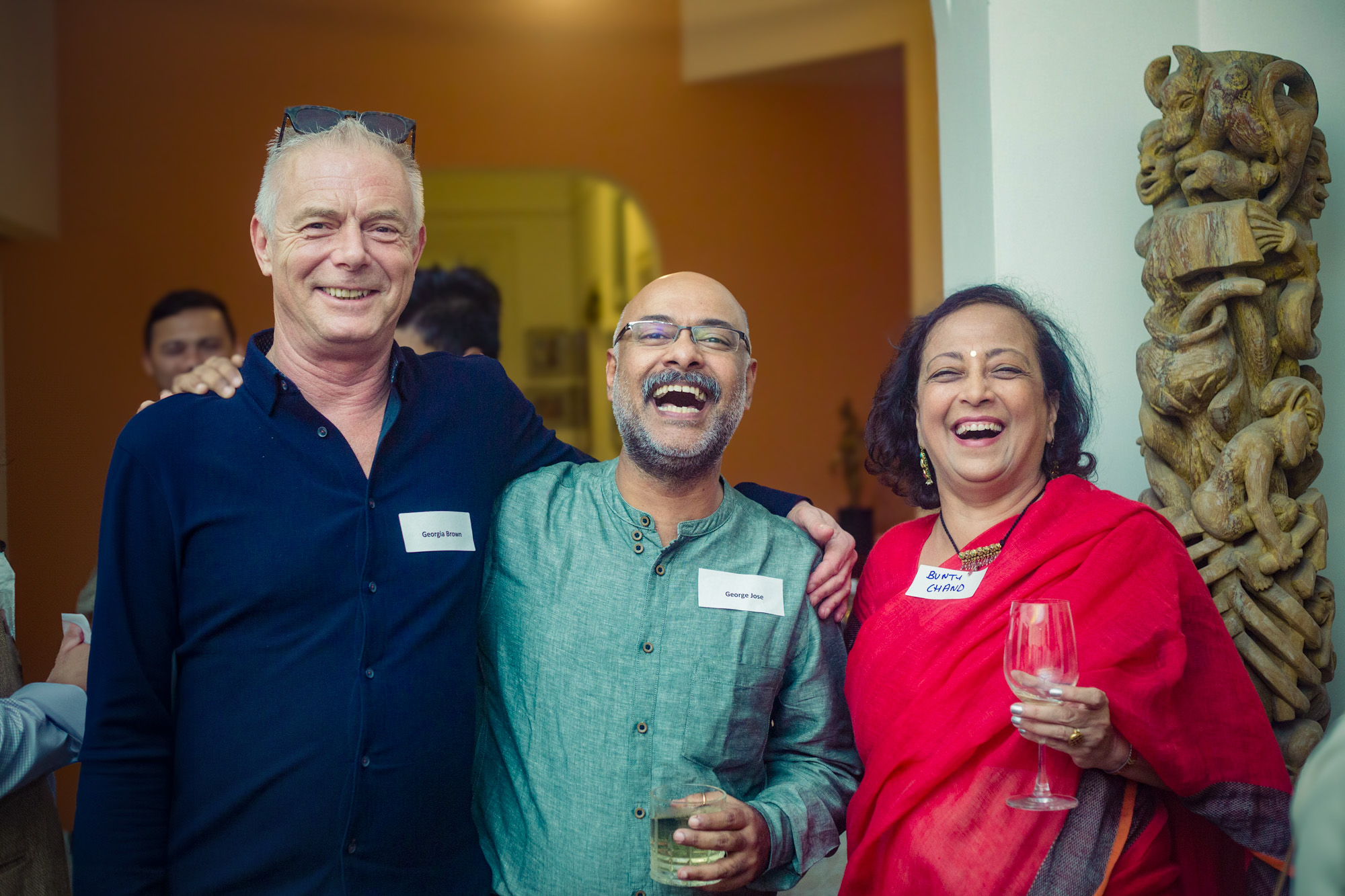
What actually matters
The practical variables behind the answer.
This guide comes from the kind of operating decisions we keep running into on real corporate assignments, not from a generic photography checklist.
20% · Safe
Speaker, wide, branding, key people, formal interactions. Make sure the assignment is already defensible.
60% · Build
Expressions, layers, audience reactions, better compositions, sponsor context and more intentional storytelling.
20% · Risk
Unusual angles, foregrounds, reflections, movement, slower shutters or compositions that may not work at all.
Reset for each scene
At a multi-track conference, apply the rule again when you enter a new room or important session.
A workable sequence
How we would think through it on an actual assignment.
Read the brief
Know what absolutely cannot be missed.
Make the safe set
Build clean, usable coverage quickly.
Look beyond the obvious
Find gestures, reactions, context and relationships.
Take controlled risks
Experiment only when the essentials are secure.
Edit for usefulness
The final gallery should balance reliable documentation with a few memorable frames.
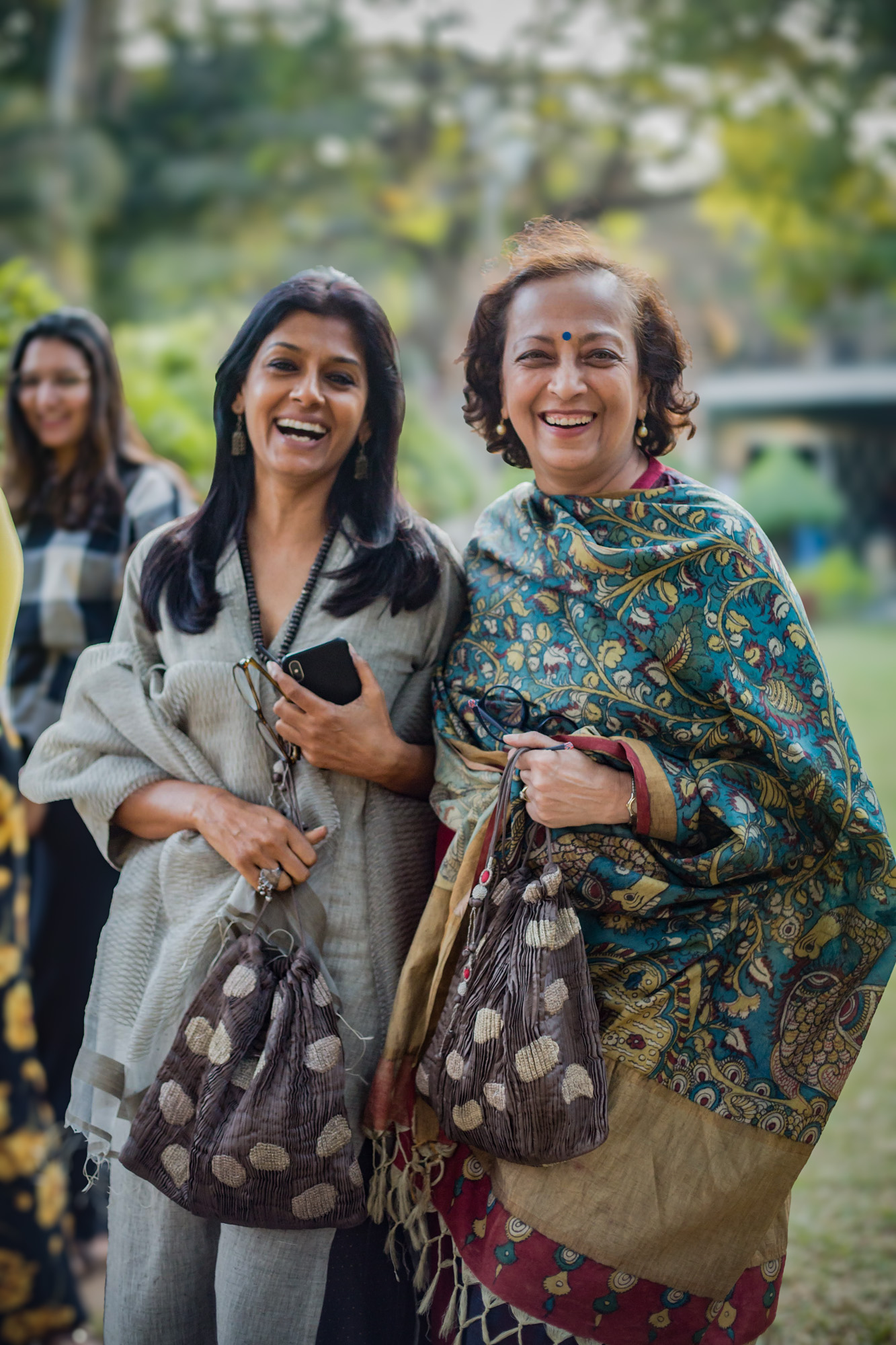
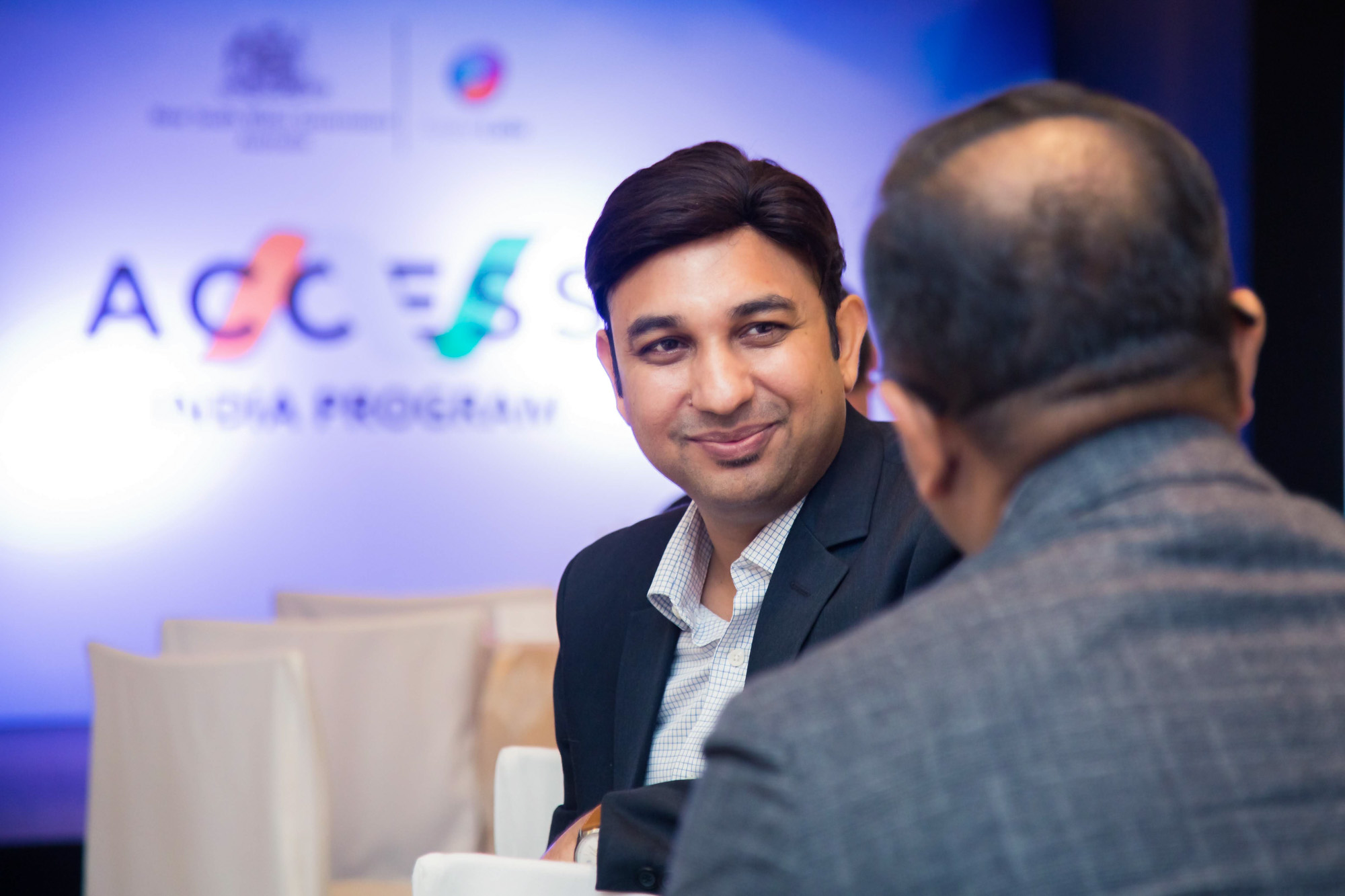
From the field
Why this works for client work
This is the part that tends to become obvious only after doing the work repeatedly.
Corporate photography becomes stressful when a photographer tries to be creative before understanding the brief. This framework removes that pressure. Once the safe coverage exists, you can actually have more fun because the experiment is no longer risking the assignment.
Decision table
A faster way to make the call.
| Phase | What to prioritise | What not to do |
|---|---|---|
| First 20% | Speaker, stage, room, branding, priorities | Do not chase experimental foregrounds while the keynote starts. |
| Middle 60% | Interactions, reactions, layers, cleaner storytelling | Do not keep repeating the exact same safe frame. |
| Final 20% | Riskier compositions and movement | Do not forget late awards, closing groups or required VIP frames. |
| New room | Reset and secure essentials again | Do not assume another photographer covered it unless that was agreed. |
Related planning
Continue with the part of the brief you are solving next.
People also ask
Direct answers to the questions that usually follow.
01Is the 20-60-20 rule a technical photography rule?
No. It is a practical coverage framework we use to balance client safety with creative exploration.
02Does it work for conferences with multiple sessions?
Yes. Treat each priority room or new session as its own mini assignment: secure the required frames first, then build variety.
03Why not be creative from the start?
Because corporate events contain moments that do not repeat. A creative miss is much less painful after you already have the photograph the client needs.
04What counts as a safe photograph?
Usually a clean, sharp, well-composed frame of the speaker, important people, branding, room scale or required official interaction.
05What counts as a creative risk?
Foreground layers, reflections, movement, unusual perspective, very tight details or other ideas that may fail but can create a more distinctive final set.
06Does this rule affect the final edit?
Yes. A good final gallery should feel complete first and creative second. The standout images are more valuable when the client can trust the rest of the coverage.
Planning something similar?
Share the date, location, timings, people involved, intended usage and delivery expectations. We will suggest a realistic setup instead of forcing the brief into a generic package.