Founder notes · Market shift
Is AI Killing Commercial Photography? What We Are Actually Seeing From the Ground
Commercial photography is not disappearing in one clean direction. Some low-end demand is being compressed by AI and automation, while other assignments are becoming more demanding because clients expect better, faster and more useful visual assets.
What actually matters
The practical variables behind the answer.
This guide comes from the kind of operating decisions we keep running into on real corporate assignments, not from a generic photography checklist.
Price perception has changed
Cheap supply affects what buyers think photography should cost, even when premium clients would never choose the cheapest option.
Editing is accelerating
Culling and processing tools reduce some repetitive labour, which also raises expectations around turnaround.
Same-day is becoming normal
What felt exceptional years ago is increasingly treated as part of professional corporate-event delivery.
Real access is still scarce
AI can generate an image of a boardroom. It cannot document who actually met, spoke, laughed or signed something in that room.
A workable sequence
How we would think through it on an actual assignment.
Watch the market
Notice which inquiries are disappearing or compressing.
Separate commodity from access
Ask whether the client is buying pixels or real-world documentation.
Automate the boring parts
Use tools where they improve speed without compromising judgement.
Move up the value chain
Sell planning, reliability, access, narrative and usable asset systems.
Keep learning
The market will keep shifting; a static service menu will not protect a creative business.
From the field
Our own business has felt both sides of the shift
This is the part that tends to become obvious only after doing the work repeatedly.
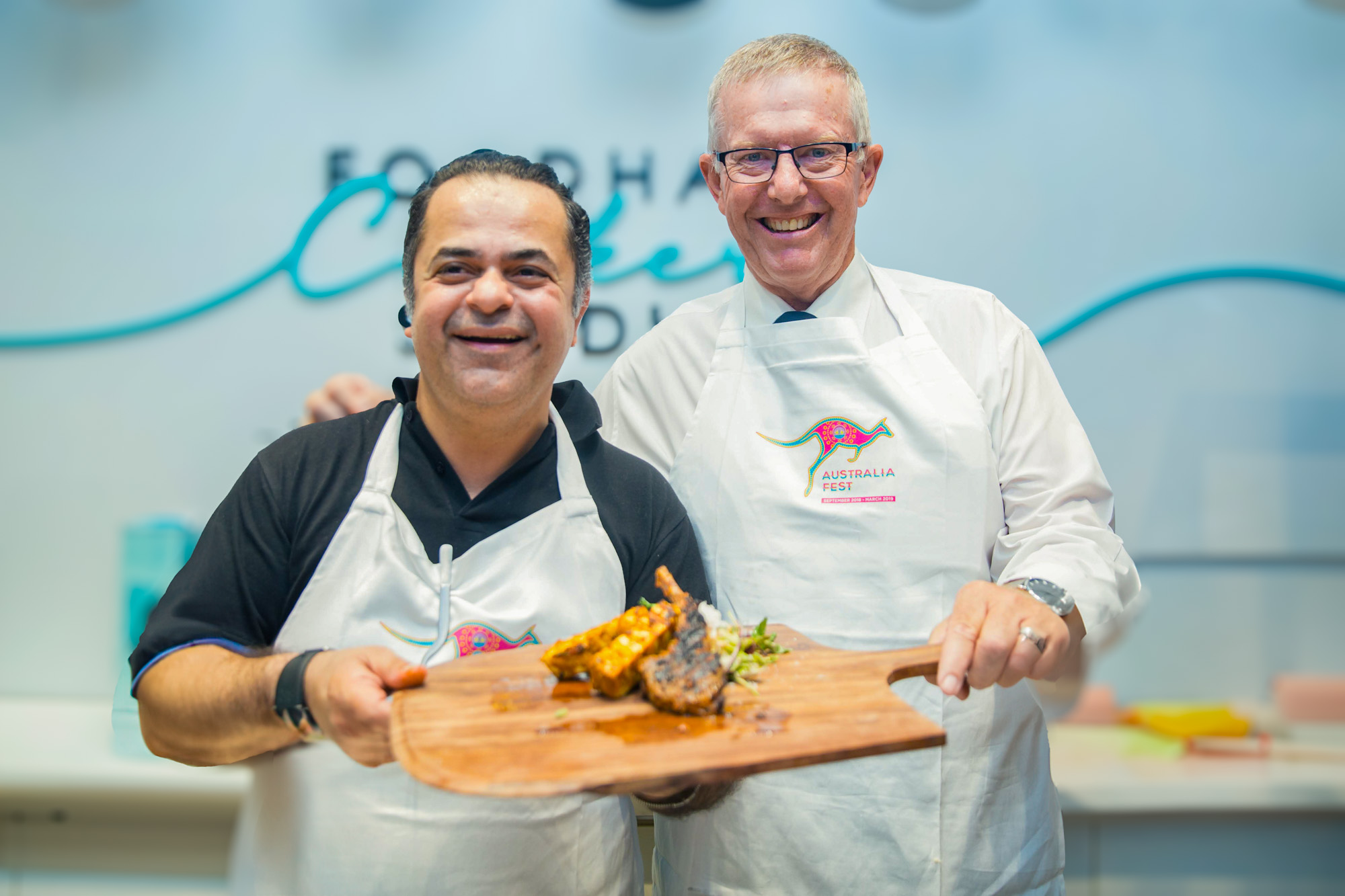
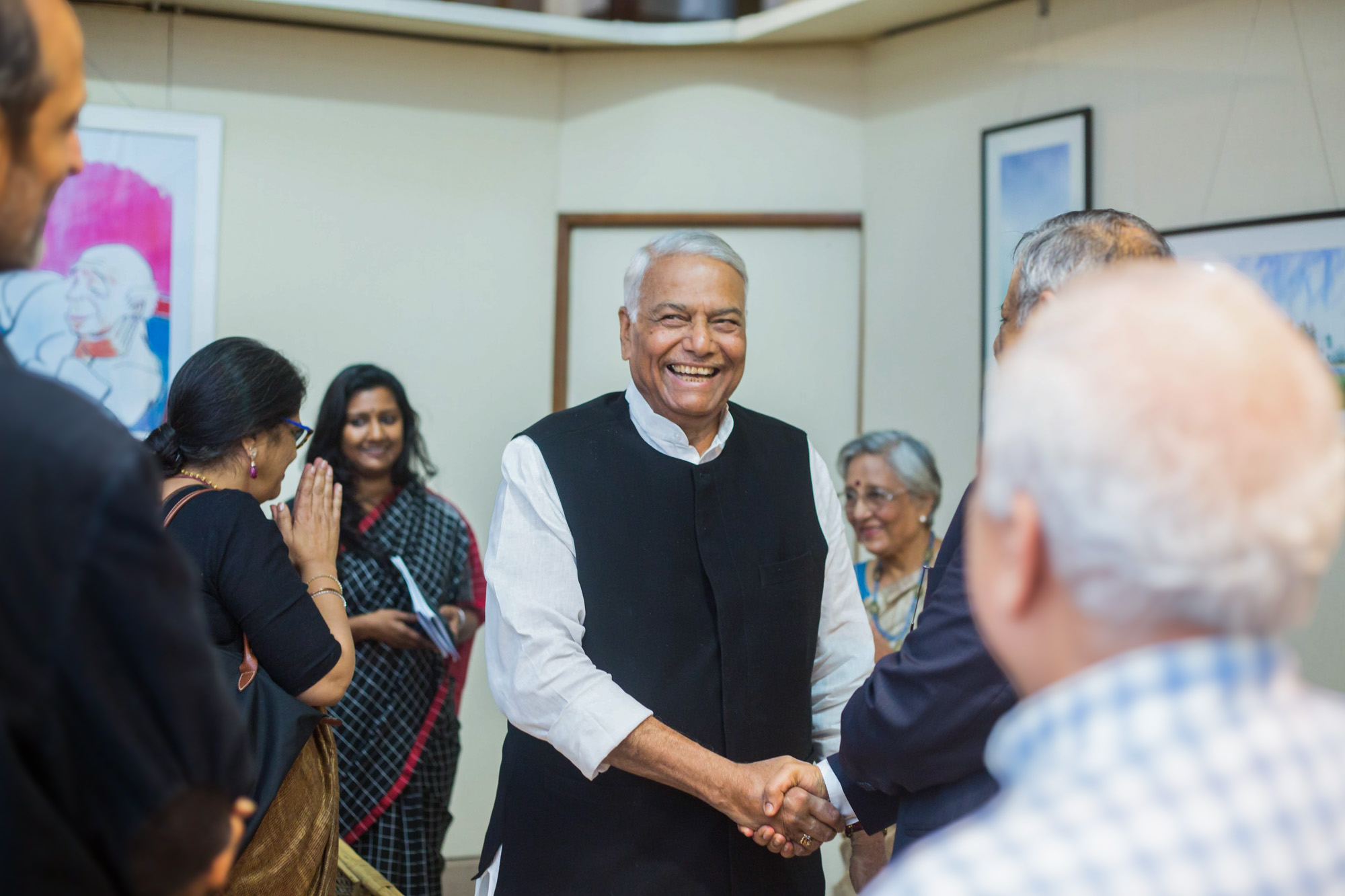
Food and product inquiries at the low end have become much harder for us to justify, and simple LinkedIn-style portraits now compete with AI-generated alternatives. At the same time, premium corporate rooms are asking for faster delivery, stronger LinkedIn-ready imagery and more integrated photo-video thinking. The opportunity has not vanished; it has moved.
Decision table
A faster way to make the call.
| Area | Pressure from AI / automation | Where real production still wins |
|---|---|---|
| Simple profile images | High | Leadership accuracy, team consistency, real environmental portraits. |
| Basic product images | High | Campaign styling, physical detail, regulated accuracy, premium creative direction. |
| Event photography | Low-to-medium | Real access, timing, stakeholder awareness and immediate publishing needs. |
| Editing | High automation potential | Taste, narrative selection, brand judgement and difficult mixed-light work. |
| Corporate content | Changing fast | Integrated photo/video, same-day output and reusable brand libraries. |
Related planning
Continue with the part of the brief you are solving next.
People also ask
Direct answers to the questions that usually follow.
01Is AI reducing demand for photographers?
In some categories, yes. Simple portraits and low-complexity product imagery face more substitution pressure than events, leadership access or location-dependent brand work.
02Is AI also helping photographers?
Yes. Culling, editing assistance, transcription, planning and admin automation can reduce repetitive work and help small teams move faster.
03Why are same-day deliveries becoming more common?
Corporate communications teams publish while the event is still relevant. Faster workflows and better editing tools have also made rapid delivery more feasible.
04Should photographers niche down because of AI?
A niche can build strong positioning, but diversification can also protect a small creative business. The right answer depends on demand, enjoyment, margins and how the services fit together.
05What photography is hardest for AI to replace?
Work that depends on real access, timing, relationships, physical products requiring accuracy, real workplaces, live events and accountable documentation.
06How is Tell-a-Tale Studios adapting?
By leaning further into corporate events, conferences, leadership portraits, photo-video production and useful business communication while continuing selected creative and commercial work.
Planning something similar?
Share the date, location, timings, people involved, intended usage and delivery expectations. We will suggest a realistic setup instead of forcing the brief into a generic package.