Field notes · Conference photography
Conference Photography Etiquette: When to Disappear and When to Step In
The event is more important than the photograph. Good conference coverage is mostly about being invisible, then becoming decisive for the few moments that genuinely matter.
What actually matters
The practical variables behind the answer.
This guide comes from the kind of operating decisions we keep running into on real corporate assignments, not from a generic photography checklist.
Be invisible during content
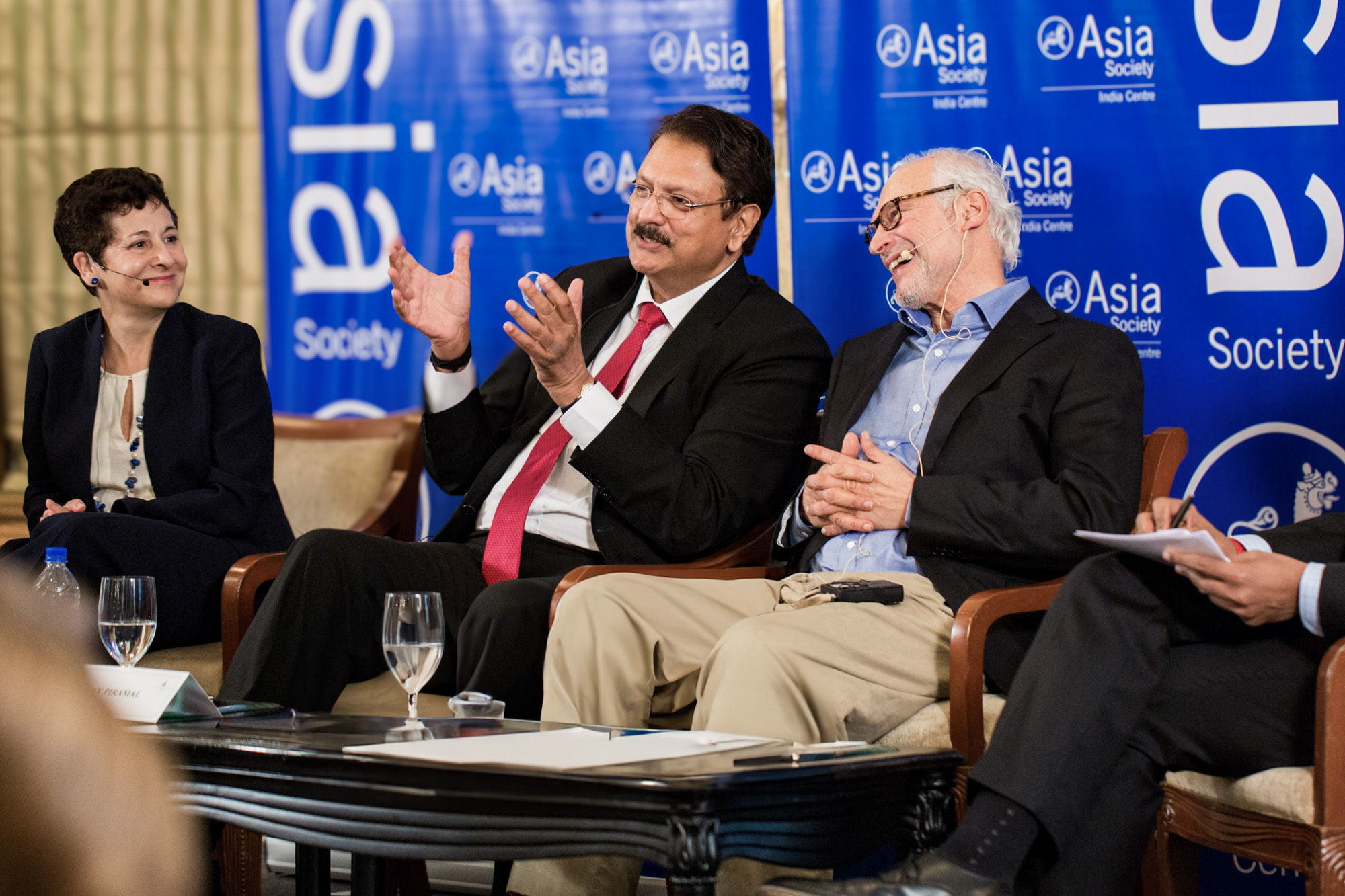
During keynotes and panels, avoid pacing in front of sightlines, blocking screens, or firing repeated flash simply to create variety.
Know the important people
Ask for VIPs, speakers, partners, restricted sessions and anyone who should not be photographed before the first guest enters.
Read networking differently
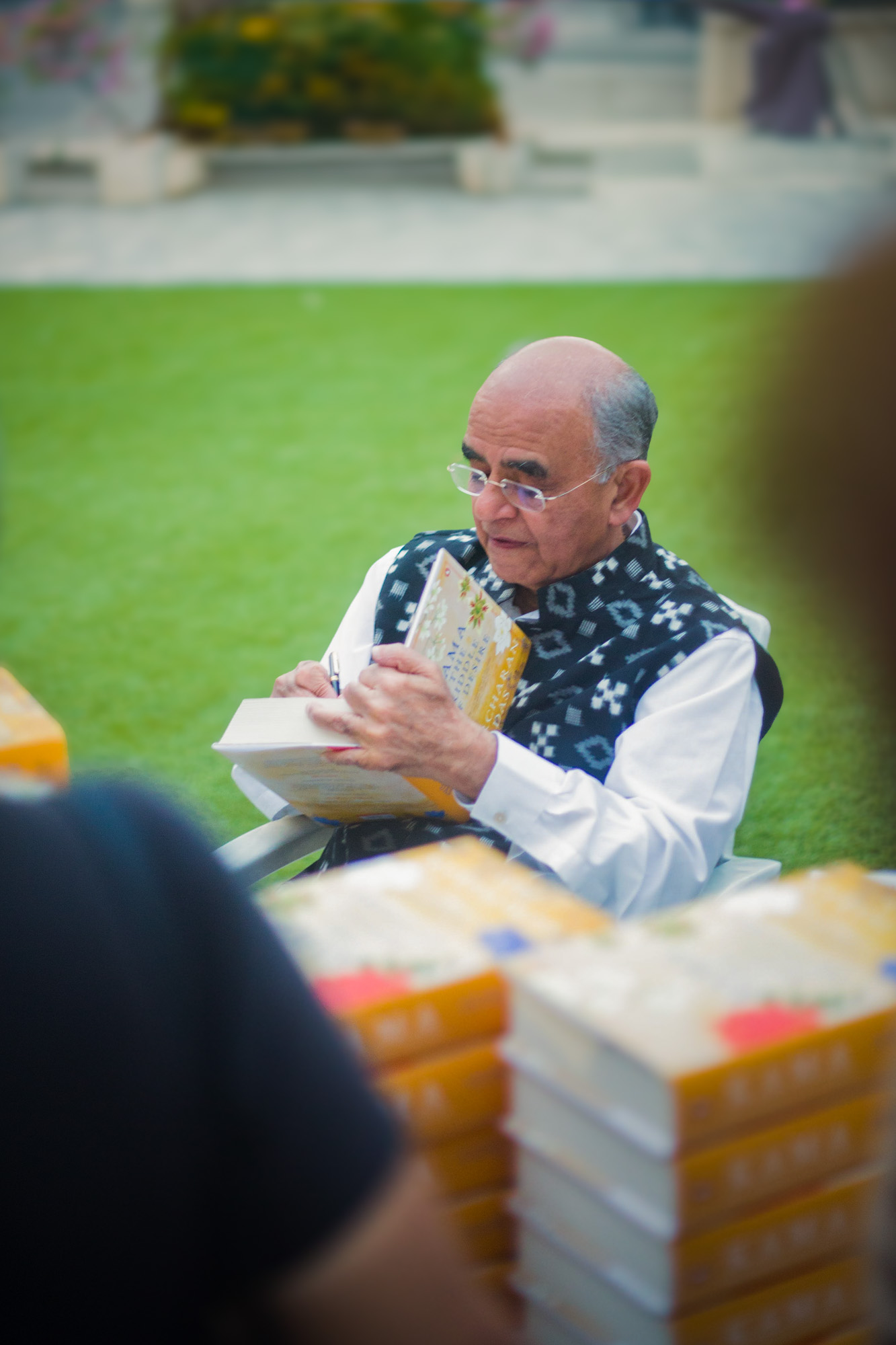
Give conversations a few seconds to settle. Genuine interaction is usually more useful than making every group look at the camera.
Step in when it matters
If a CEO meets a key guest and the organiser clearly needs the photograph, politely create space, make the frame, and disappear again.
A workable sequence
How we would think through it on an actual assignment.
Before doors open
Get the agenda, VIP list, restrictions, sponsor priorities and simultaneous-room plan.
First 20%
Secure clean stage, speaker, branding and room-establishing photographs early.
Middle of the event
Become selective. Watch reactions, questions, panel interaction and stakeholder conversations.
Critical moments
Move decisively for handshakes, awards, arrivals, official groups and time-sensitive PR moments.
Before leaving
Check that priority people, sponsors, rooms and required formal frames are actually covered.
From the field
A useful operating principle
This is the part that tends to become obvious only after doing the work repeatedly.
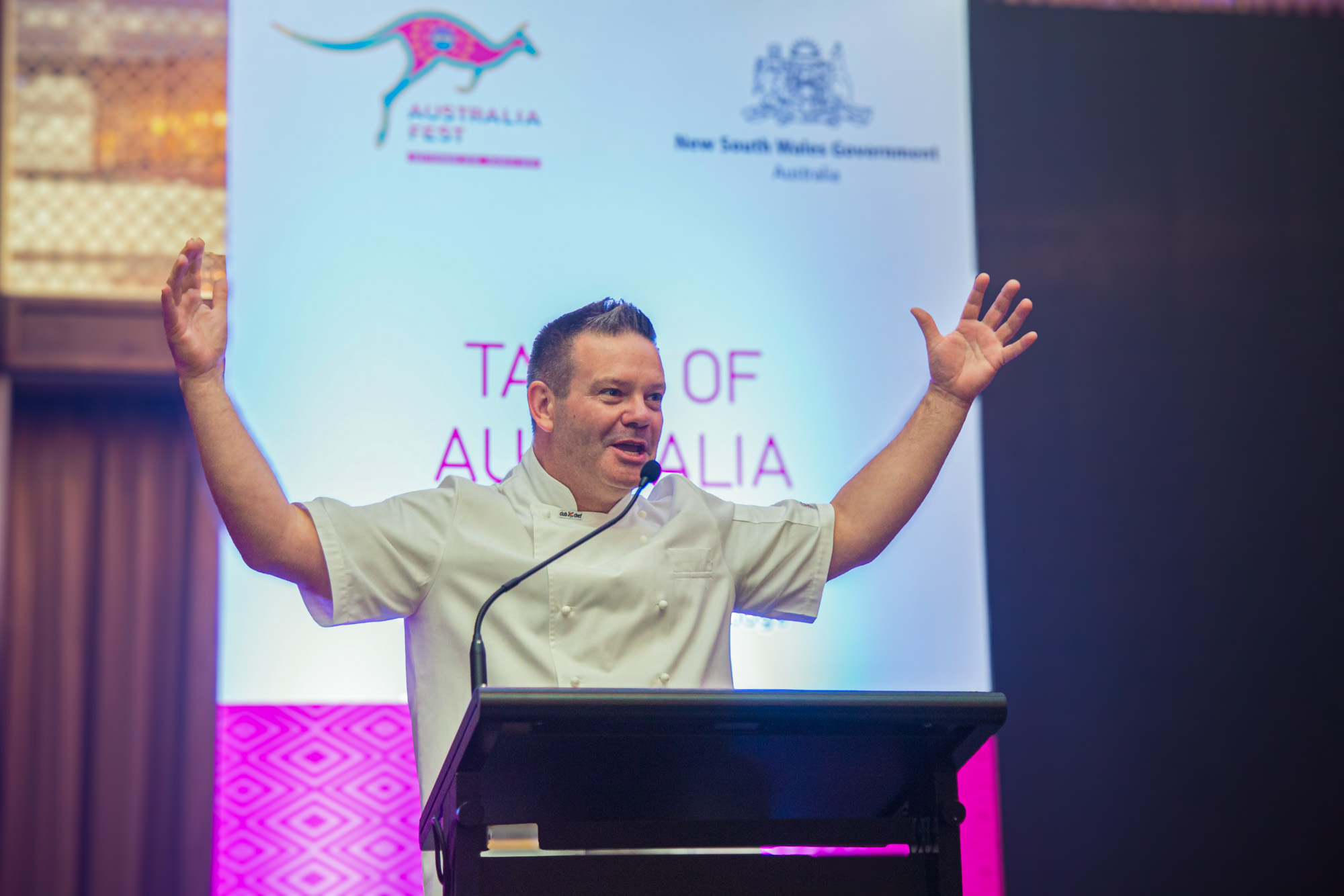
We have found that the best conference photographers are unobtrusive for most of the day and unusually decisive for a small percentage of it. The job is not to prove that you were everywhere. It is to deliver a set that lets the organiser communicate the event clearly afterwards.
Decision table
A faster way to make the call.
| Situation | Better behaviour | Why it matters |
|---|---|---|
| Dark keynote | Work with stage light where practical; avoid repeated flash | Protects the audience experience and the speaker’s concentration. |
| Panel discussion | Wait for interaction, expression and exchange | A row of microphone portraits rarely tells the whole story. |
| Networking | Approach after conversations settle | People look less defensive and the photographs feel more natural. |
| VIP meeting | Move quickly, get the required frame, then clear the space | Important moments may last only seconds. |
| Closed-door room | Confirm permission before photographing | The technically strongest image may still be unsuitable for publication. |
Related planning
Continue with the part of the brief you are solving next.
People also ask
Direct answers to the questions that usually follow.
01Should photographers use flash during conference keynotes?
Sometimes, but repeated flash in a dark auditorium can be distracting. When the stage lighting is usable, we generally prefer to work with it and reserve flash for spaces where it does not disrupt the room.
02What should a conference photographer ask the organiser beforehand?
Ask for the final agenda, VIP and stakeholder list, simultaneous sessions, restricted rooms, sponsor priorities, backstage rules and any people who must not be photographed.
03How should networking be photographed?
Give people time to enter a real conversation, then work from a respectful distance. Step in for an official group only when the event team or guests clearly want one.
04Is it okay to photograph confidential conversations?
Not automatically. Corporate conferences can involve investors, media, government representatives and senior leadership. Clarify restrictions and publication rules in advance.
05What is the biggest etiquette mistake at a conference?
Treating the photograph as more important than the event. Blocking guests, interrupting conversations or constantly repositioning in front of an audience usually costs more than the extra angle is worth.
06Can Tell-a-Tale Studios cover VIP and protocol-sensitive events?
Yes. TAT regularly works in corporate, leadership, international and diplomatic environments where timing, discretion and publication judgement matter.
Planning something similar?
Share the date, location, timings, people involved, intended usage and delivery expectations. We will suggest a realistic setup instead of forcing the brief into a generic package.