For corporate impact and sustainability teams
CSR and ESG photography that shows impact without reducing people to evidence.
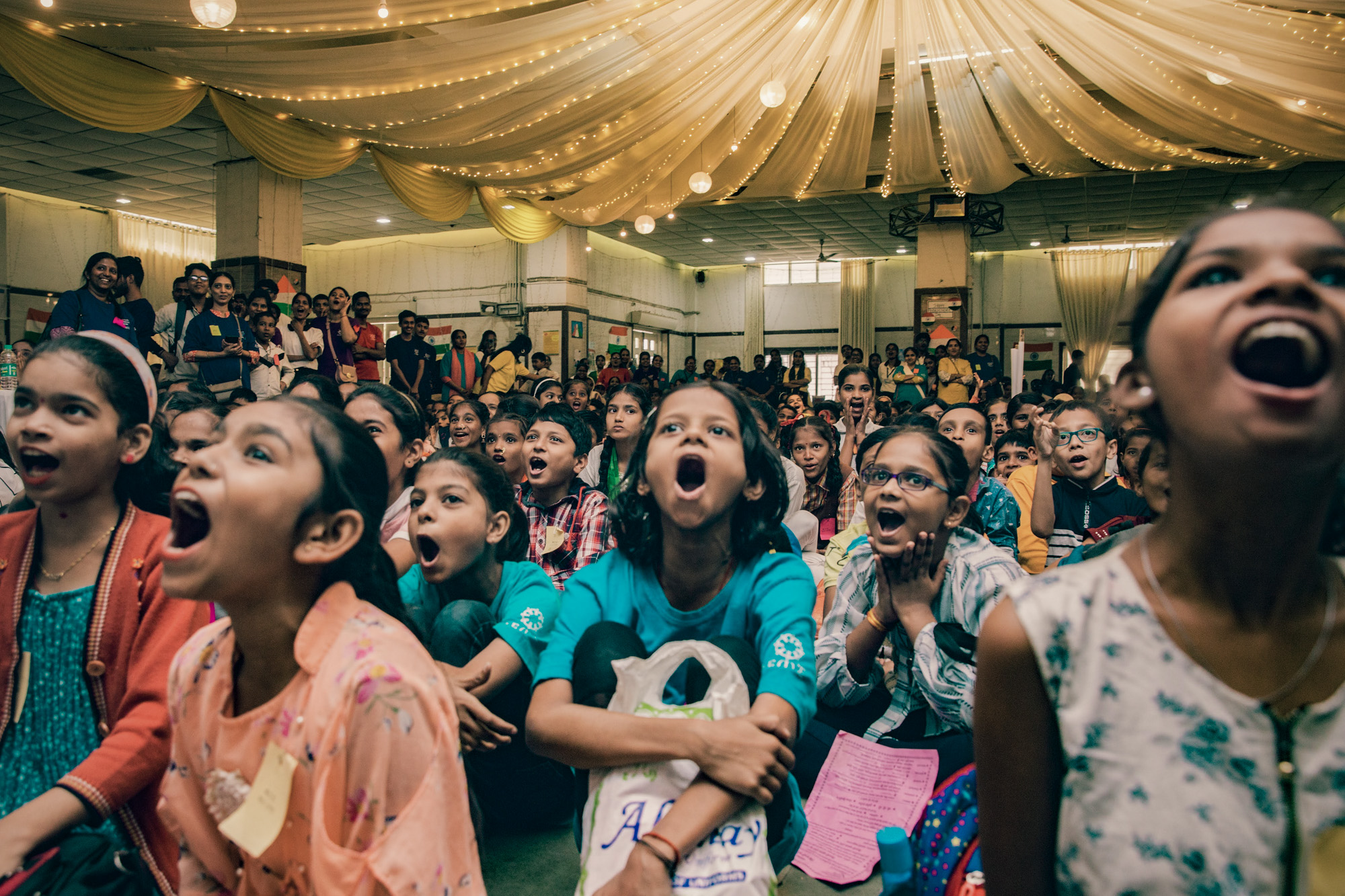
Impact communication needs proof, but it also needs dignity. The strongest field imagery explains the place, programme, people and change without staging vulnerability or turning beneficiaries into visual props.
Tell-a-Tale Studios can document CSR initiatives, foundation programmes, community partnerships and sustainability stories across India through photography and interview-led film.
Who this is built for
The people making the decision—and what they need the assets to do.
The production is designed around the business moment, the stakeholders involved and where the final photography or video will need to work.
CSR and foundation teams
Programme documentation for reports, boards and public communication.
Sustainability and ESG teams
Original visual evidence connected to real initiatives and locations.
Implementation partners
Field stories that explain process, participation and outcome.
Coverage architecture
What the assignment can include.
Photography, video and delivery are planned around the final use of the material—not bundled into a generic package.
Programme in action
Real delivery, environments, facilitators, tools and participant experience.
- Context before close-up
- Process and scale
- No artificial reenactment
Stakeholder portraits
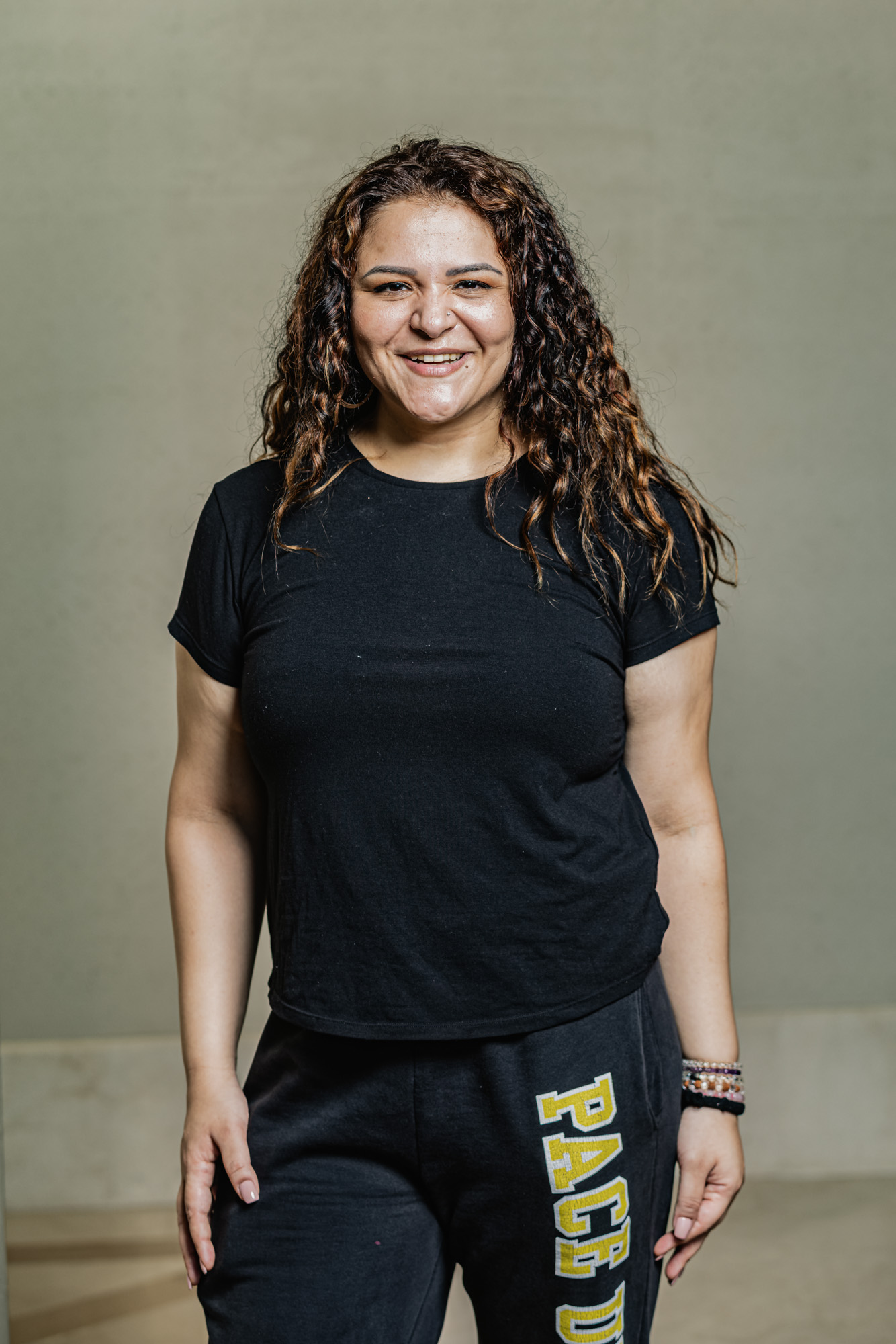
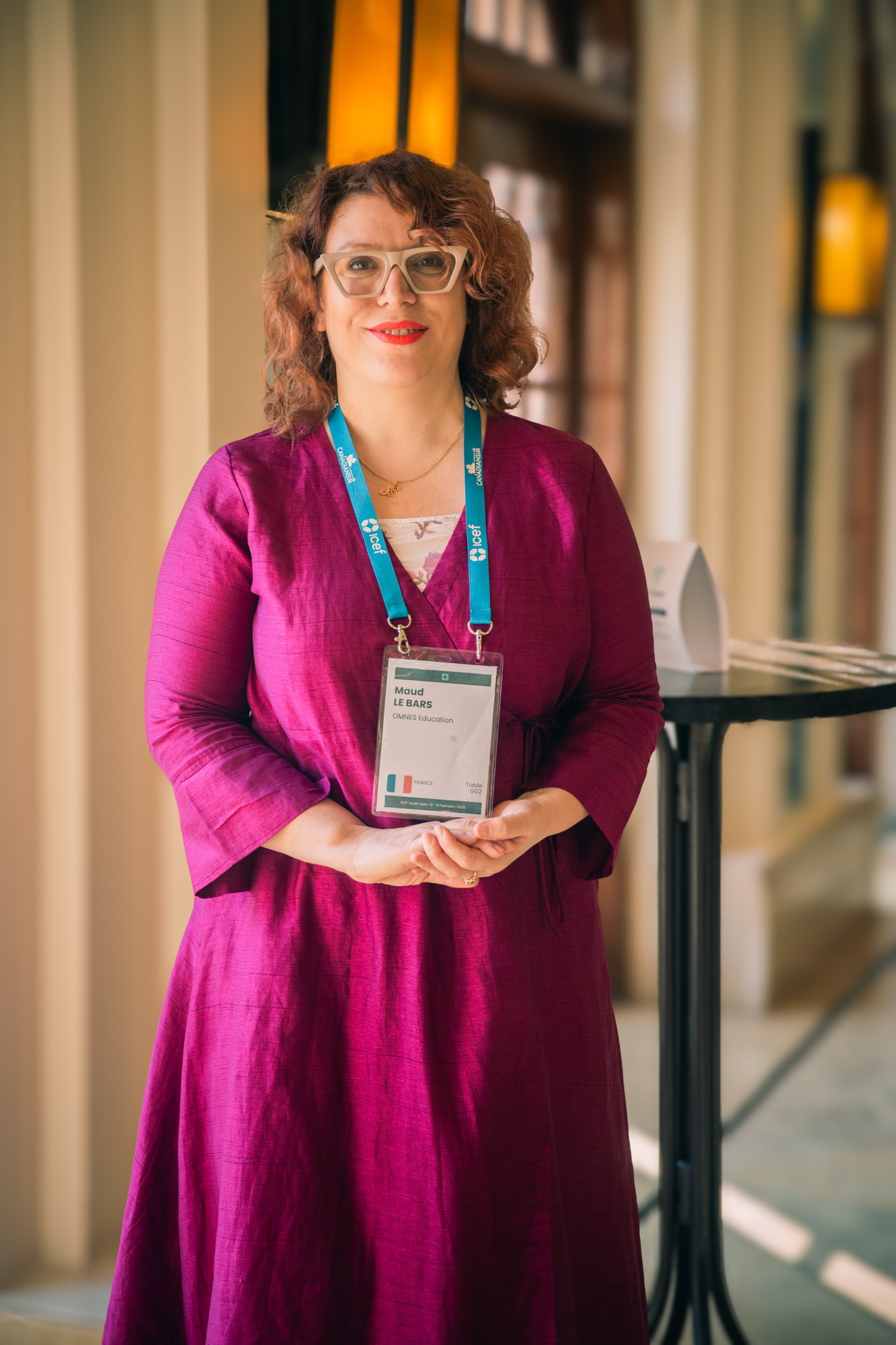
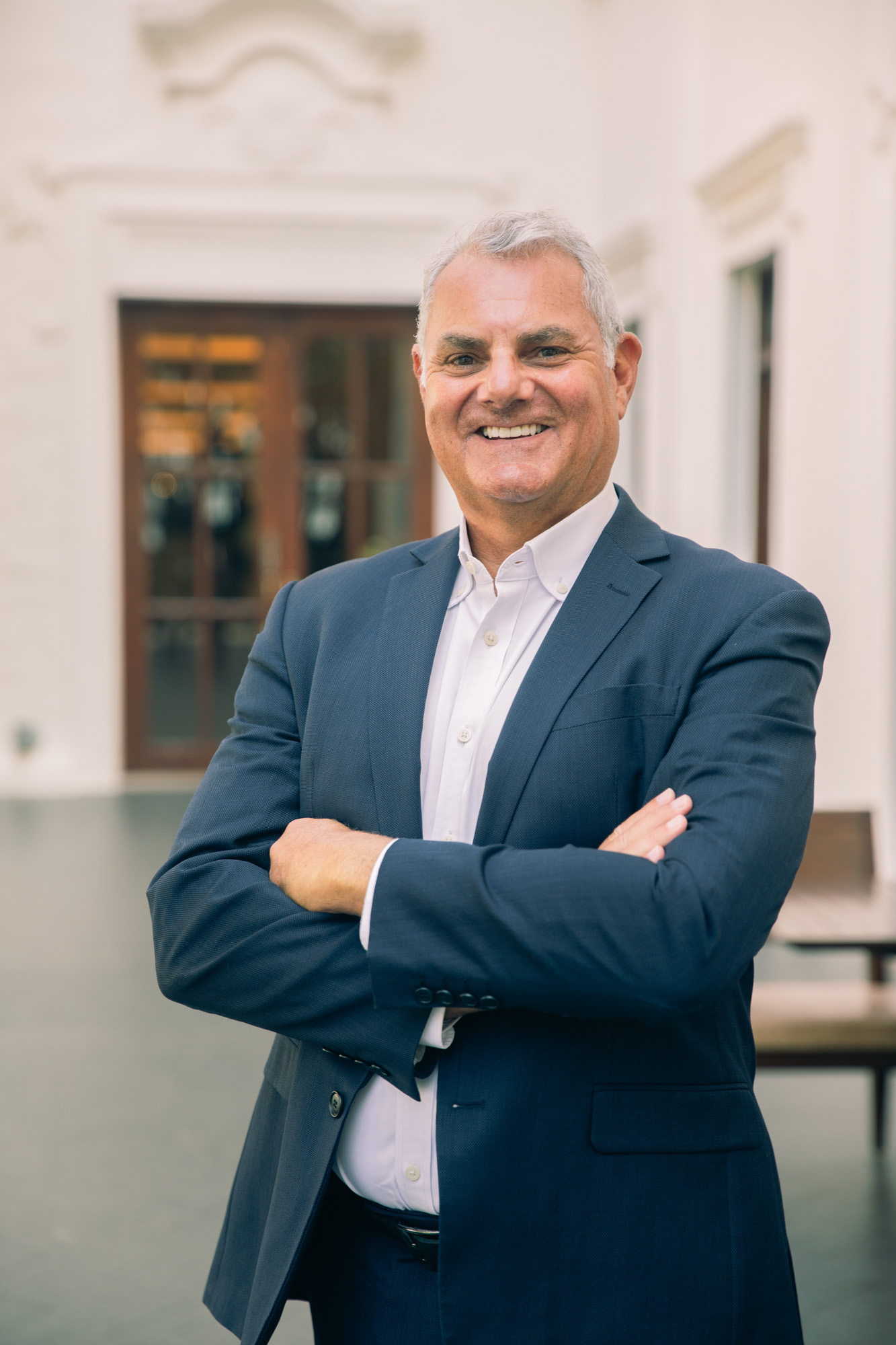
Participants, field teams, leaders and local partners photographed with dignity.
- Consent-aware approach
- Environmental portraits
- Accurate captions
Interview-led impact films
Voices from the programme combined with field context and organisational perspective.
- Sensitive direction
- Clean field audio planning
- Subtitles
Report and campaign assets
A structured library for sustainability reports, websites, donor updates and internal communication.
- Horizontal and vertical options
- Location grouping
- Caption notes
Why this brief is different
Ethical documentation is a production method
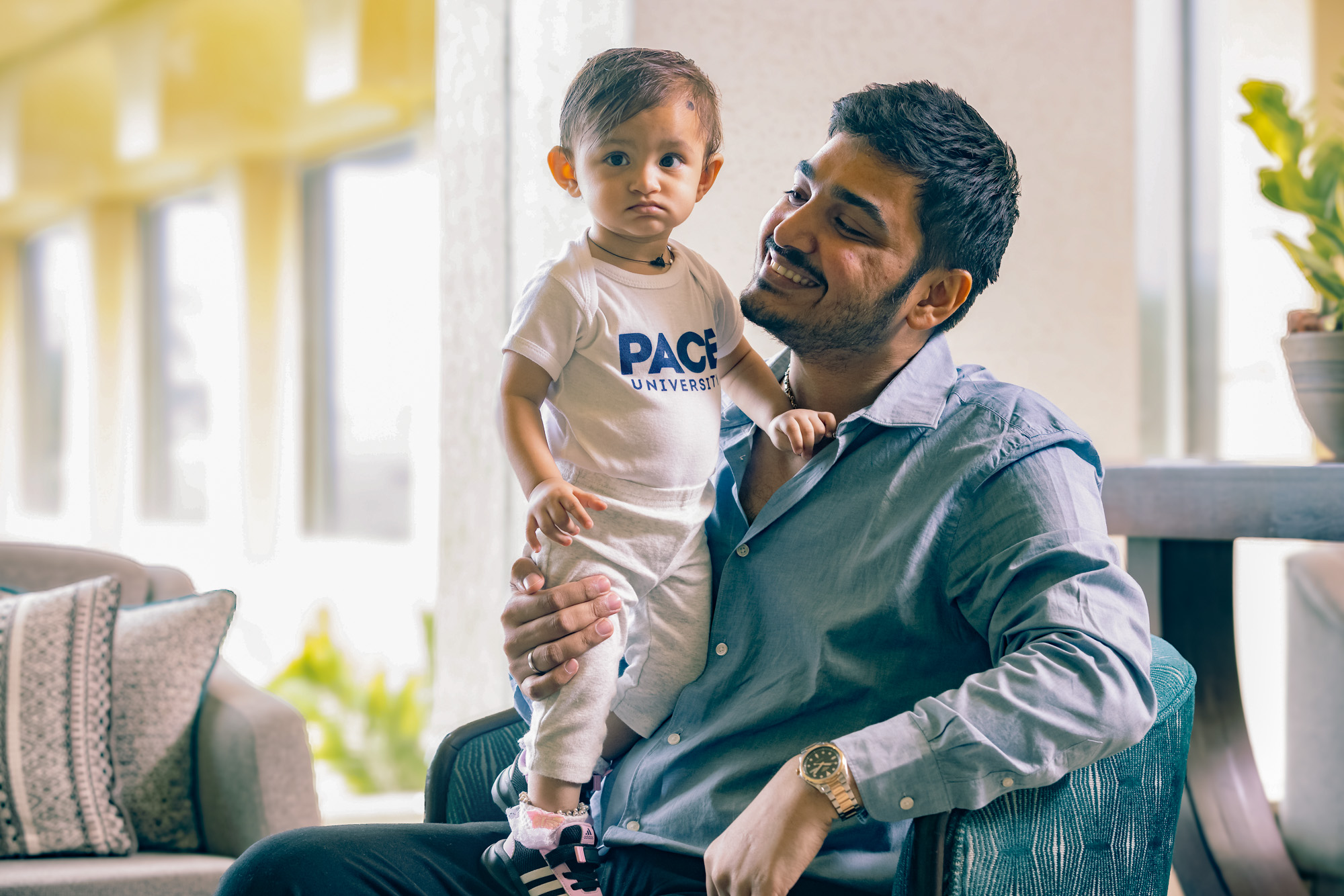
Consent, representation, translation, local context and the balance of power need to be considered before a camera is raised.
Dignity before drama
We avoid visual shorthand that makes hardship the only story.
Programme truth
The work is documented as it actually operates, with enough context to be credible.
Clear usage
Participants and local teams should understand where material may appear wherever the client’s process requires it.

Decision framework
Impact documentation formats
A compact view of how the coverage changes with the format, audience and intended use.
| Situation | What matters | Production approach | Useful output |
|---|---|---|---|
| One-day field story | Programme activity, portraits, environment | Photography | Report feature and web story |
| Multi-location initiative | Several sites, partners and beneficiary groups | Photo + short interviews | Annual impact library |
| CSR film | Leadership, implementation partner and participant voices | Interview-led documentary | Stakeholder and campaign use |
| Sustainability report refresh | Facilities, teams, community and programme evidence | Planned visual library | Report, ESG and investor communication |
How we plan it
A five-step workflow with fewer surprises.
The crew recommendation, access plan and delivery timeline are decided before the day—not improvised onsite.
Purpose and ethics brief
Audience, representation, consent and sensitive contexts are discussed.
Field coordination
Travel, local partners, translation and realistic schedules are planned.
Context-led capture
The team documents process, environment and people without over-directing.
Caption and story notes
Names, roles, locations and programme context are gathered where appropriate.
Responsible delivery
Assets are organised by location, story and intended use.
Before asking for a quote
Send the information that changes the production plan.
A useful brief helps us recommend the right team instead of sending a vague package.
Possible deliverables
Build the asset set around real use.
Not every assignment needs everything. These outputs can be combined or reduced based on the business need.
Related capabilities
A few useful next steps.
These services sit closest to this brief and can help you plan the wider photography or video requirement.
Questions before booking
Practical answers for this type of brief.
Share the specifics of your event or production if your requirement falls outside these common situations.
01Do you travel to rural or remote project locations?
Yes, for suitable assignments. Travel, local logistics, safety and realistic production time are planned with the client and implementation partner.
02Can you manage consent for people being photographed?
We follow the client’s approved consent and safeguarding process and can help make the production requirements clear. Legal consent documentation remains the client’s responsibility.
03How do you avoid staged or exploitative CSR imagery?
We prioritise real programme activity, context and dignity, using direction only where needed for clarity or safety.
04Can you create both report photography and an impact film?
Yes. A combined brief can produce stills, interviews, b-roll and report-ready assets efficiently.
05Do you provide captions and field notes?
Basic names, roles, locations and contextual notes can be collected where the production scope and local coordination allow.
Check availability
Need to document a programme with care and credibility?
Share the initiative, locations, stakeholders, consent process and final reporting needs. We will plan an ethical field-production approach.
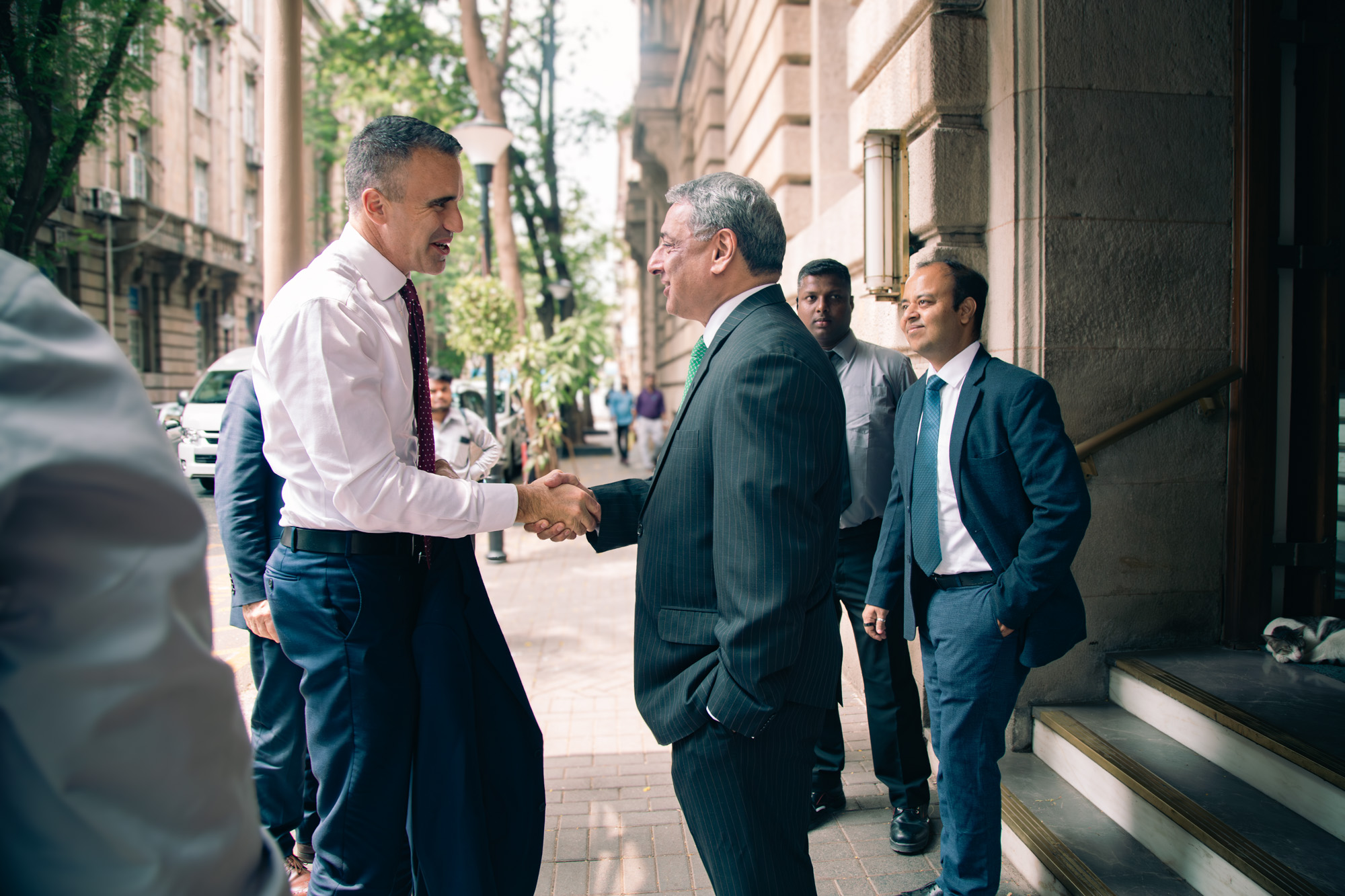
From global conferences to trade missions and corporate events across India.