Content strategy · duration guide
A corporate video should be as long as the audience’s reason to keep watching—and no longer.
Choose duration by purpose, platform, viewer context and depth of information rather than forcing every story into the same 60-second template.
This guide covers social reels, website films, testimonials, event highlights, leadership messages, explainers and full programme recordings.
Length by attention context
The viewer’s situation changes the useful duration.
A captive conference archive viewer and a LinkedIn scroller are not the same audience.
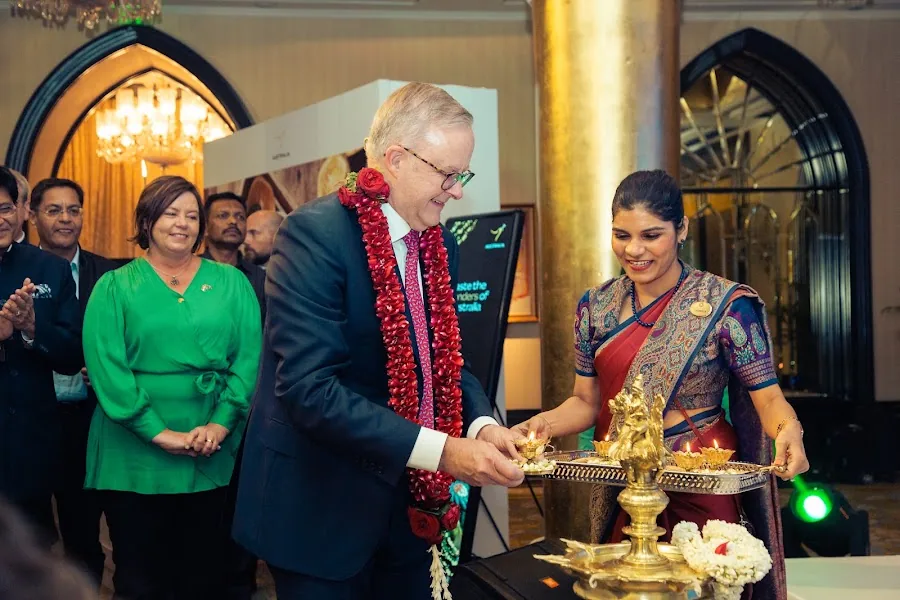
In-feed discovery
The film must establish relevance immediately and usually stay tightly focused.
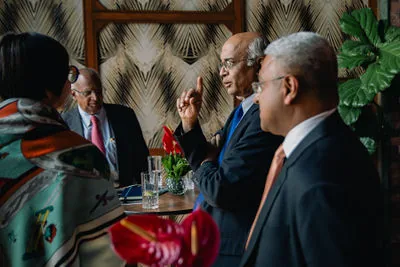
Website evaluation
The viewer may accept more context when actively researching the organisation.
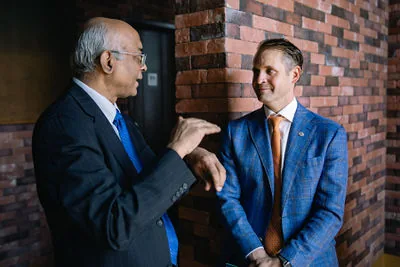
Sales or case study
Specific evidence and customer detail can justify a longer narrative.
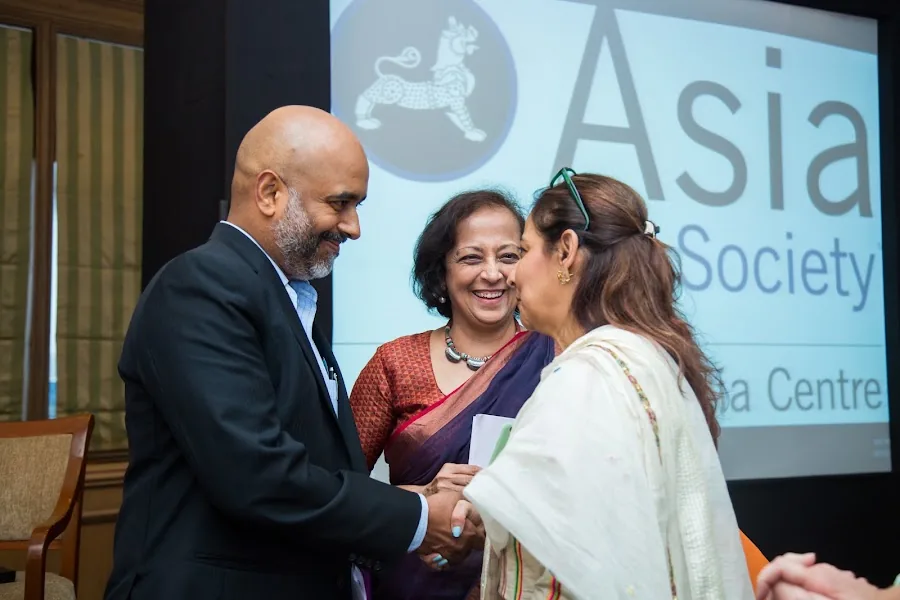
Learning or archive
Completeness, chaptering and navigation matter more than short duration.
Avoid arbitrary rules
Four times “shorter is always better” is wrong.
Cut boredom, not necessary meaning.
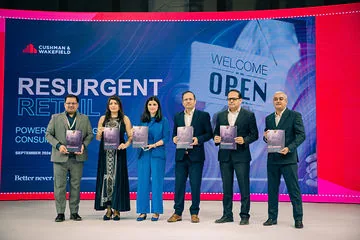
Complex B2B decision
A credible case study may need context, implementation and proof beyond a minute.
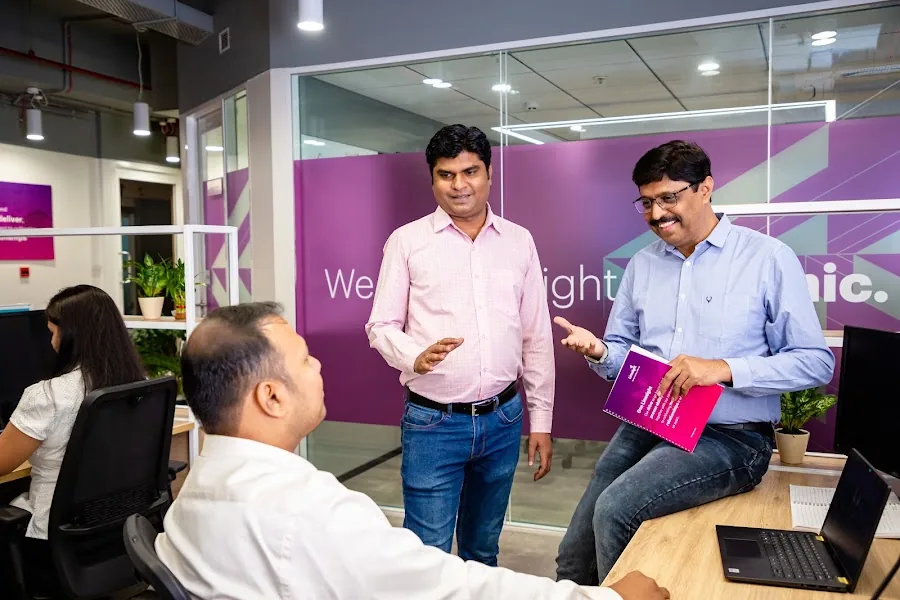
Leadership communication
A meaningful internal message can be longer when employees expect substance.

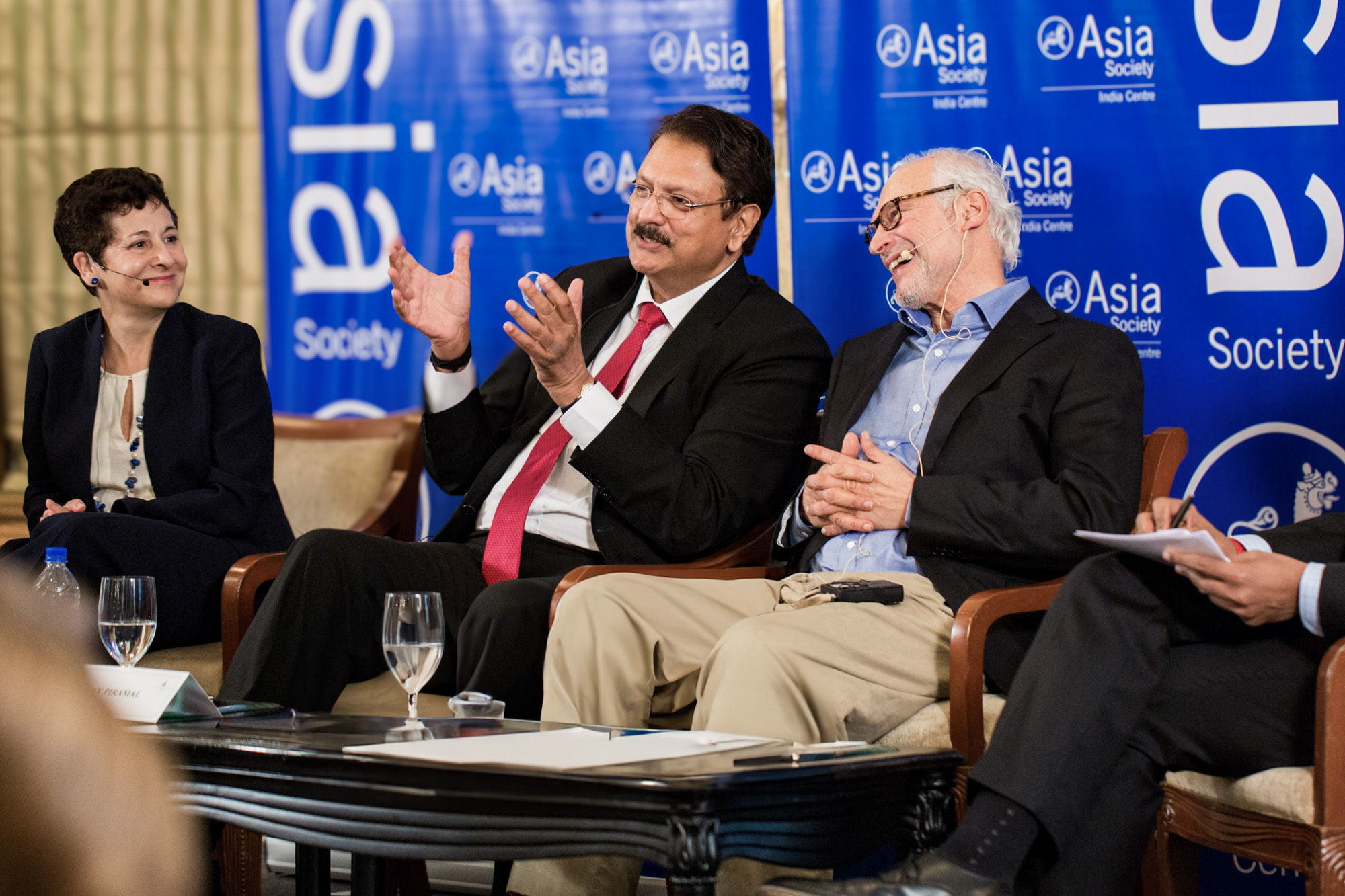
Thought leadership
A useful interview or session should not lose its argument merely to fit a reel.

Programme access
A full keynote serves a different purpose from its promotional clip.















The useful answer
What is the ideal length for a corporate video?
For most corporate marketing, use 30–60 seconds for social hooks, 90 seconds to three minutes for focused stories, and three to six minutes when the audience needs deeper proof or narrative.
Create separate versions when one asset must serve discovery and depth. A short reel can attract attention, a two-minute film can explain value, and a longer interview or session can serve the viewer who chooses to go deeper.
Duration method
Find the length by building the content hierarchy.
Do not begin by stretching or compressing to a number.
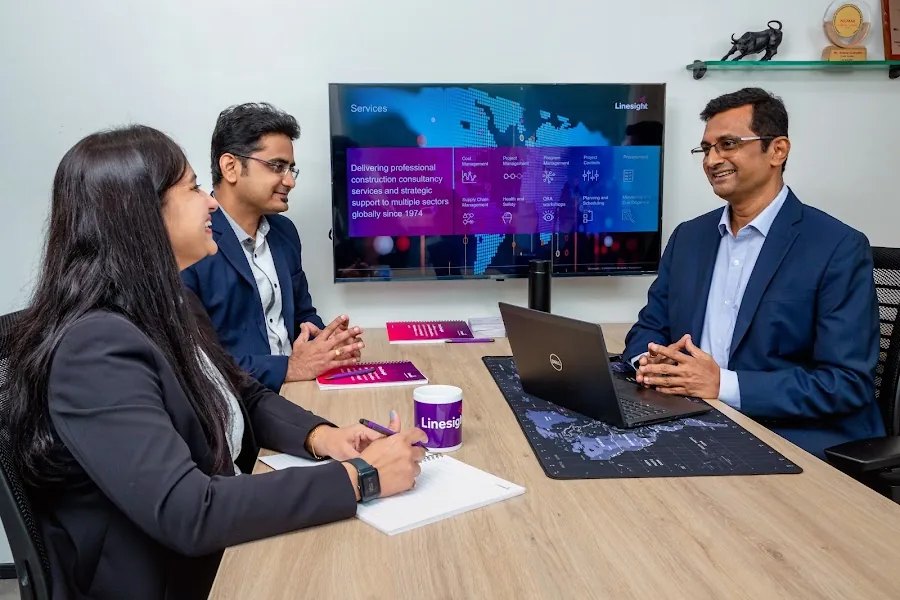
Name the job
Define one primary purpose and viewer action.

Rank messages
Choose one core message and a small set of supporting points.
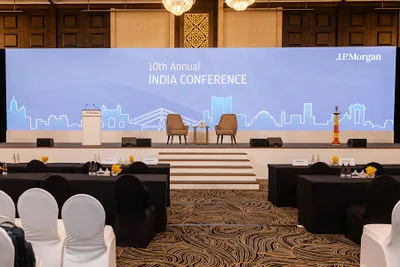
Select evidence
Keep only interviews, visuals and facts that prove those points.
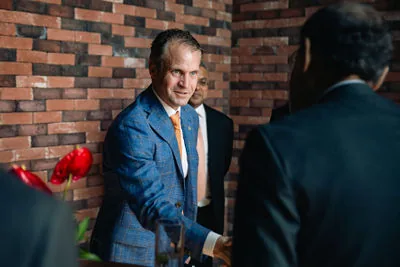
Build master
Create the clearest complete version before deriving shorter cuts.

Test versions
Check hook, comprehension, pace and whether each platform version still makes sense.
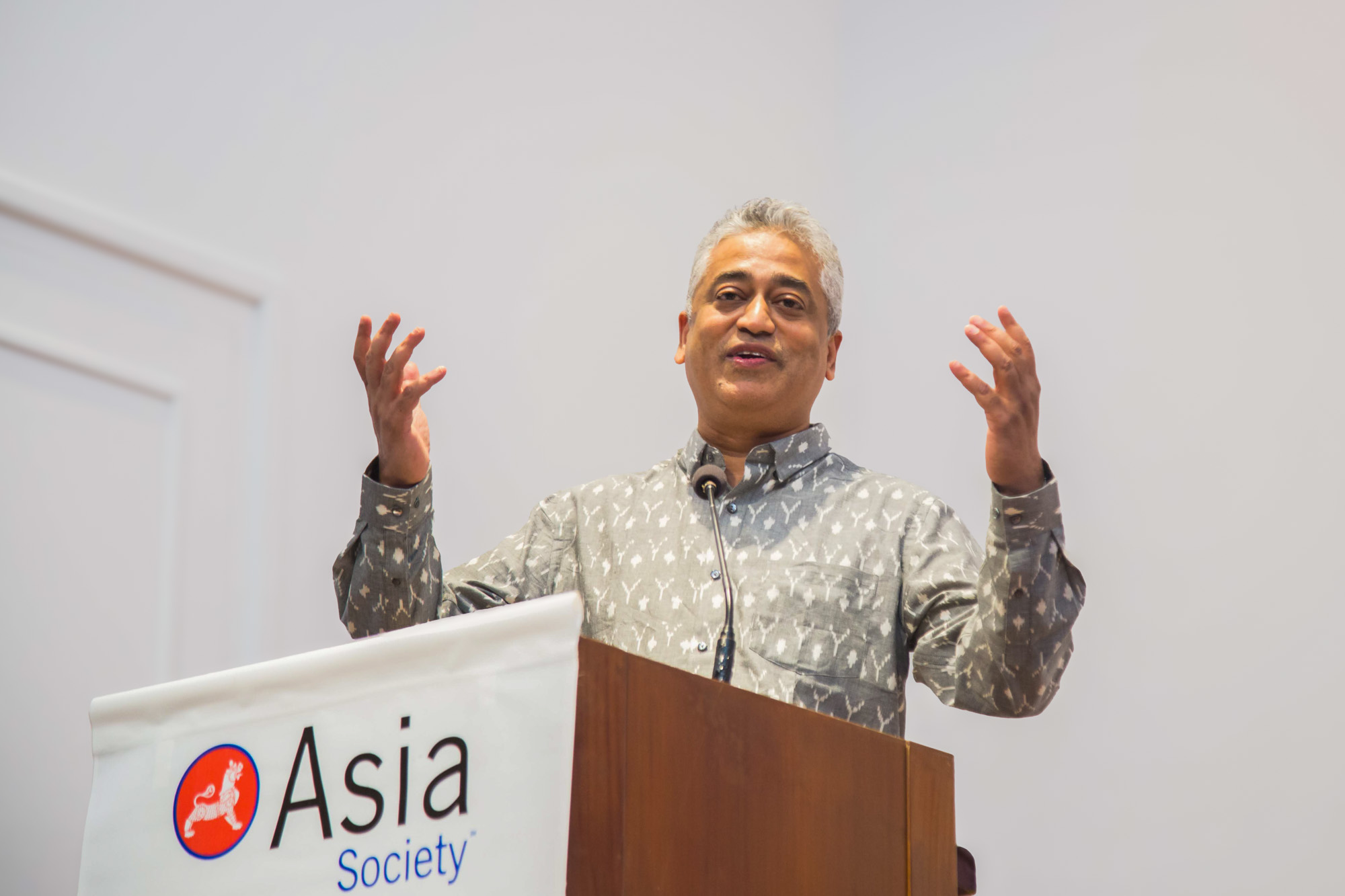
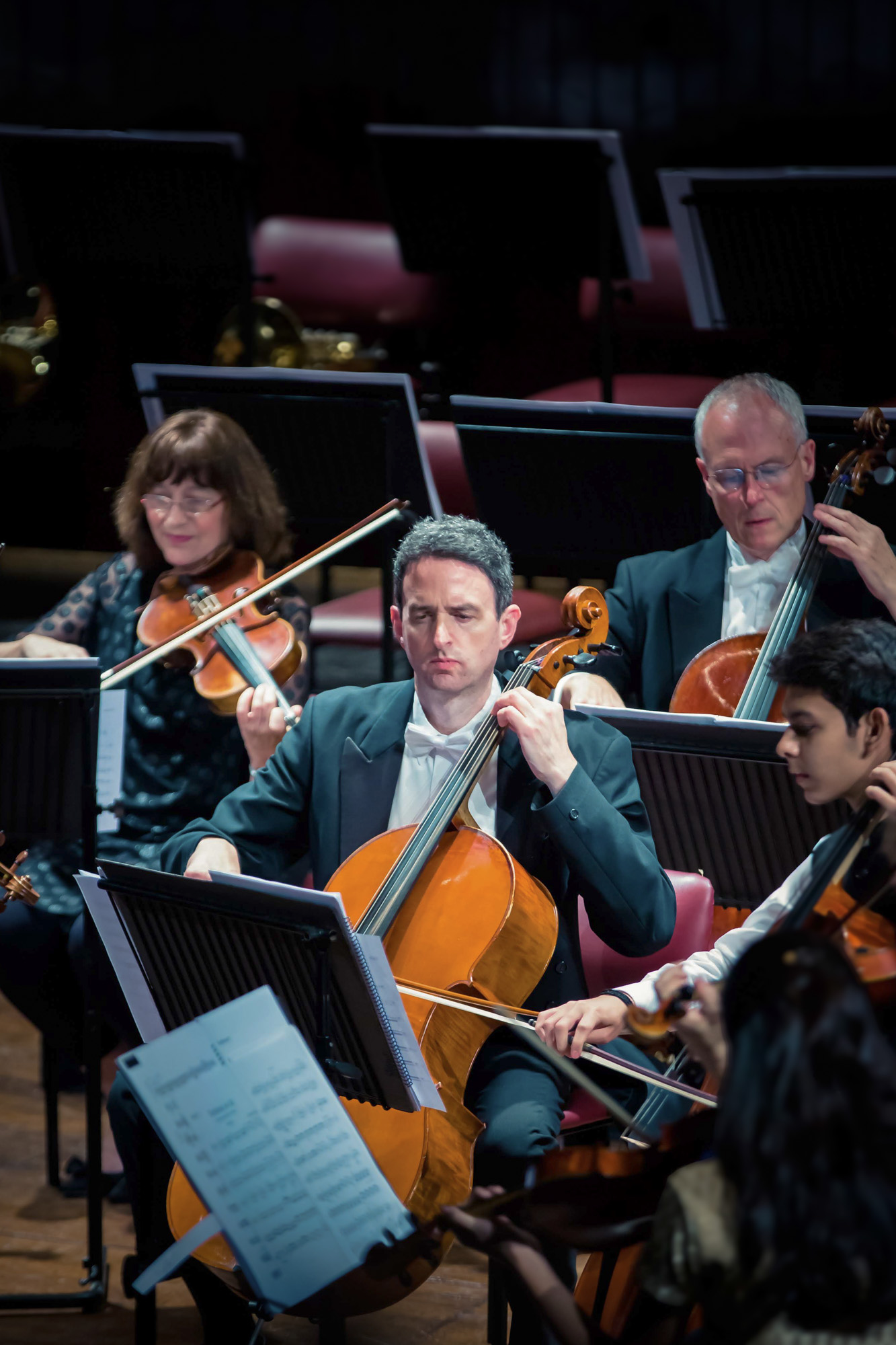
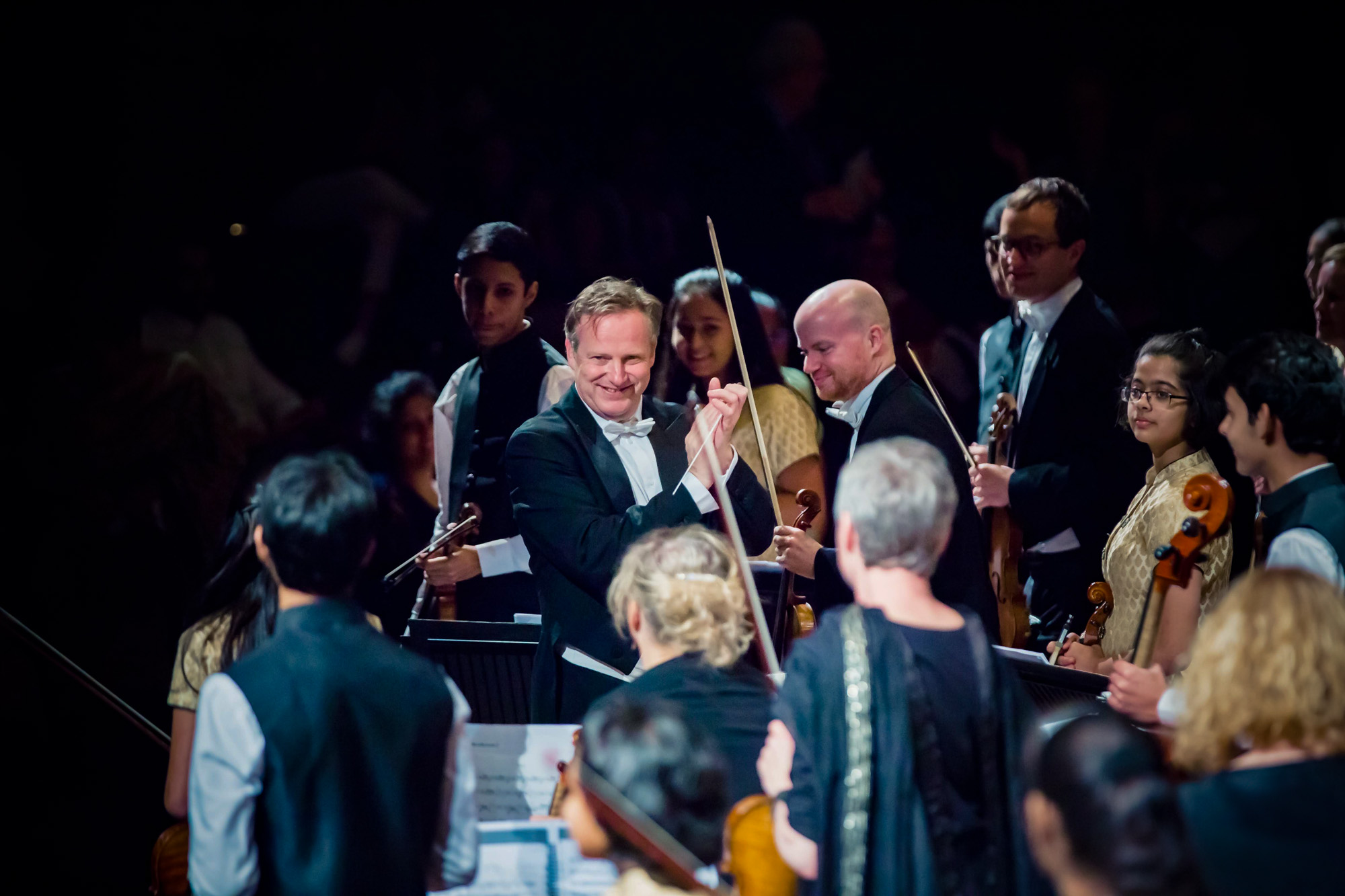
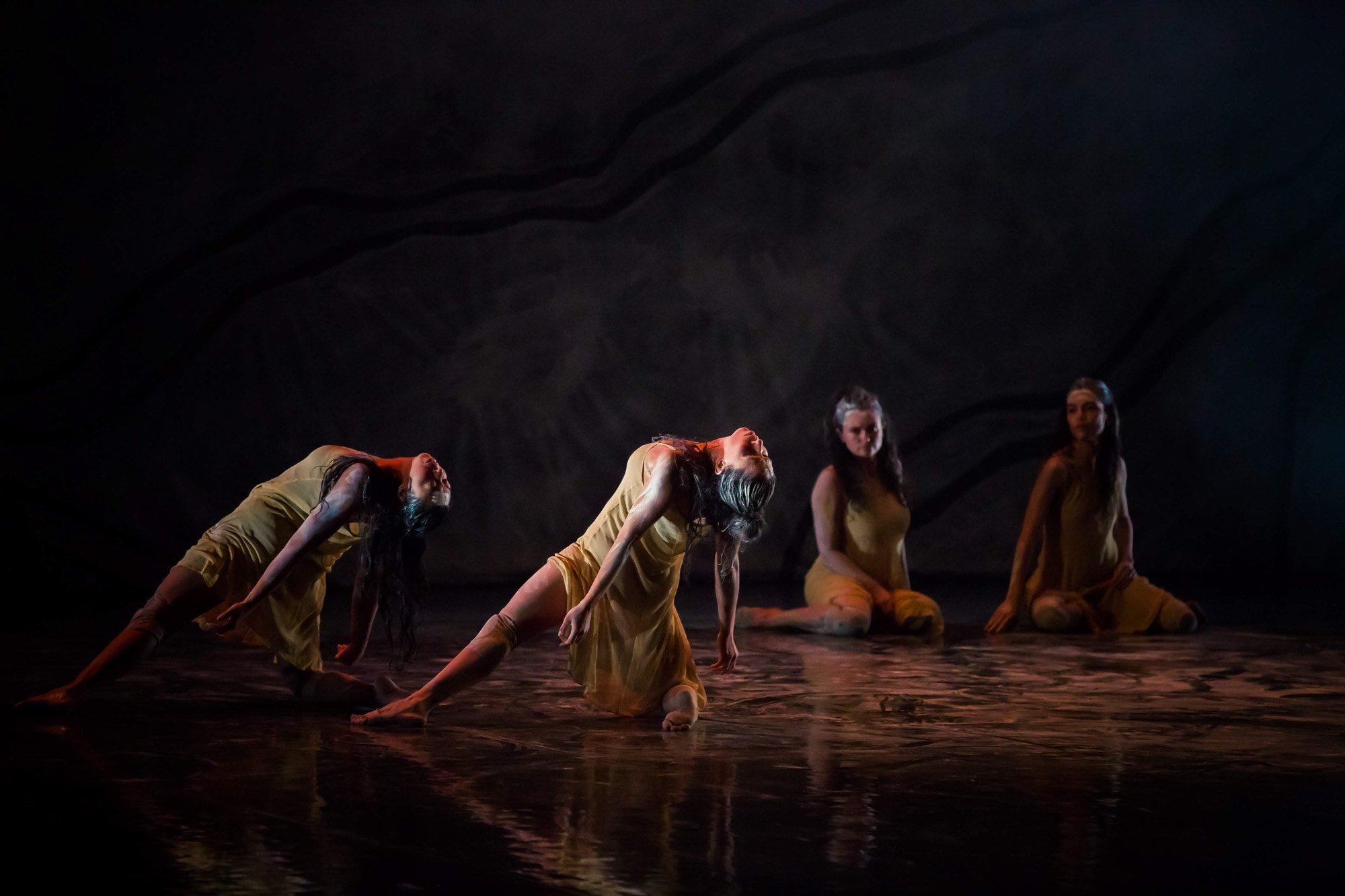
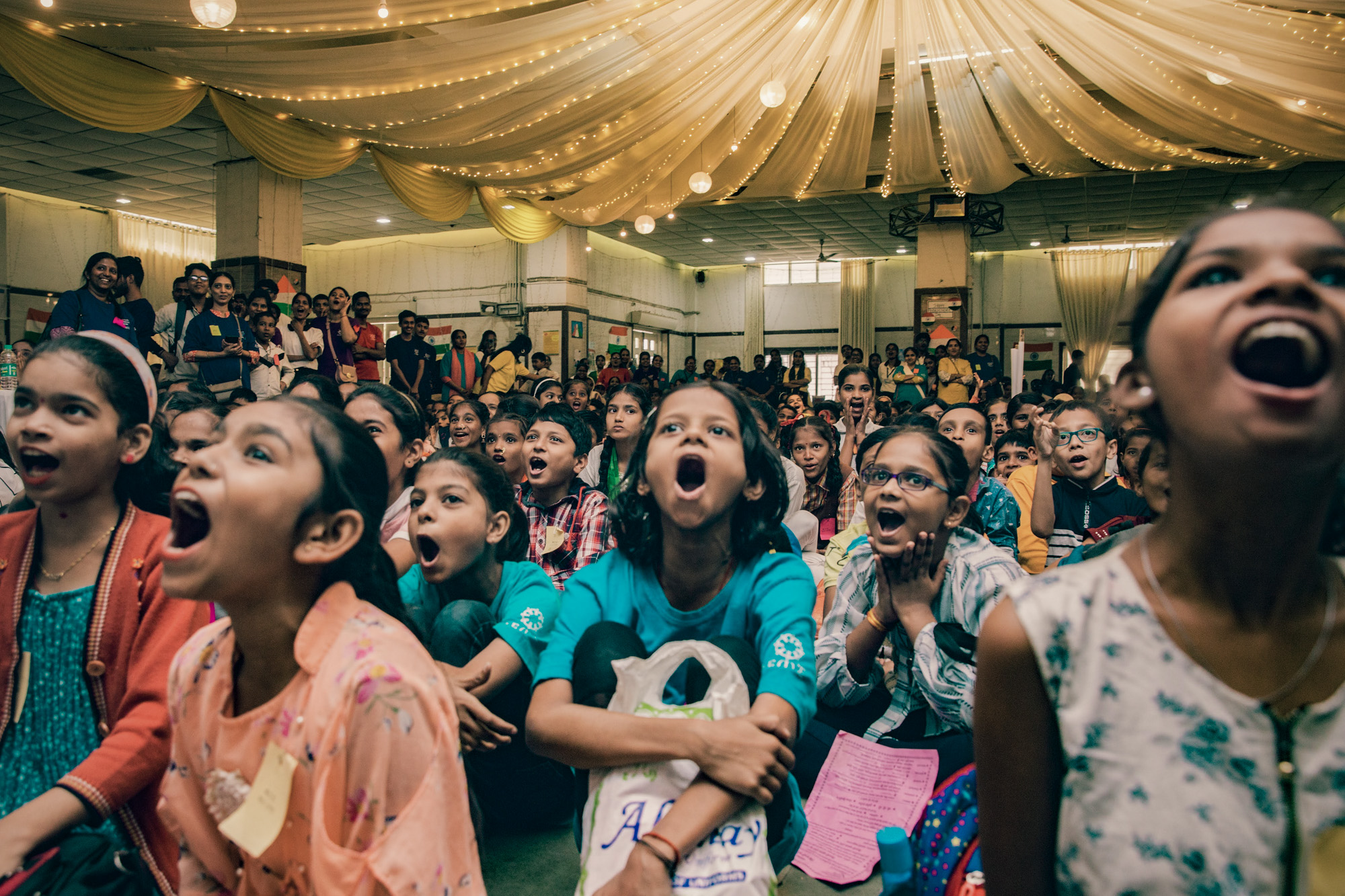
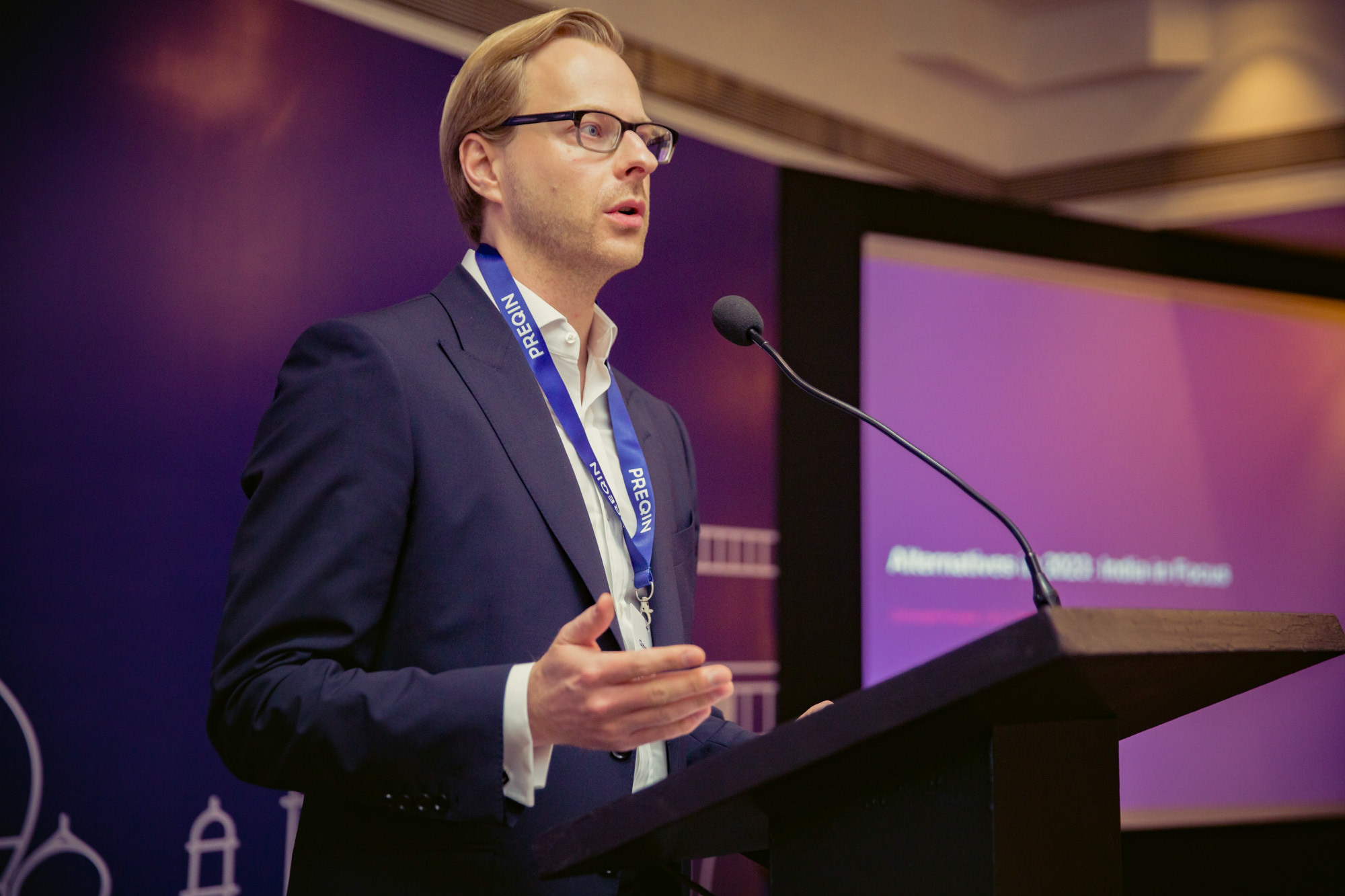
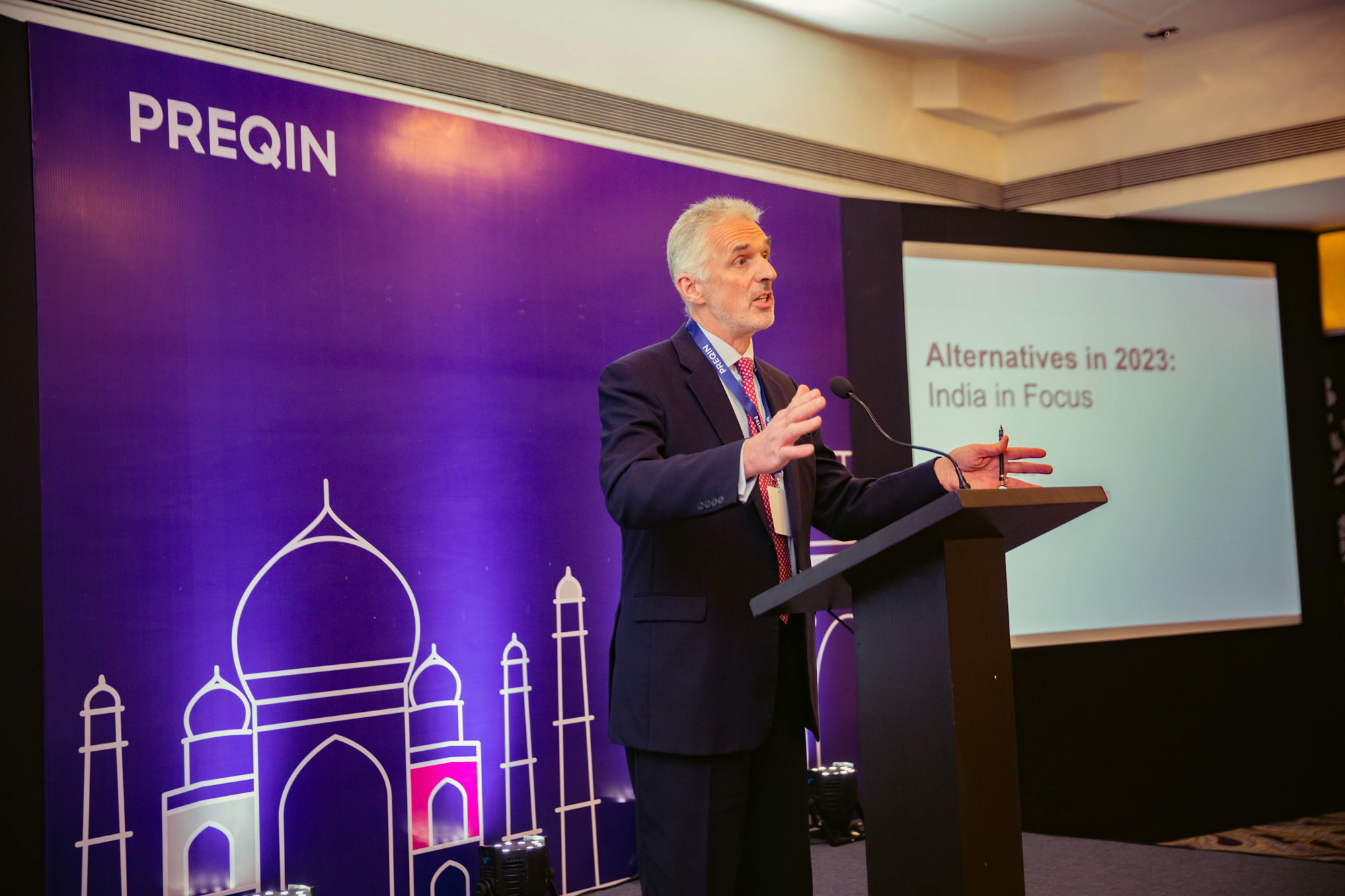
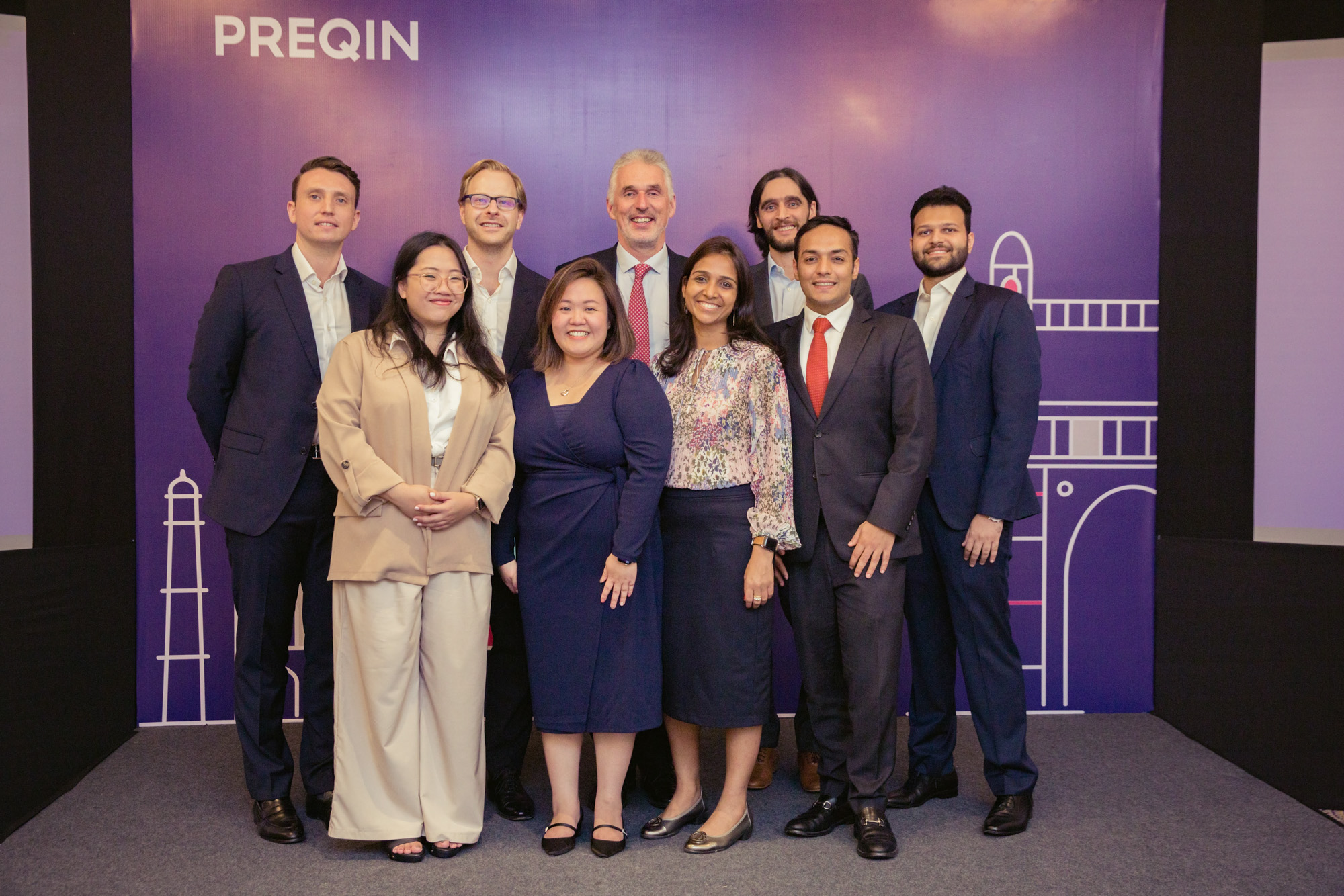
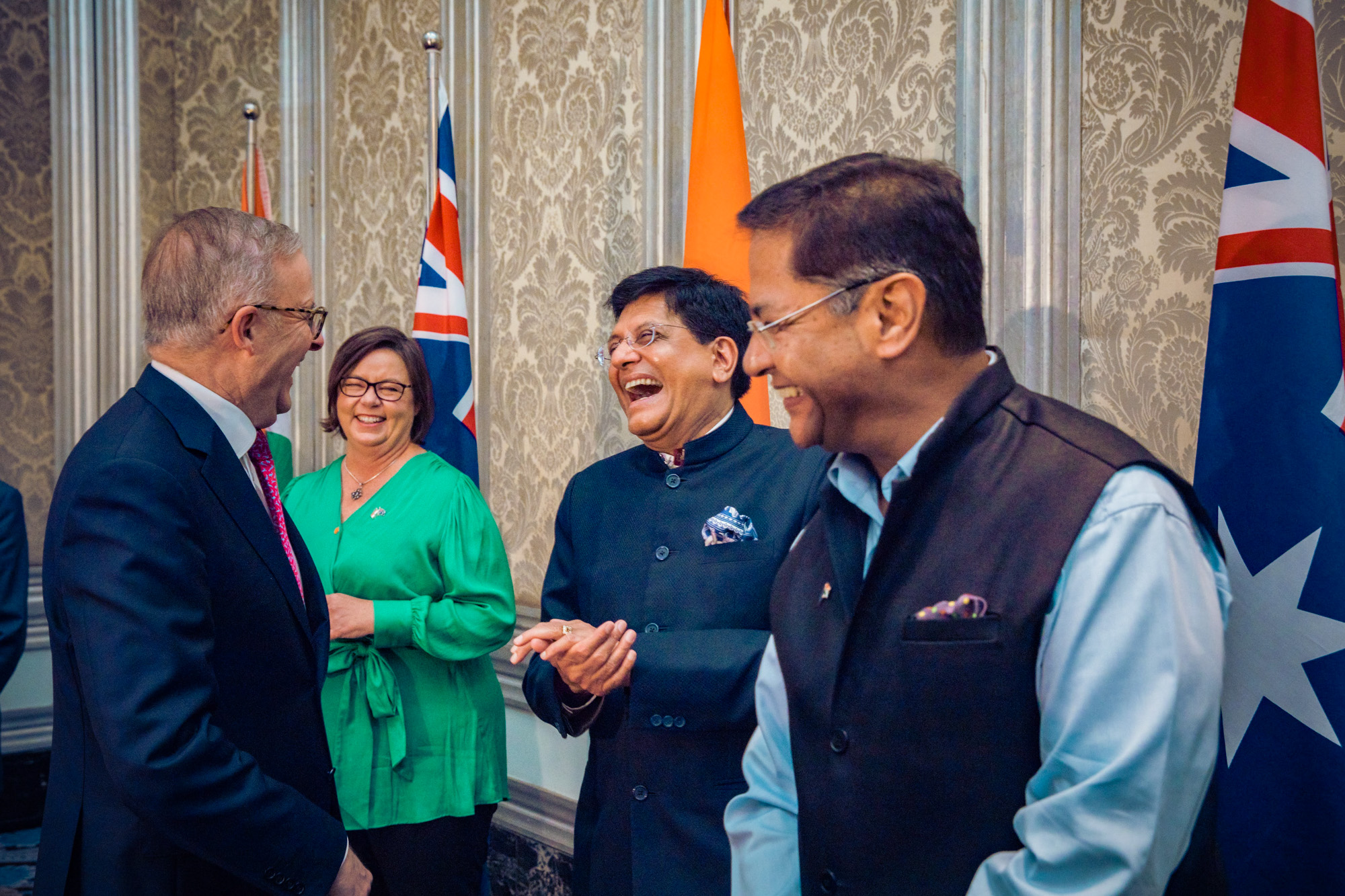
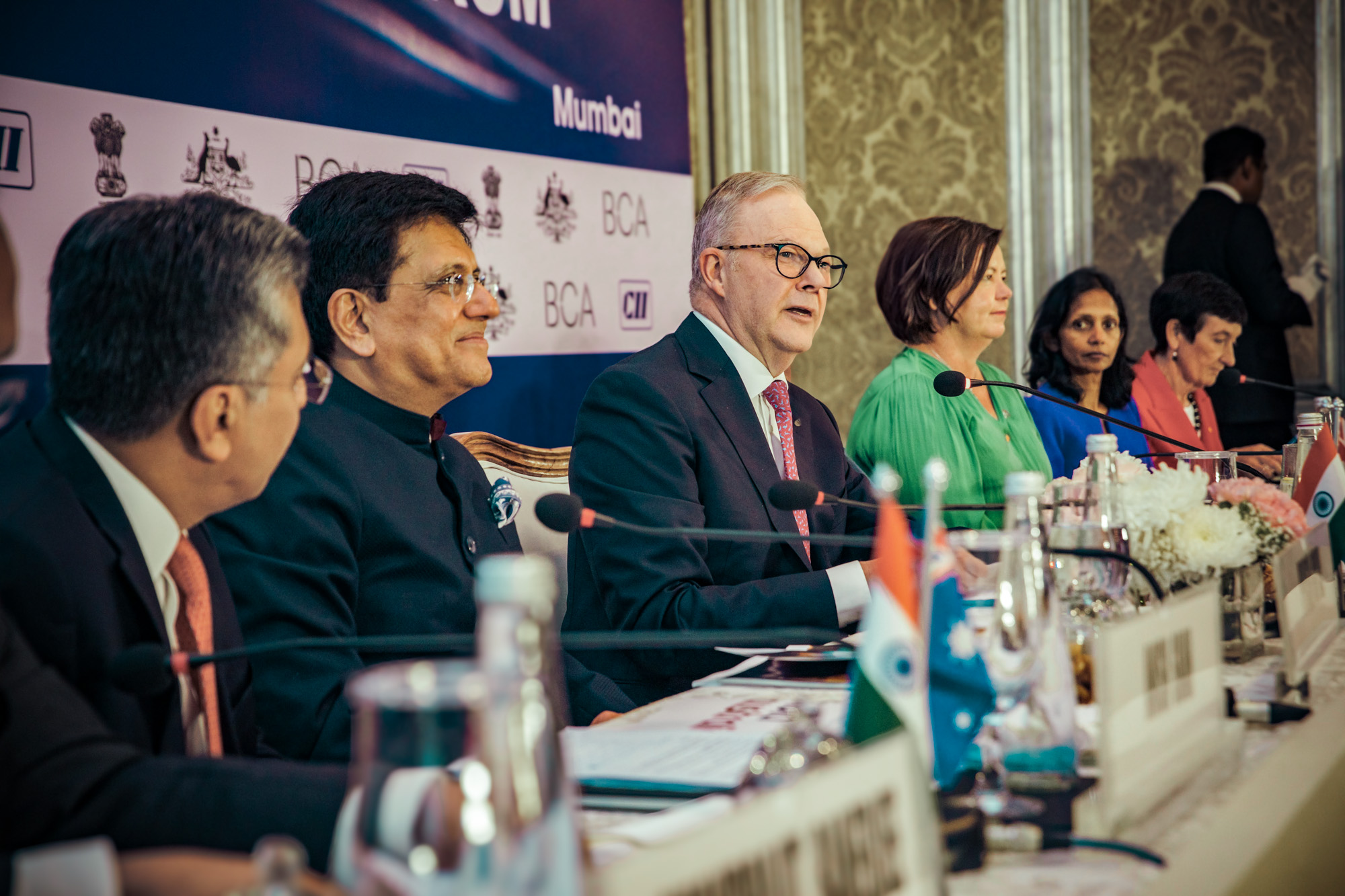
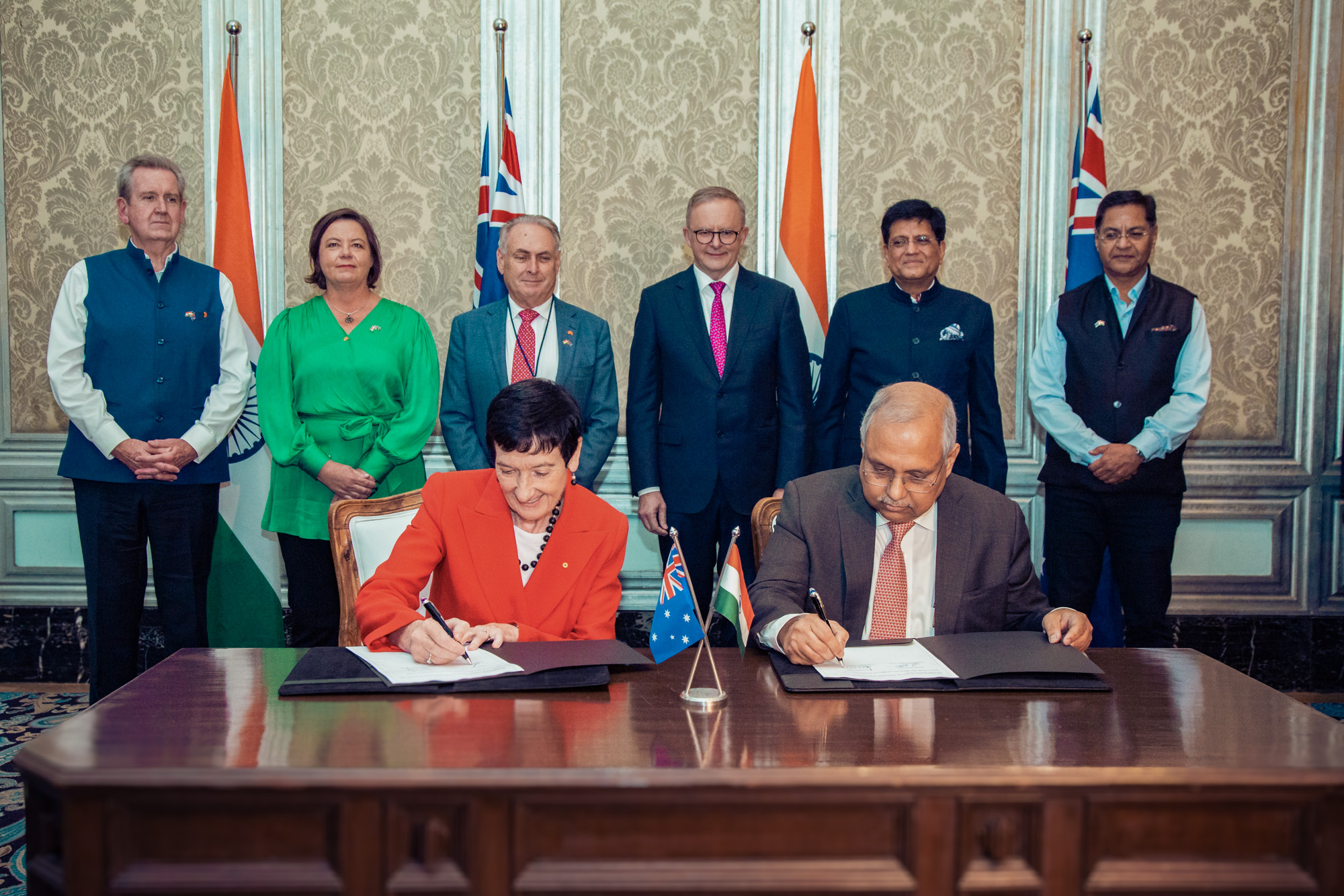
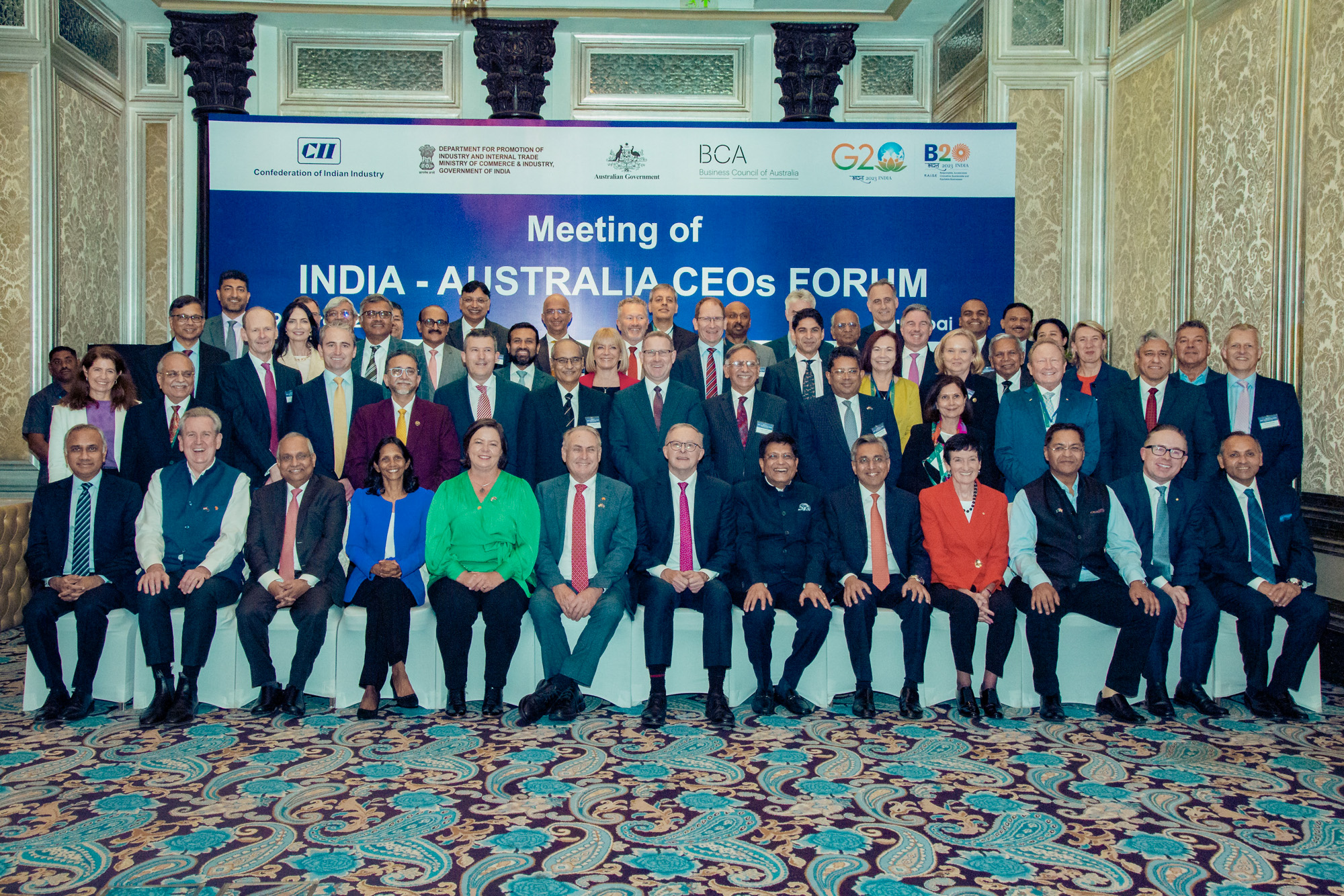
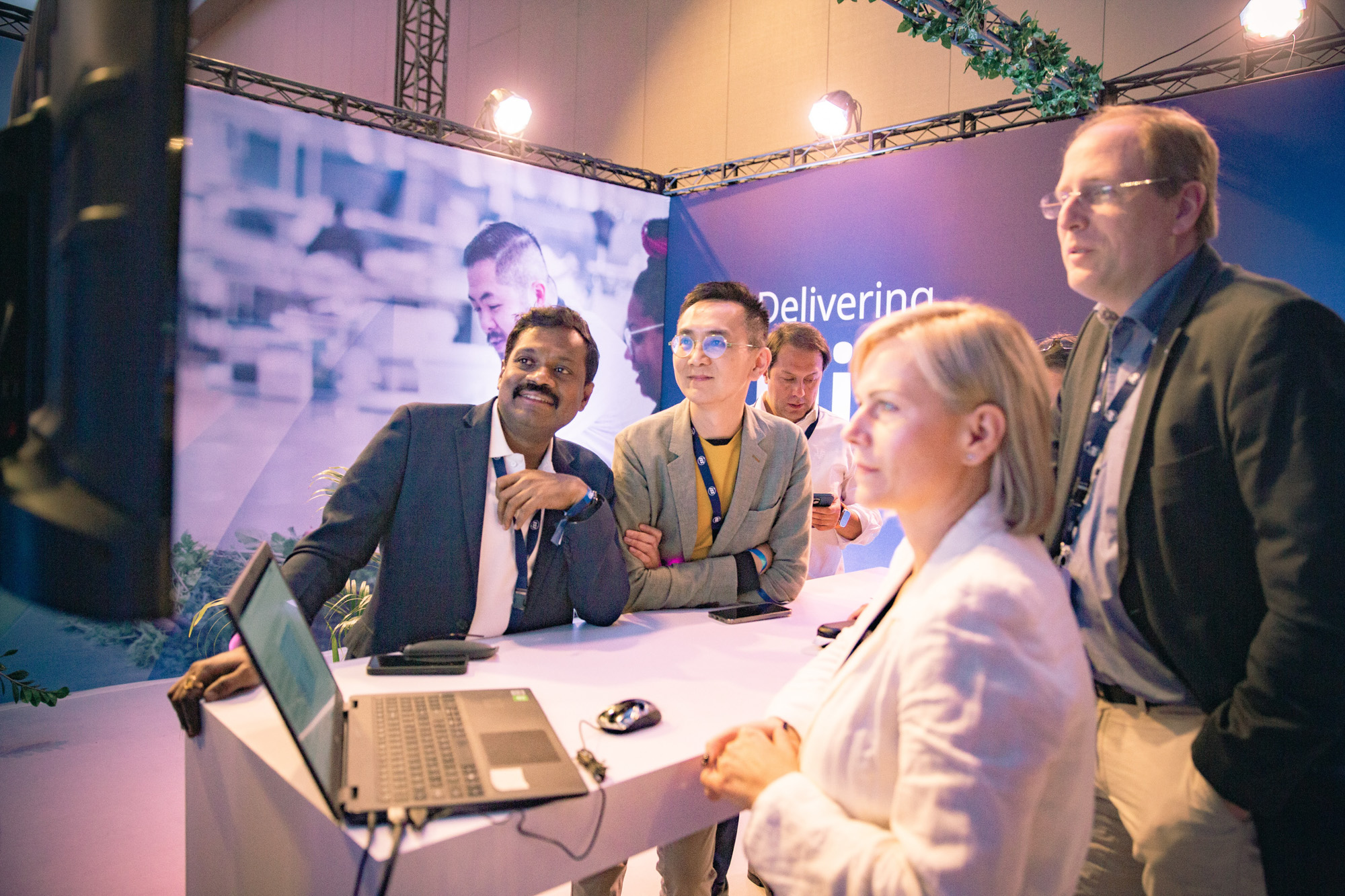
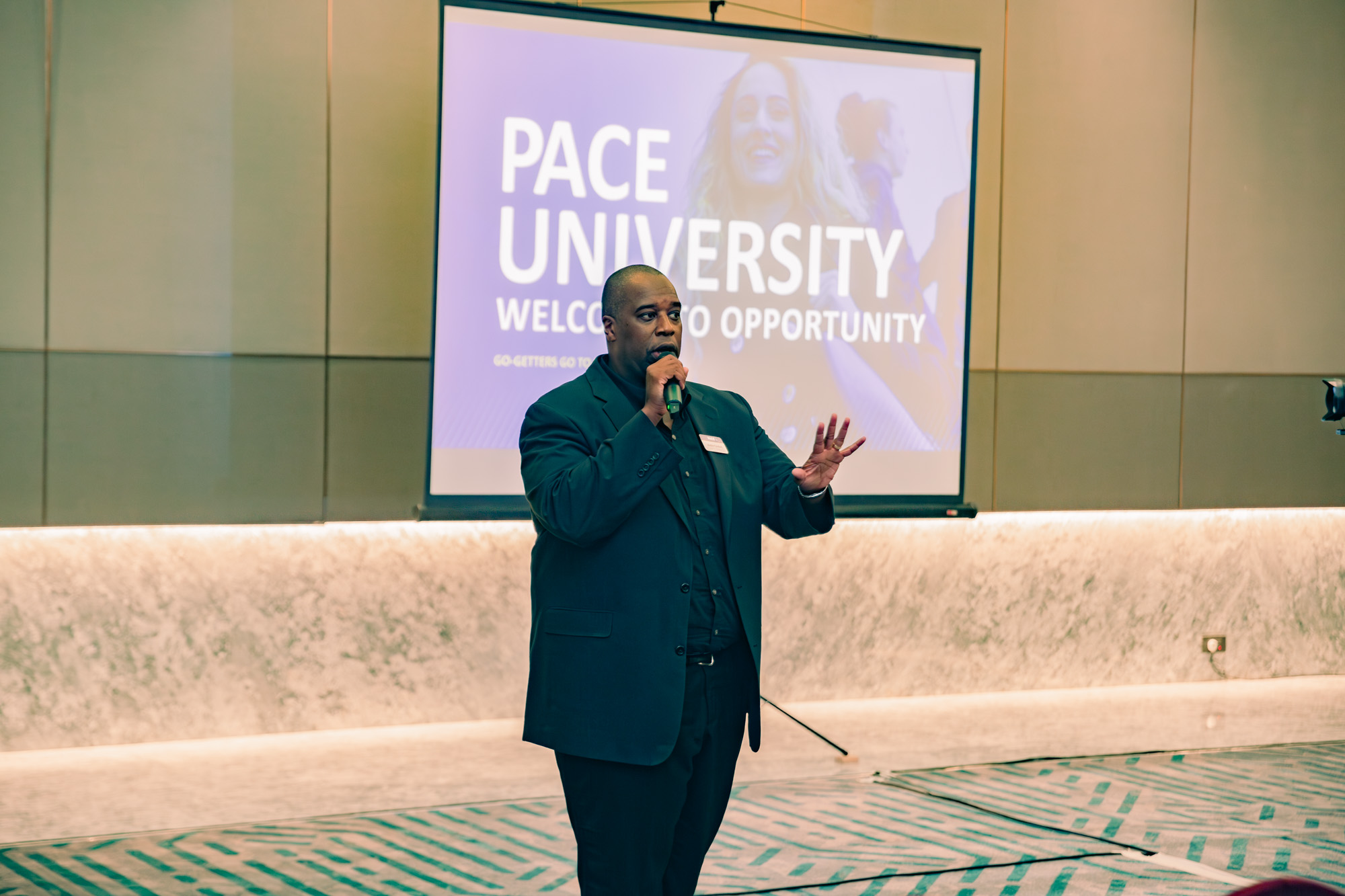
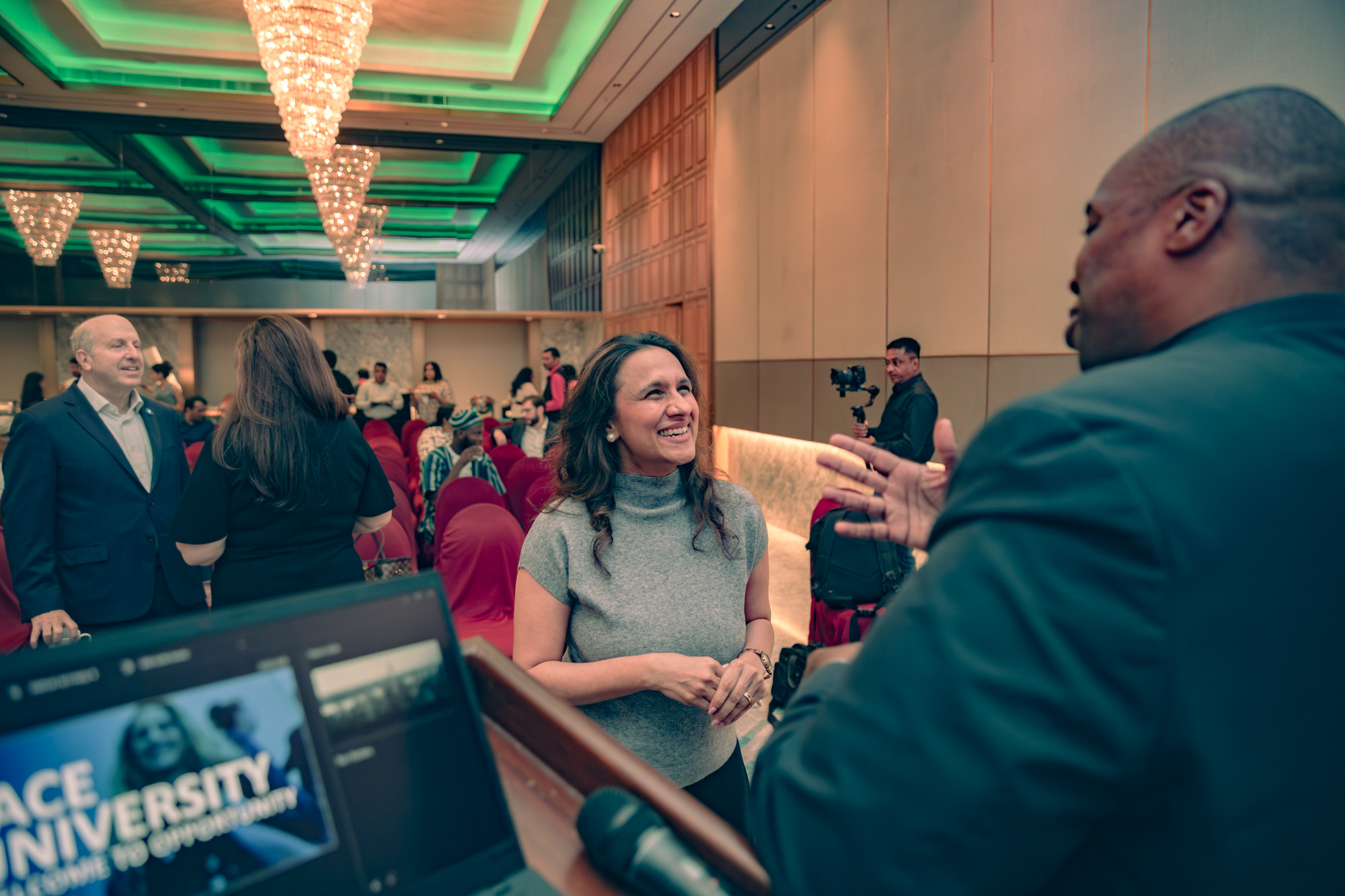
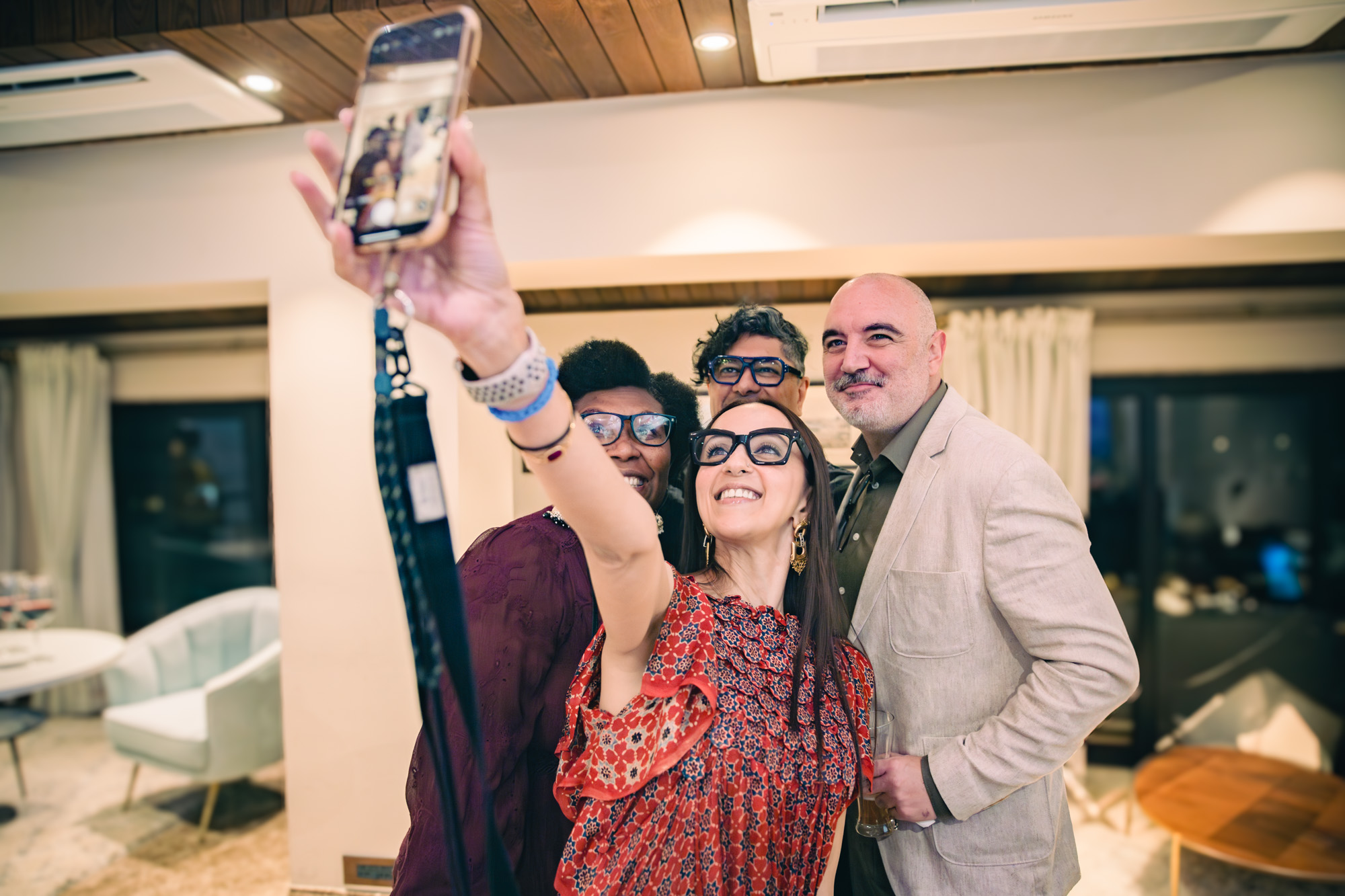
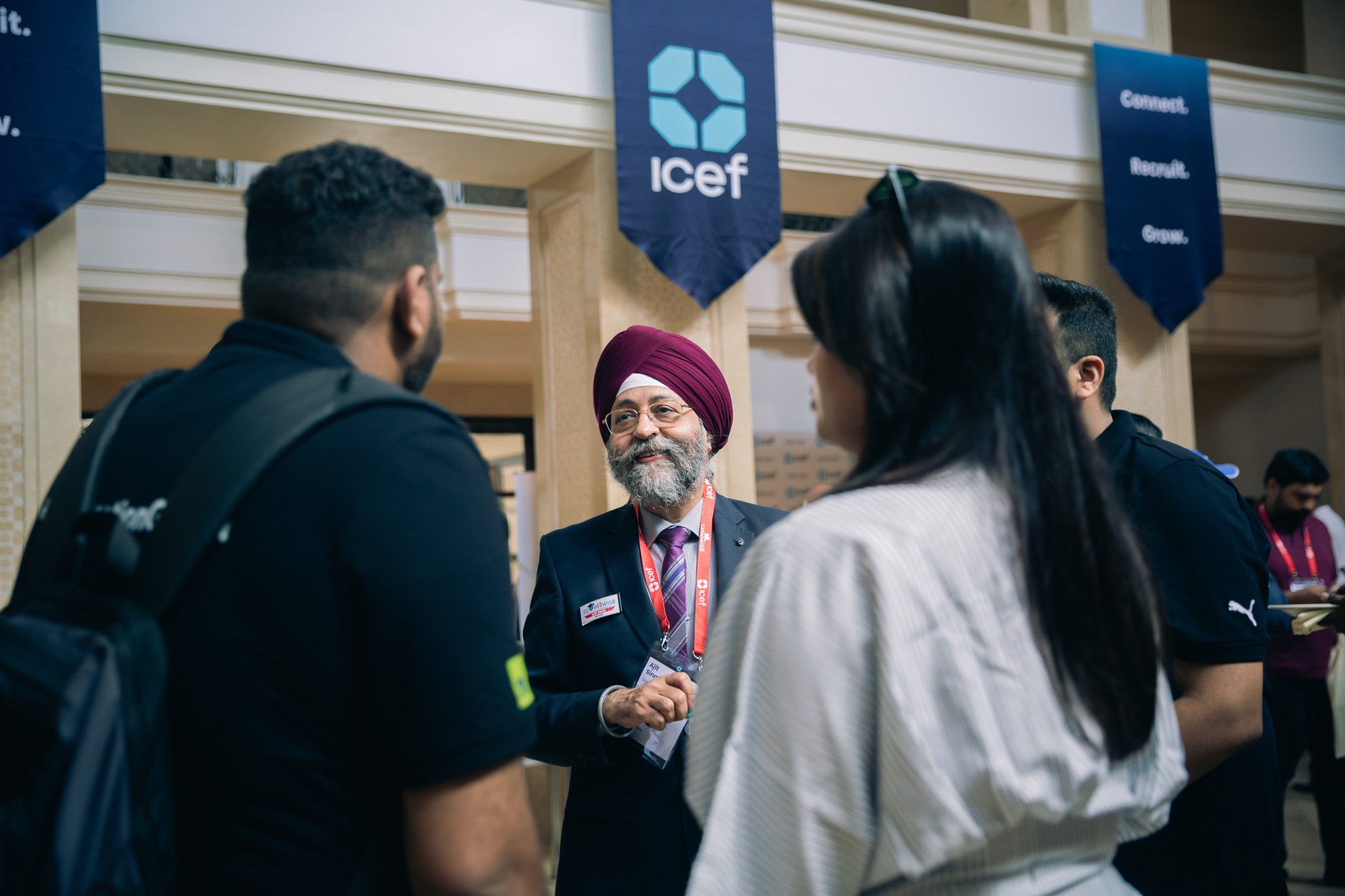
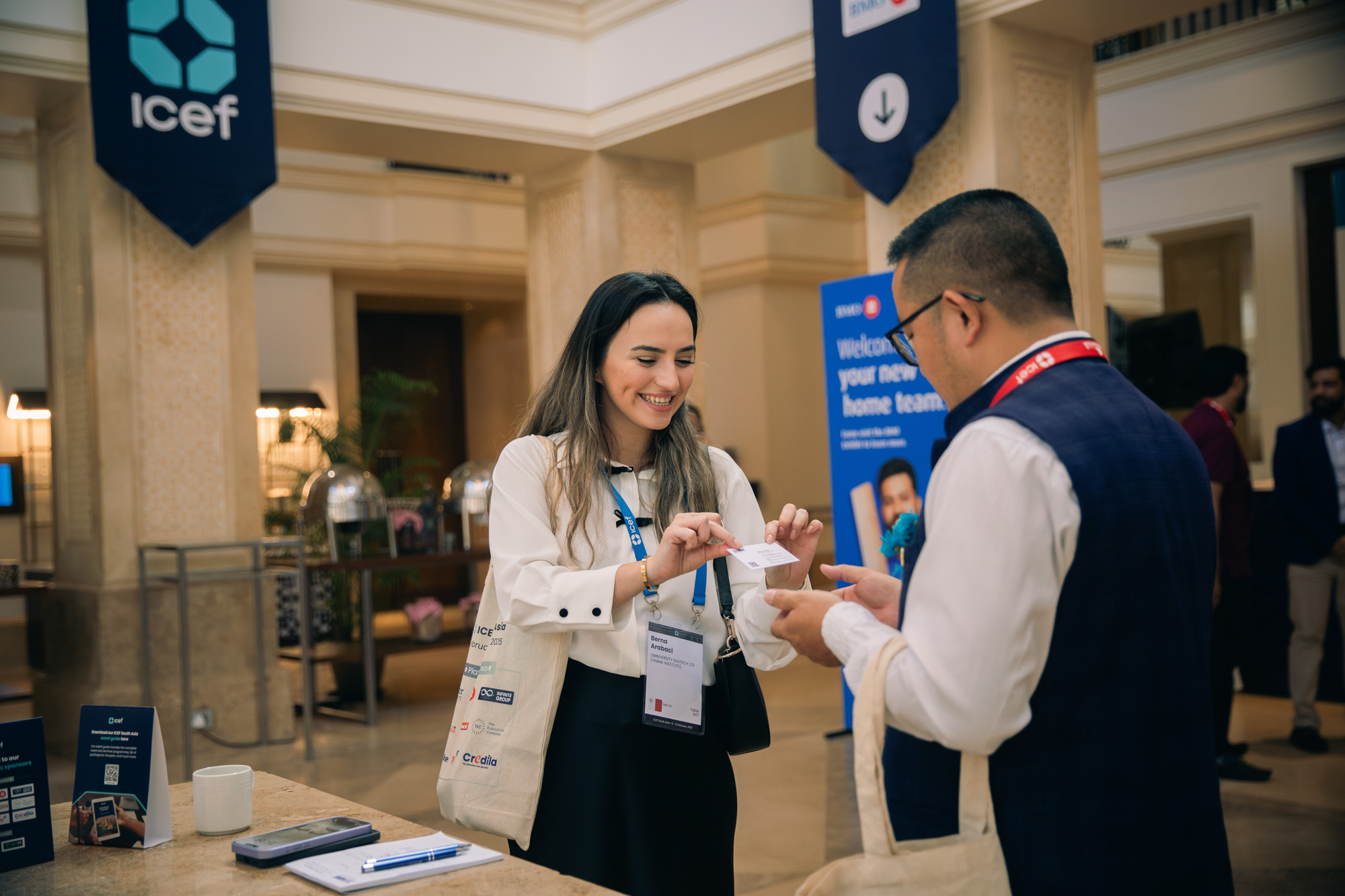
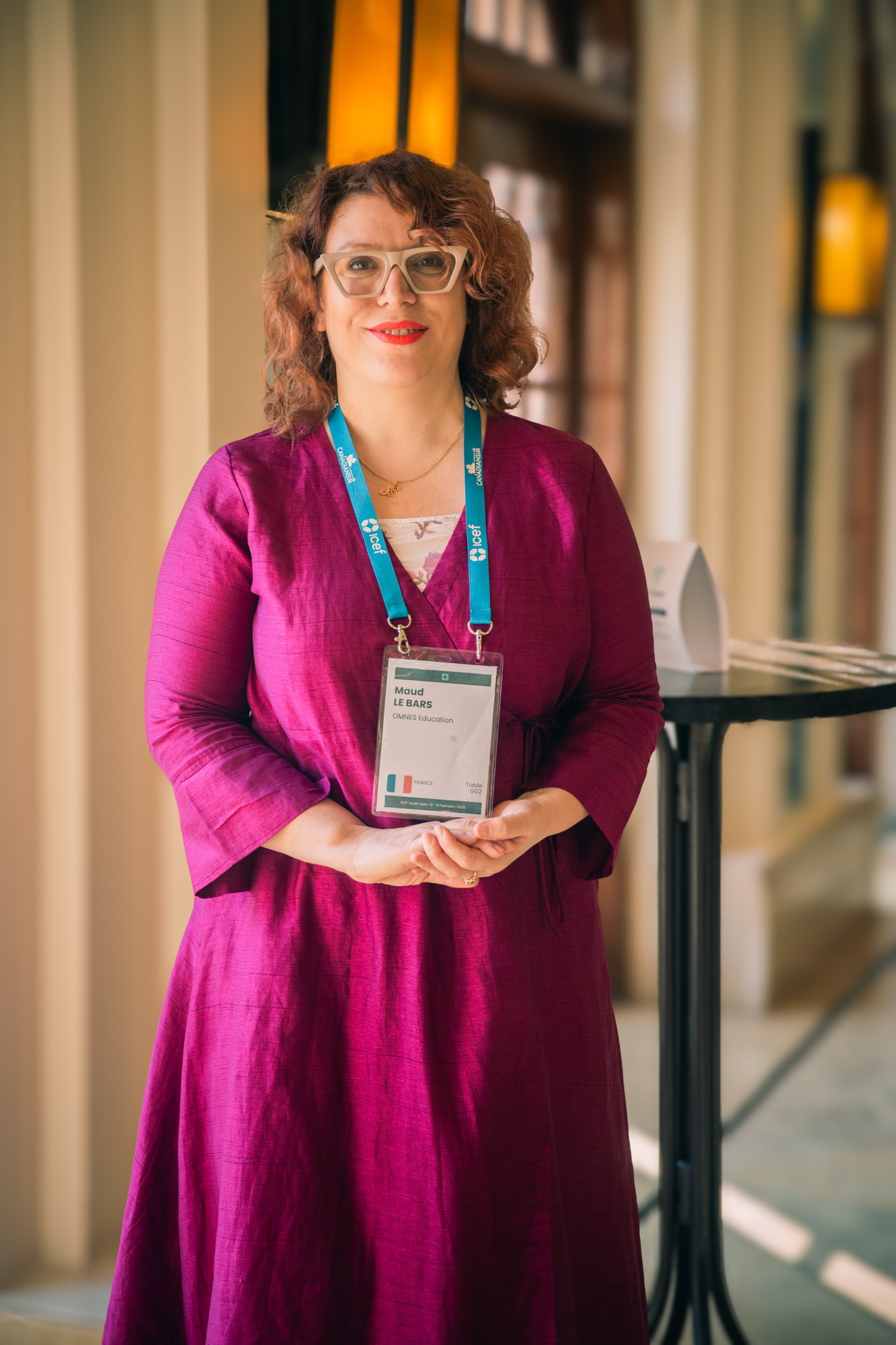
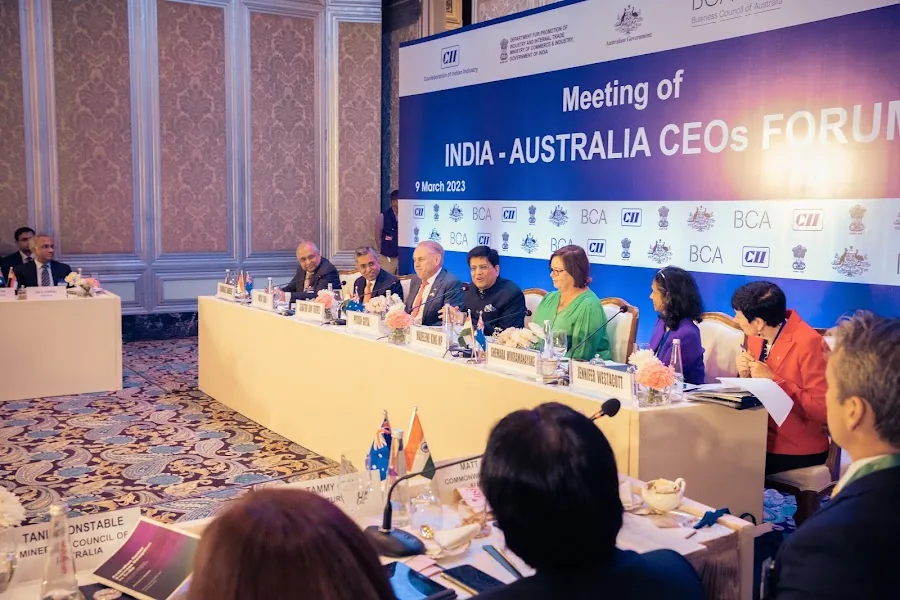
Visual proof block
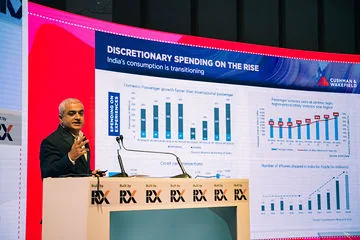
Show one story at two useful lengths.
Use a hero-film frame beside a vertical or short-form cutdown frame to demonstrate version planning.
TAT field note
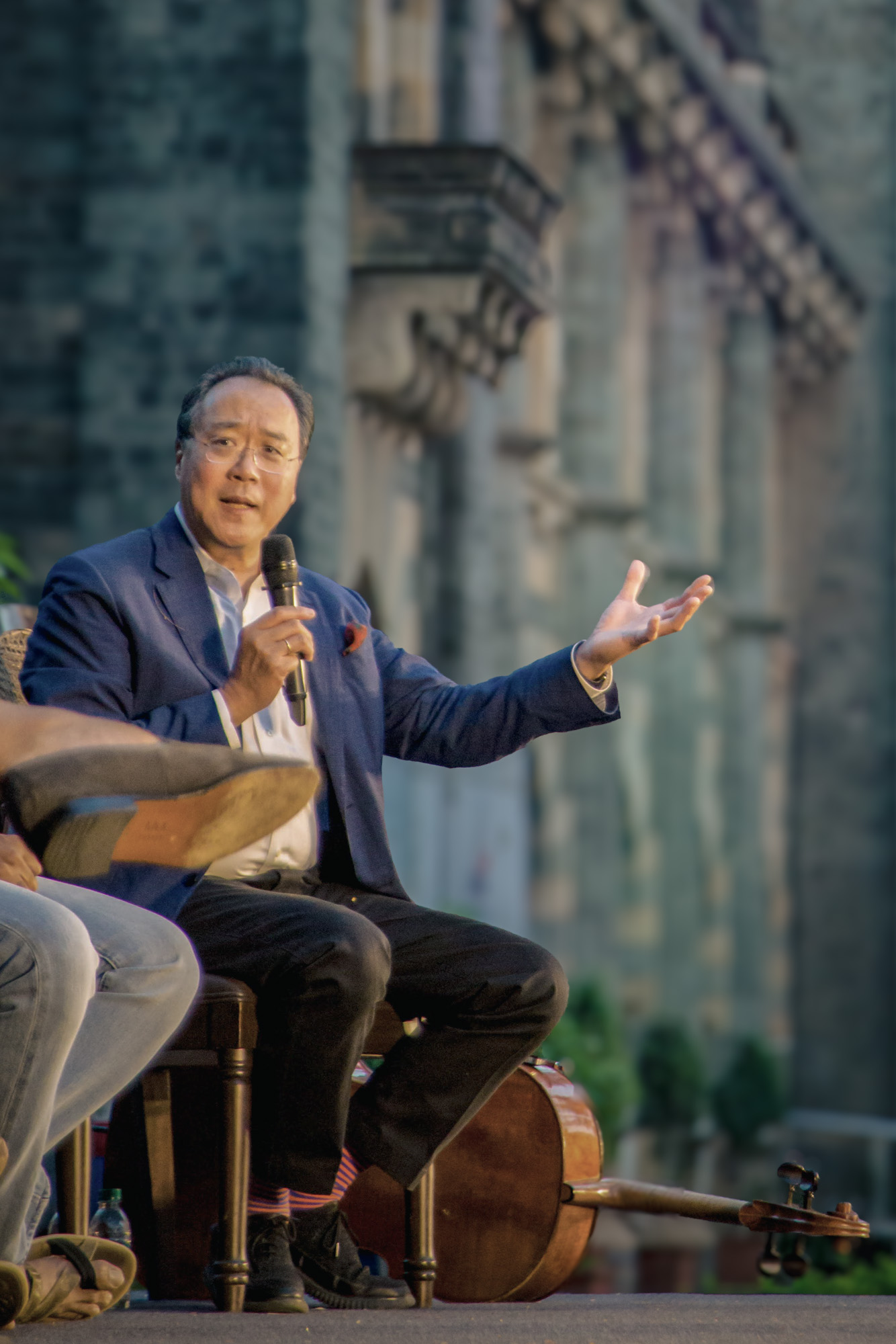
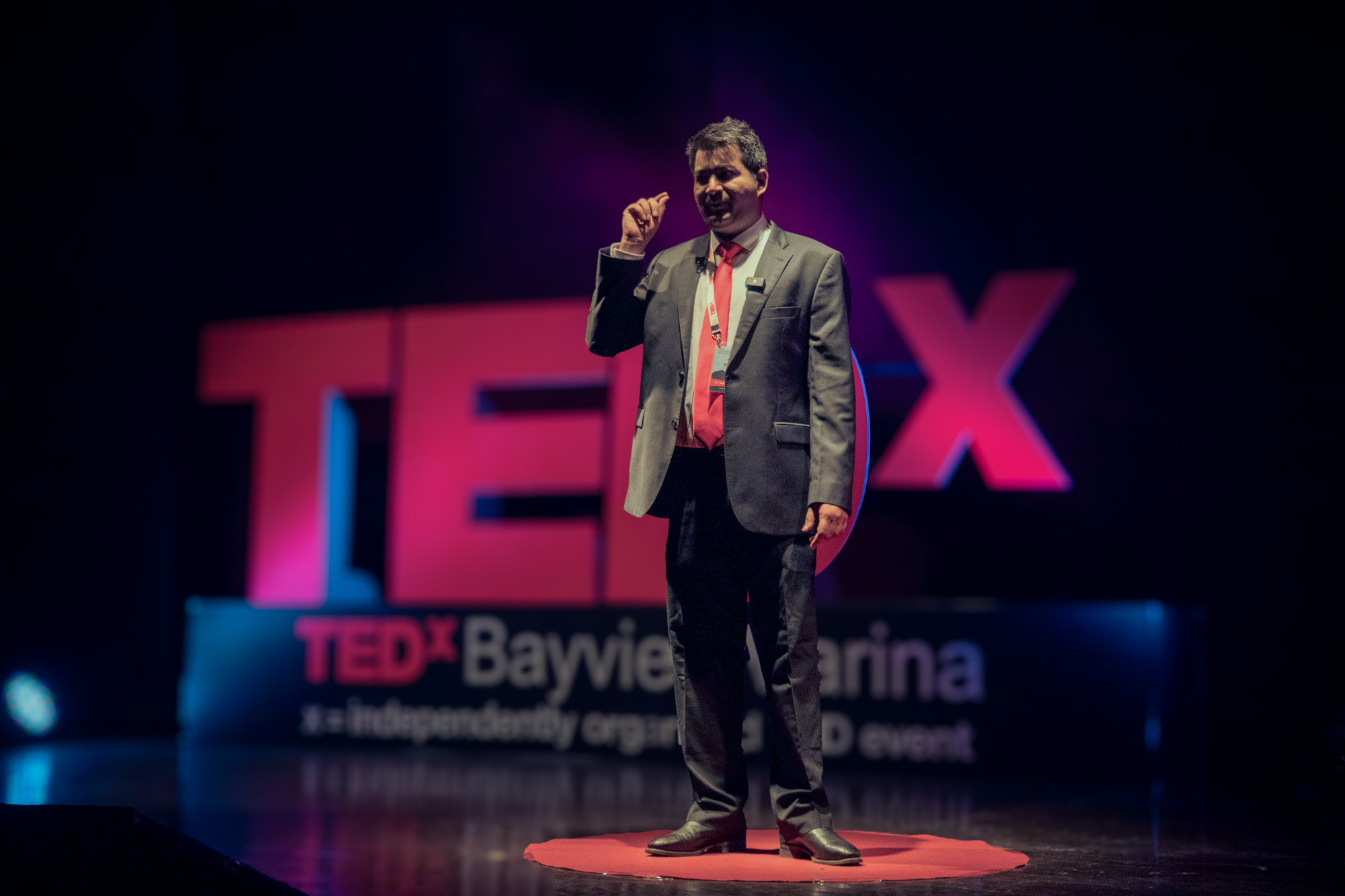
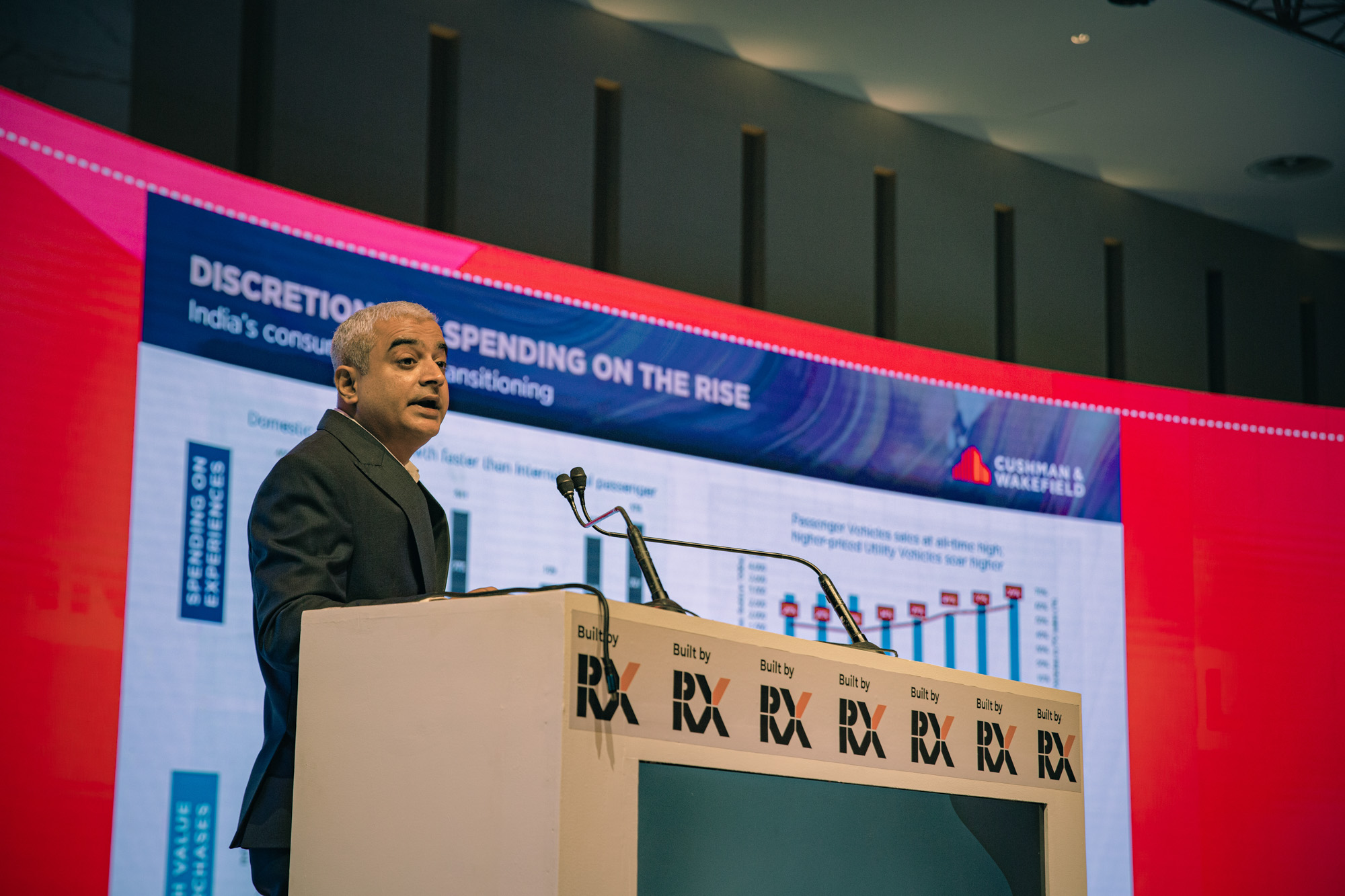
A TEDx talk and its promotional clip should coexist.
TAT’s TEDx work included complete talk videos. The full talk serves learning and speaker value; a short event or speaker cut can serve discovery.

The complete idea remains available to viewers who intentionally choose it.

A concise excerpt can establish relevance and direct viewers to the full content.
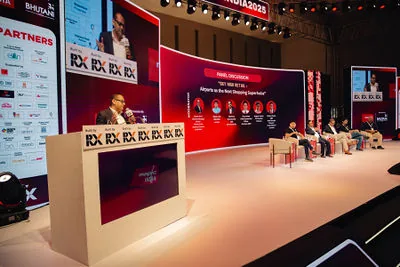
Do not destroy the long-form asset to create short-form performance; plan a ladder of versions.
Decision table
Choose a useful starting duration.
Treat these as editorial ranges, not platform laws.
| Video type | Useful starting length | Audience behaviour | Editing priority |
|---|---|---|---|
| Vertical social reel | 30–60 seconds | Low-context discovery | Hook, one idea, readable captions |
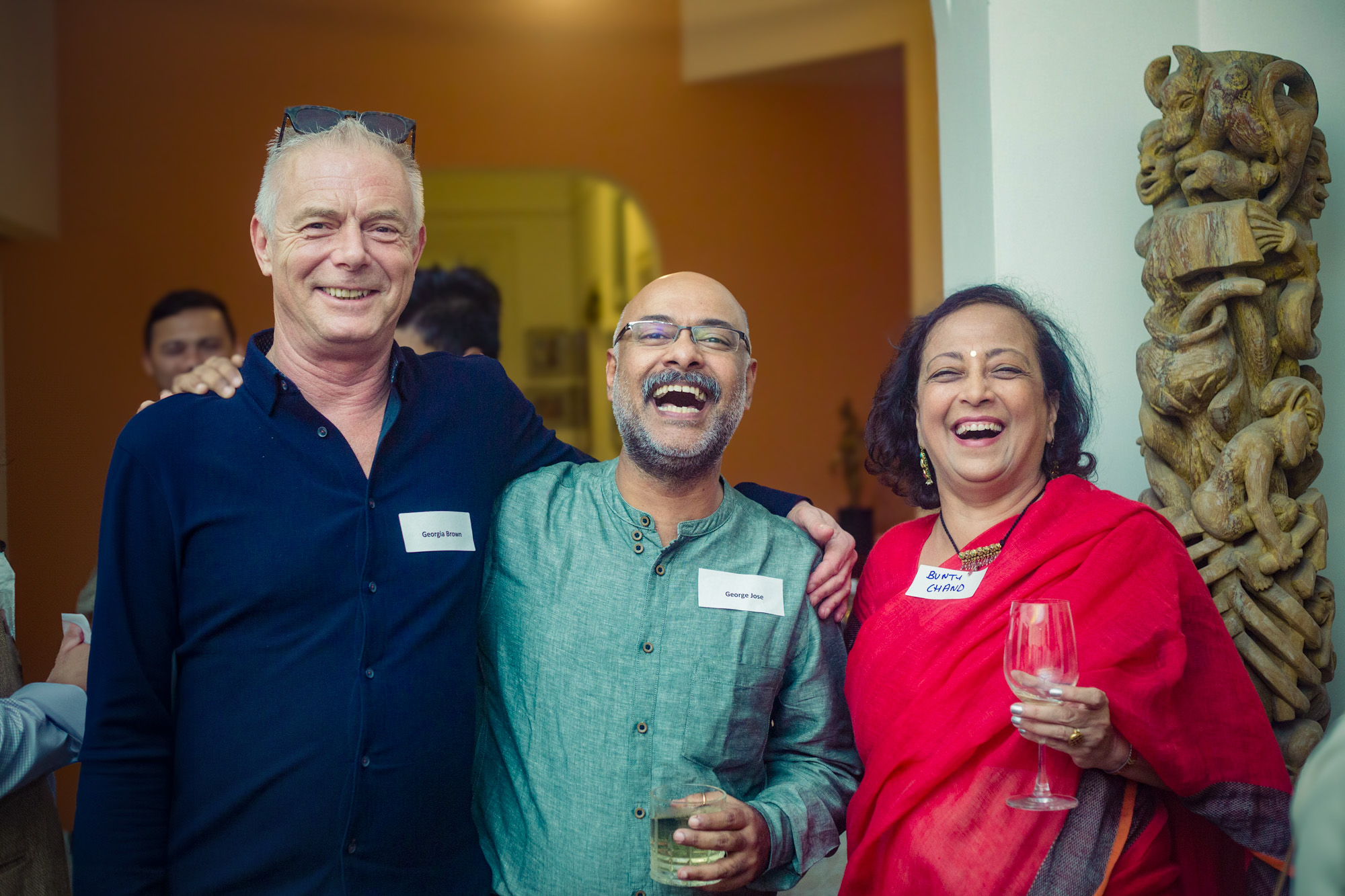
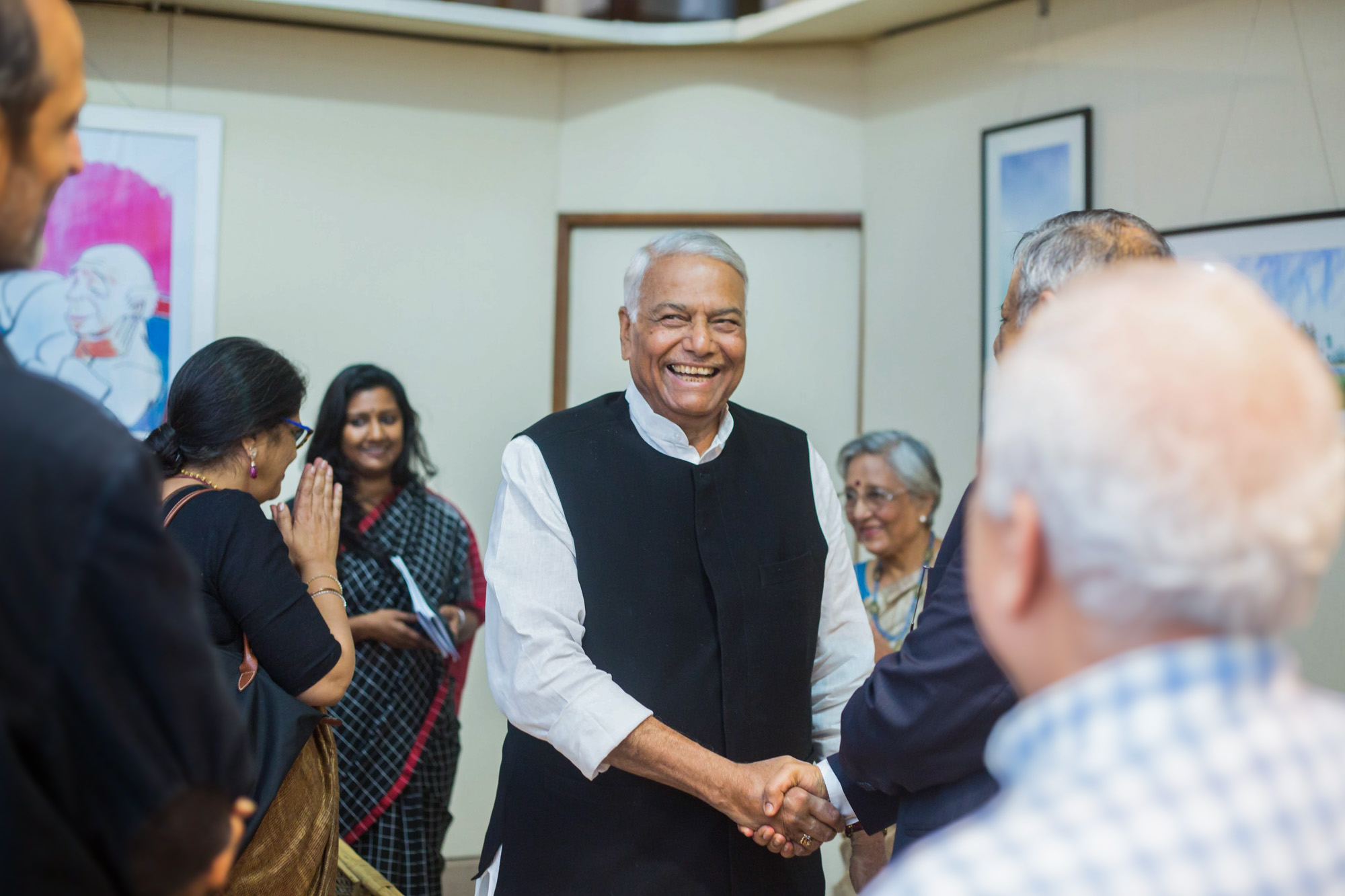
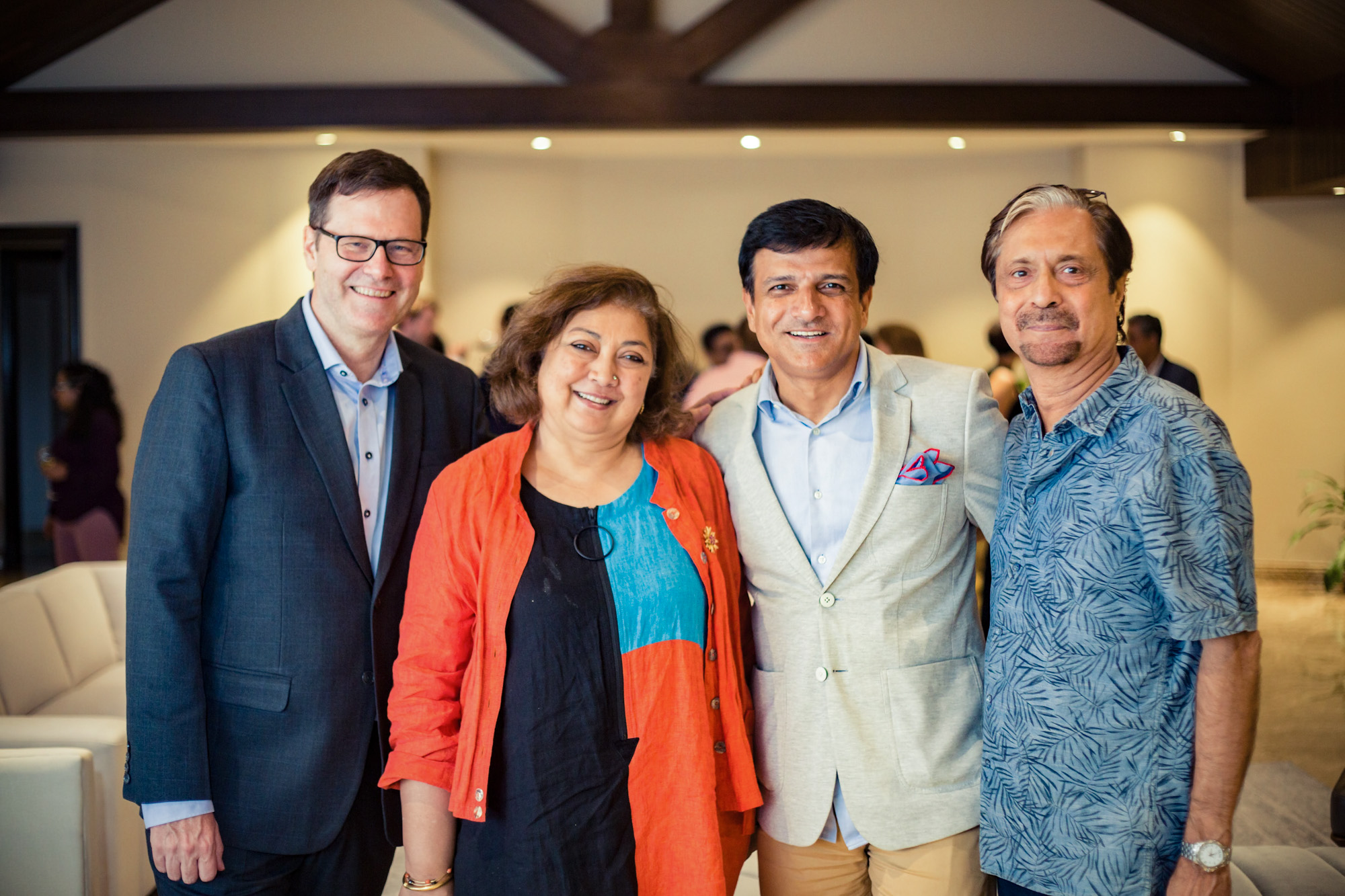
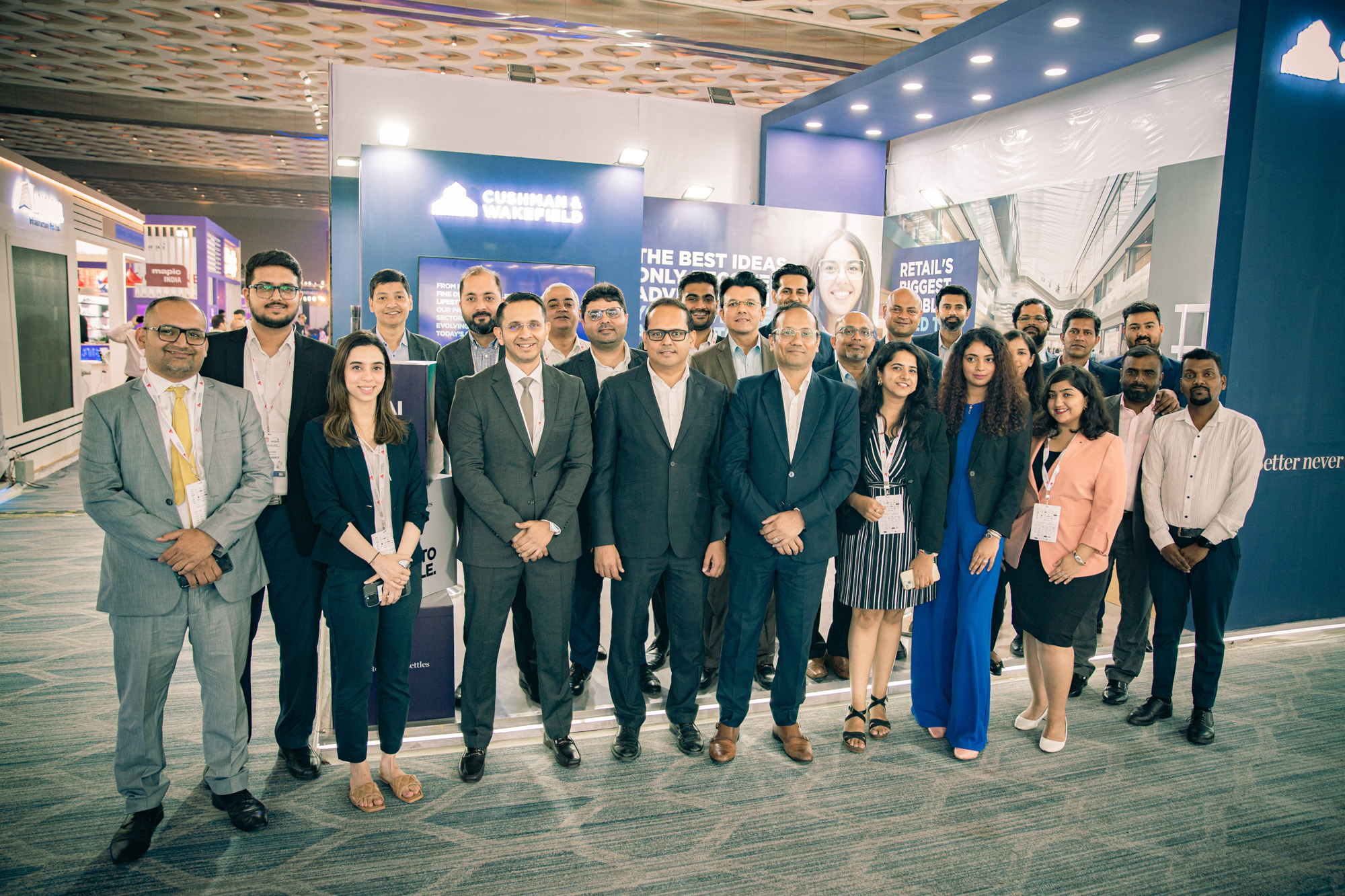
| Event highlight | 90 seconds–3 minutes | Recap and credibility | People, substance, atmosphere and brand |
| Testimonial / case study | 90 seconds–4 minutes | Active evaluation | Problem, decision, experience and proof |
| Website brand film | 2–5 minutes | Intentional research | Narrative clarity and visual identity |
| Leadership message | 2–8 minutes | Internal or stakeholder attention | Substance, clarity and chaptering |
| Full keynote/session | Programme duration | Chosen learning or archive | Continuity, audio and navigation |
Build a content ladder from one production.
Different lengths should have different jobs.

A short clip earns attention around one idea or moment.
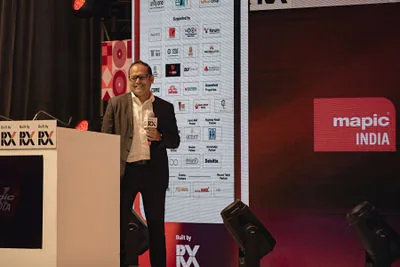
A focused film delivers the main narrative and proof.
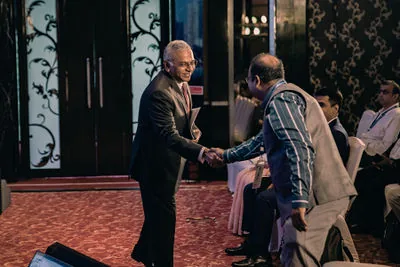
Full interview, session or extended case study serves high-intent viewers.
Continue planning
Related corporate video resources and services.
Use these pages to move from one production decision to the next without rebuilding the brief from scratch.
People Also Ask
Direct answers to the questions buyers usually ask.
The first sentence answers the question; the rest adds practical context.
01Is 60 seconds too short for a corporate video?
It is enough for one focused message or social asset, but often too short for a detailed testimonial, case study or multi-speaker event story.
02How long should a corporate event highlight be?
Many highlights work well between 90 seconds and three minutes, depending on programme substance, audience and distribution.
03How long should a client testimonial video be?
A focused testimonial is often 60 to 180 seconds. A deeper case study can extend to three or four minutes when the detail helps buyers.
04Do people watch five-minute corporate videos?
They do when they intentionally seek the information and the film remains useful. Viewer intent and structure matter more than a universal attention-span claim.
05Should the website and social media use the same video?
Usually create a horizontal or flexible hero version for the website and shorter vertical or feed-specific cuts for social platforms.
06Can a full keynote be cut into shorter clips?
Yes. Plan clean audio, speaker framing and topic markers so useful excerpts can be created without losing context.
Turn this planning question into a workable production brief.
Share the shoot date, location, audience, programme, required deliverables, interview needs and delivery deadline. We will recommend the smallest team that can execute it properly.
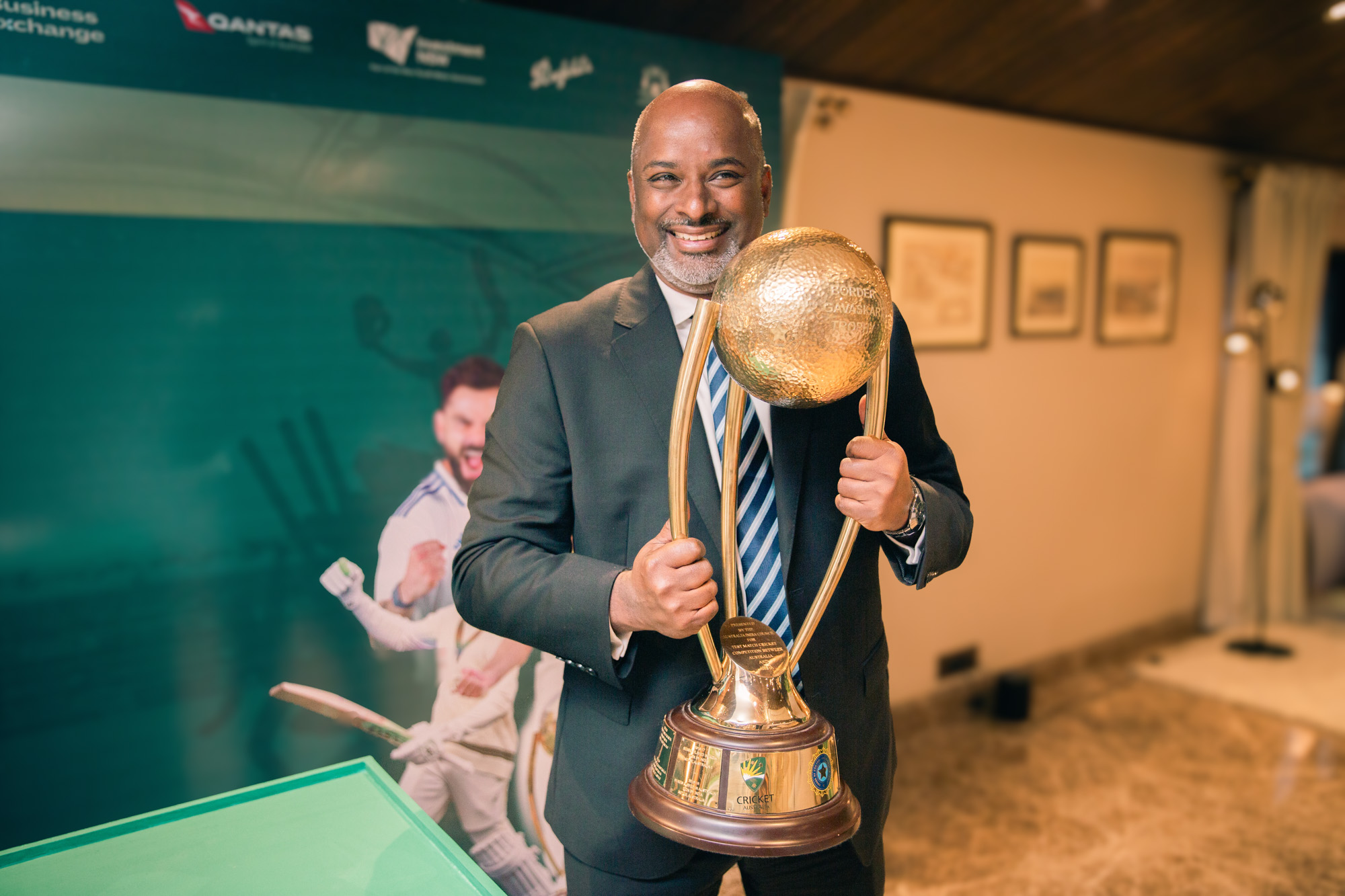
From global conferences to trade missions and corporate events across India.