
Pricing logic · High-stakes events
Why a 3-Hour VIP Event Can Be Harder Than a 6-Hour Corporate Event
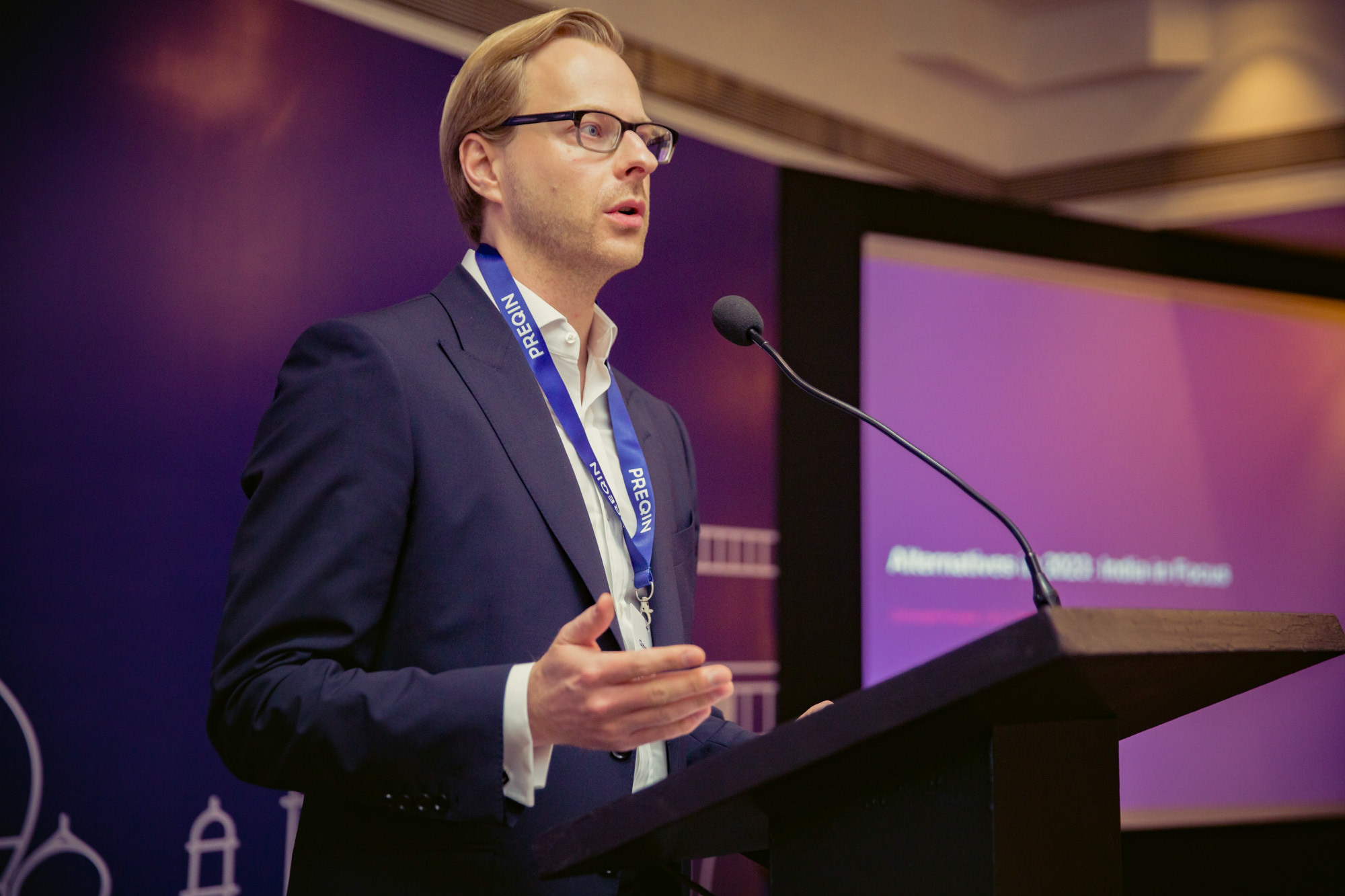
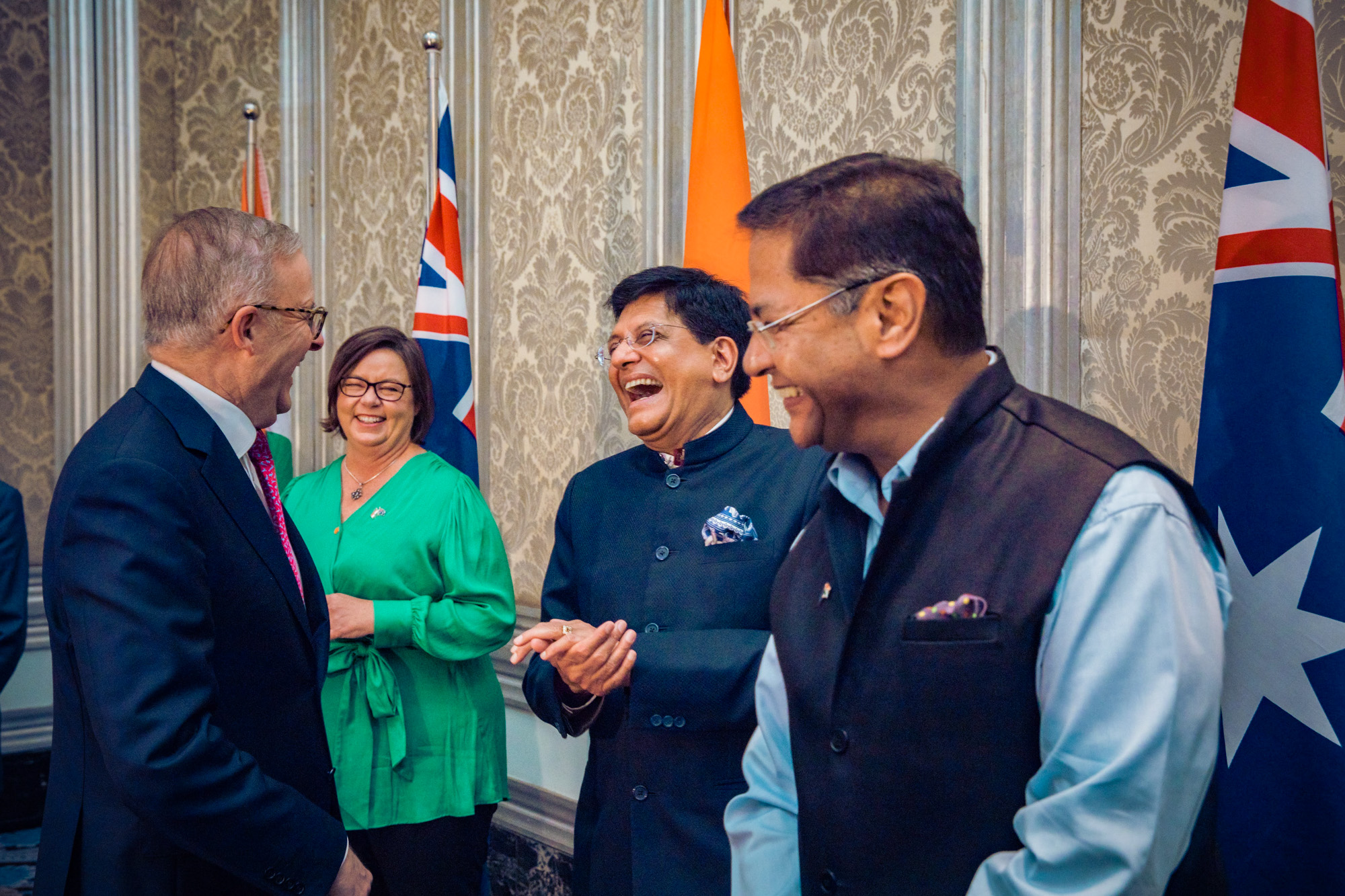
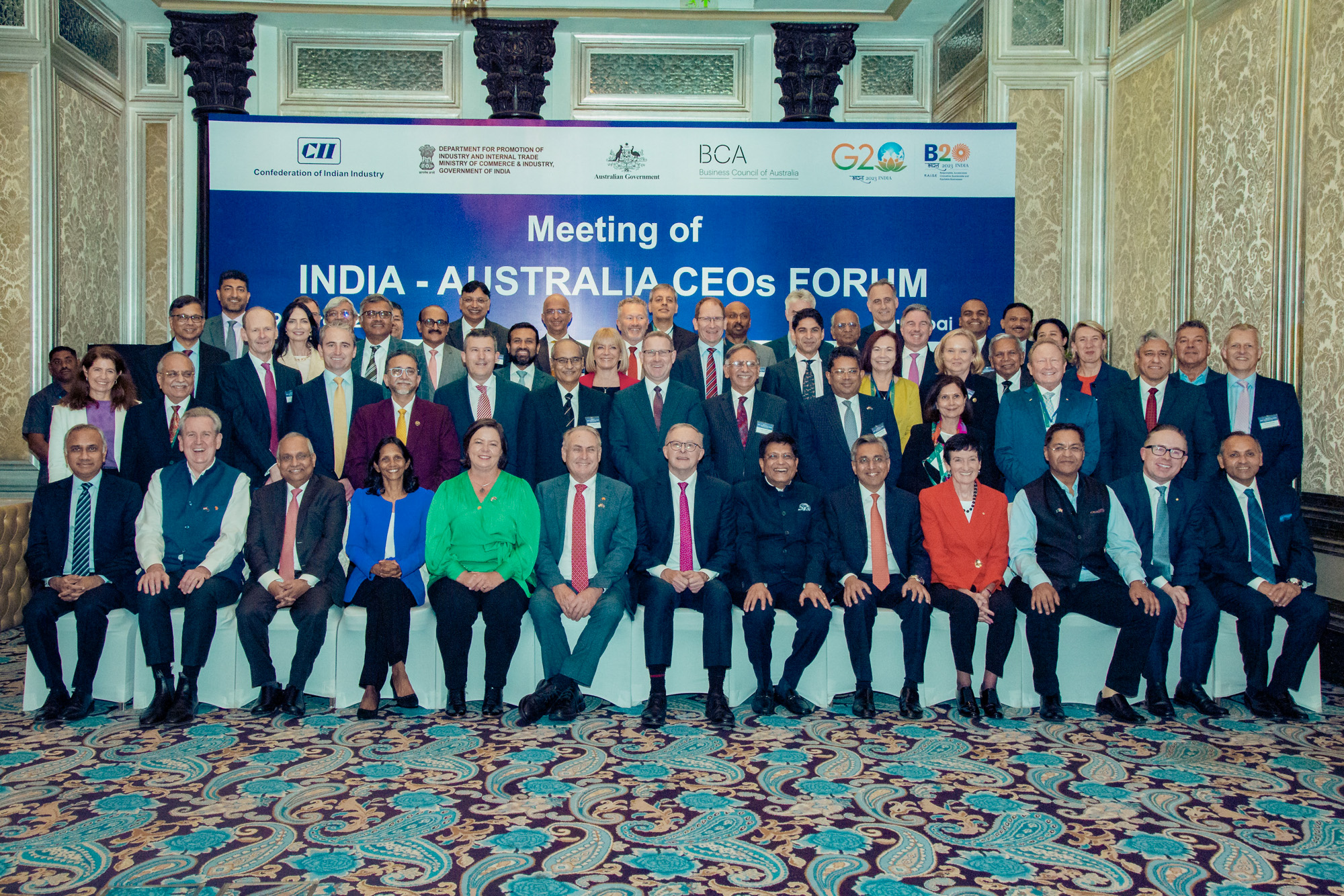
Three hours on the clock does not automatically mean a light assignment. A short room with ministers, investors, CEOs, press and immediate delivery can demand more preparation and concentration than a relaxed six-hour internal event.
What actually matters
The practical variables behind the answer.
This guide comes from the kind of operating decisions we keep running into on real corporate assignments, not from a generic photography checklist.
Stakeholder density
If every person matters, the photographer has far less room to miss a handshake, expression or arrival.
Access restrictions
Security, holding rooms, backstage rules and movement corridors change how much time is actually available to make each frame.
Immediate delivery
PR selects during or immediately after the event create a second workflow while coverage is still happening.
No second chances
A leadership arrival, award handover or official photograph may happen once and disappear in seconds.
A workable sequence
How we would think through it on an actual assignment.
Map the room
Who matters, where will they move, and which moments are publishable?
Size the team
Parallel priorities may justify another photographer even for a short event.
Plan delivery
Decide whether someone must edit while another person keeps shooting.
Cover decisively
Prioritise irreplaceable interactions before aesthetic variety.
Release carefully
Check names, context and image suitability before rapid distribution.
From the field
Hours are only one line in the brief
This is the part that tends to become obvious only after doing the work repeatedly.
We prefer quoting the assignment rather than pretending every event is an hourly commodity. Coverage time matters, but so do preparation, parallel rooms, important stakeholders, publication use, security and whether your communications team needs photographs before the event is over.
Decision table
A faster way to make the call.
| Brief | Operational load | Likely implication |
|---|---|---|
| 3-hour internal celebration | Low-to-medium | One photographer may be enough when everything happens in one room. |
| 3-hour VIP leadership event | High | May need stronger preparation, second coverage or rapid editing support. |
| 6-hour single-stage conference | Medium | Longer day, but predictable movement and one central programme. |
| 6-hour multi-room conference | Very high | Team size depends more on simultaneous sessions than total guest count. |
Related planning
Continue with the part of the brief you are solving next.
People also ask
Direct answers to the questions that usually follow.
01Why can a short VIP event cost more than a longer normal event?
Because the assignment may require more preparation, more experienced coverage, additional photographers or faster delivery even though the clock time is shorter.
02Does guest count decide how many photographers are needed?
Not by itself. Parallel sessions, VIP movement, required speaker coverage and the intended use of the images are often more important.
03When is a second photographer useful?
When two important things can happen at the same time, when stage and networking both need uninterrupted coverage, or when one photographer cannot leave a priority room.
04Do same-day photographs change the workflow?
Yes. Selection and editing have to happen while coverage is still active or immediately afterwards, which can require a different production setup.
05How should clients brief VIP events?
Share the agenda, names and photographs of priority stakeholders where possible, security restrictions, official group requirements, media deadlines and where the images will be published.
06Does Tell-a-Tale Studios photograph ministers and senior leadership?
Yes, TAT has experience in corporate, diplomatic and leadership environments where timing and discretion are central to the assignment.
Planning something similar?
Share the date, location, timings, people involved, intended usage and delivery expectations. We will suggest a realistic setup instead of forcing the brief into a generic package.