
Photography in the AI era
AI vs Real Corporate Headshots: When Is an AI Headshot Actually Enough?
AI headshots are not automatically bad. For some individual use cases they are fast, inexpensive and genuinely good enough. The question is where synthetic convenience stops solving the company’s actual communication problem.
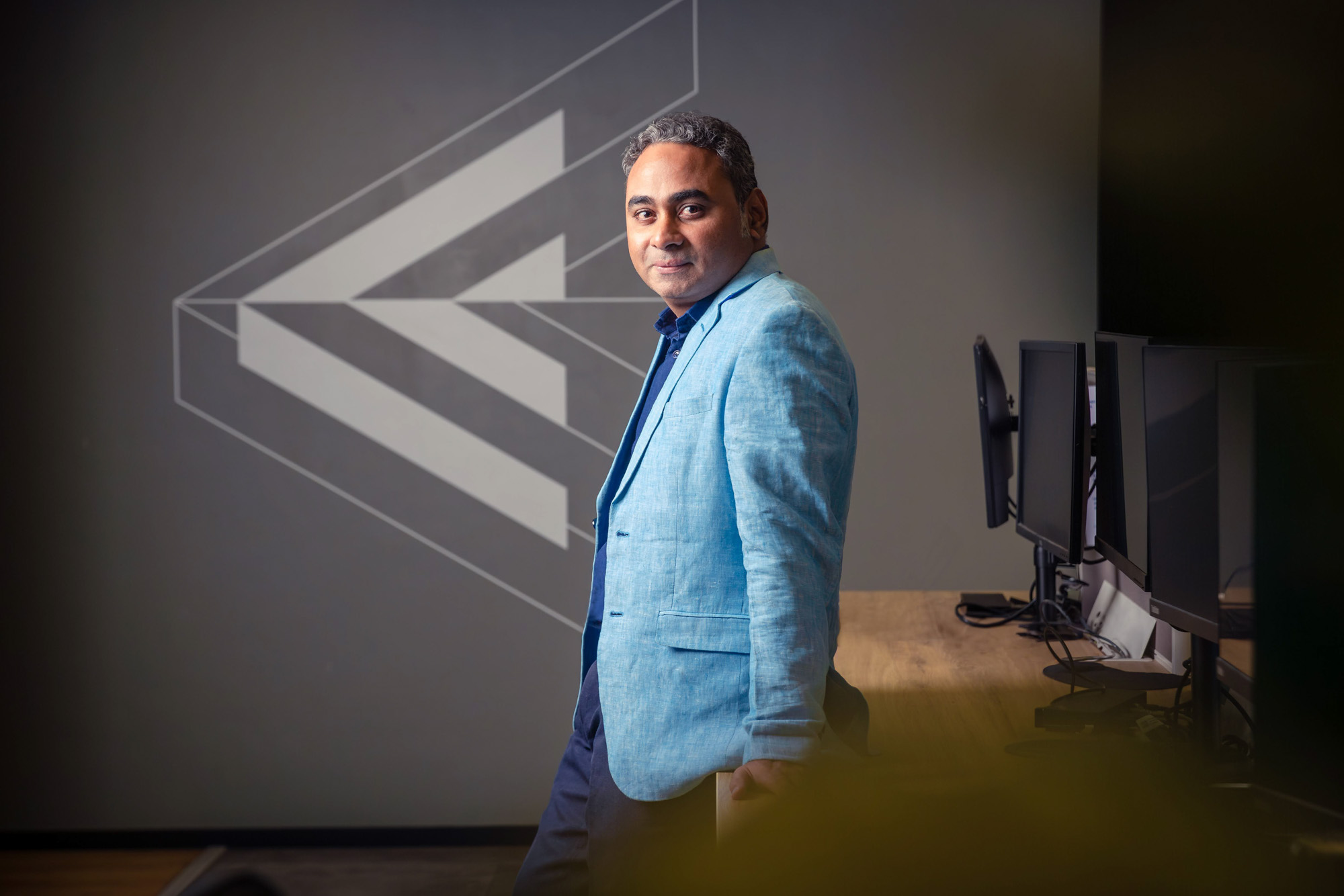
What actually matters
The practical variables behind the answer.
This guide comes from the kind of operating decisions we keep running into on real corporate assignments, not from a generic photography checklist.
AI is great at convenience
One person, one profile photo, limited budget and no need for a real environmental context can be a sensible AI use case.
Teams need consistency
A company library is more than 50 individually attractive faces. Lighting, crop, wardrobe and visual trust have to feel intentional together.
Leadership needs accuracy
Annual reports, media releases and appointment announcements carry more reputational weight than a casual profile image.
Real shoots create more assets
A photography day can produce headshots, environmental portraits, team images and workplace content in one controlled visual system.
A workable sequence
How we would think through it on an actual assignment.
Ask what the image is for
A personal LinkedIn refresh is not the same as an annual report.
Assess scale
One person and 100 employees have very different consistency requirements.
Assess trust
Would a synthetic or inaccurate detail create reputational risk?
Assess asset needs
Do you need only a face, or also workplace, team and brand context?
Choose the simplest valid solution
Use AI where it genuinely solves the job; use photography where reality is part of the value.
From the field
We would rather acknowledge the shift than pretend it is not happening
This is the part that tends to become obvious only after doing the work repeatedly.
We have seen parts of the low-end profile-photo market get squeezed because a person can now upload a selfie and generate something polished. At the same time, companies still need real leadership, office and brand imagery when accuracy, consistency and actual context matter. Those are different markets.
Decision table
A faster way to make the call.
| Use case | AI may be enough | Real photography stronger when… |
|---|---|---|
| Individual LinkedIn photo | Yes, for speed and convenience | You need accurate professional representation or multiple real looks. |
| 50-person employee directory | Possible, but inconsistent source selfies create problems | The company wants one coherent image library. |
| CEO announcement | Higher risk | The image is going to press, annual reports or investor communication. |
| Employer branding | Limited | You need real people, workplace and culture context. |
| Speaker profile | Sometimes | The event or organisation needs a current, truthful portrait. |
Related planning
Continue with the part of the brief you are solving next.
People also ask
Direct answers to the questions that usually follow.
01Are AI headshots good enough for LinkedIn?
For many individuals, yes. If the goal is simply a polished profile image and the generated result remains recognisably accurate, AI can be a practical option.
02Why would a company still book real headshots?
Consistency, accuracy, brand control and the ability to create a complete image library across many people are difficult to solve from unrelated selfies.
03Are AI headshots suitable for annual reports?
We would be cautious. Annual reports and leadership communication benefit from current, accurate and defensible imagery, particularly for senior executives and boards.
04Can AI and real photography be used together?
Yes, but define where each belongs. Synthetic profile images and documentary workplace photography have different trust expectations.
05Will AI replace corporate photographers?
It will likely reduce some simple portrait demand while increasing the value of photography that depends on real access, real people, real environments and complex event timing.
06How can companies make a real headshot day more efficient?
Use a repeatable setup, tethering, clear scheduling, employee preparation and a defined image count rather than overcomplicating each portrait.
Planning something similar?
Share the date, location, timings, people involved, intended usage and delivery expectations. We will suggest a realistic setup instead of forcing the brief into a generic package.