
Crew planning · corporate production
The right crew is the smallest team that can cover every responsibility without gambling the result.
Choose crew size by simultaneous action, audio, continuity, interview needs, lighting and delivery—not by guest count alone.
A one-camera interview, a two-camera panel, a three-room conference and a scripted brand film need different role combinations even when their final videos are similar in length.
Crew logic
Camera count is only one part of production capacity.
Each person should have a defined responsibility and handoff.
Solo operator
Best for controlled, low-complexity capture with one clear priority at a time.
Two-camera unit
Protects continuity, alternate angles and stage-plus-reaction coverage.
Expanded event team
Adds room ownership, interview setup, audio support or central production coordination.
Shoot + edit unit
Keeps capture active while an editor ingests, selects and assembles priority content.
Avoid false economy
Four signs the proposed crew is too small.
These failures usually appear after the moment has passed.
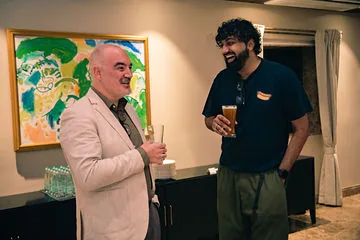
One camera, two priorities
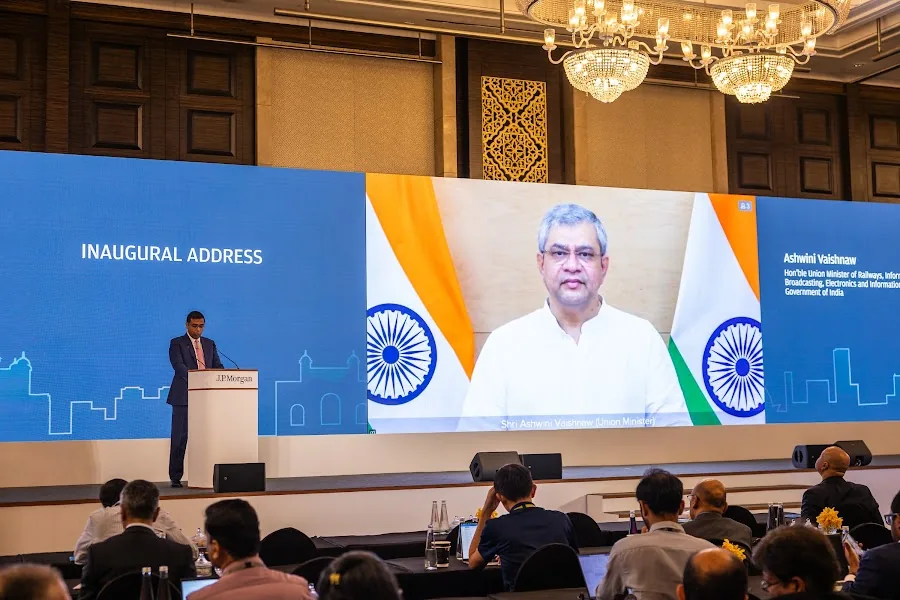
A continuous keynote cannot be protected while the operator leaves for reactions or networking.
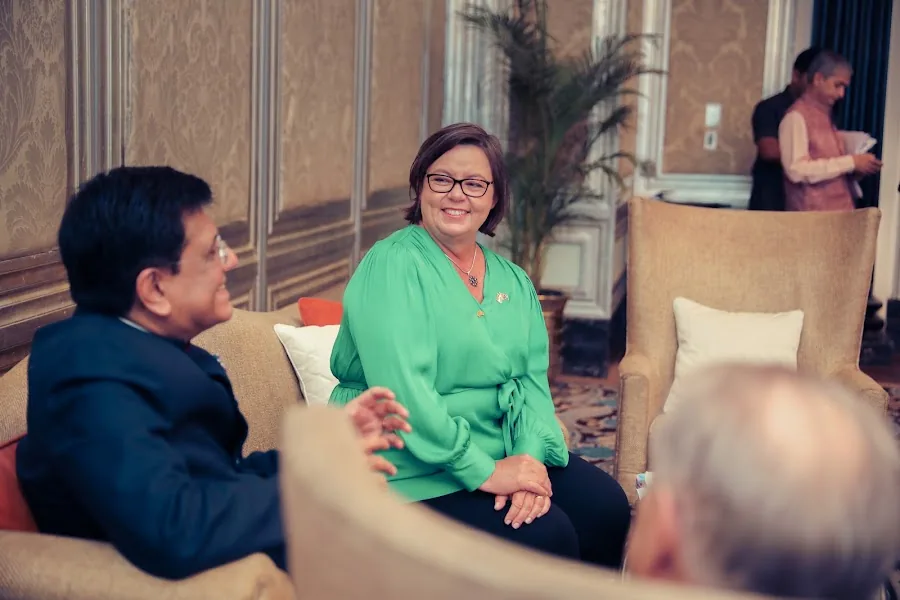
No audio owner
A beautiful interview with unusable sound is not a usable interview.

No room allocation
Overlapping sessions become a race between spaces instead of planned coverage.
Same-day edit, no editor
The camera team cannot shoot continuously and produce a polished reel at the same time.

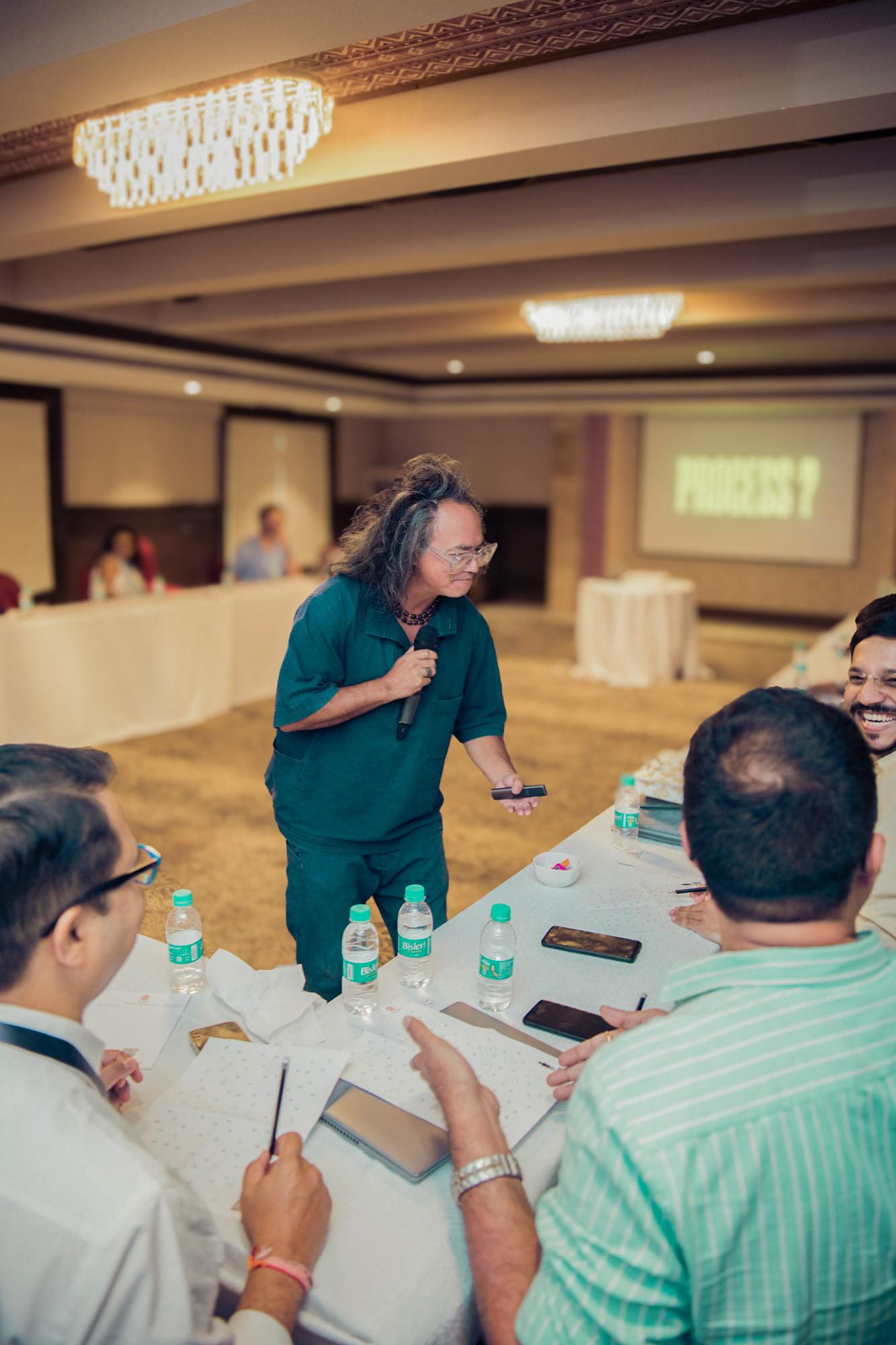
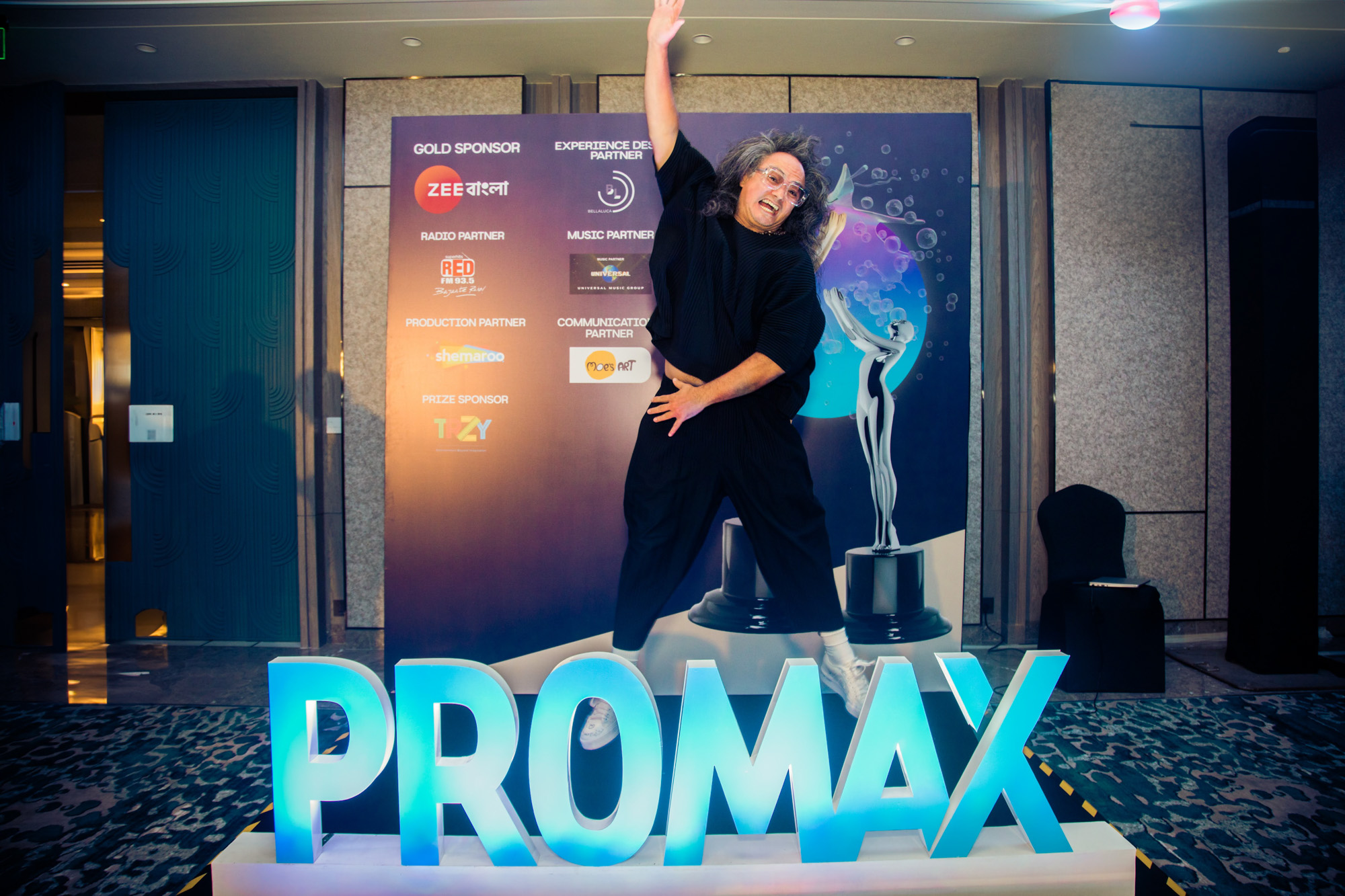
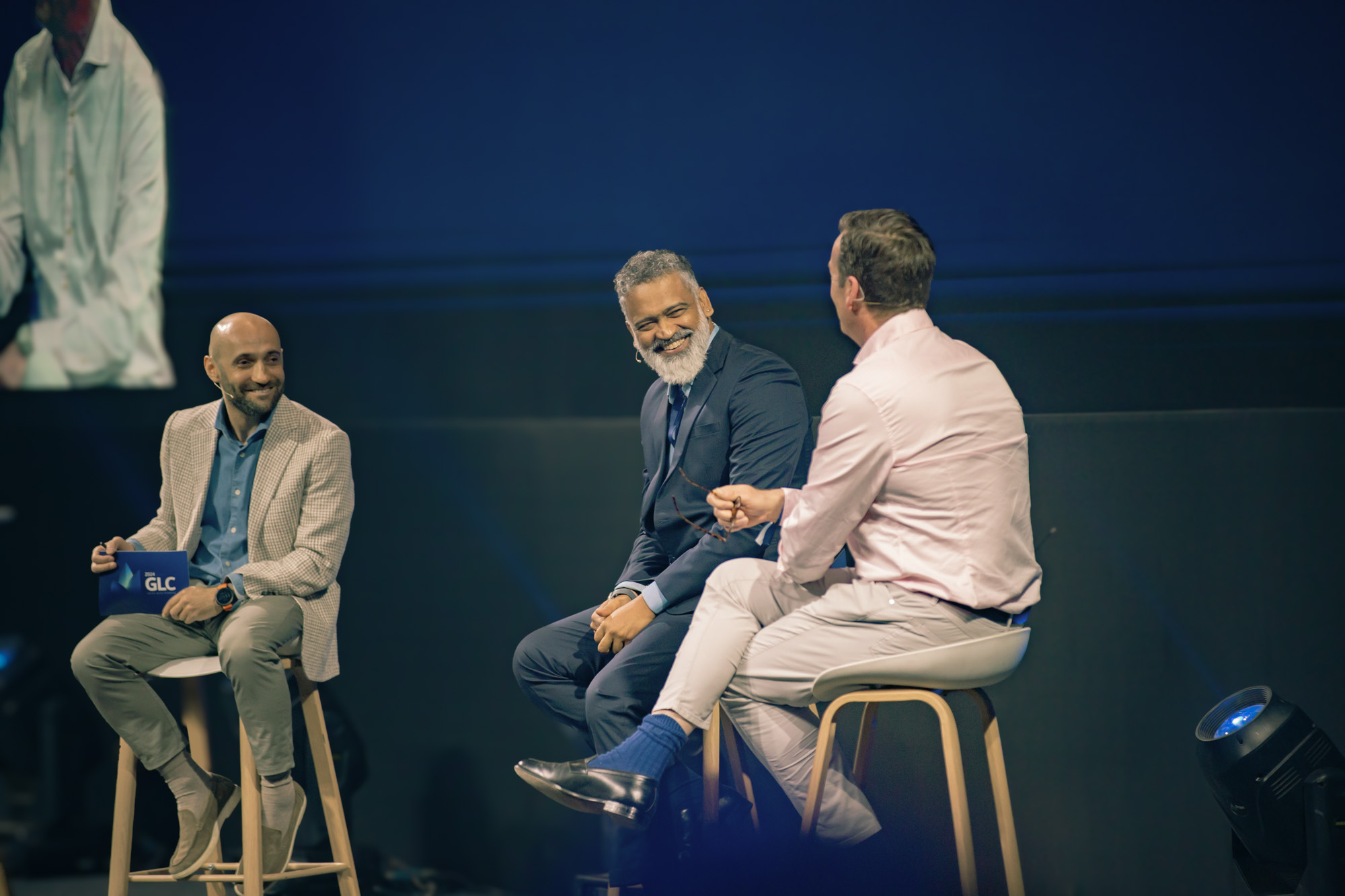
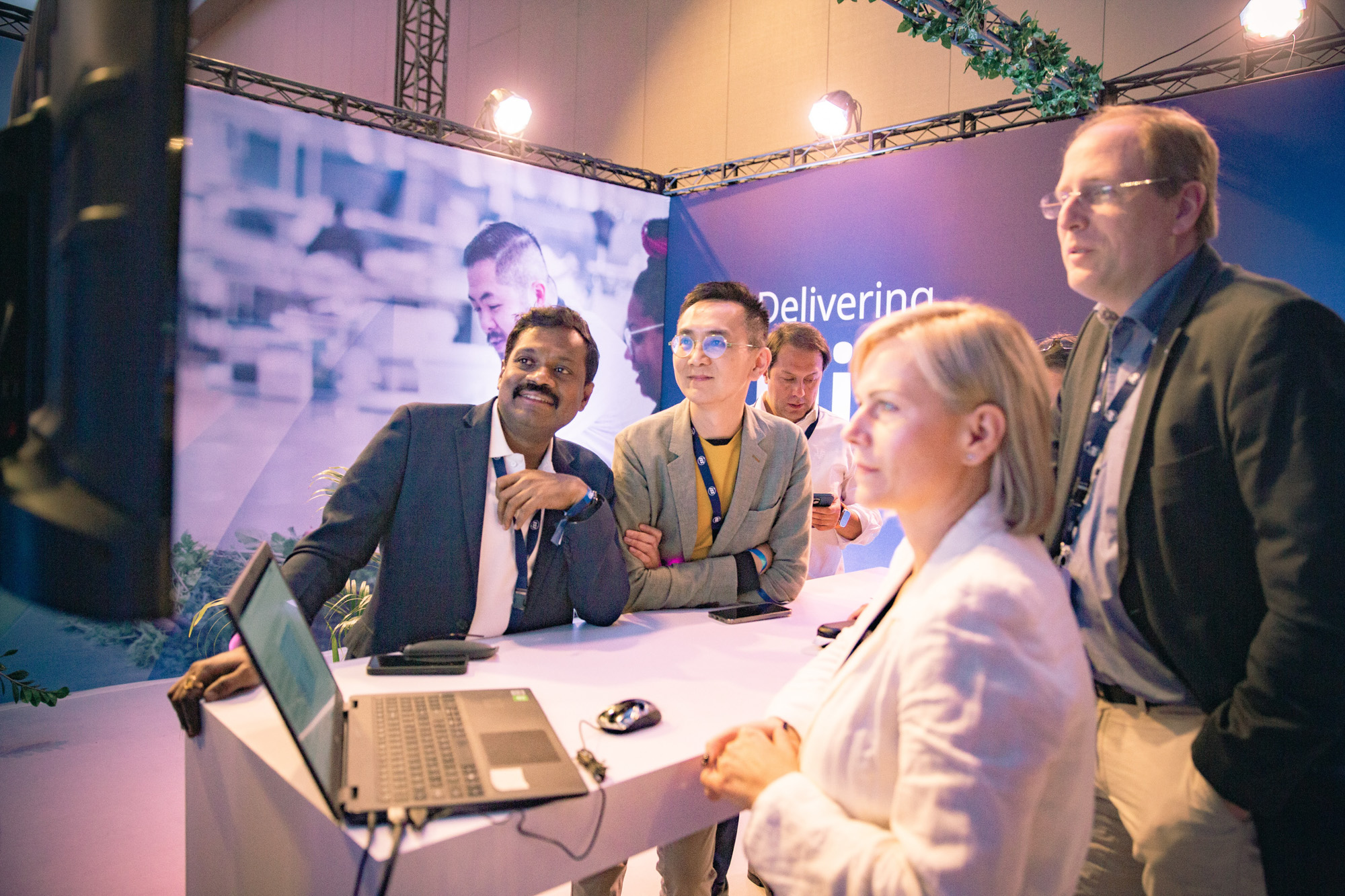

The useful answer
How many videographers should a corporate shoot have?
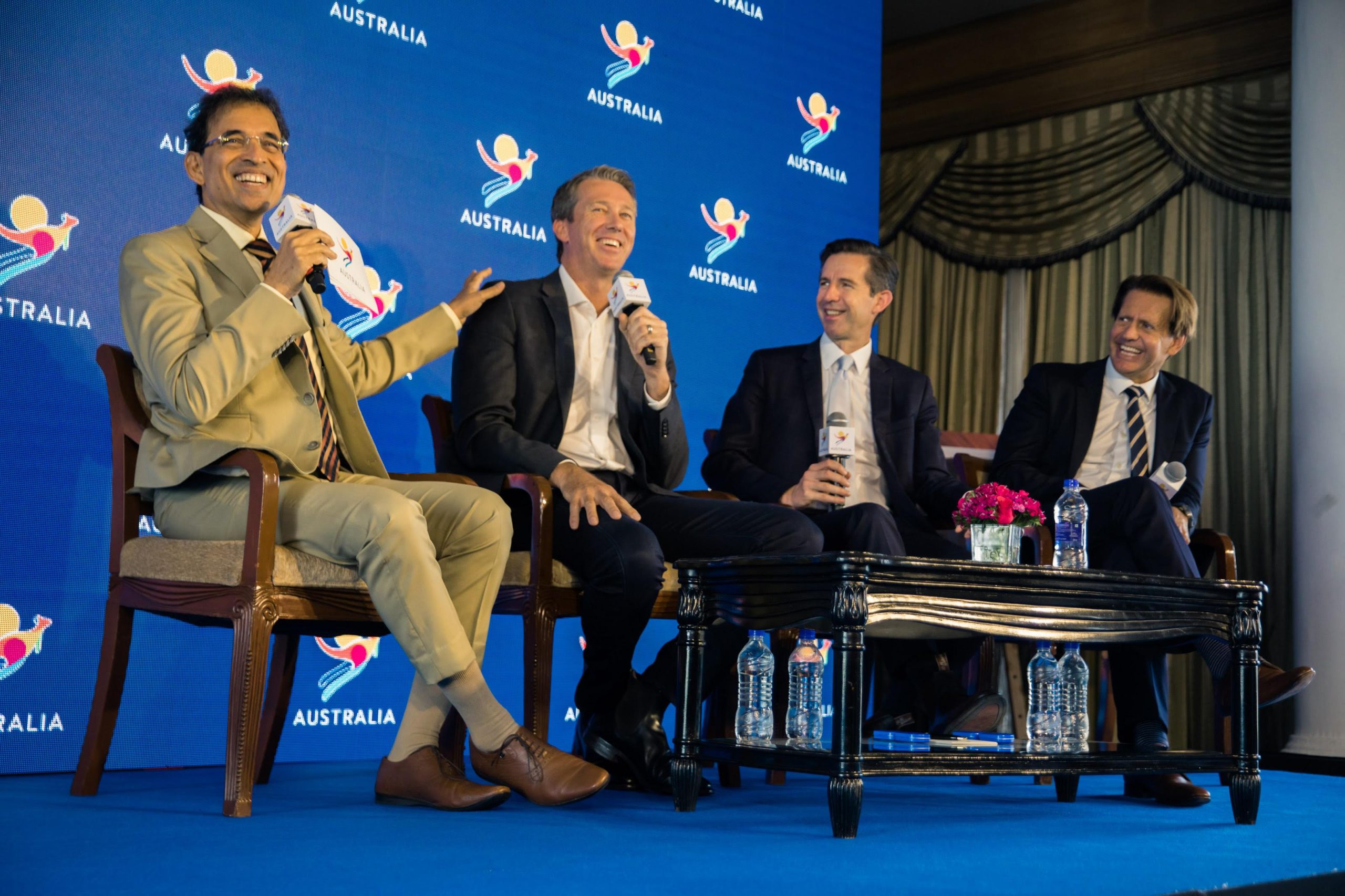
Use one cinematographer for a controlled single-priority shoot, two for panels or active events, and one dedicated camera responsibility per simultaneous room or critical stream.
Add specialist audio, production, teleprompter, lighting or onsite editing when the brief requires it. A good proposal should explain what each crew member protects, not simply list headcount.
Crew-sizing framework
Map the programme before assigning people.
This five-step method prevents both under-crewing and unnecessary staffing.
Mark must-record items
Identify speeches, sessions, interviews or demonstrations that cannot be repeated.
Draw overlaps
Place simultaneous rooms, networking, portraits and interview windows on one schedule.
Assign camera roles
Give each camera a clear primary responsibility and safe handoff plan.
Assign sound & data
Name who owns feeds, microphones, backups, cards and file transfers.
Stress-test breaks
Check setup moves, meals, battery changes, travel and same-day edit timing.
Visual proof block
Show role separation, not a lineup of gear.
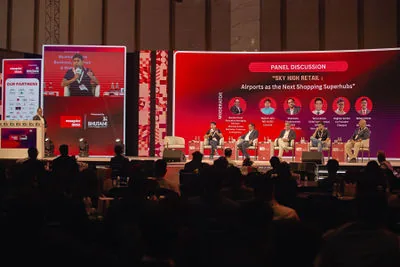
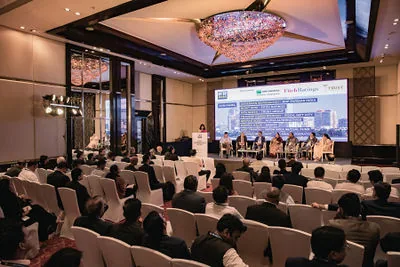
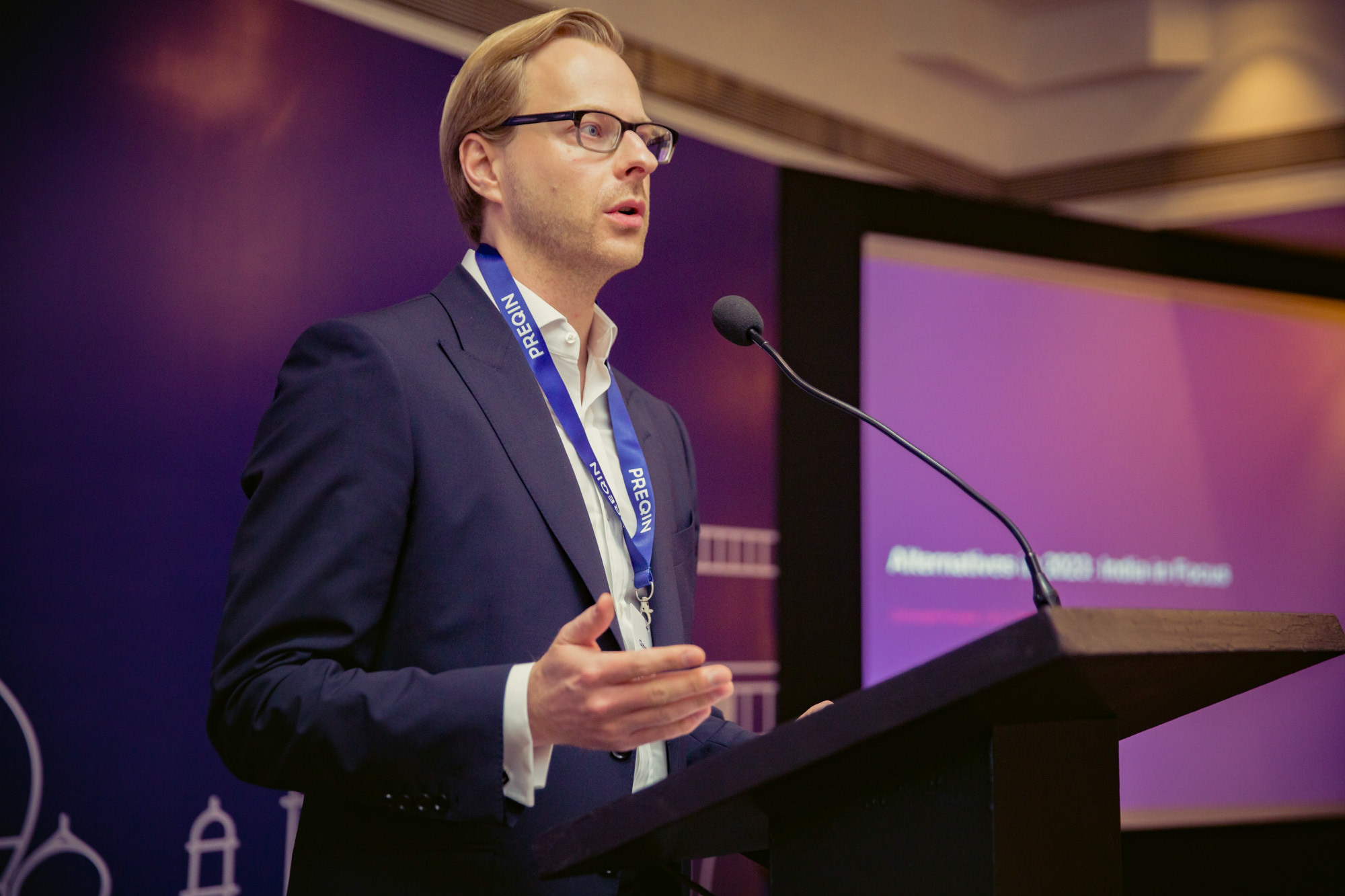
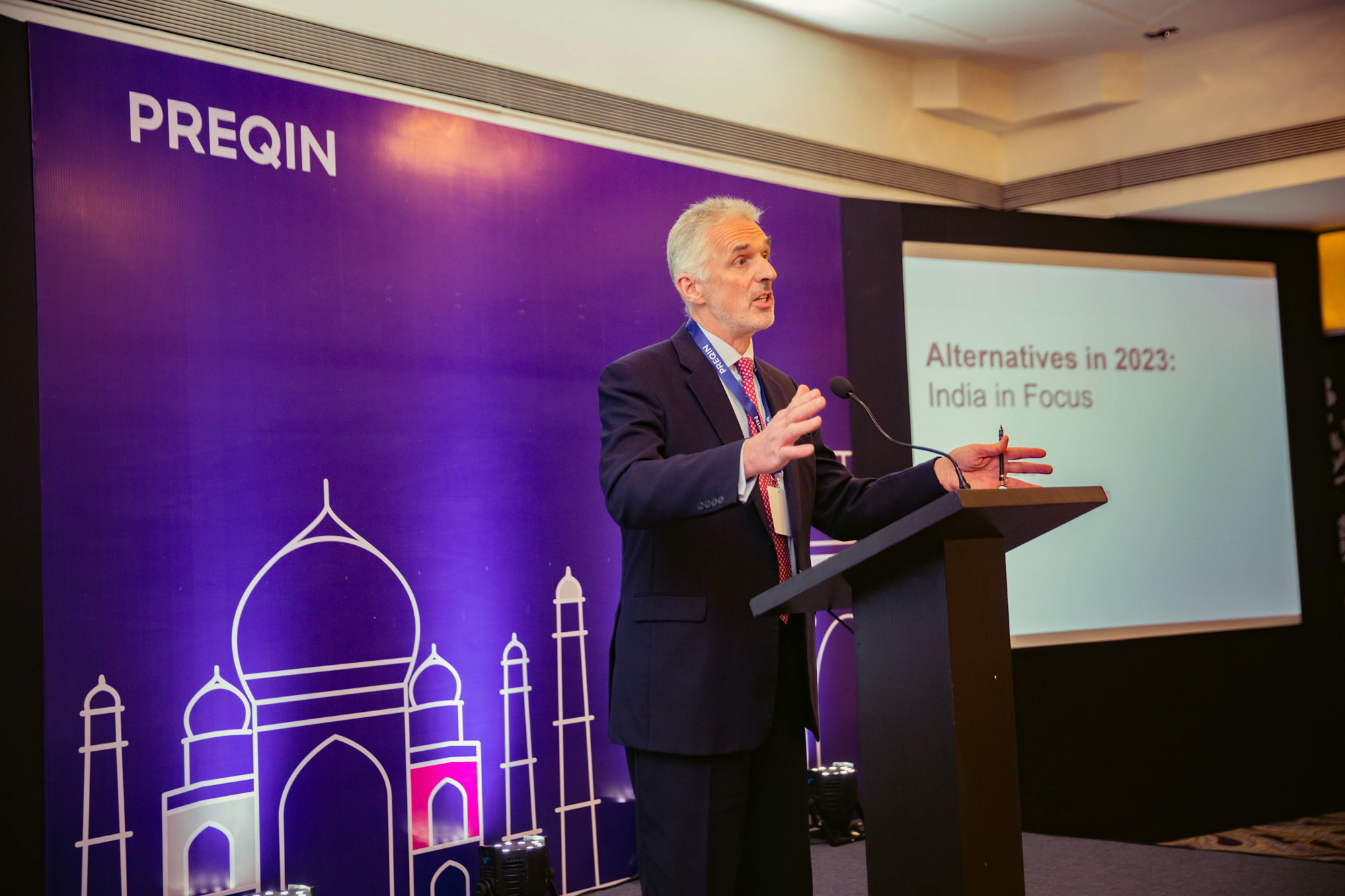
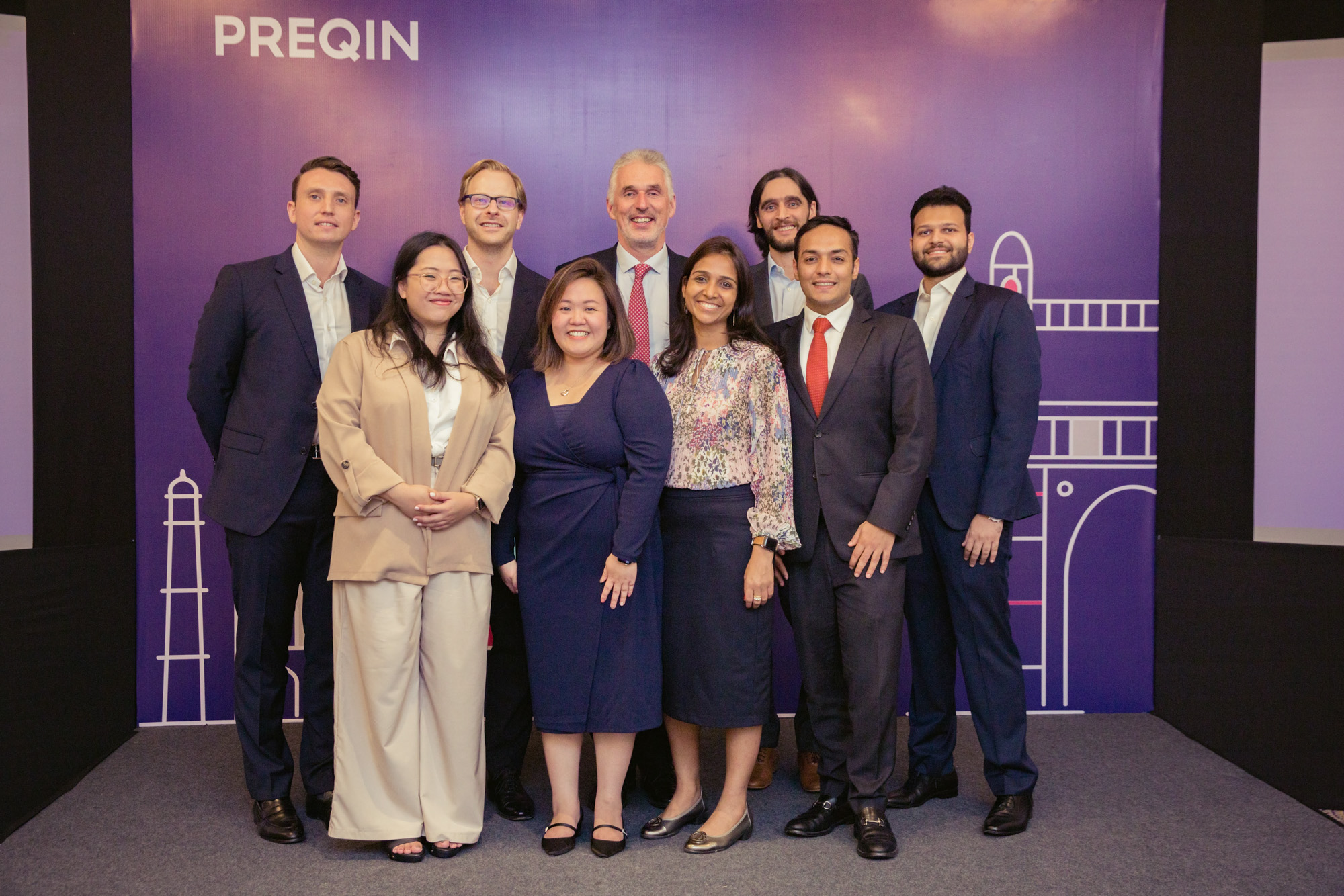
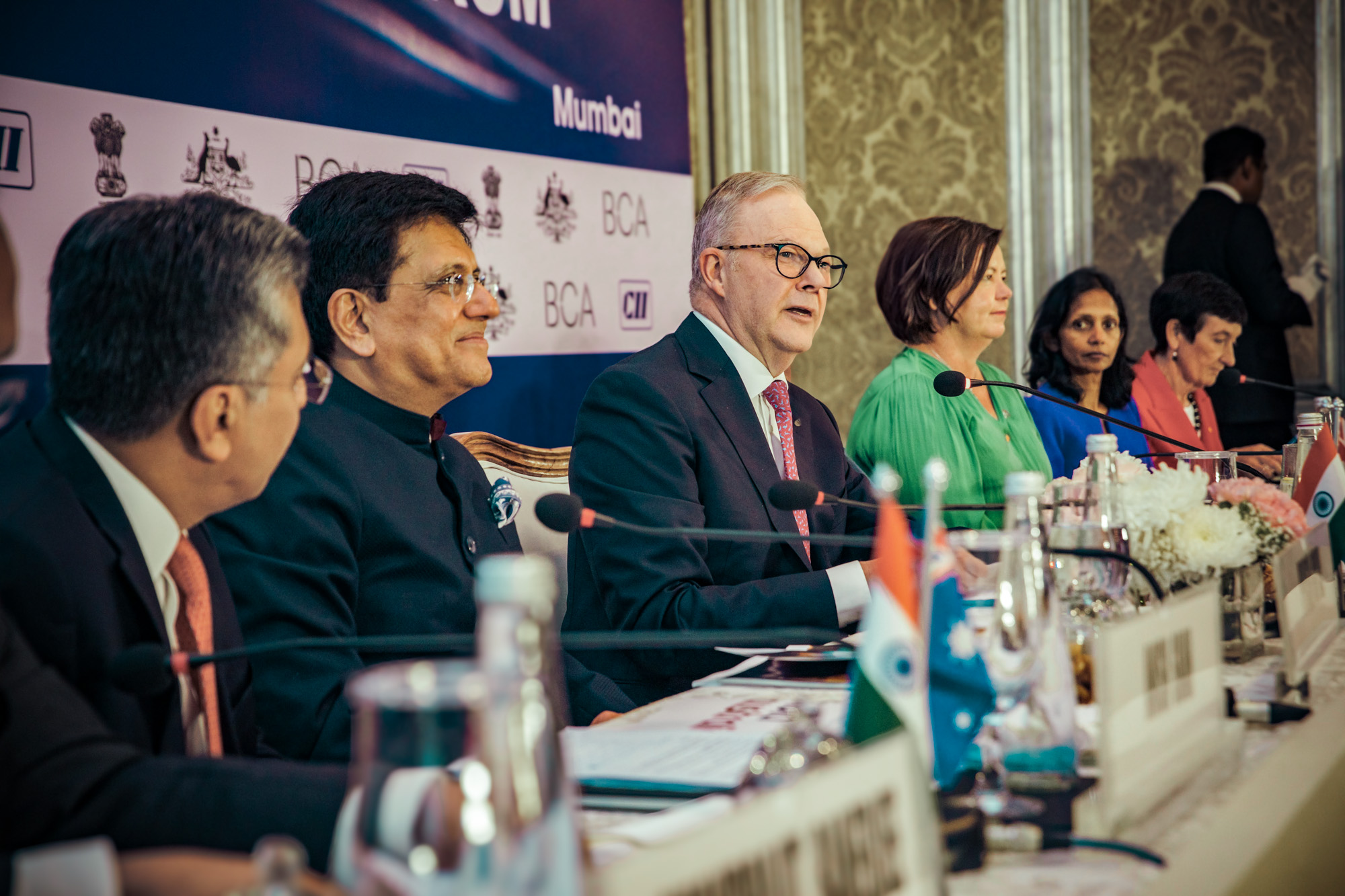
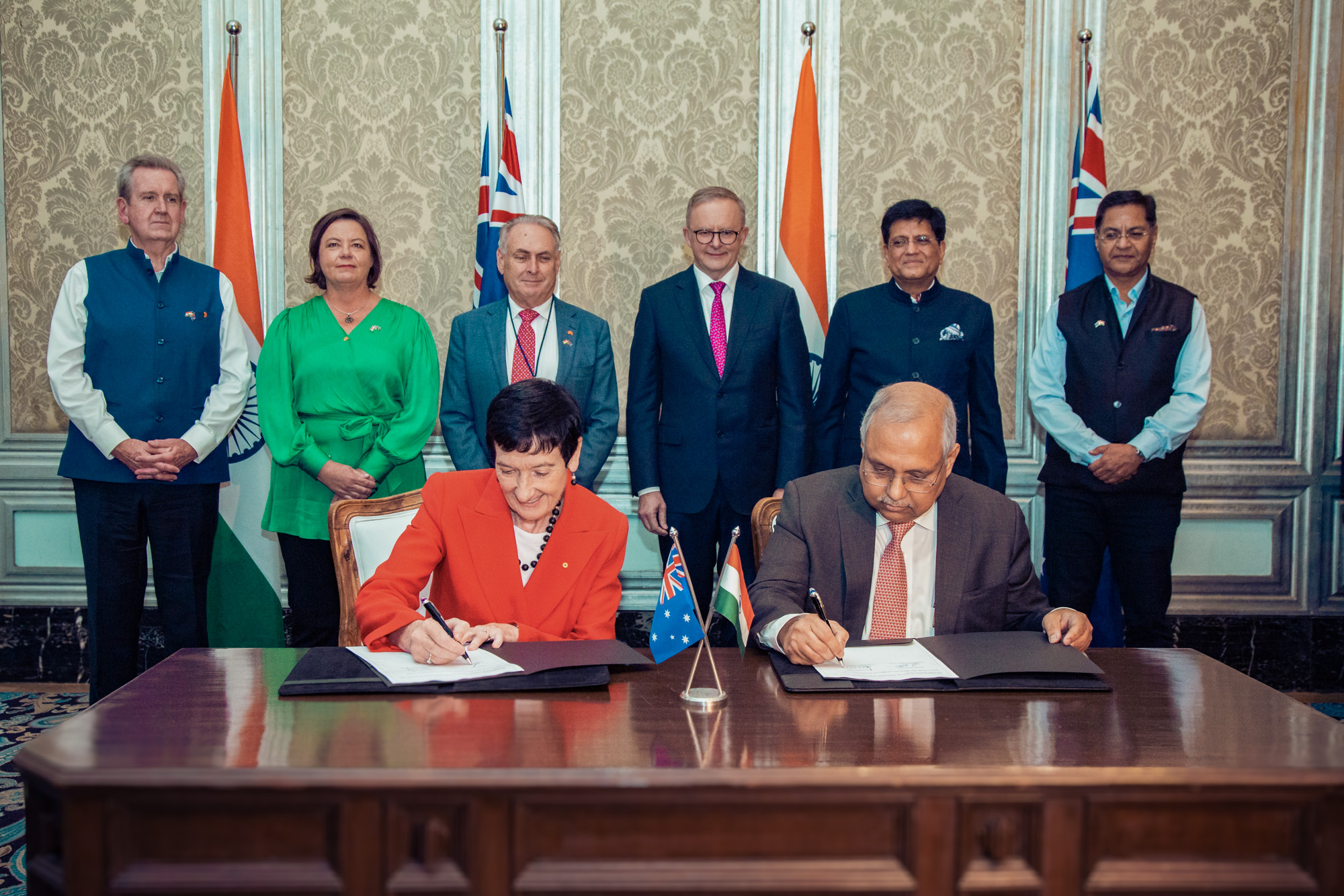
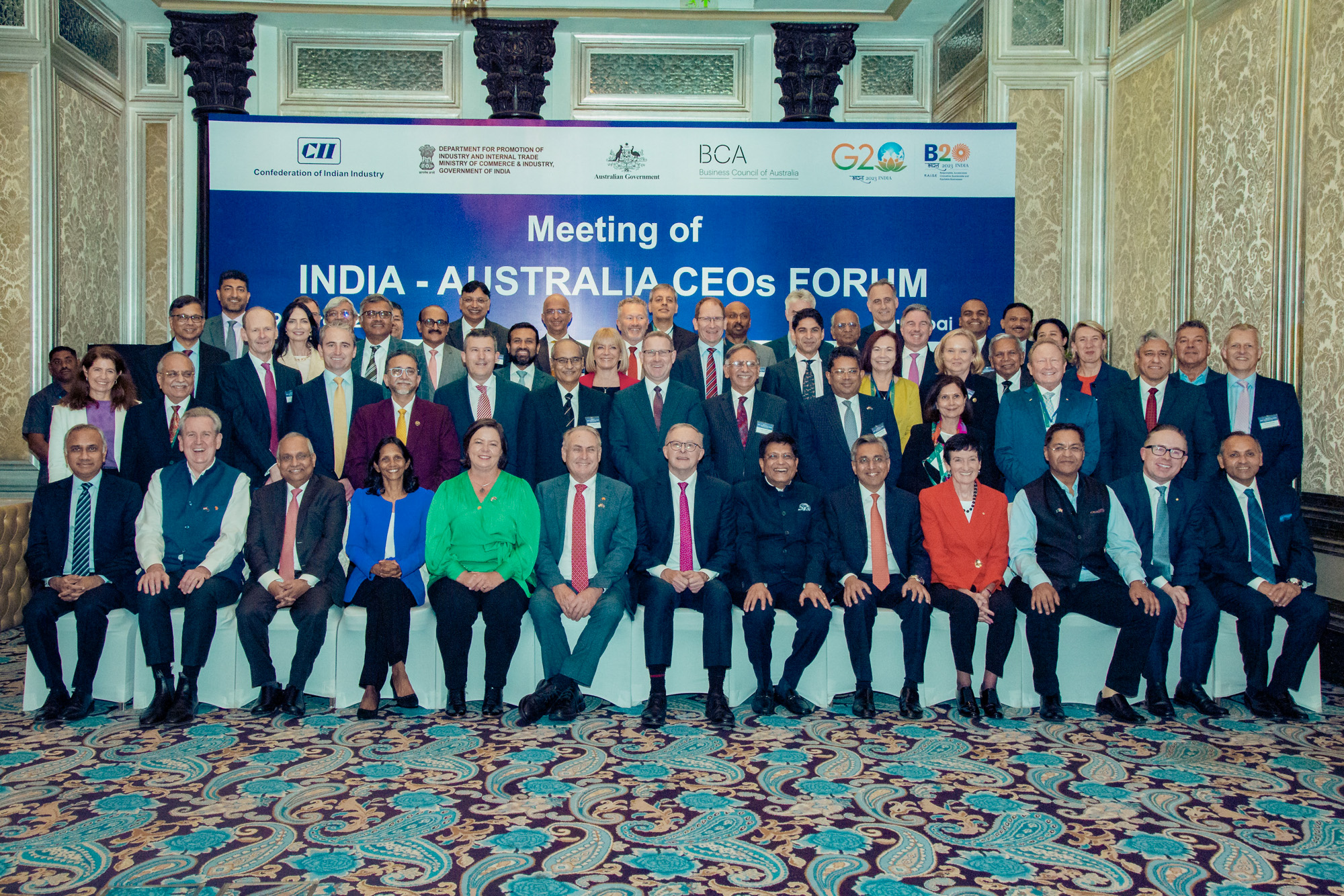
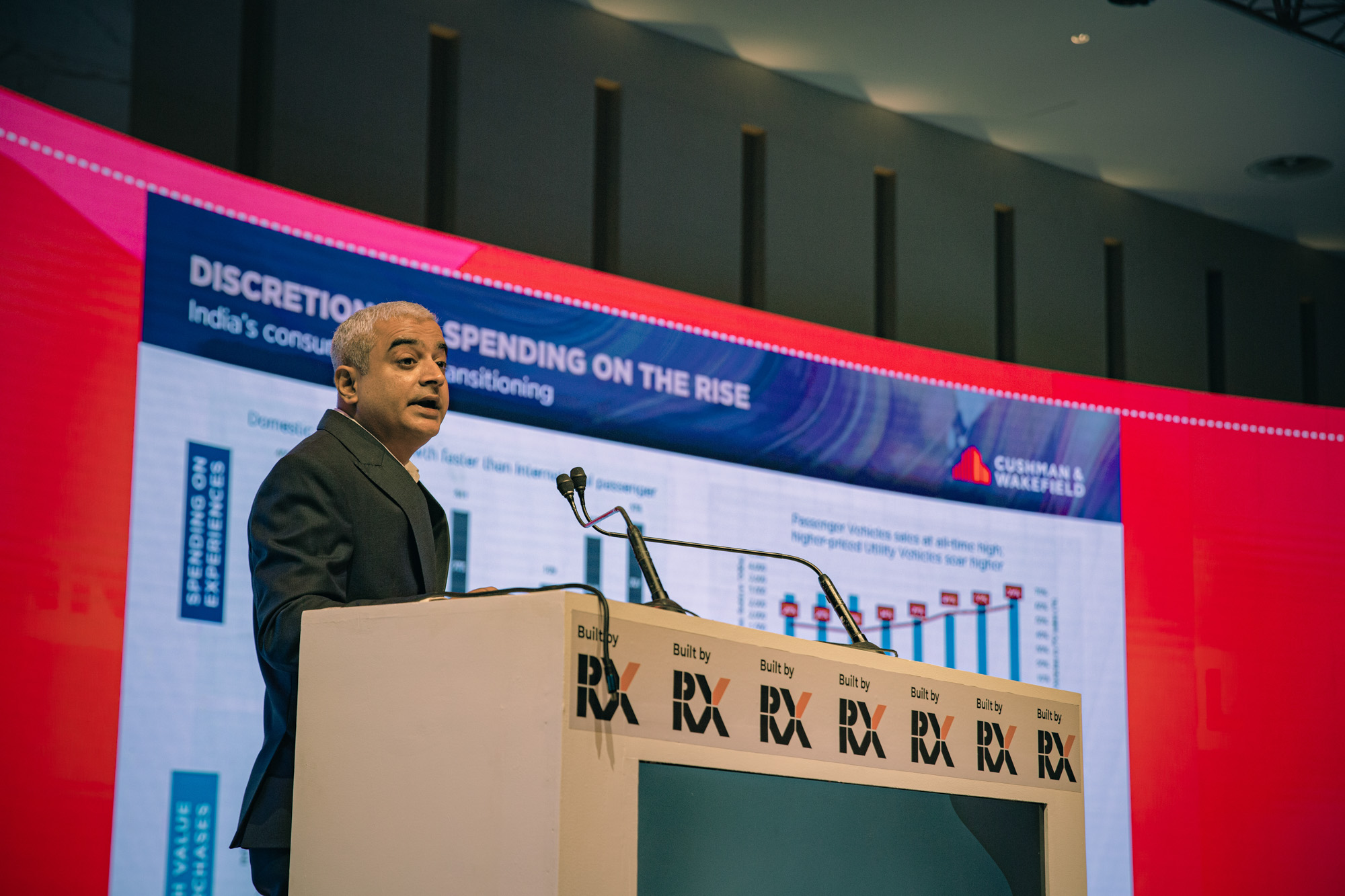
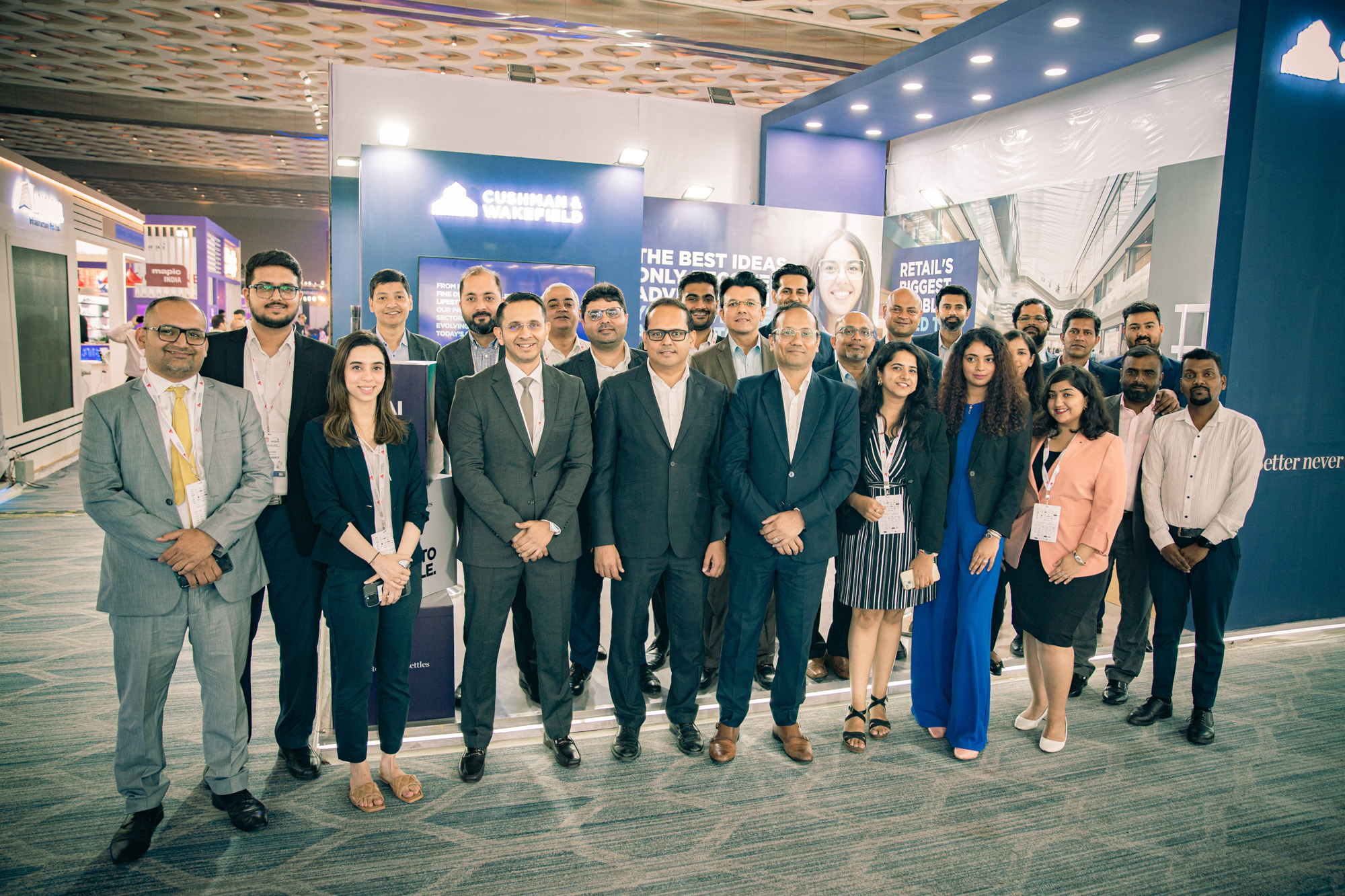
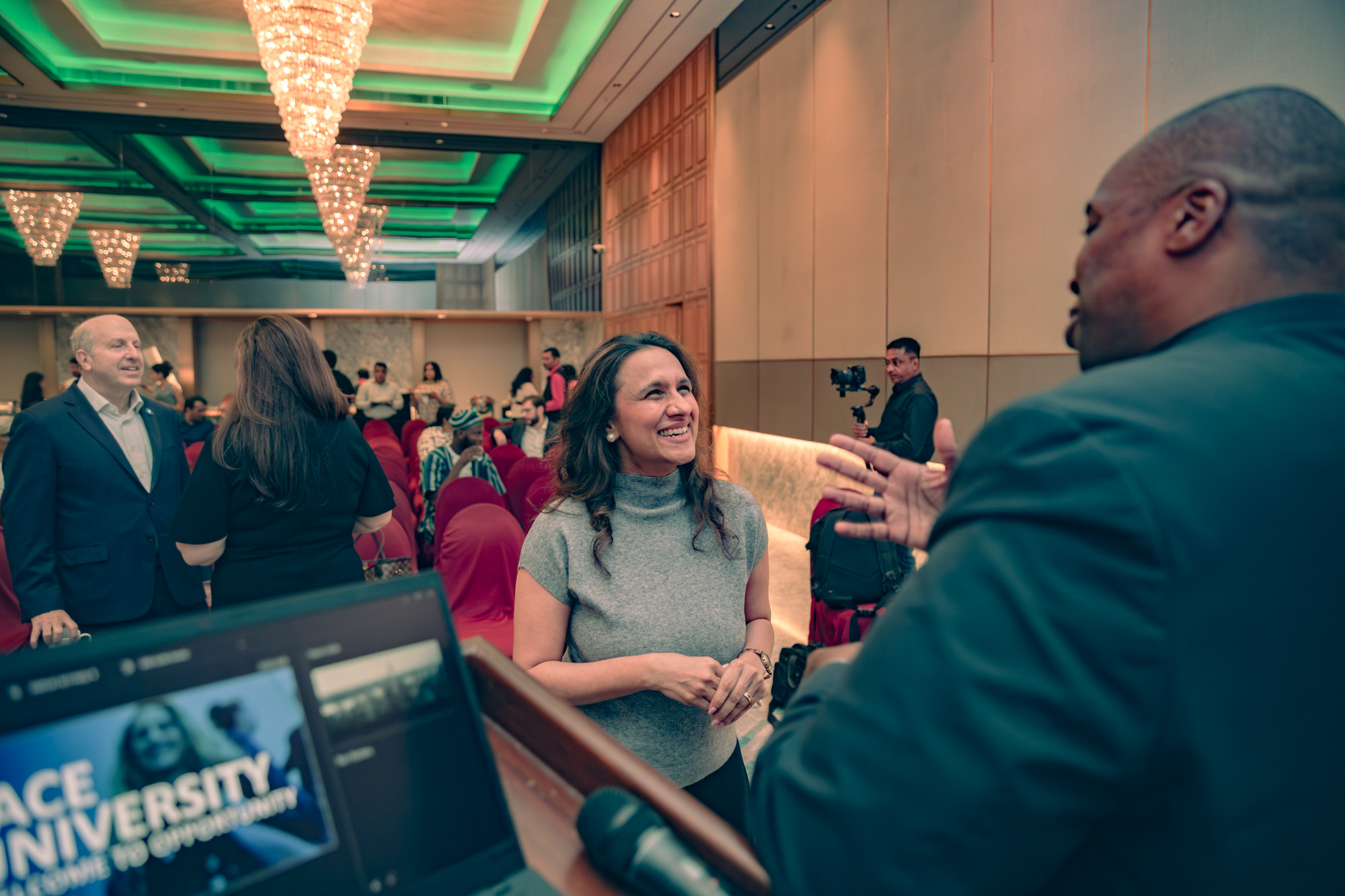
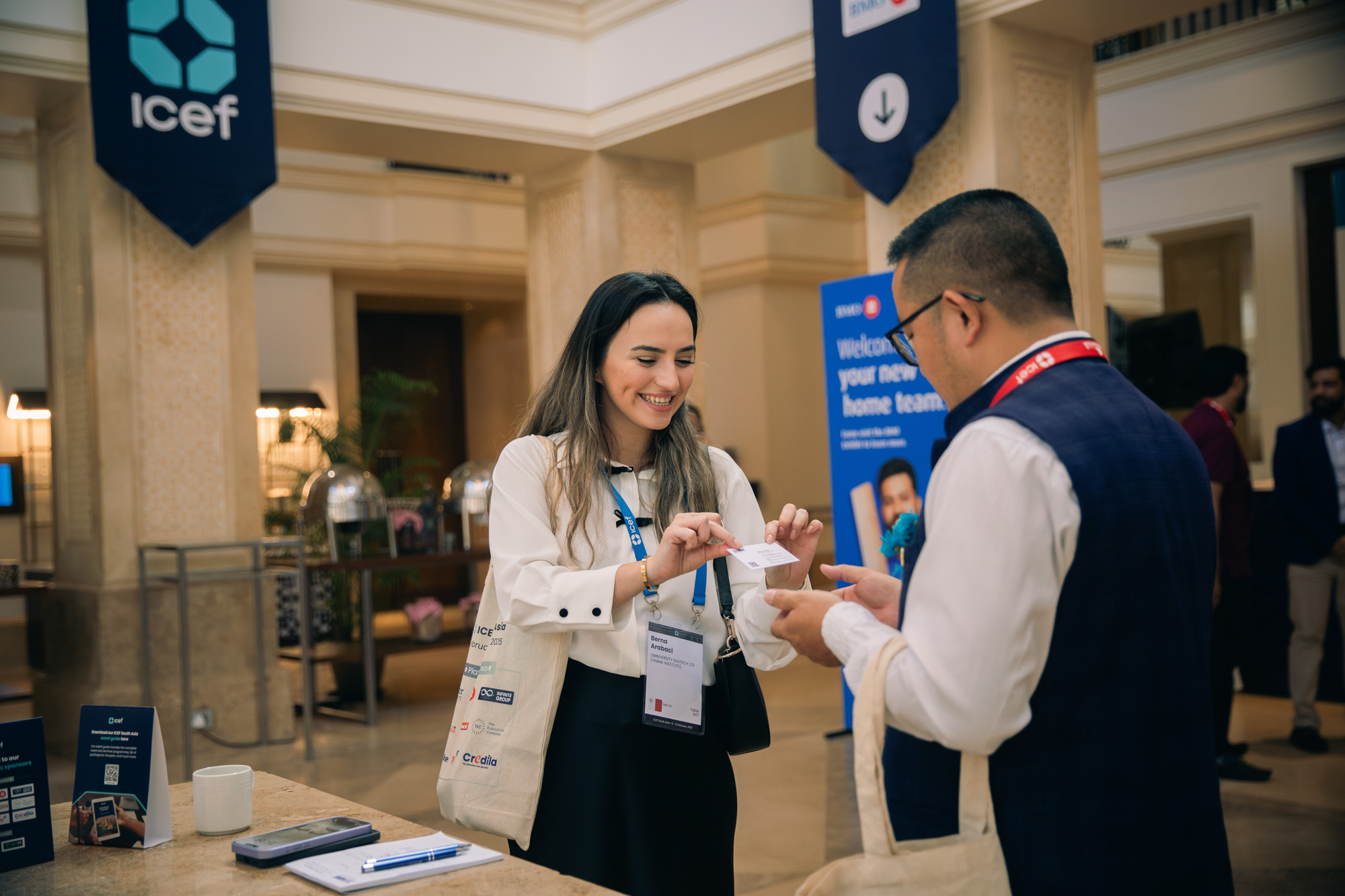
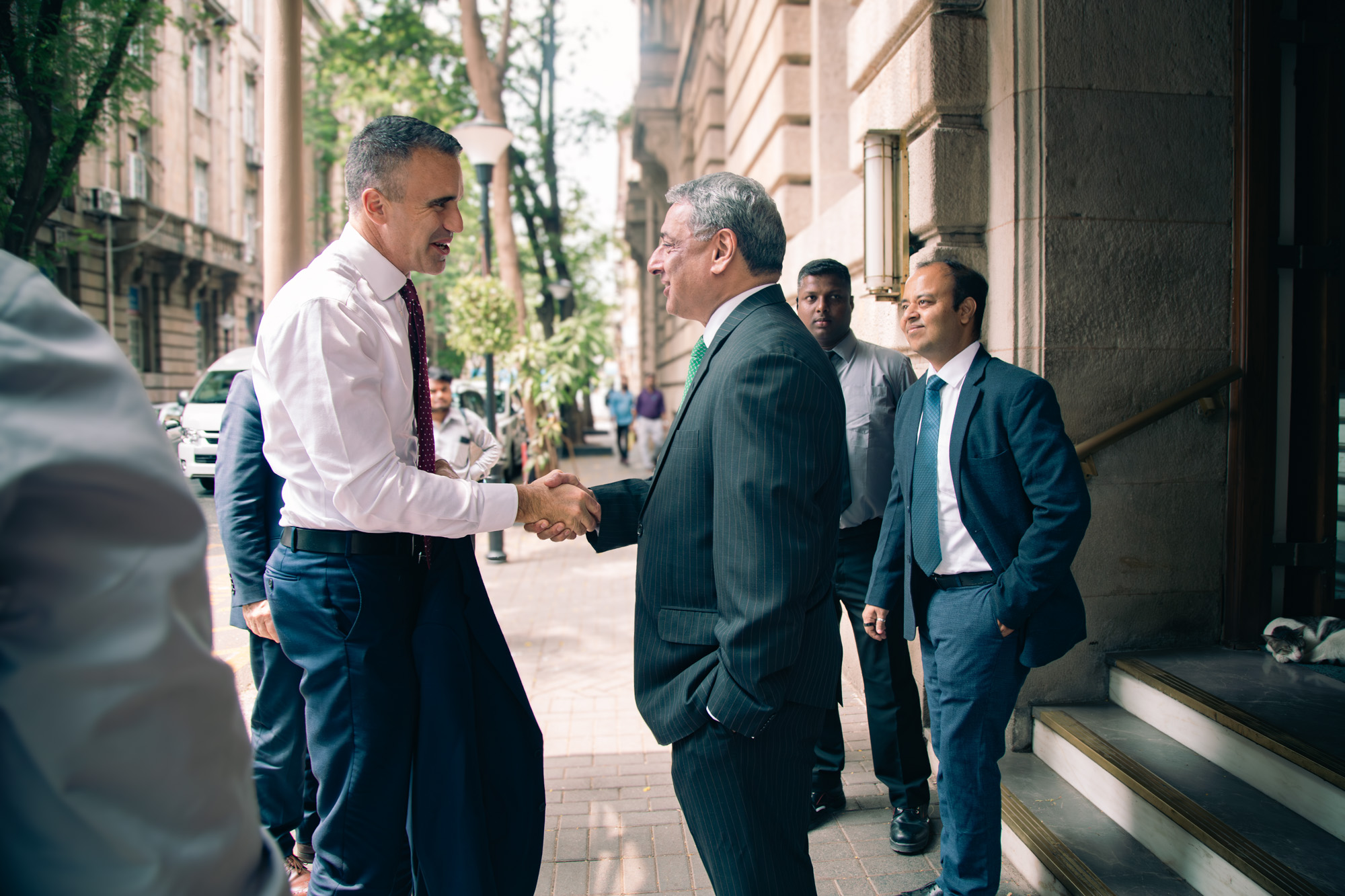
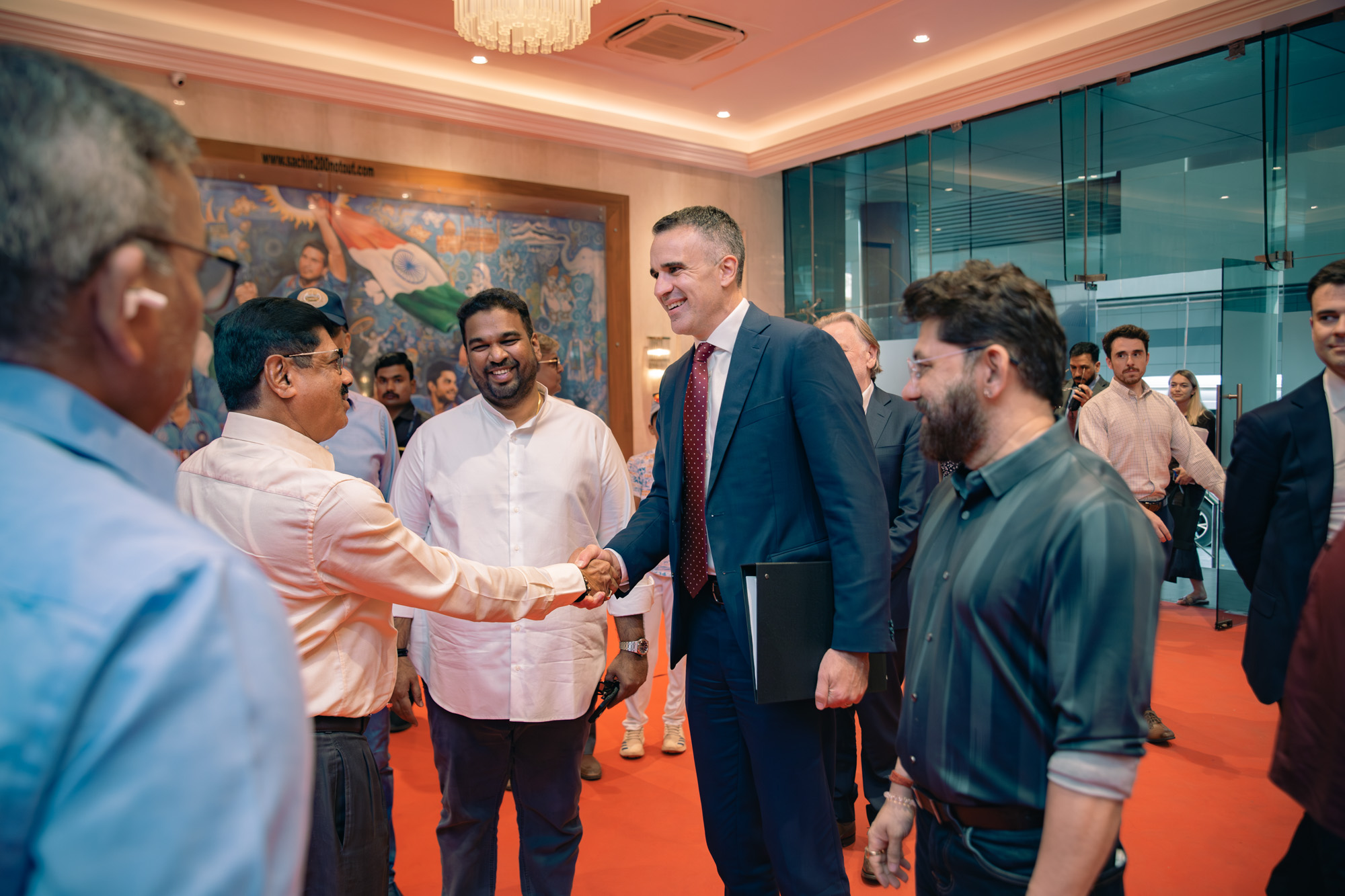
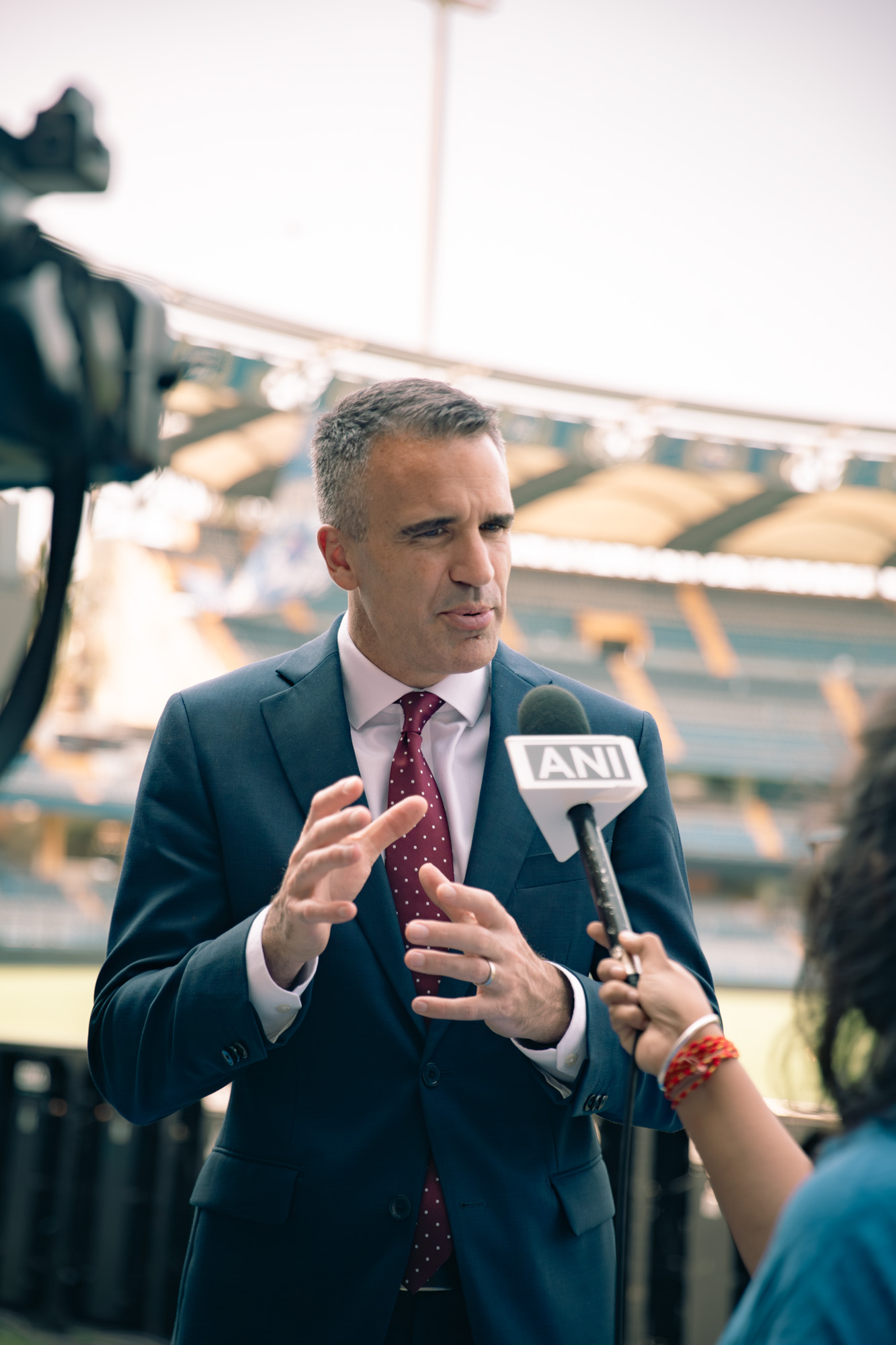
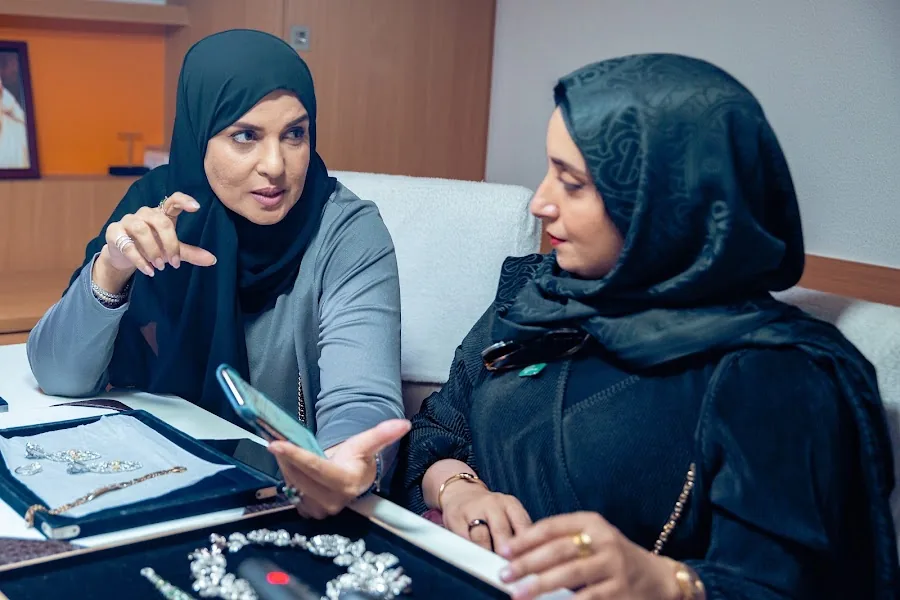
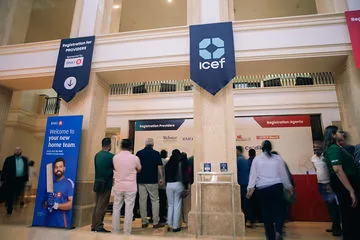
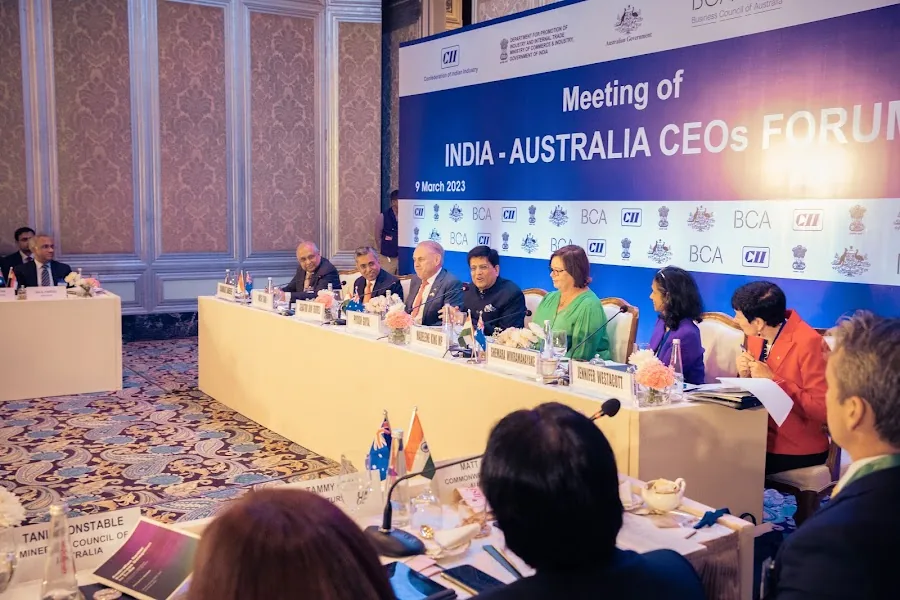
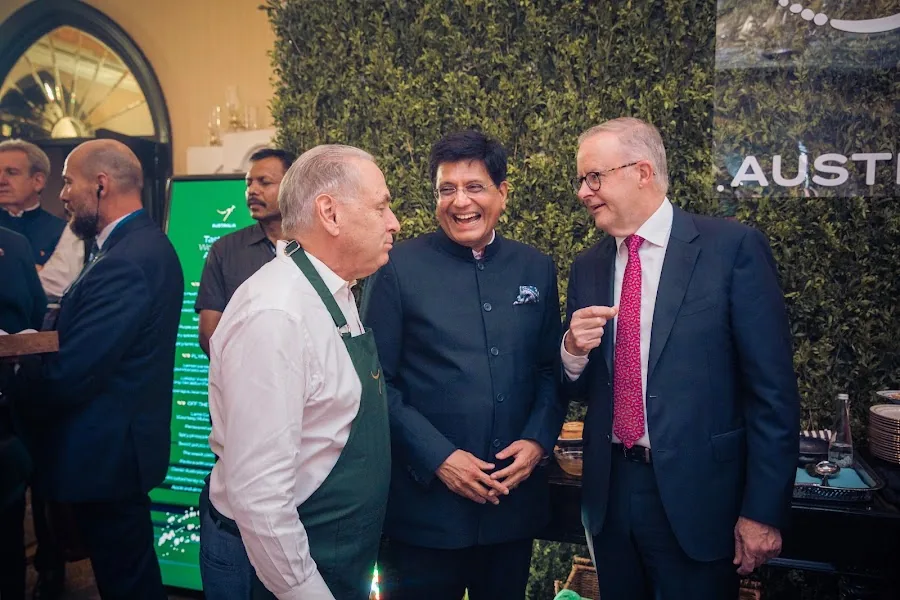
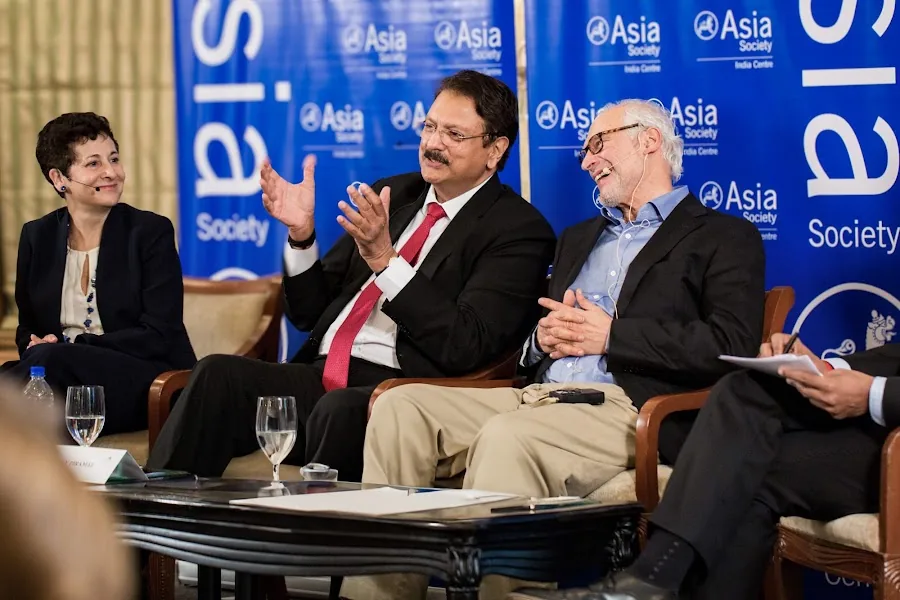
Use a wide production image that reveals camera positions or a diagram of stage, audience and interview zones.
TAT field note
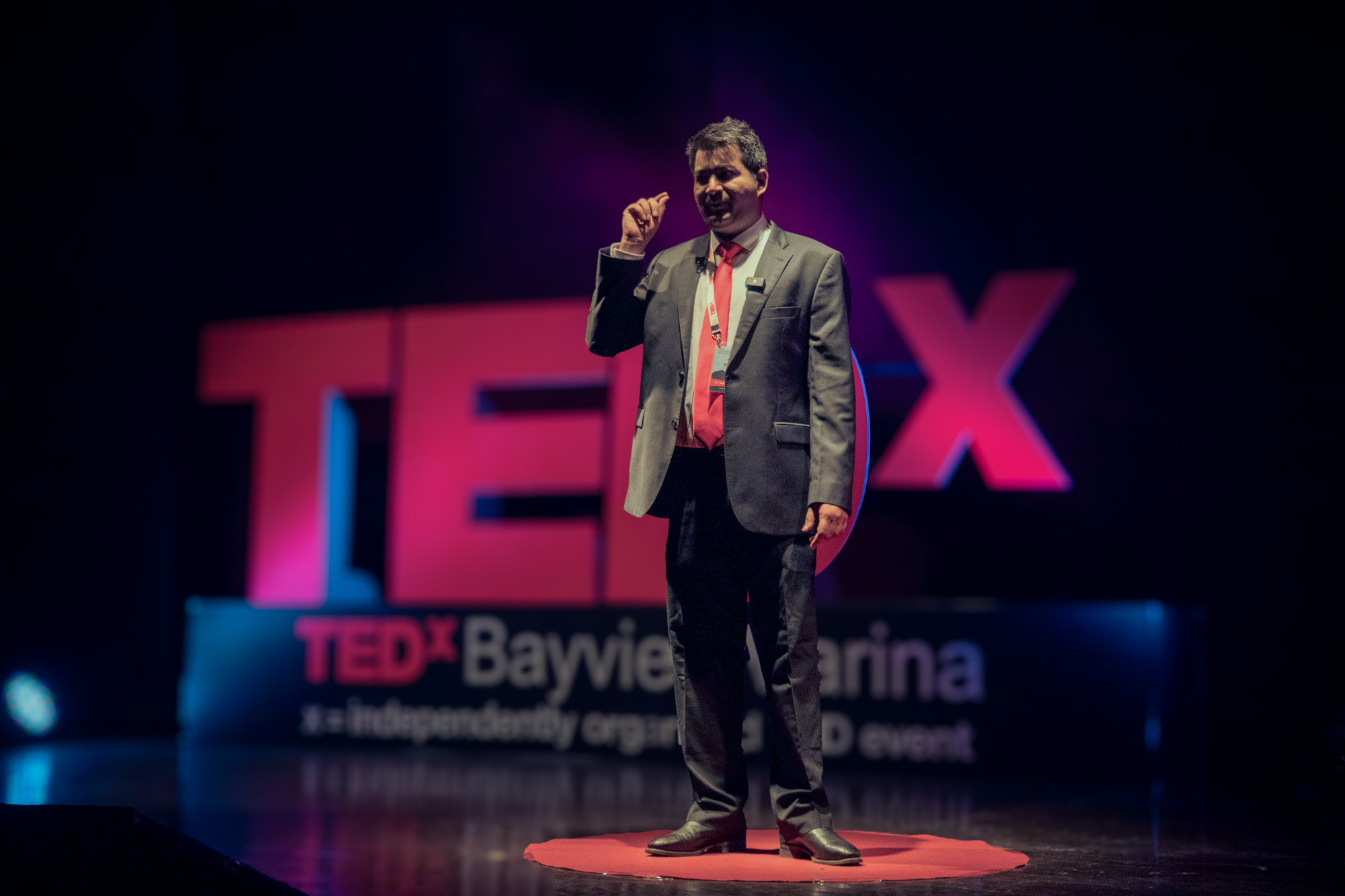
TEDx needed continuity and story at the same time.
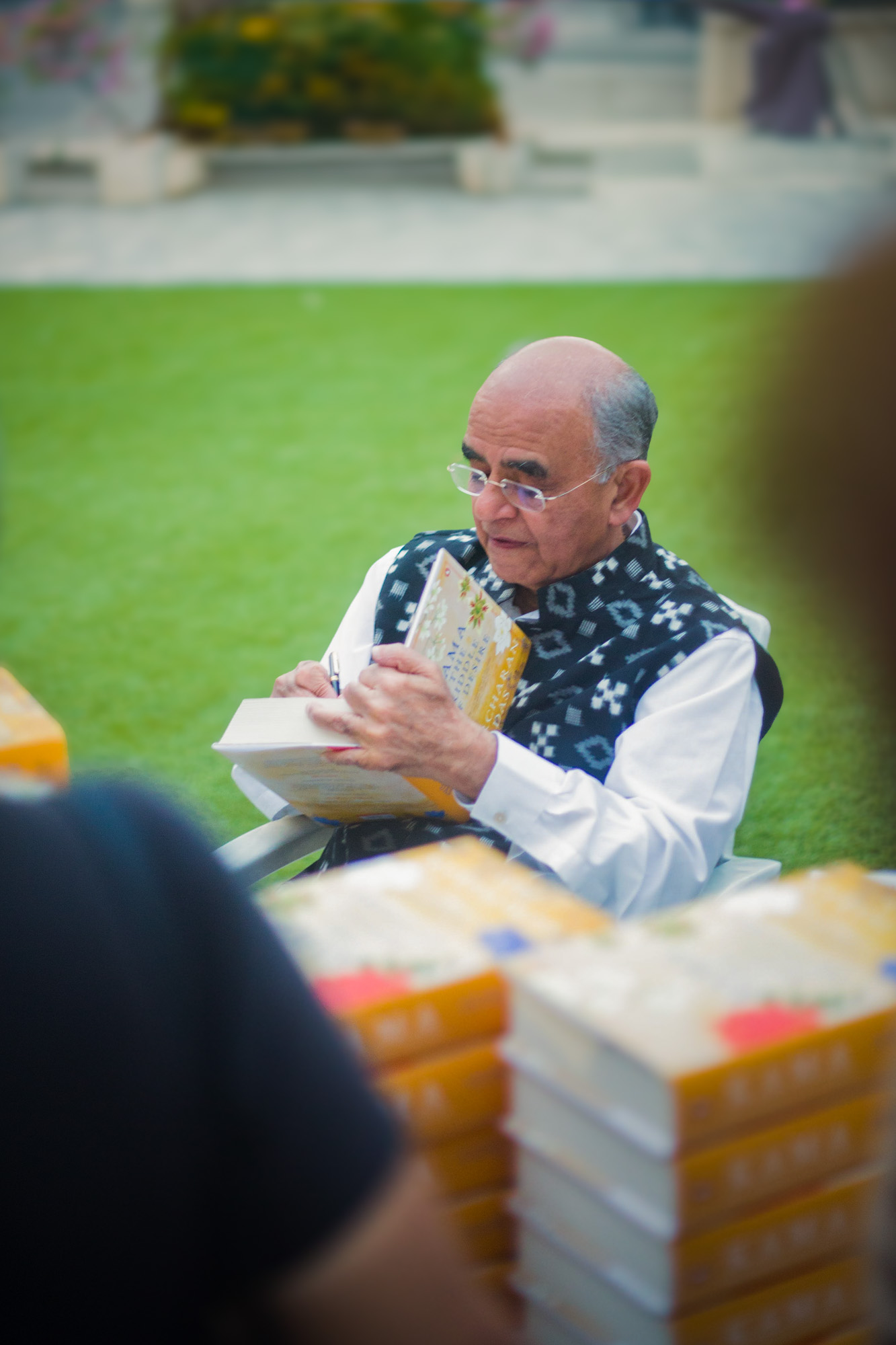
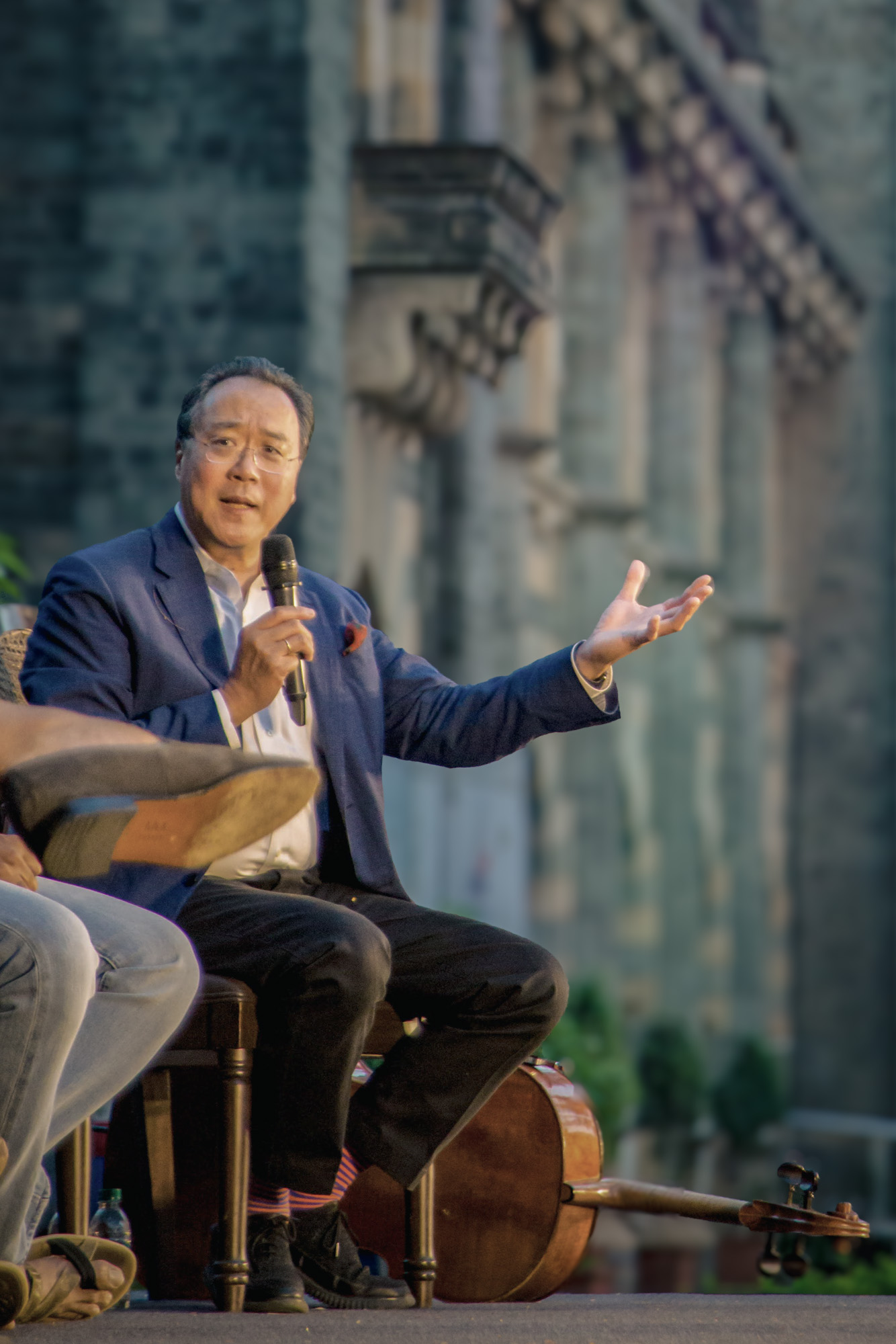
TAT’s TEDx Bayview Marina scope used one photographer and two video shooters for a full-day programme with 15 talk videos.
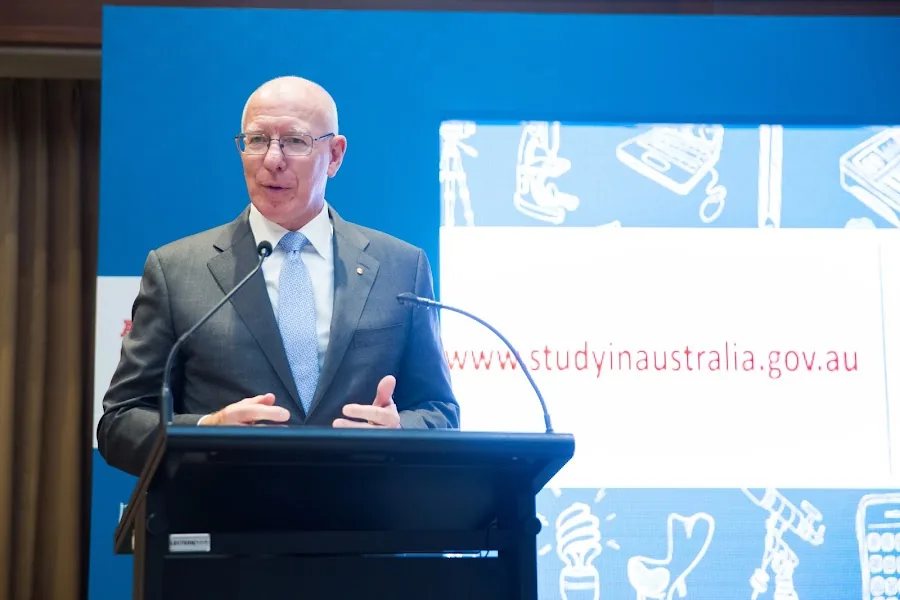
One video responsibility can prioritise complete talks and stable programme capture.
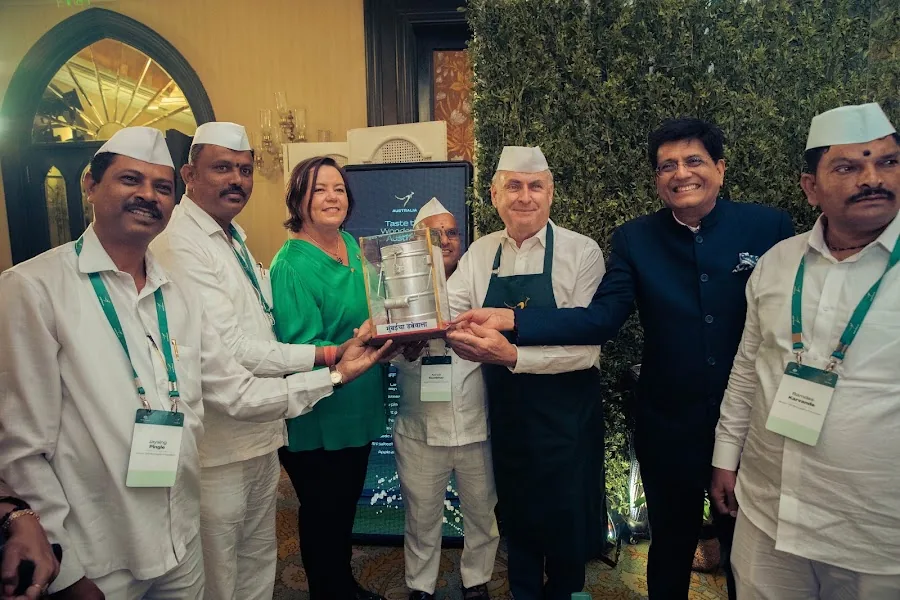
Another camera can protect alternate angles, transitions, event atmosphere and the material needed beyond full-talk files.
The number of final videos matters, but simultaneous production responsibilities determine the team.
Decision table
A practical crew-size starting point.
Exact roles depend on the deliverables and venue, but this prevents obvious under-scoping.
| Shoot type | Starting crew | Add capacity when | Primary risk |
|---|---|---|---|
| Single executive interview | 1 cinematographer; lighting/audio support as needed | Multiple speakers, teleprompter or complex B-roll | Slow resets and weak sound ownership |
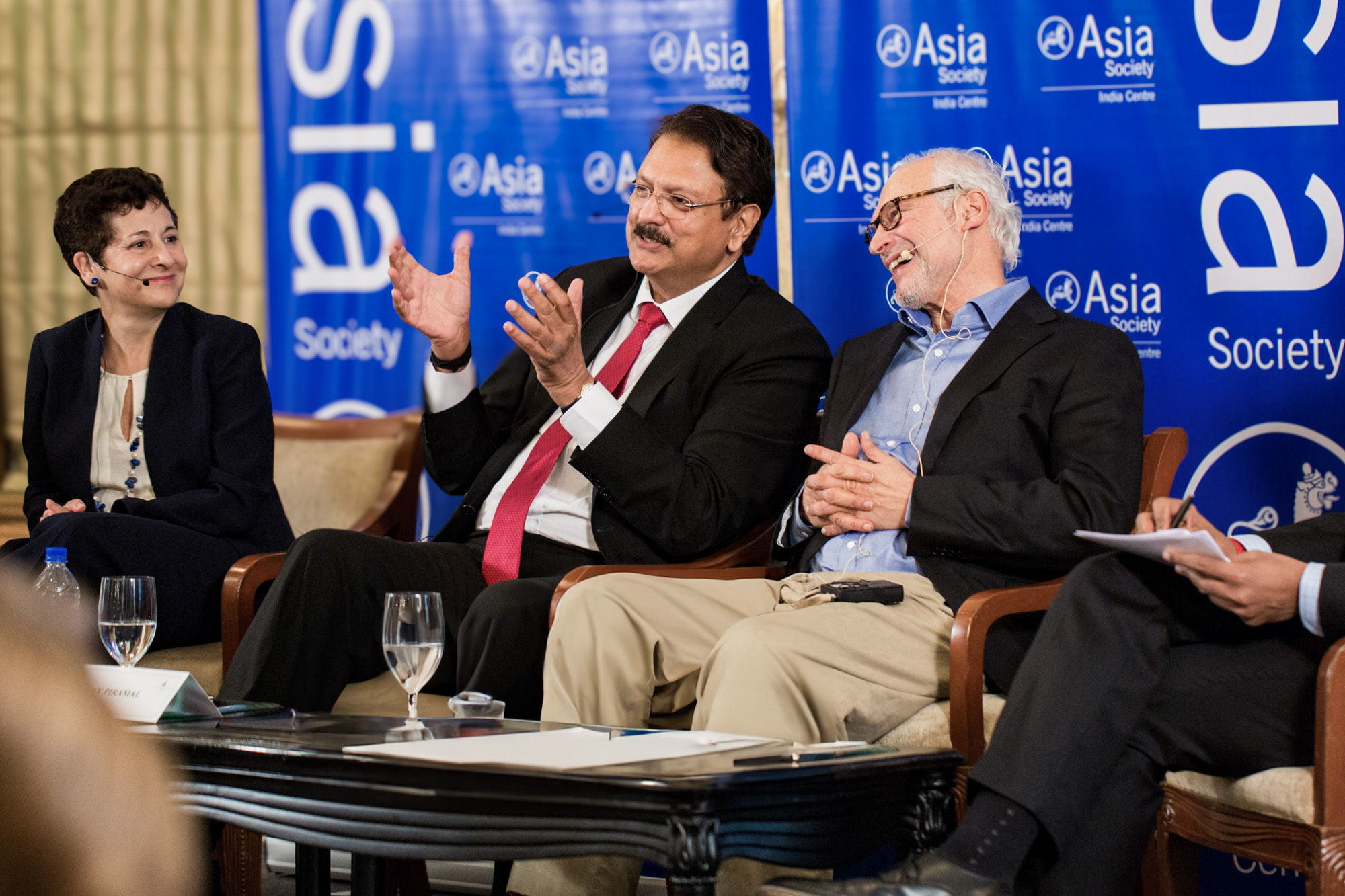
| Panel or town hall | 2 cameras plus clean audio path | Audience Q&A or hybrid feed is required | No safe alternate angle |
| Conference highlight | 2 video operators | Breakouts, interviews or same-day edit overlap | Missing atmosphere or key sessions |
| Multi-track conference | Dedicated room cameras + lead coordination | Several tracks need full records | Inconsistent files and coverage gaps |
Ask what each person is doing at 11:30 a.m.
A crew plan becomes credible when it survives a specific moment in the run-of-show.
What cannot this operator leave, and for how long?
Which alternate angle, reaction layer or simultaneous zone is protected?
Who manages speakers, audio feeds, media, batteries, data and editor handoff?
Continue planning
Related corporate video resources and services.
Use these pages to move from one production decision to the next without rebuilding the brief from scratch.
People Also Ask
Direct answers to the questions buyers usually ask.
The first sentence answers the question; the rest adds practical context.
01Is one videographer enough for a corporate event?
It can be enough for a small event with one clear priority and no continuous programme requirement. It is risky when stage action, audience reactions and networking overlap.
02Why use two cameras for an interview?
Two angles create edit flexibility, protect natural pauses or stumbles and can make longer interviews feel more dynamic without fake movement.
03Does a large audience automatically need more videographers?
No. Simultaneous spaces and deliverables matter more than guest count. A 500-person single-stage programme may be simpler than a 120-person event with three rooms.
04When is a separate sound recordist useful?
Use dedicated audio support for complex panels, roaming Q&A, difficult venues, high-value interviews or when no dependable venue feed is available.
05Do same-day edits require an onsite editor?
Usually yes when filming must continue. The editor can ingest, select and build while camera teams remain responsible for live coverage.
06Who coordinates a multi-camera corporate shoot?
A lead producer, director or senior camera lead should own the programme map, communication, media workflow and exceptions.
Turn this planning question into a workable production brief.
Share the shoot date, location, audience, programme, required deliverables, interview needs and delivery deadline. We will recommend the smallest team that can execute it properly.
From global conferences to trade missions and corporate events across India.