
Post-production timing · buyer guide
Editing time is driven less by final duration than by the amount of story, footage and approval behind it.
A two-minute film can take longer than a one-hour session recording when it requires interview selection, narrative design, graphics, subtitles, music, B-roll and several versions.
Use this guide to set realistic first-cut, review and final-delivery dates for event films, interviews, testimonials, social reels and multi-camera recordings.
Turnaround layers
The first cut is only one part of the delivery clock.
Client response time belongs inside the schedule too.
Ingest & organise
Footage, audio, sessions, speakers and metadata are copied, verified and arranged.
Select & structure
The editor reviews material, chooses content and builds the narrative or programme.
Refine & finish
Pacing, B-roll, sound, colour, graphics, titles and captions are completed.

Review & export
Consolidated feedback is applied, quality checks run and all versions are rendered.
Speed without chaos
Four ways clients can shorten the timeline.
Most improvements come from reducing uncertainty rather than cutting craft.
Mark priorities
Identify essential speakers, quotes, sessions and moments before the editor starts.
Supply correct assets
Deliver approved titles, logos, spellings, fonts and claims together.

Consolidate feedback
One timecoded document is faster than several email and WhatsApp threads.
Approve in sequence
Lock structure before requesting detailed colour, subtitle and animation changes.




The useful answer
How long does corporate video editing usually take?
Allow roughly five to ten working days for a straightforward first cut and two to four weeks for complex interview, multi-camera or multi-output projects, excluding slow client review periods.
Rush delivery is possible when capacity is reserved and decisions are made in advance. It should not be assumed from the final film length alone.
Edit schedule
A realistic post-production clock.
The exact duration varies, but the sequence helps plan approvals.
Day 0–2
Secure transfer, backup, organisation, sync and project setup.
Day 2–6
Footage review, selects, transcripts and first assembly.
Day 5–10
Fine edit, B-roll, sound, colour and initial graphics.
Review window
Client returns one consolidated response at the agreed time.
Finalisation
Revisions, caption checks, exports, platform versions and handover.
Visual proof block
Show the volume behind the final duration.
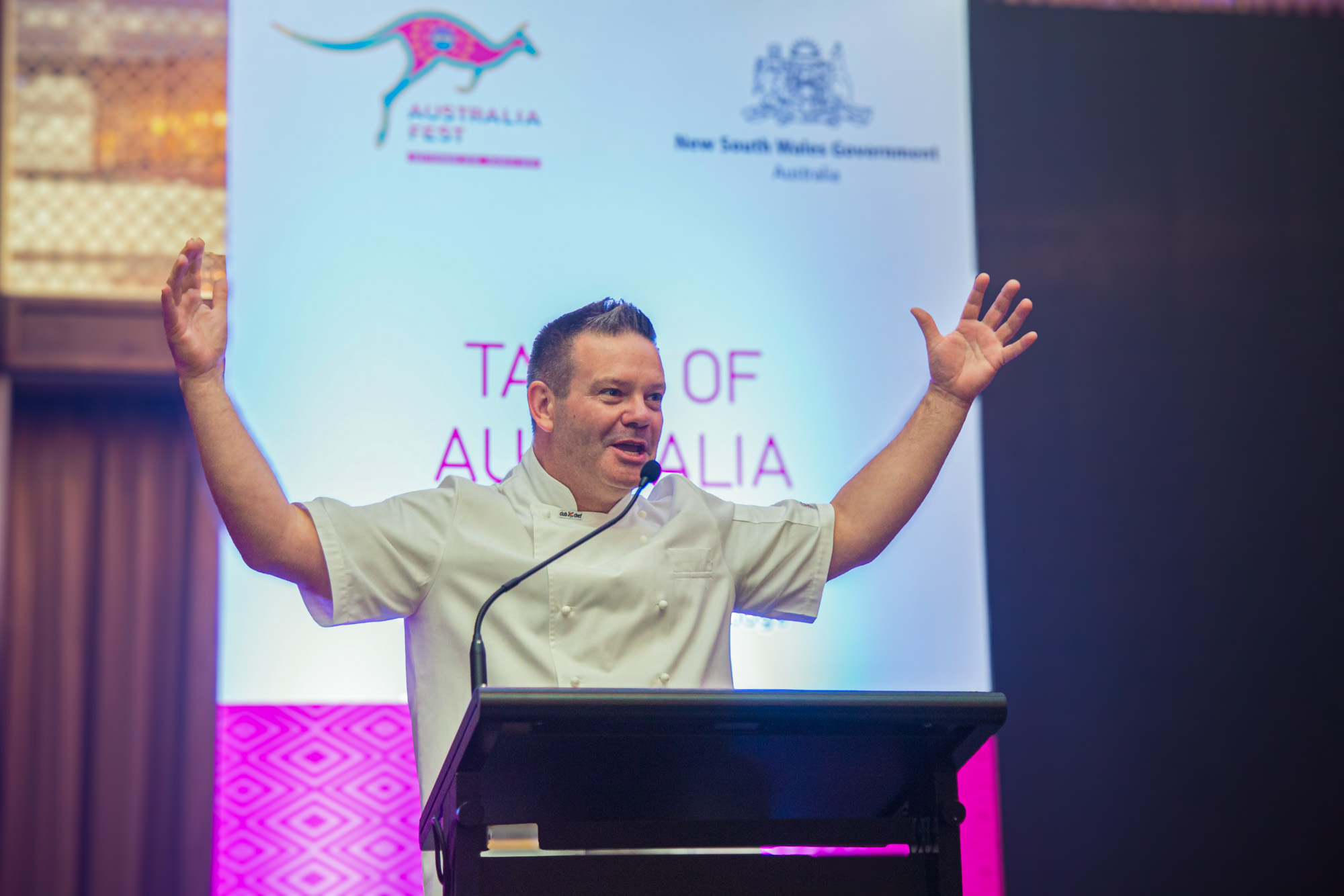
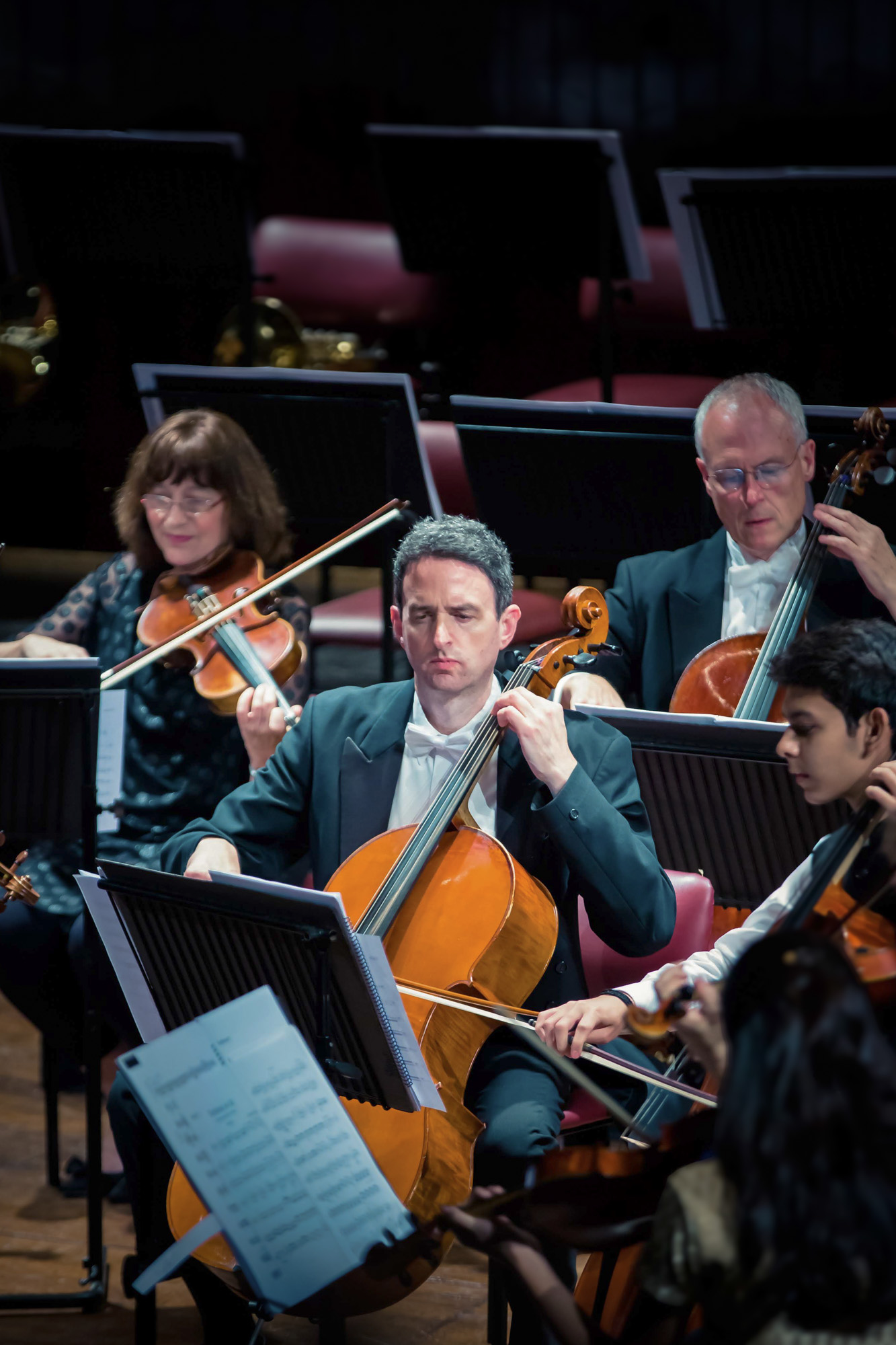
Use one redacted media-bin or timeline image and one finished frame. This visually explains why short films can involve substantial work.
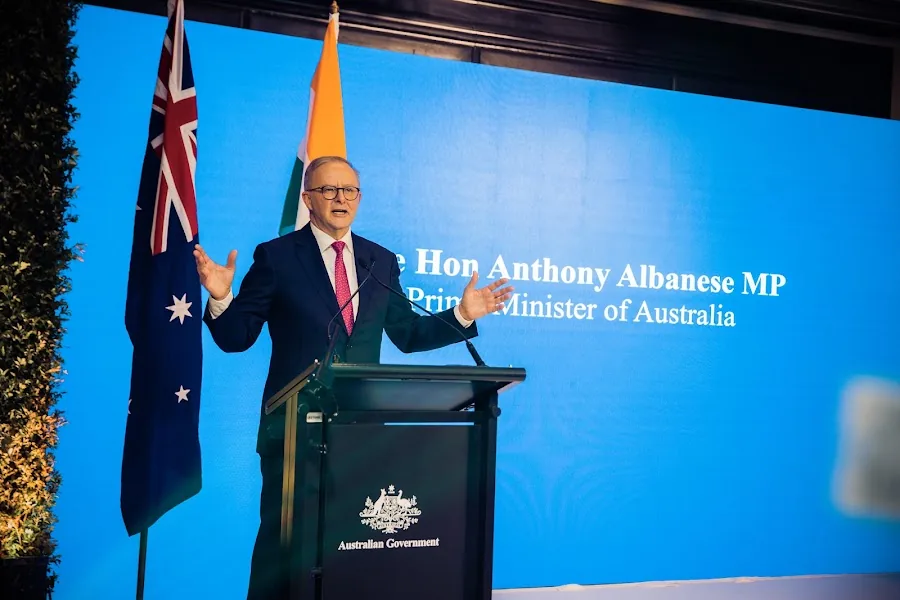
TAT field note
Fifteen talk videos create a repeatable edit pipeline.
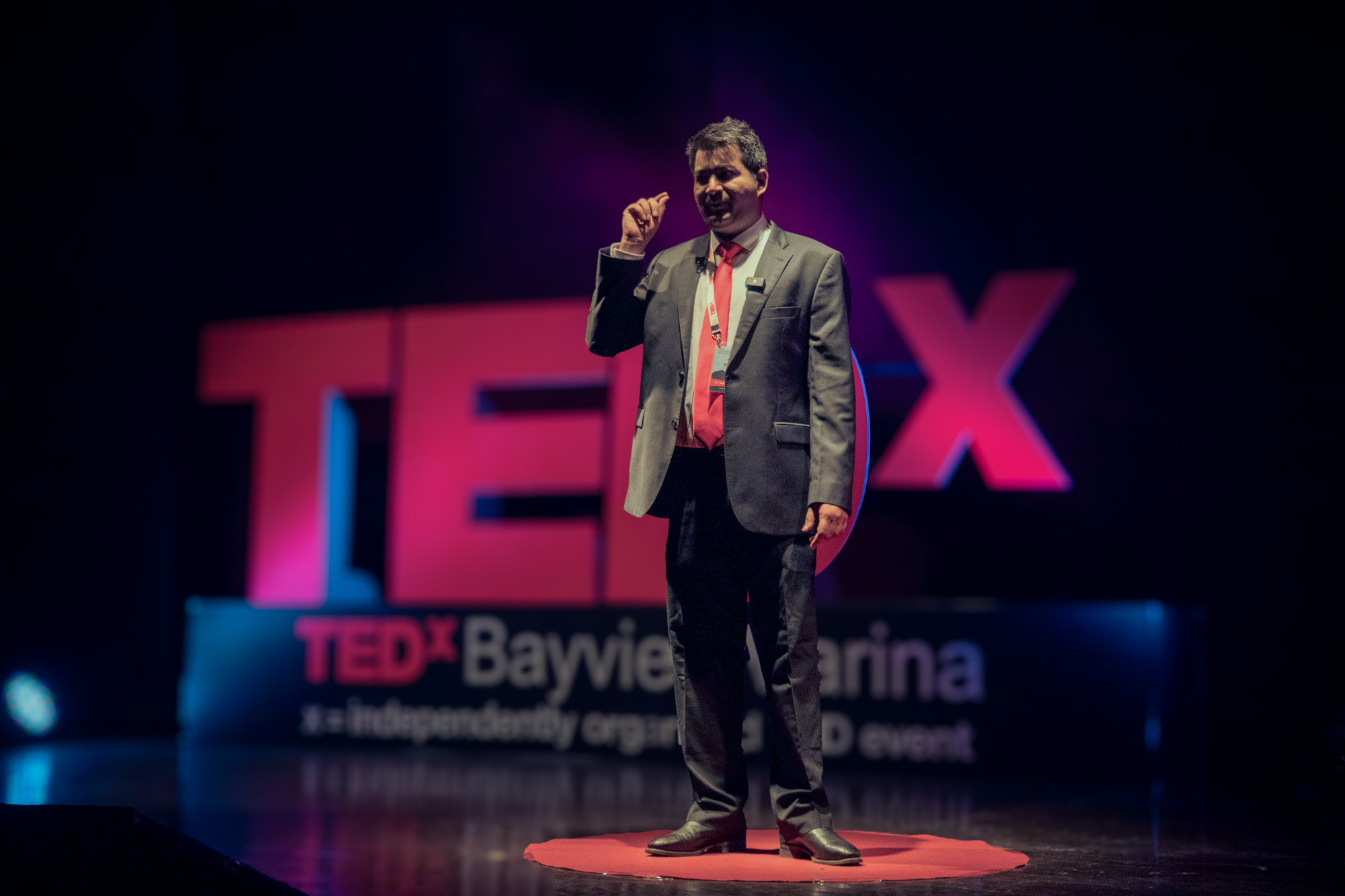
TAT’s TEDx Bayview Marina requirement included 15 talk videos. A multi-deliverable job like this depends on naming, sync, audio consistency, title accuracy and systematic review.
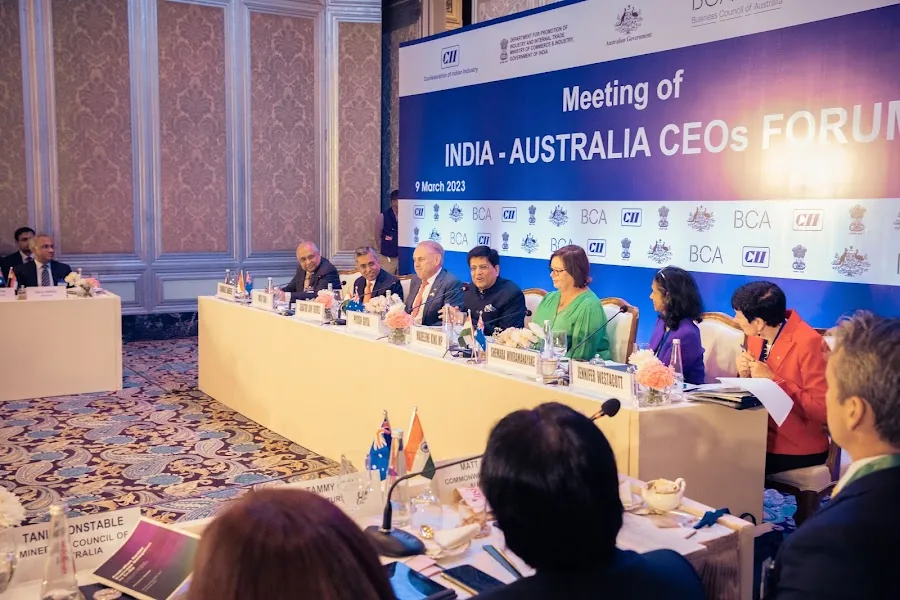
Each talk is a separate deliverable with its own speaker, title, timing and quality check.
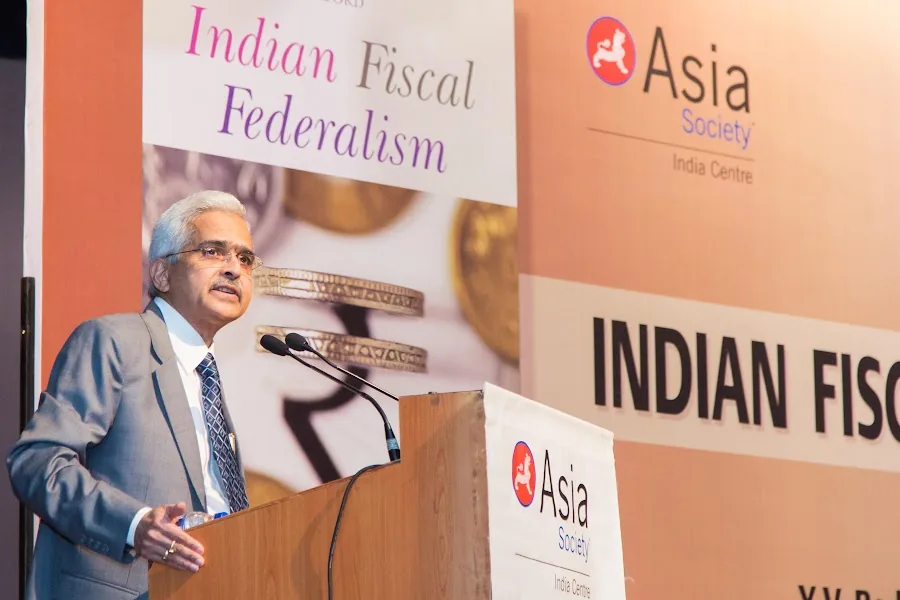
Visual, sound and graphics treatment should remain coherent across the series.
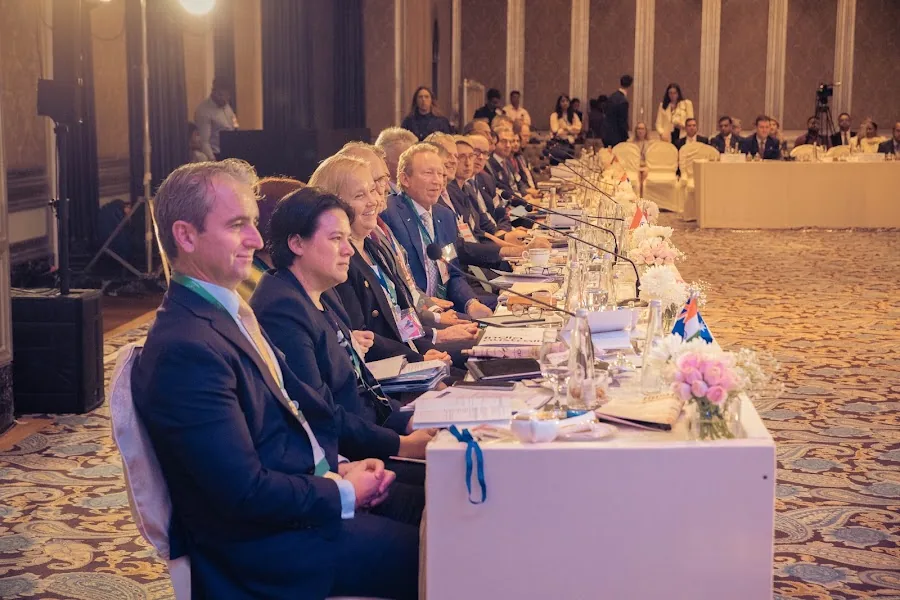
Template what should repeat, track what is unique and avoid one-off manual decisions for every file.
Decision table
Estimate editing time by output type.
These are planning ranges, not promises; footage and approval complexity can move them.
| Output | Typical first-cut complexity | Main time driver | Planning note |
|---|---|---|---|
| 45-second reel | Low to medium | Rapid selects, music, captions and vertical framing | Same-day requires dedicated workflow |
| 2-minute event highlight | Medium | Story selection across programme and atmosphere | Allow time for speaker and sponsor checks |
| Interview film | Medium to high | Transcript selection, B-roll and message clarity | Pre-interview reduces edit discovery |
| Full session recording | Low editorial, high technical | Sync, audio, duration and file handling | Multiple sessions create volume |
| Brand film suite | High | Narrative, locations, graphics and versions | Plan several review milestones |
Separate production time from waiting time.
A calendar delay can occur even when the edit itself is on schedule.
Active organisation, selection, story, finishing and exports.
Waiting for titles, legal checks, internal alignment and feedback.
New outputs, new messages or new source material introduced after review begins.
Continue planning
Related corporate video resources and services.
Use these pages to move from one production decision to the next without rebuilding the brief from scratch.
People Also Ask
Direct answers to the questions buyers usually ask.
The first sentence answers the question; the rest adds practical context.
01How long does it take to edit a two-minute corporate video?
A straightforward two-minute first cut may take five to ten working days, but interview selection, footage volume, graphics and versions can extend it.
02Why can a short video take weeks to edit?
The editor may review many hours of footage, build a story, clean sound, grade colour, create graphics, add captions and produce several formats.
03Does multi-camera footage take longer to edit?
Usually yes. Cameras and audio must be synchronised, angles selected and long programmes managed carefully.
04How fast can a same-day reel be edited?
It can be delivered during or shortly after an event when an editor, media-transfer workflow, brand assets and fast approver are planned in advance.
05How long should client feedback take?
Agree a specific review window, commonly one to three working days. Slow or fragmented feedback extends the calendar even if the edit work is efficient.
06Are subtitles included in editing time?
They should be scoped. Automatic transcripts still require correction, timing, styling and quality checks, especially for names and technical language.
Turn this planning question into a workable production brief.
Share the shoot date, location, audience, programme, required deliverables, interview needs and delivery deadline. We will recommend the smallest team that can execute it properly.
From global conferences to trade missions and corporate events across India.