
Post-production · process guide
Post-production is where footage becomes a decision, a story and a usable set of business assets.
Follow the stages from data backup and footage logging through edit structure, sound, colour, graphics, subtitles, review and final exports.
This buyer-facing guide explains what each stage contributes, what feedback belongs there and why late structural changes create disproportionate rework.
Post-production layers
The edit is not one continuous activity.
Each layer answers a different quality question.

Data integrity
Is every card copied, verified, organised and backed up?
Story integrity
Does the film make sense, hold attention and support the objective?
Technical finish
Are sound, colour, titles, captions and exports accurate?
Business readiness
Are claims, names, brand elements, versions and permissions approved?
Review at the right stage
Four feedback types—and when to give them.
A timecode comment is useful only when it matches the maturity of the cut.

Structural feedback
Give on the first cut: order, missing ideas, overlong sections and wrong emphasis.

Editorial refinements
Give after structure: shorter lines, alternate shots, pace and transitions.
Accuracy corrections
Names, titles, claims, dates, captions and brand elements must be exact.

Finishing notes
Colour, audio balance and export issues belong after the story is stable.































The useful answer
What are the stages of corporate video post-production?
A robust workflow includes verified backup, logging and sync, assembly edit, fine edit, sound, colour, graphics and captions, review, quality control and final rendering.
Smaller films may combine stages, while multi-camera conferences and testimonial suites need stronger media organisation. The client’s most valuable contribution is timely, consolidated feedback against the agreed objective.
Seven-stage pipeline
From camera cards to final masters.
The visible edit sits in the middle of a larger data and approval system.
Backup & verify
Copy footage and audio to protected storage and verify the media before cards are cleared.

Log & sync
Organise cameras, speakers, sessions, interviews and audio; synchronise multi-camera material.

Assembly
Select content and create the first complete narrative or programme structure.

Fine edit
Refine pacing, B-roll, reactions, transitions and exact duration.

Finish
Clean sound, grade colour, build graphics, subtitles and brand elements.
Visual proof block
Make the invisible craft visible.
Use an edit-timeline image and a before/after grade or sound-design frame. Avoid revealing confidential client footage or file names.
TAT field note
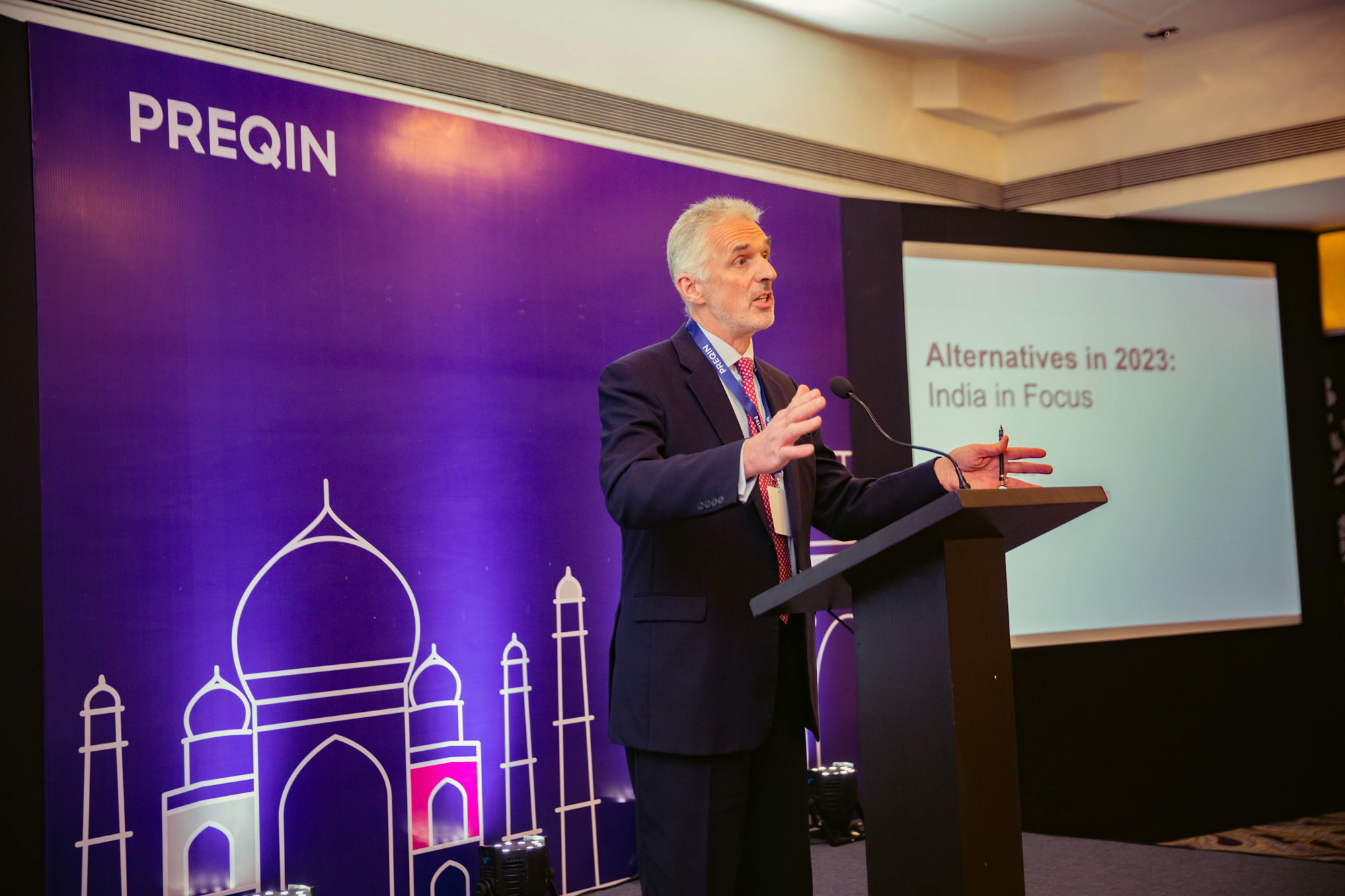
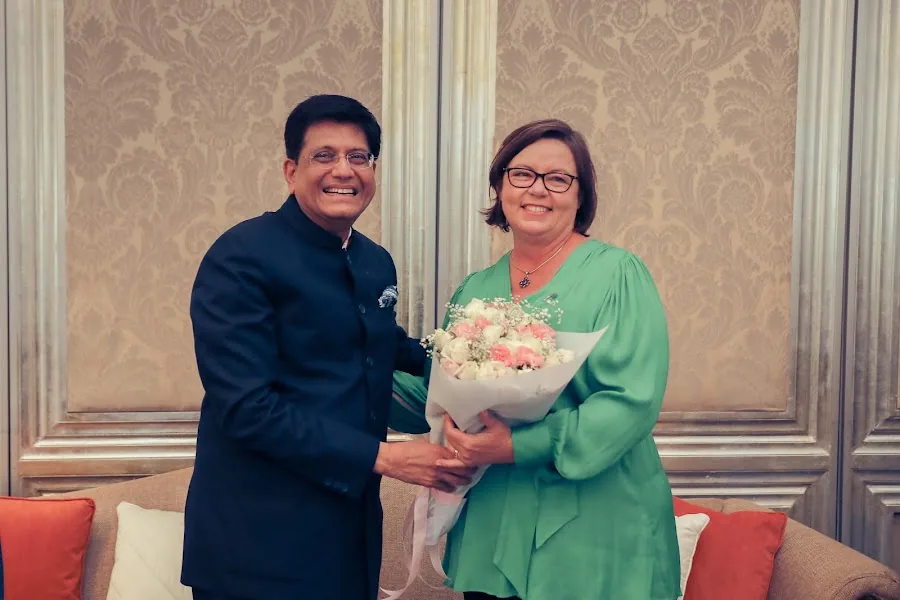
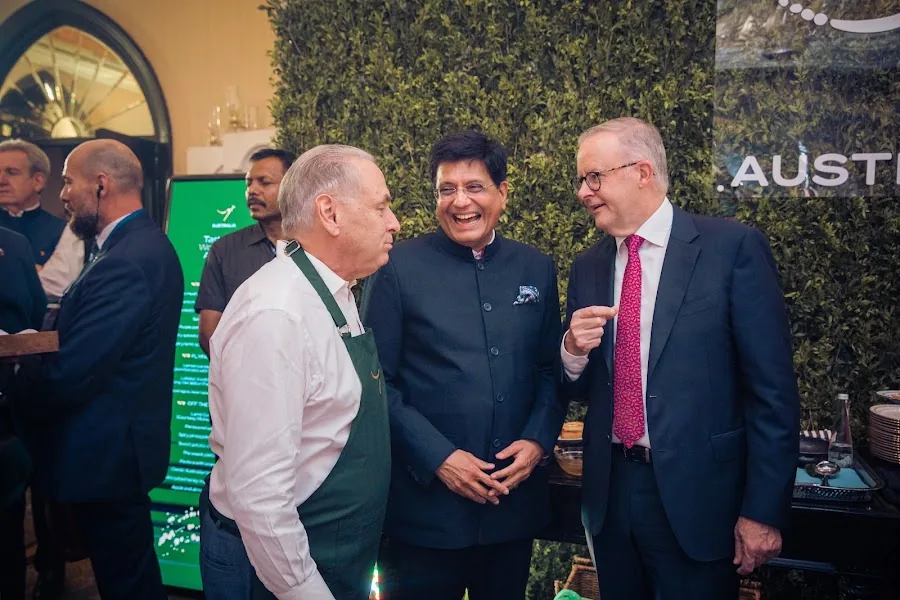
Conference edits live or die by organisation.
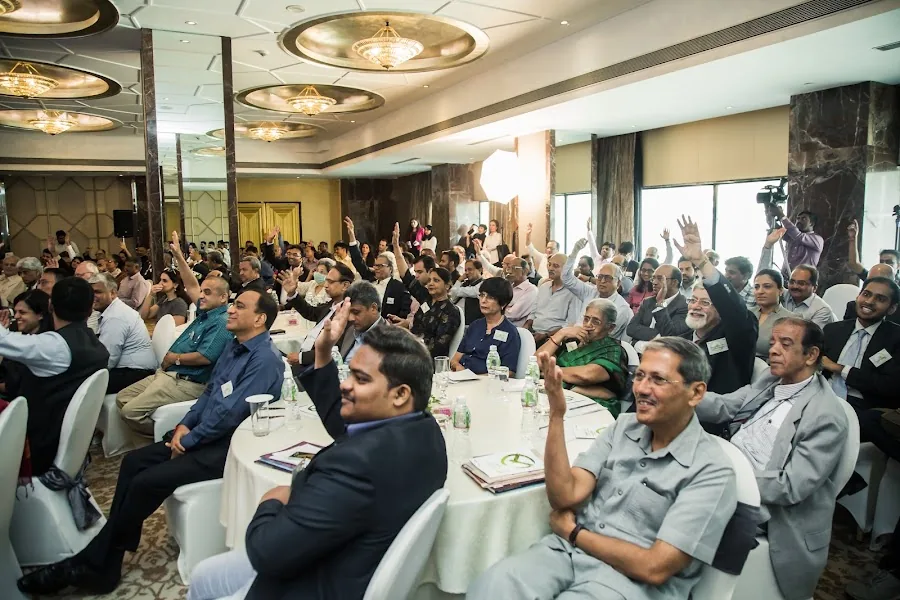
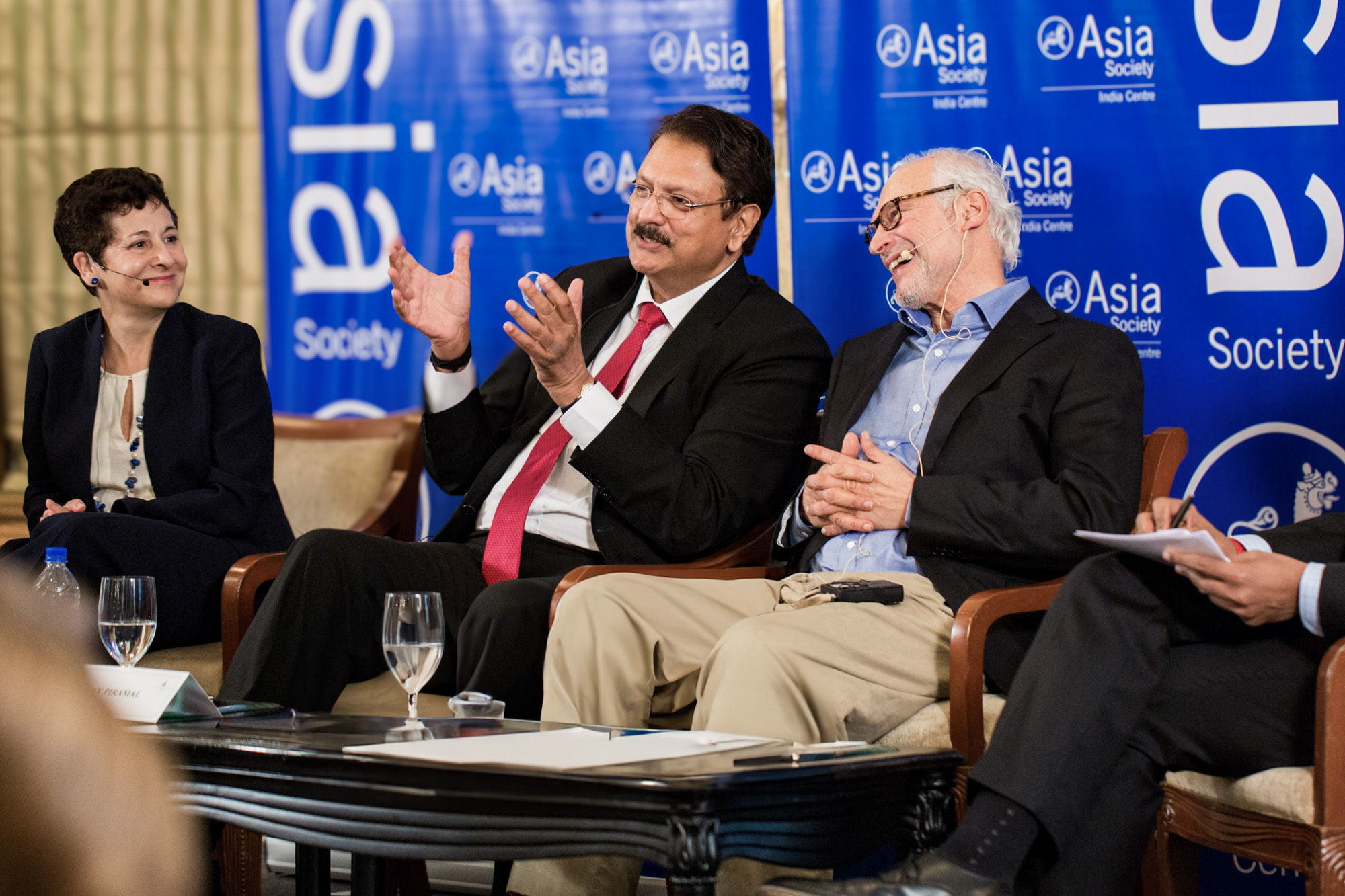
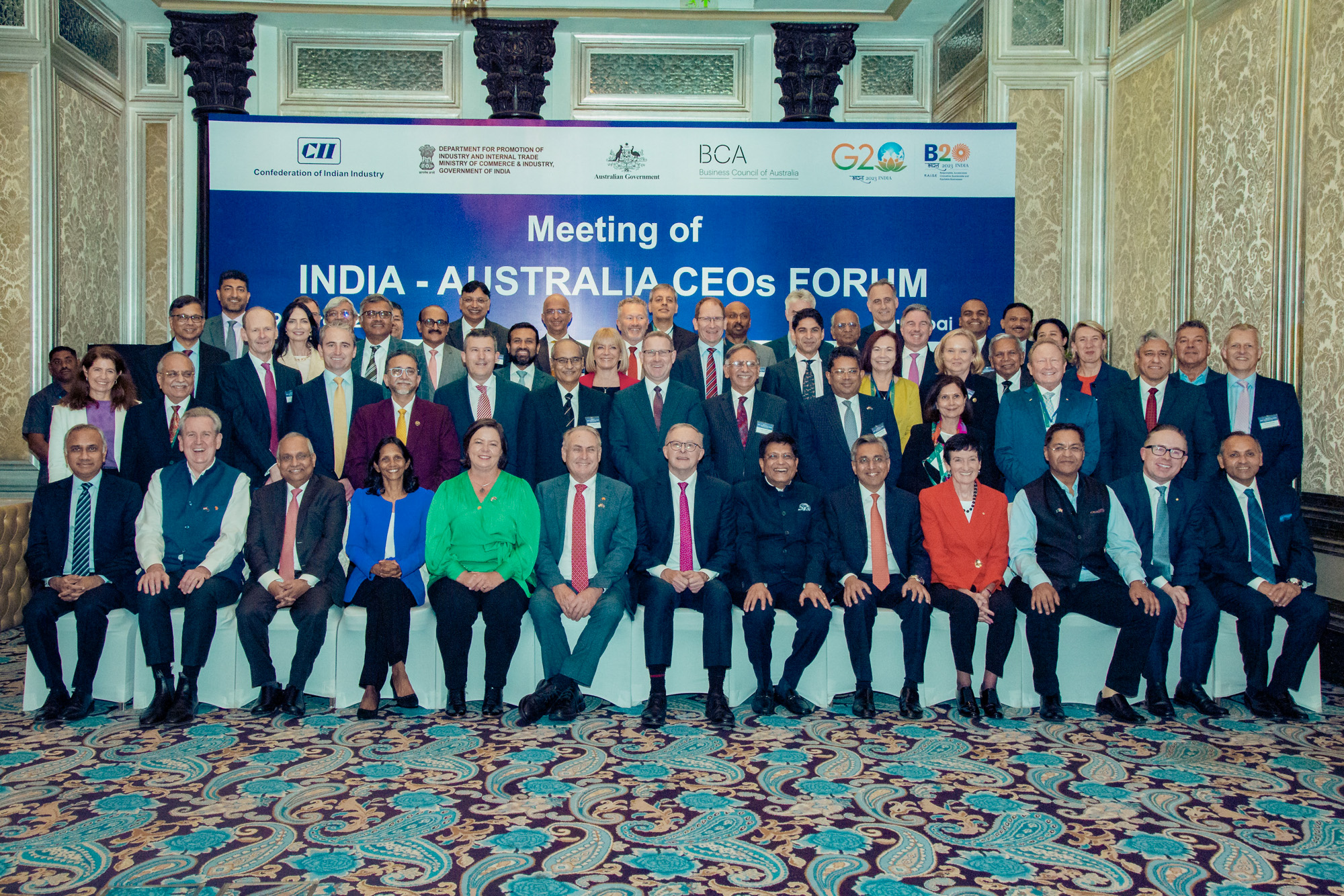
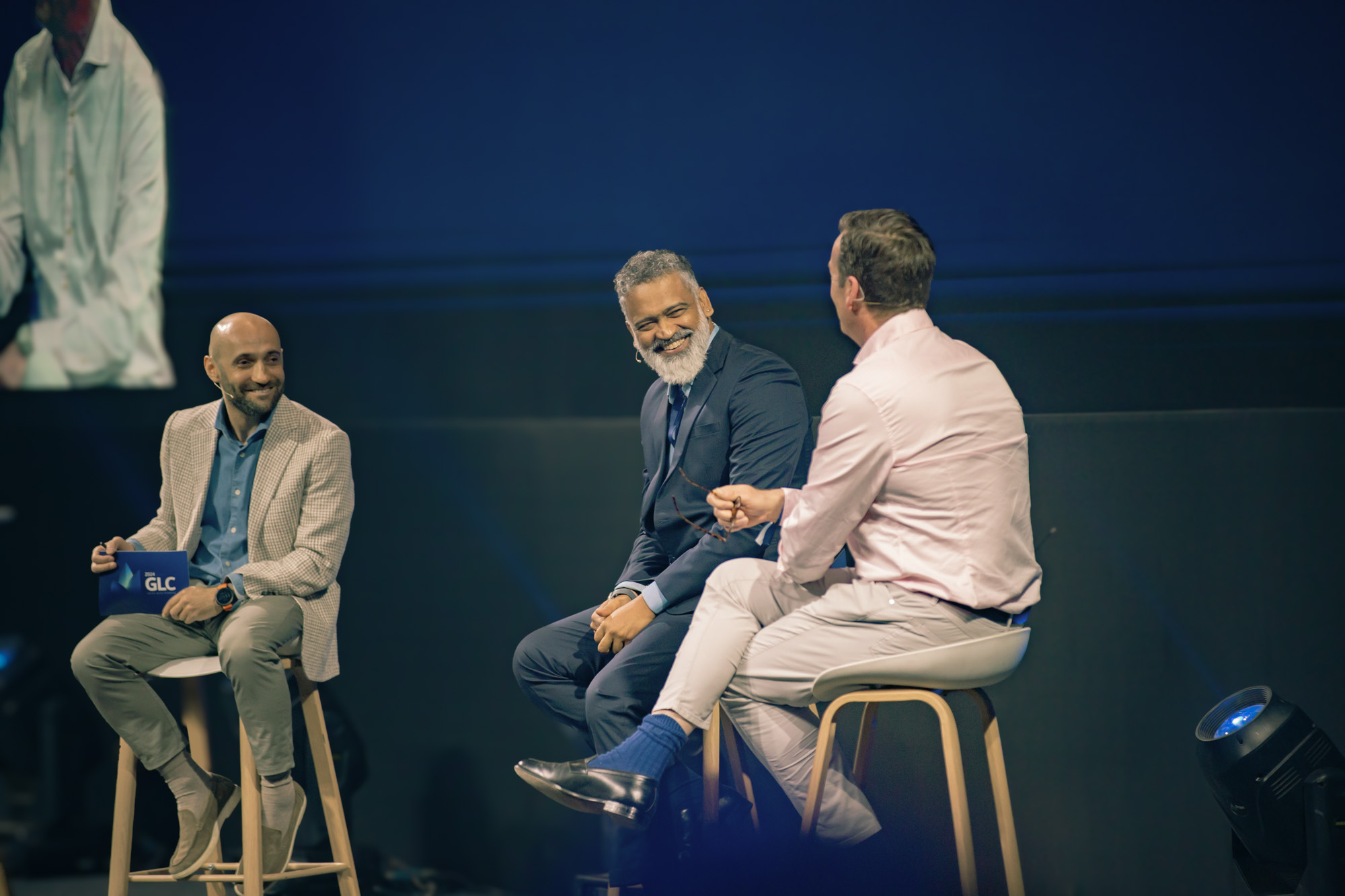
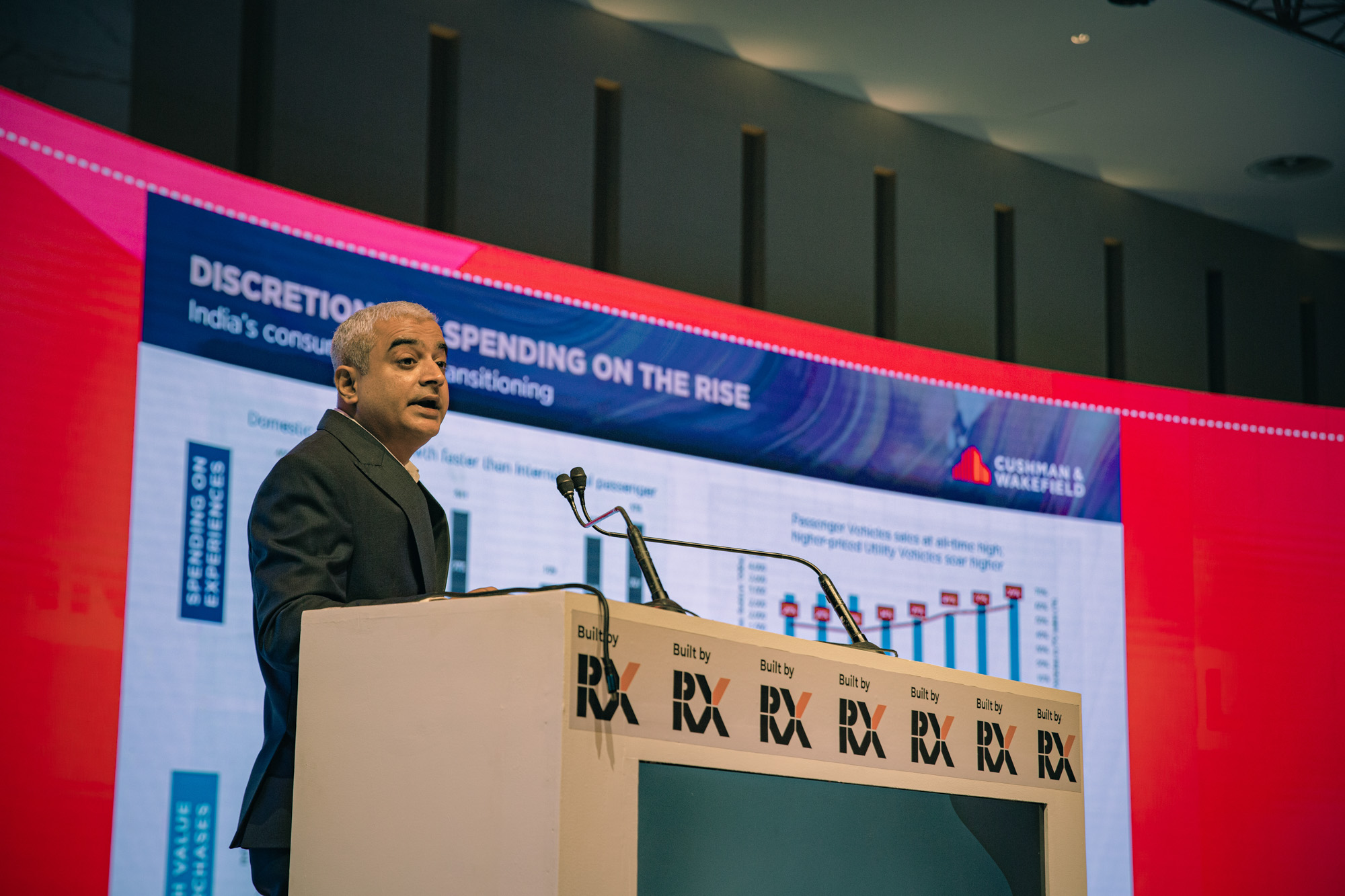
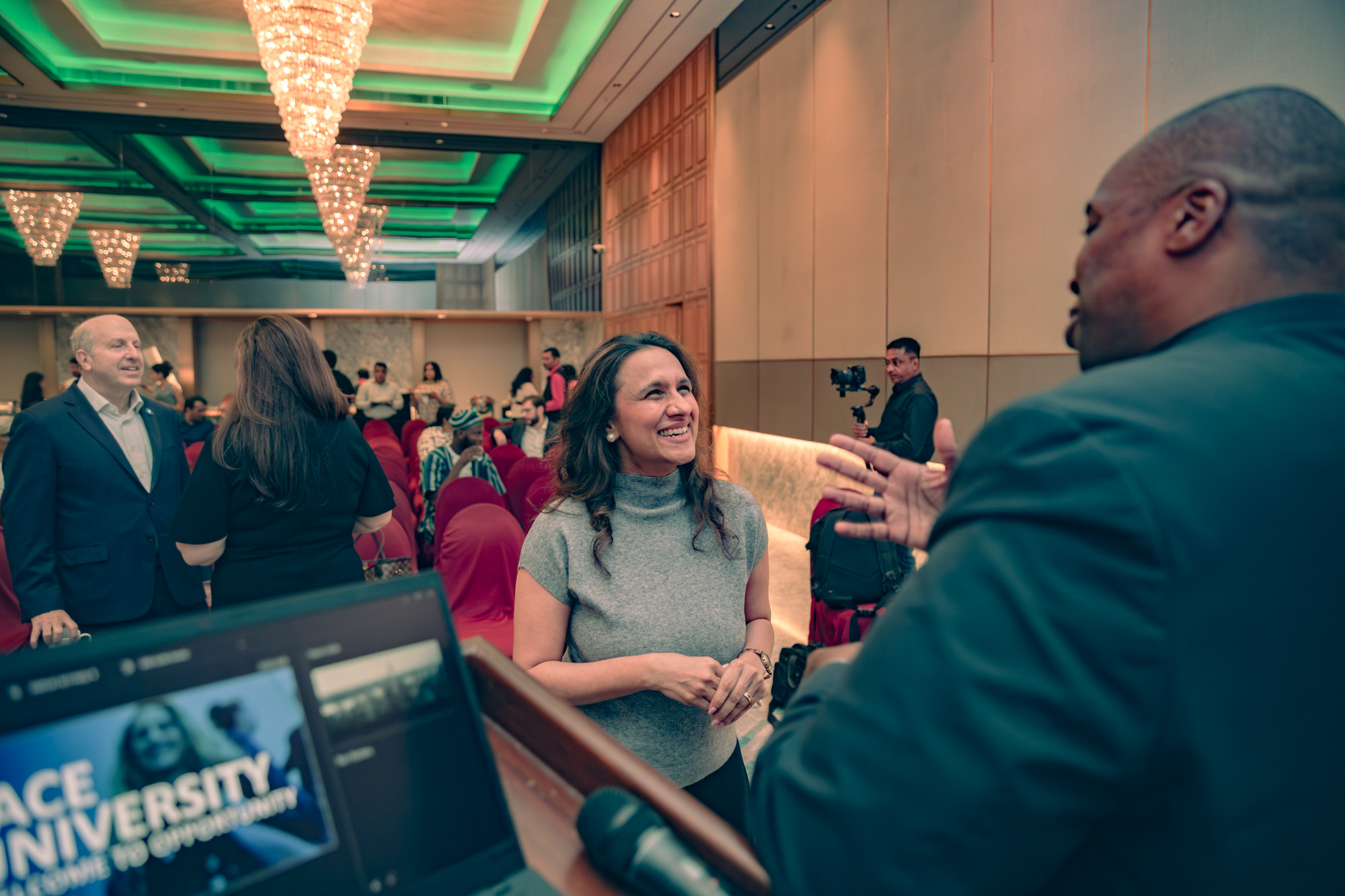
Large events such as JP Morgan’s annual conference, ICEF or Linux Foundation programmes can create long recordings, interviews, B-roll and several delivery priorities in one production day.
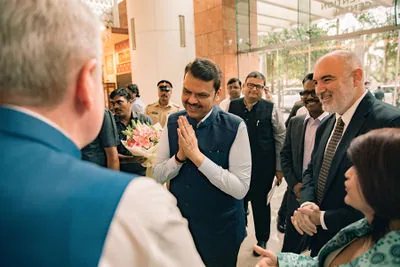
Multiple cameras and audio sources must be named, synchronised and connected to the correct session or speaker.

Full records, highlights and social clips ask different questions of the same footage.

Build folders, naming and deliverable tracking before editing begins; memory is not a system.
Decision table
Know what is ready at each review stage.
This reduces comments on unfinished work and protects revision time.
| Stage | What is ready | What to review | What not to over-focus on |
|---|---|---|---|
| Assembly | Complete rough story or programme structure | Missing ideas, order, relevance, duration | Final colour and polish |
| Fine cut | Refined pacing and visuals | Exact quotes, shot choices, repetitions | Tiny export differences |
| Picture lock | Approved structure and duration | Names, claims, graphics and captions | New story directions |
| Final master | Finished sound, colour and outputs | Technical accuracy and file delivery | Major structural recuts |
Three revision rules keep post-production healthy.
These are simple, but they prevent most avoidable churn.

Combine stakeholder notes into one timecoded response.

The production team should not adjudicate internal disagreements.
Corrections and agreed revisions are different from new deliverables or a new story.
Continue planning
Related corporate video resources and services.
Use these pages to move from one production decision to the next without rebuilding the brief from scratch.
People Also Ask
Direct answers to the questions buyers usually ask.
The first sentence answers the question; the rest adds practical context.
01What is the first stage of video post-production?
The first stage is secure backup, verification and organisation. Editing should not begin on an unsafe or confused media set.
02What is an assembly edit?
An assembly is the first complete arrangement of selected footage or programme material. It tests structure and content before detailed polish.
03When should colour grading happen?
Final colour work should happen after the structure and shot selection are stable, so finished work is not repeatedly discarded.
04How many revision rounds are normal?
Many corporate projects include one or two consolidated rounds. The proposal should state the number and define what counts as a new scope.
05Are captions part of post-production?
Yes. Transcription, correction, styling, timing and delivery of burned-in or separate caption files should be scoped.
06What is picture lock?
Picture lock means the sequence, timing and chosen shots are approved, allowing final sound, colour and graphics to proceed efficiently.
Turn this planning question into a workable production brief.
Share the shoot date, location, audience, programme, required deliverables, interview needs and delivery deadline. We will recommend the smallest team that can execute it properly.
From global conferences to trade missions and corporate events across India.