
Video glossary · buyer’s guide
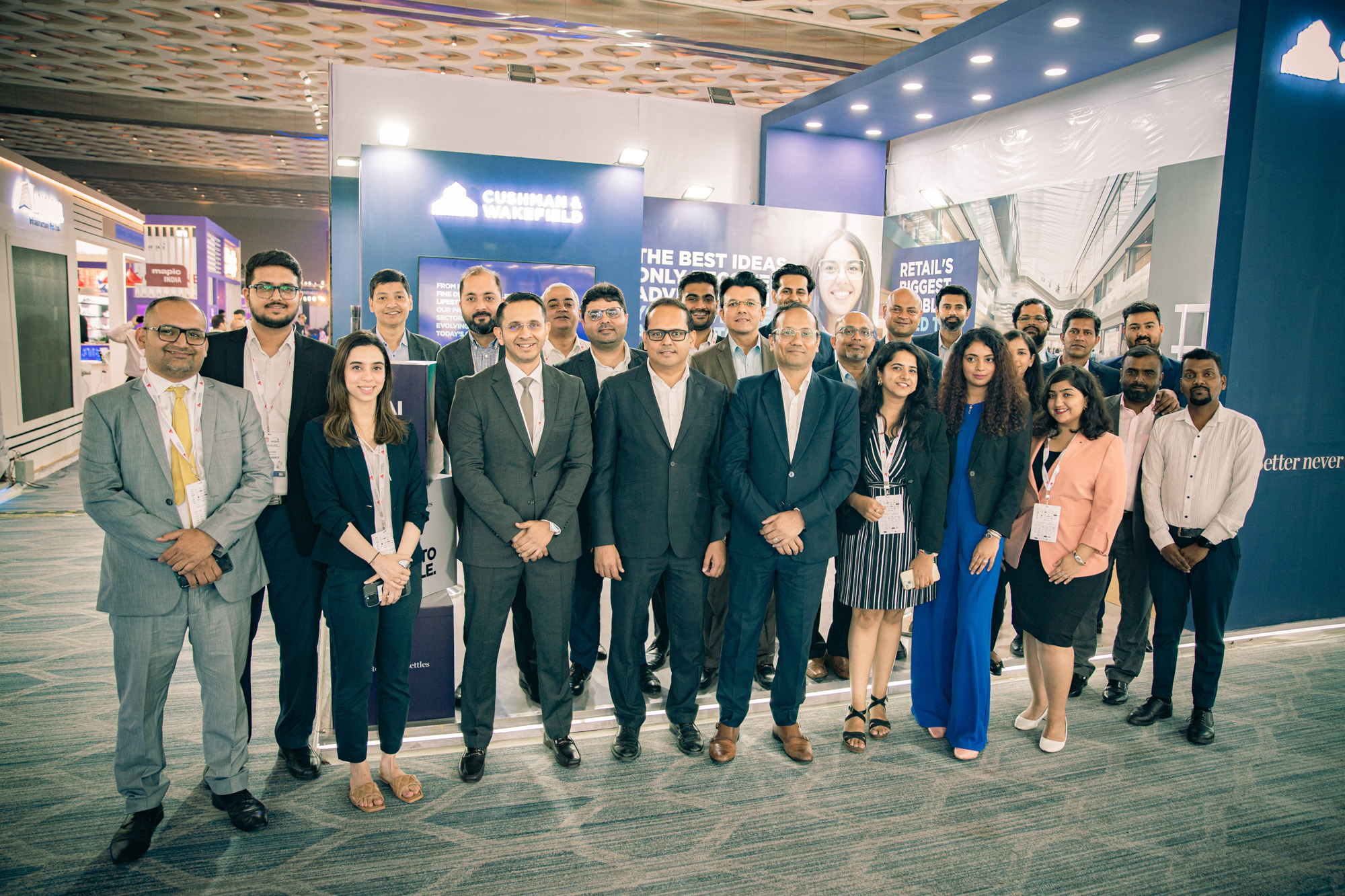
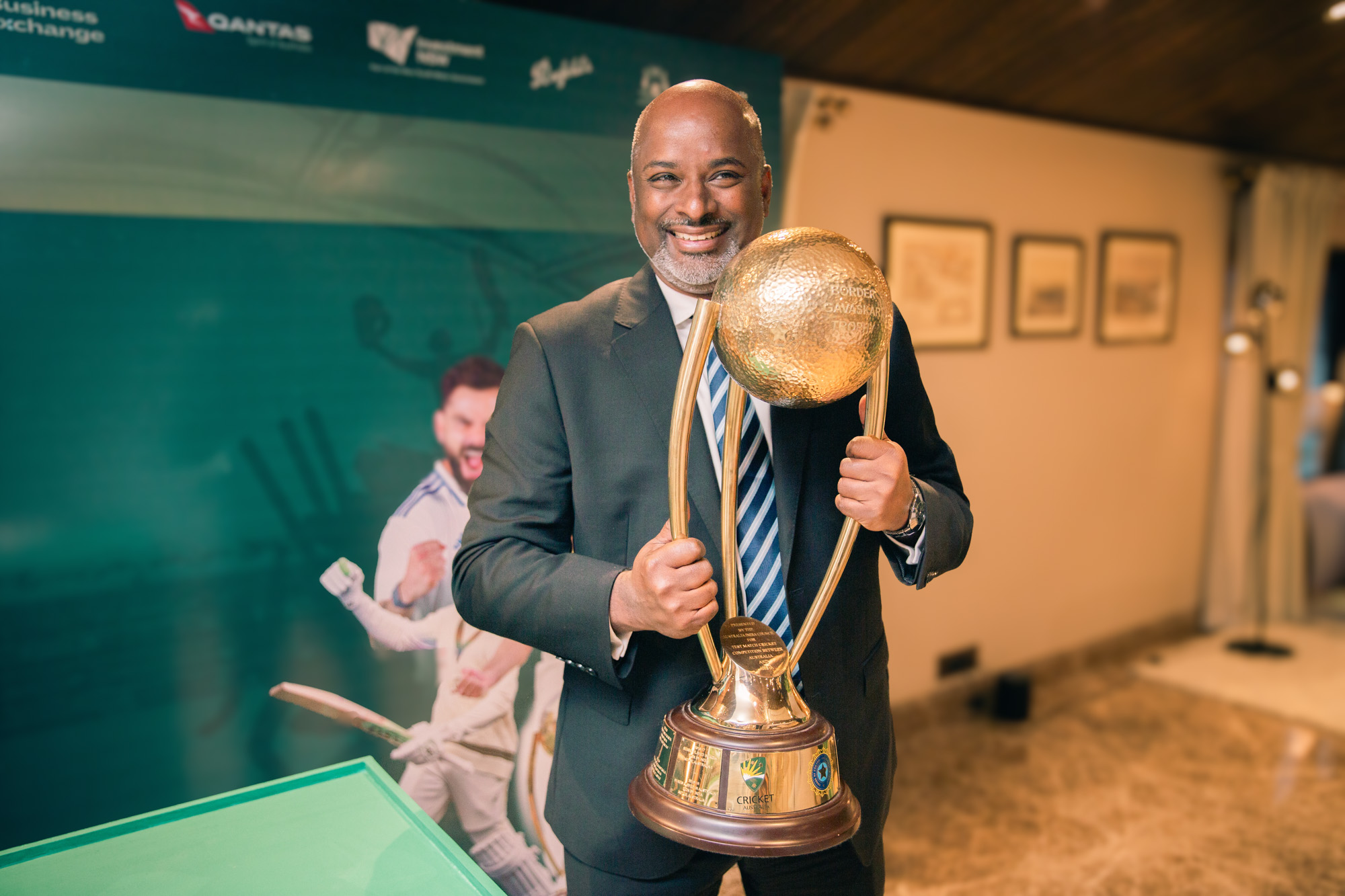
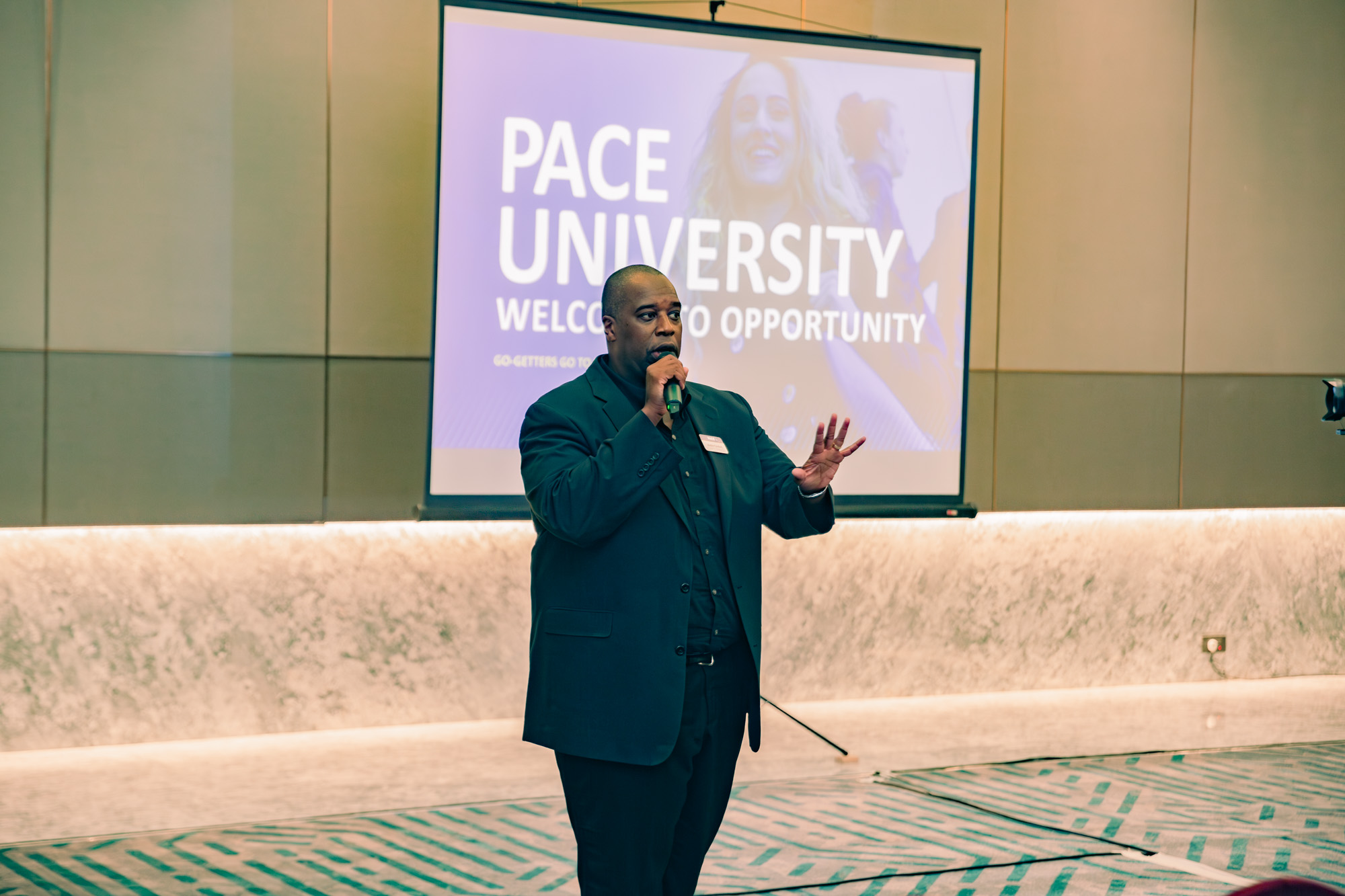
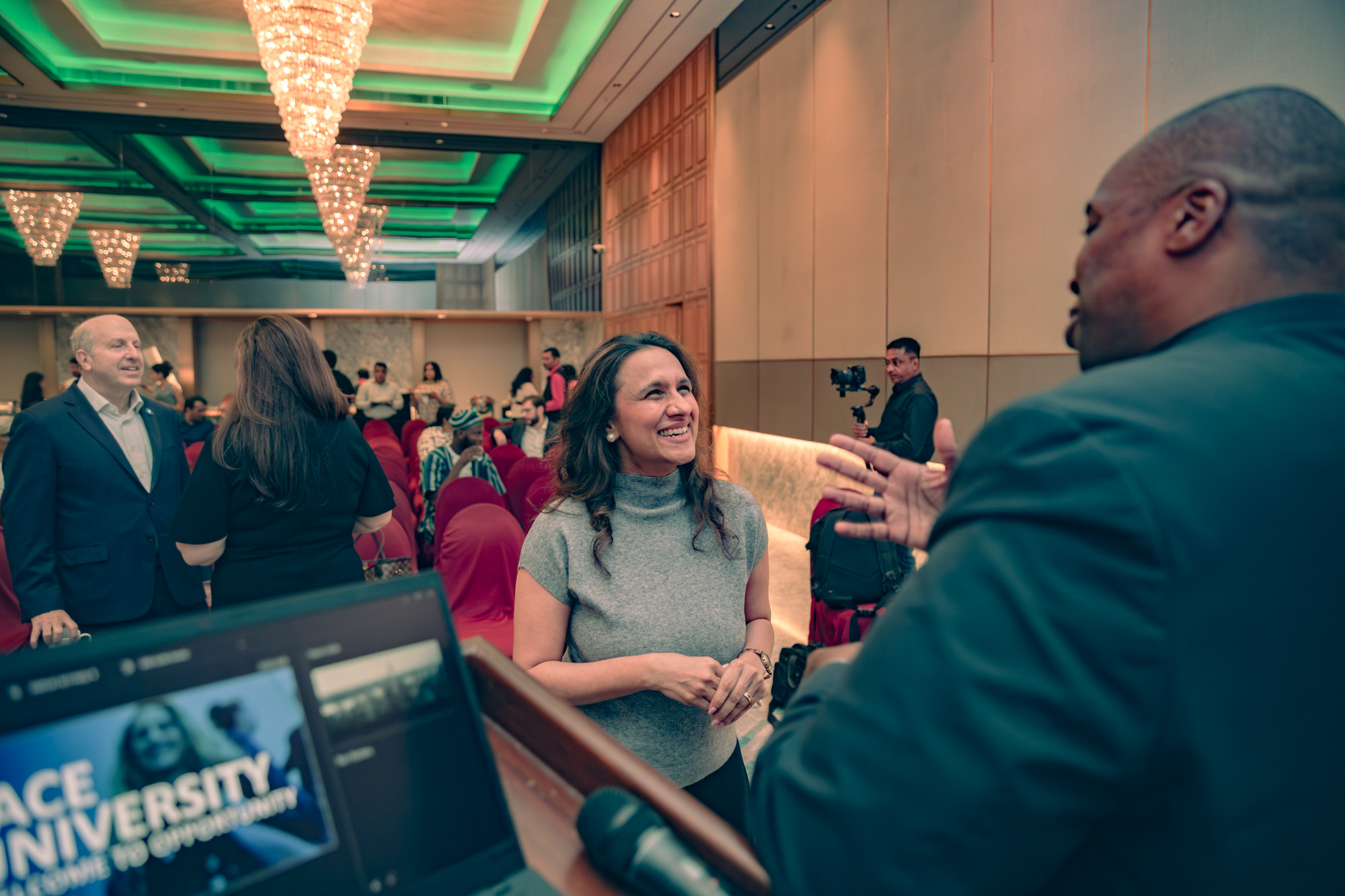
B-roll is not filler. It is the visual evidence that makes the main story believable.
Learn how supporting footage gives context to interviews, hides necessary edits, demonstrates claims and turns a talking-head recording into a corporate film.
This guide translates a filmmaking term into a practical planning tool for communications, marketing, events, employer branding and client-story teams.
Four jobs of B-roll
Supporting footage should earn its place in the edit.
A useful shot often solves more than one editorial problem.

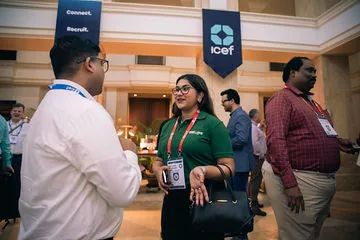
Explain
Shows the place, process, object or activity the speaker refers to.
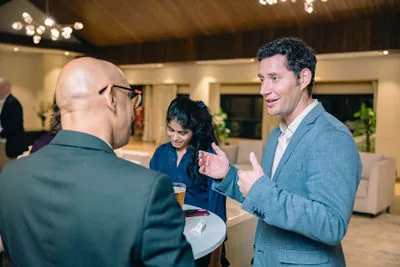
Prove
Provides visible evidence instead of asking the viewer to accept a claim.
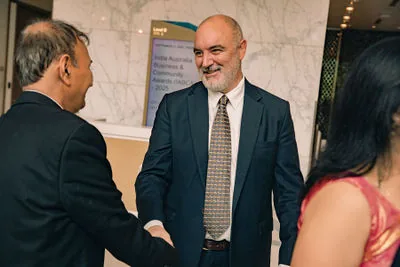
Connect
Bridges interview edits, scenes, speakers and changes in time or location.
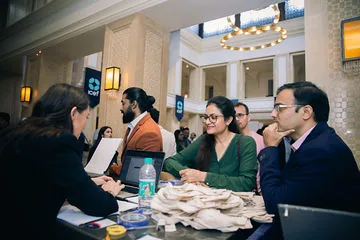
Humanise
Reveals expressions, interaction, texture and atmosphere beyond formal statements.
Shoot with intention
Four weak B-roll habits to avoid.
A large quantity of random clips is not the same as a usable visual library.
Generic laptop typing
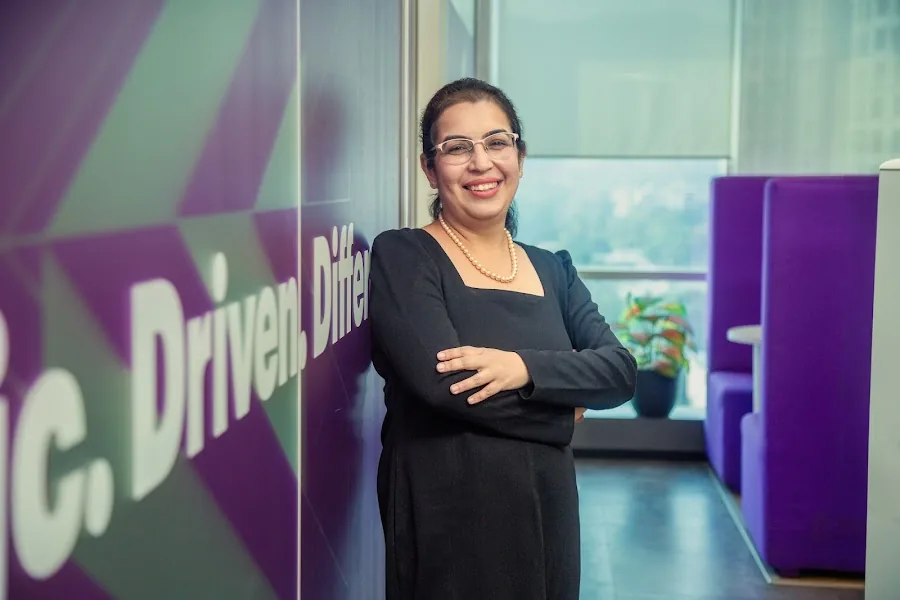
Use actions specific to the company, project or story whenever possible.
One-second camera swings
Hold clean, stable sequences long enough for the editor to use them.
Only wide room shots
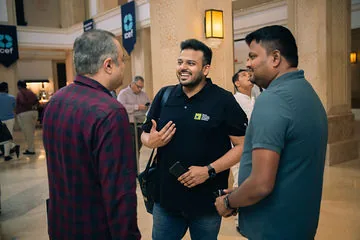
Capture a wide, medium, close and detail layer around important activity.
No relationship to script
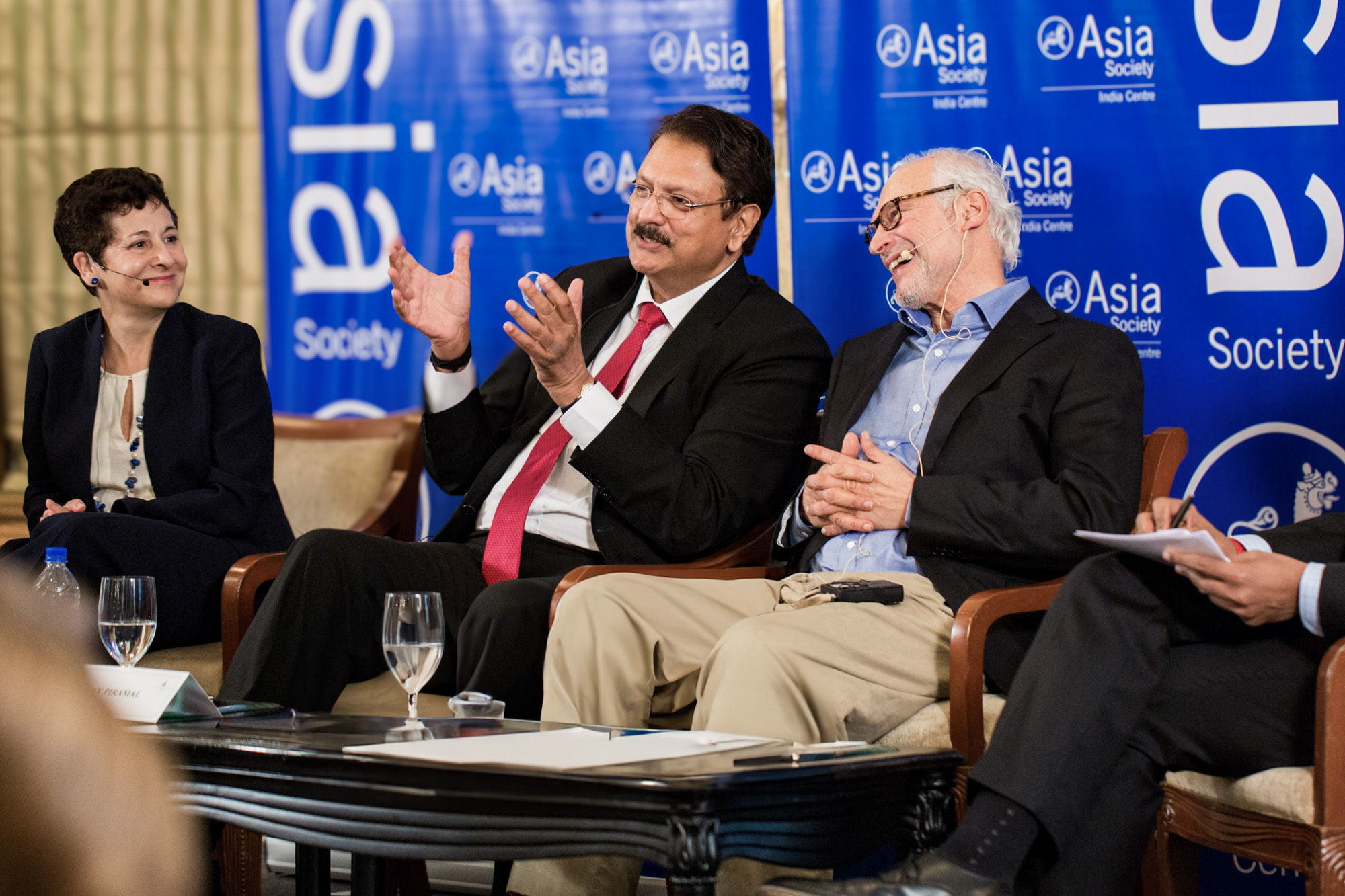
Map priority lines or themes to footage that can visibly support them.



The useful answer
What does B-roll mean in corporate video?
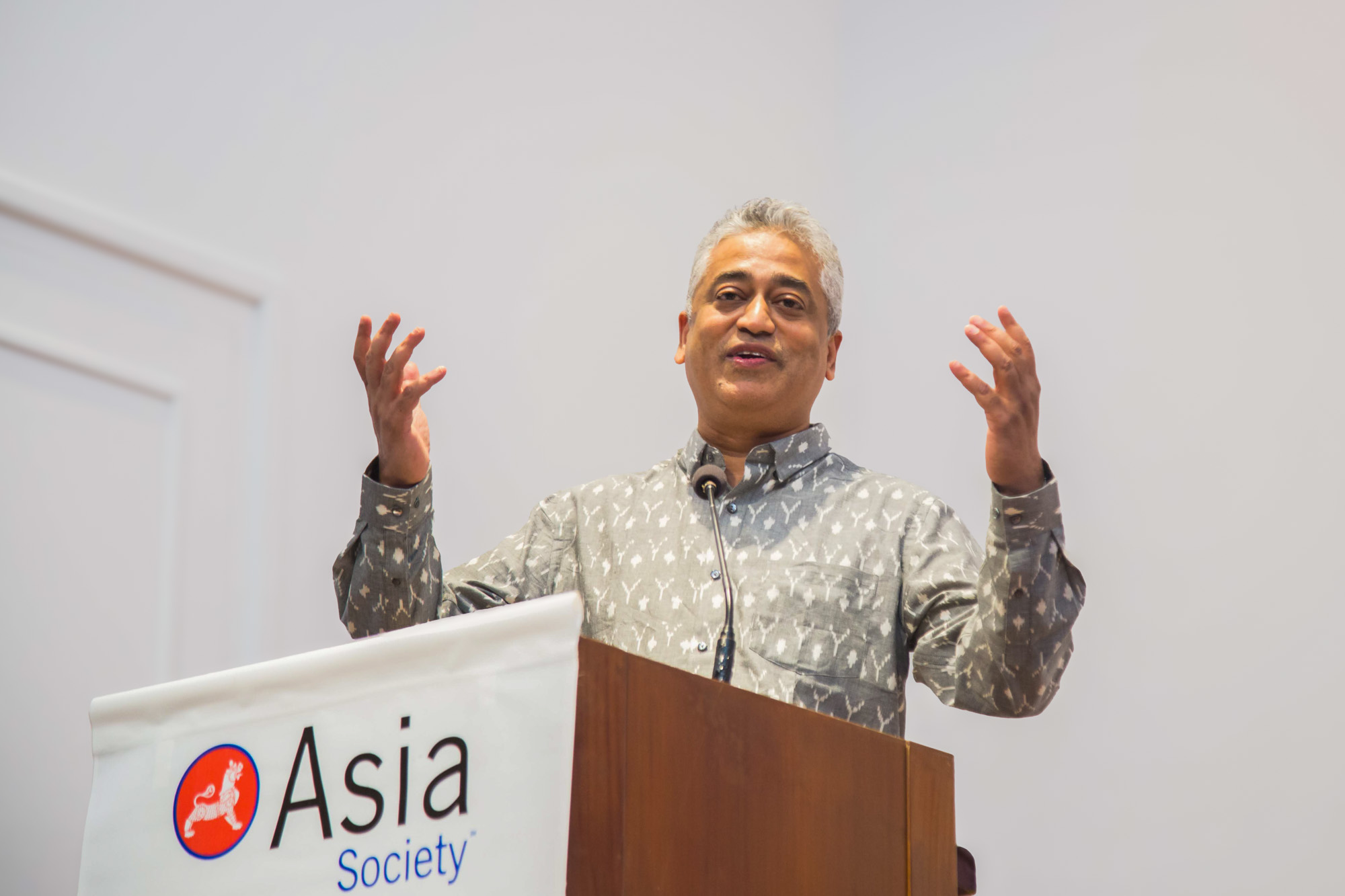
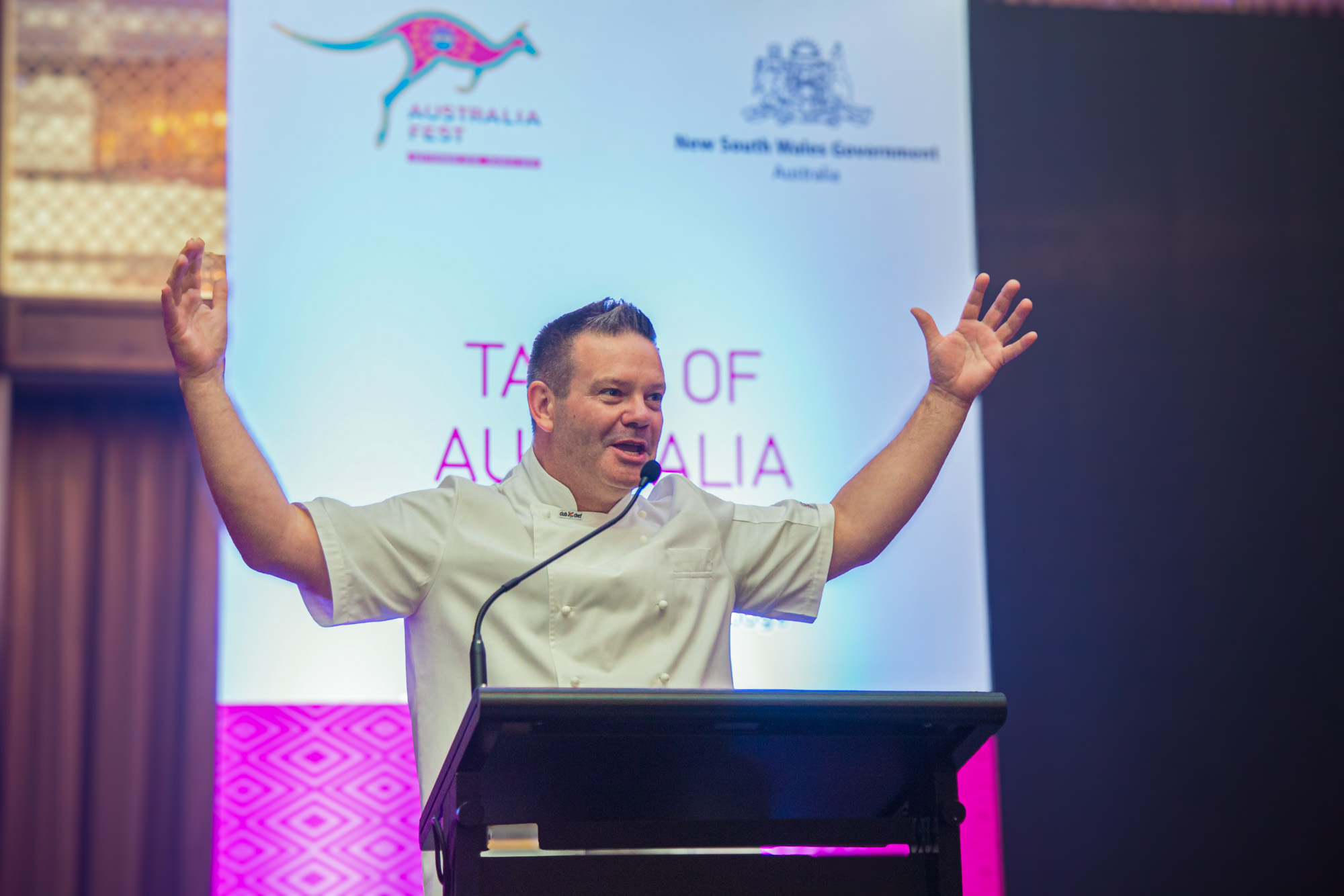
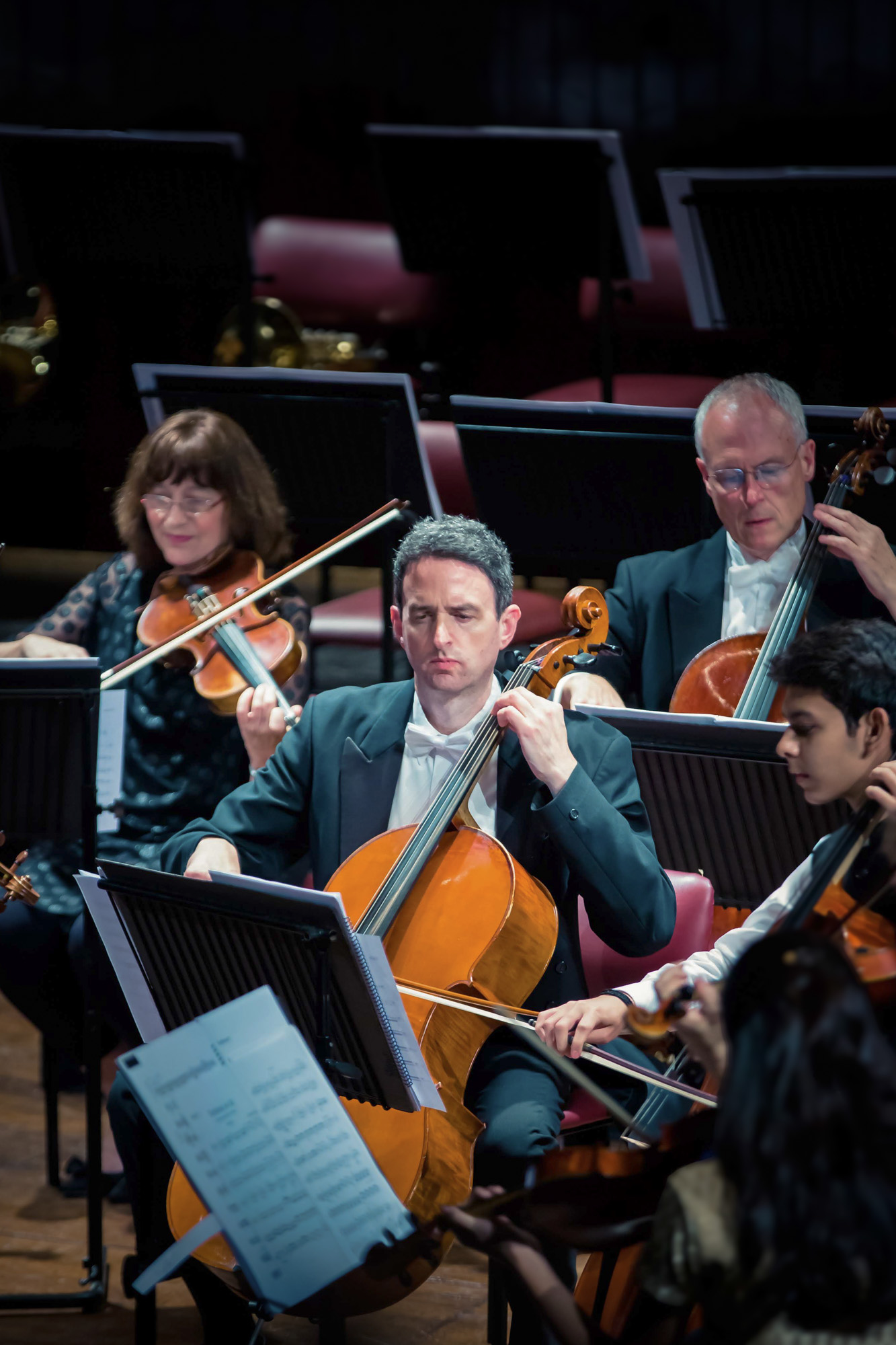
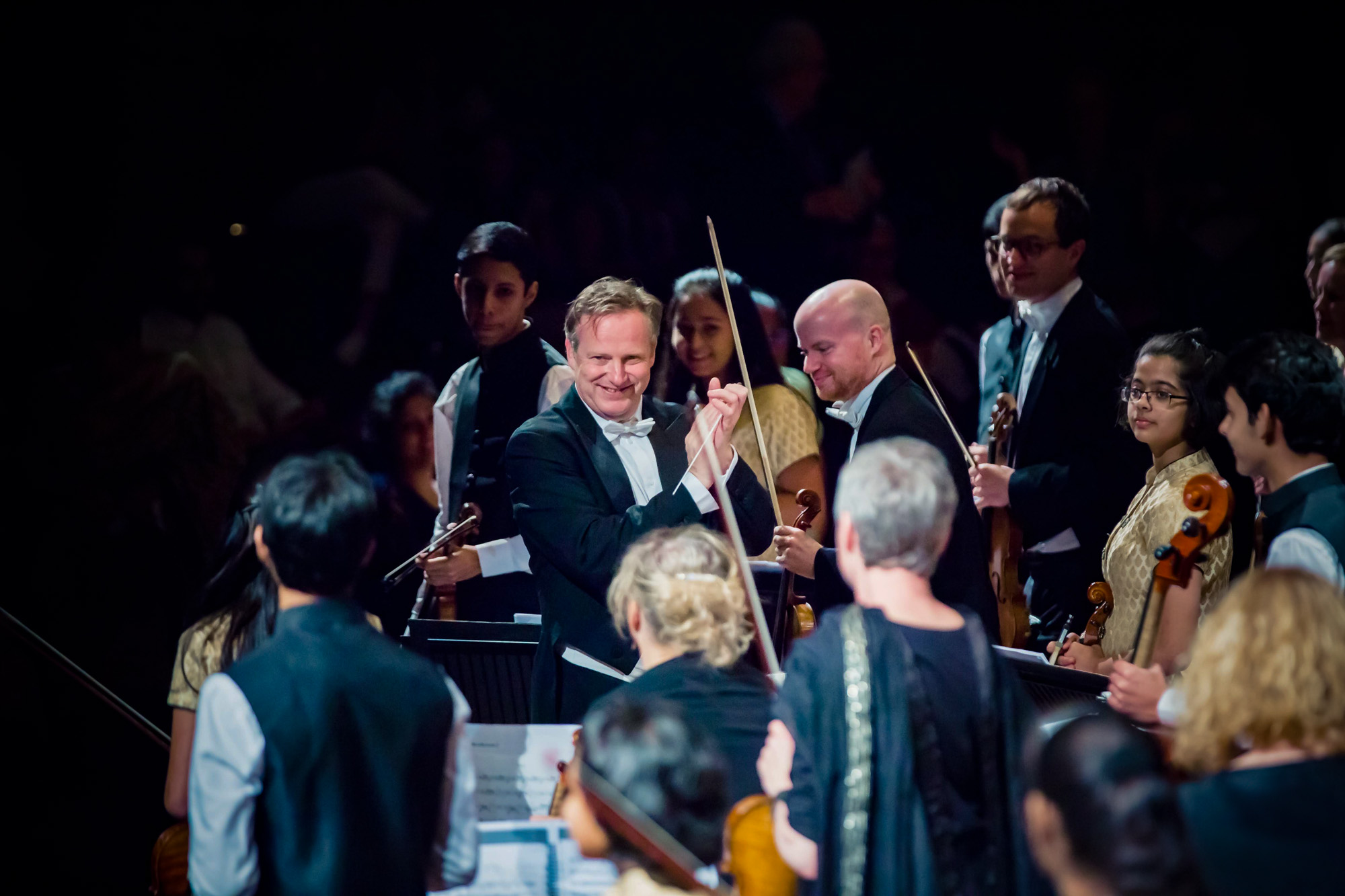
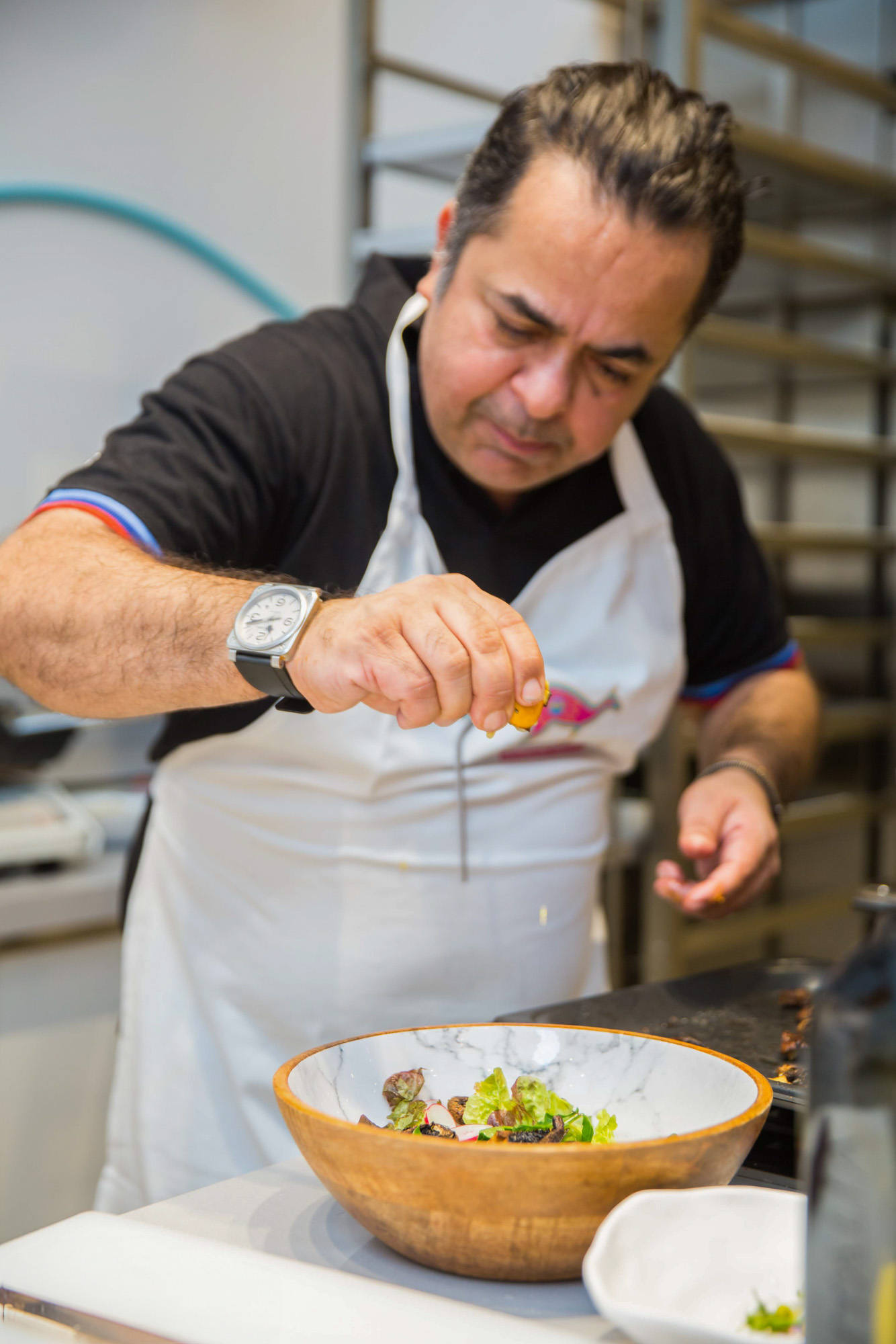
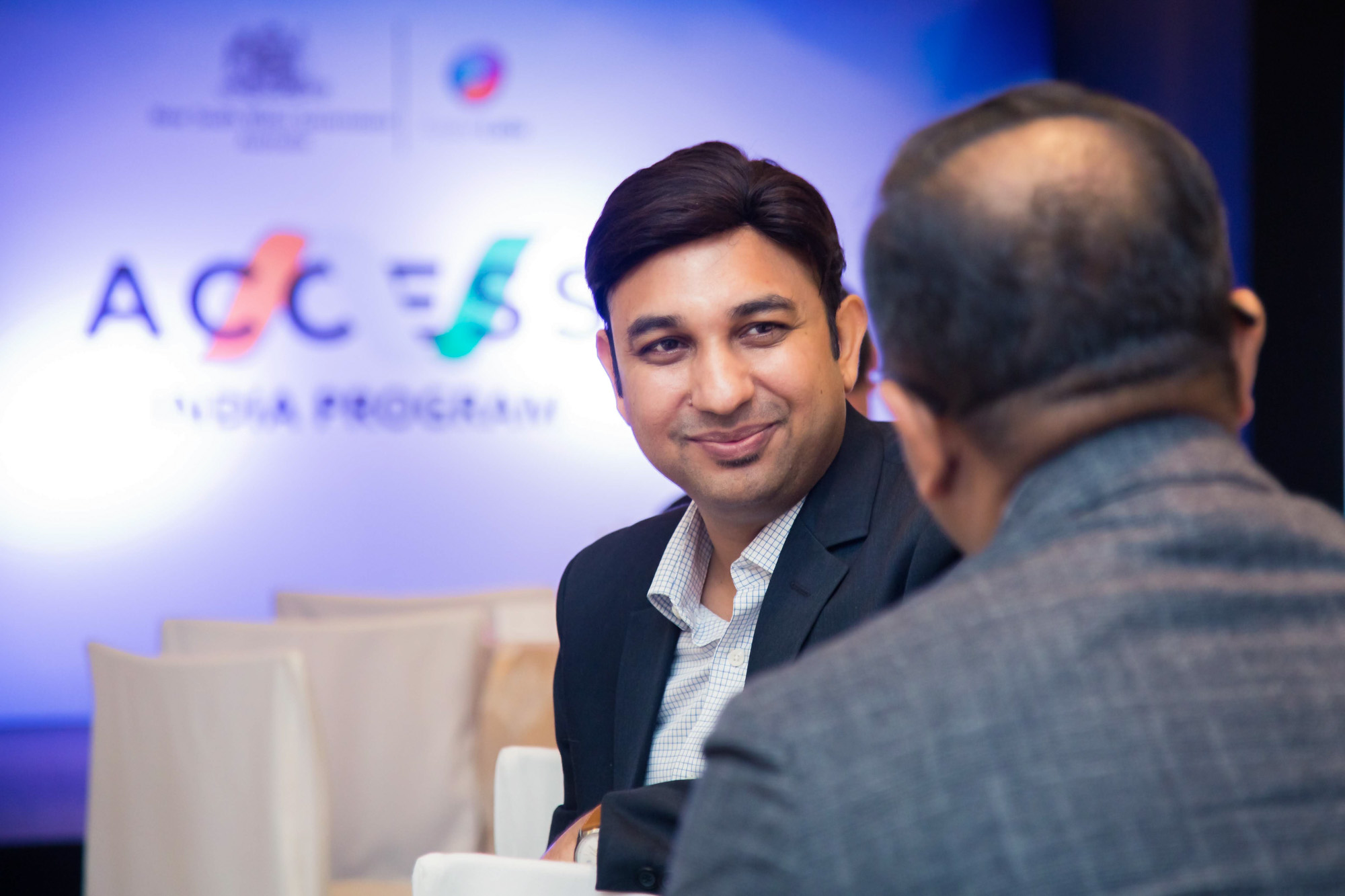
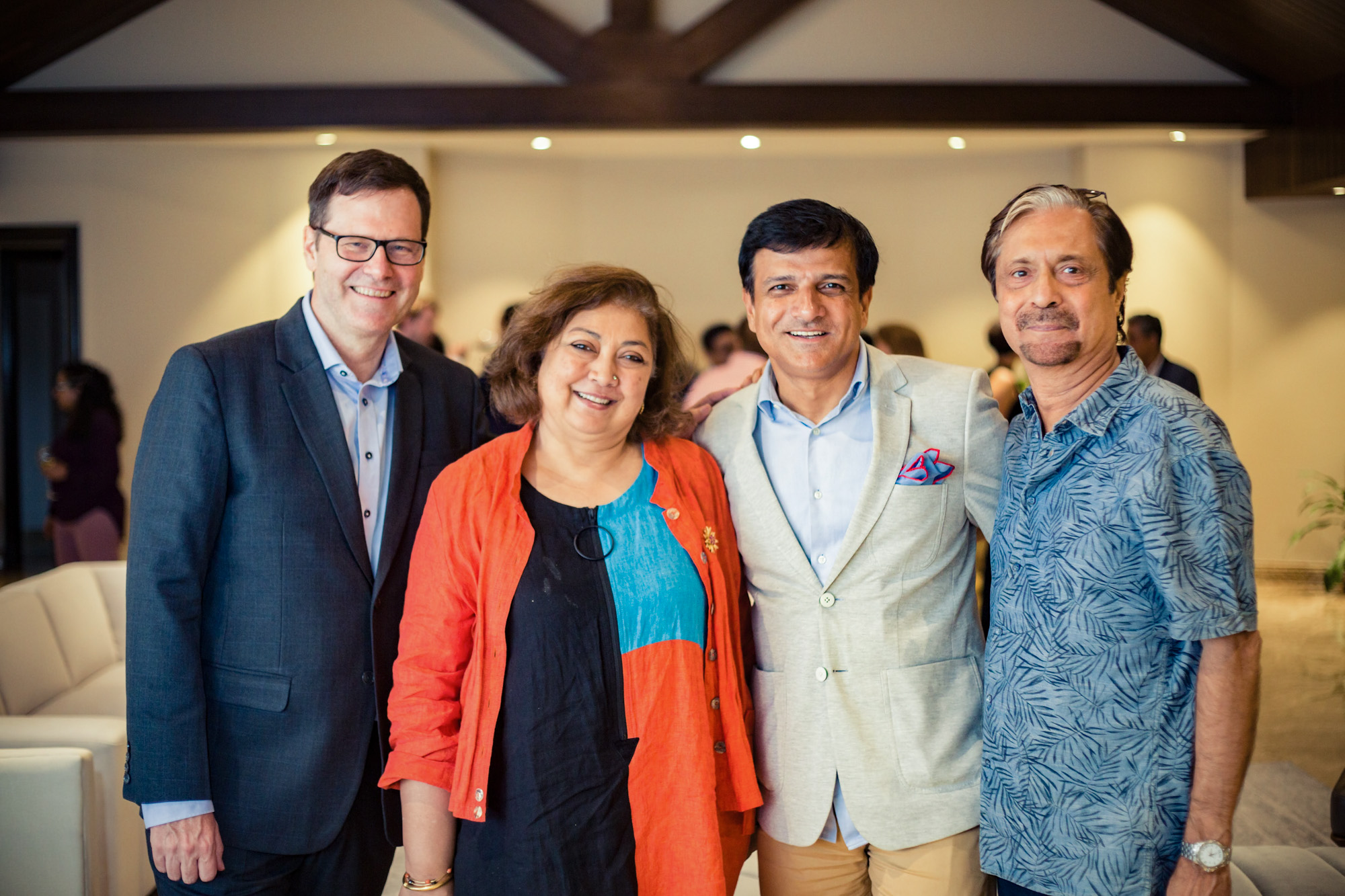
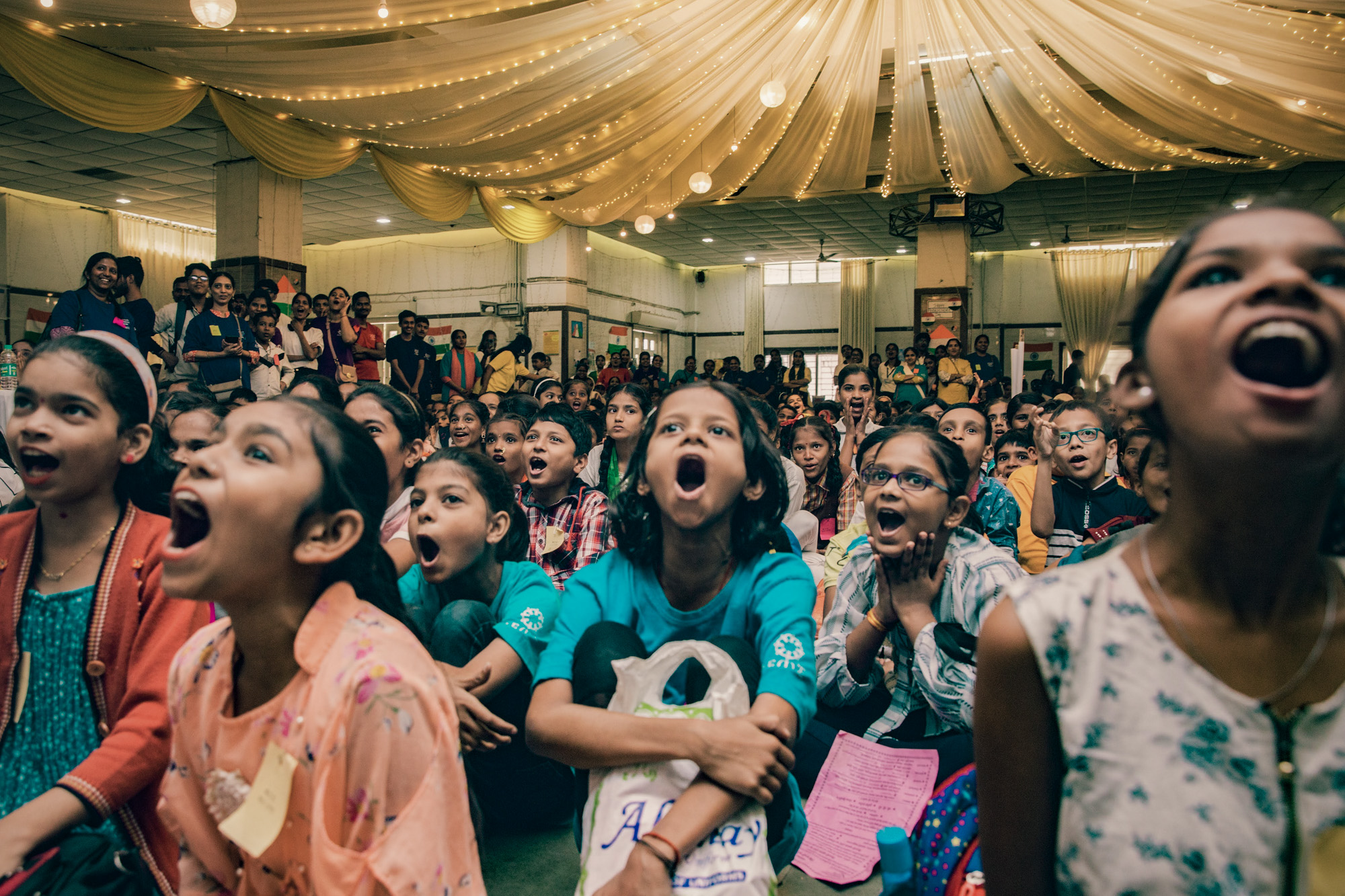
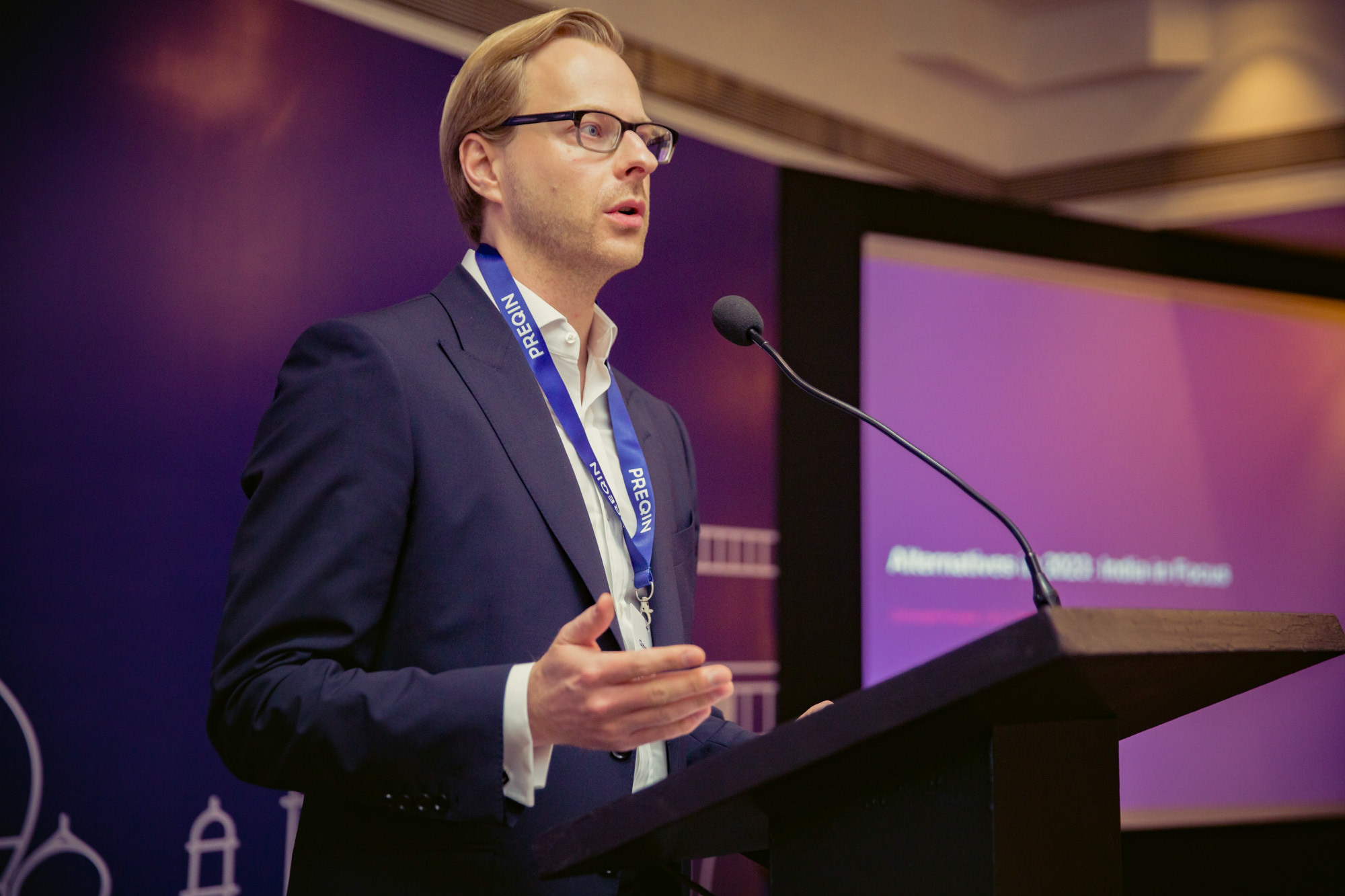
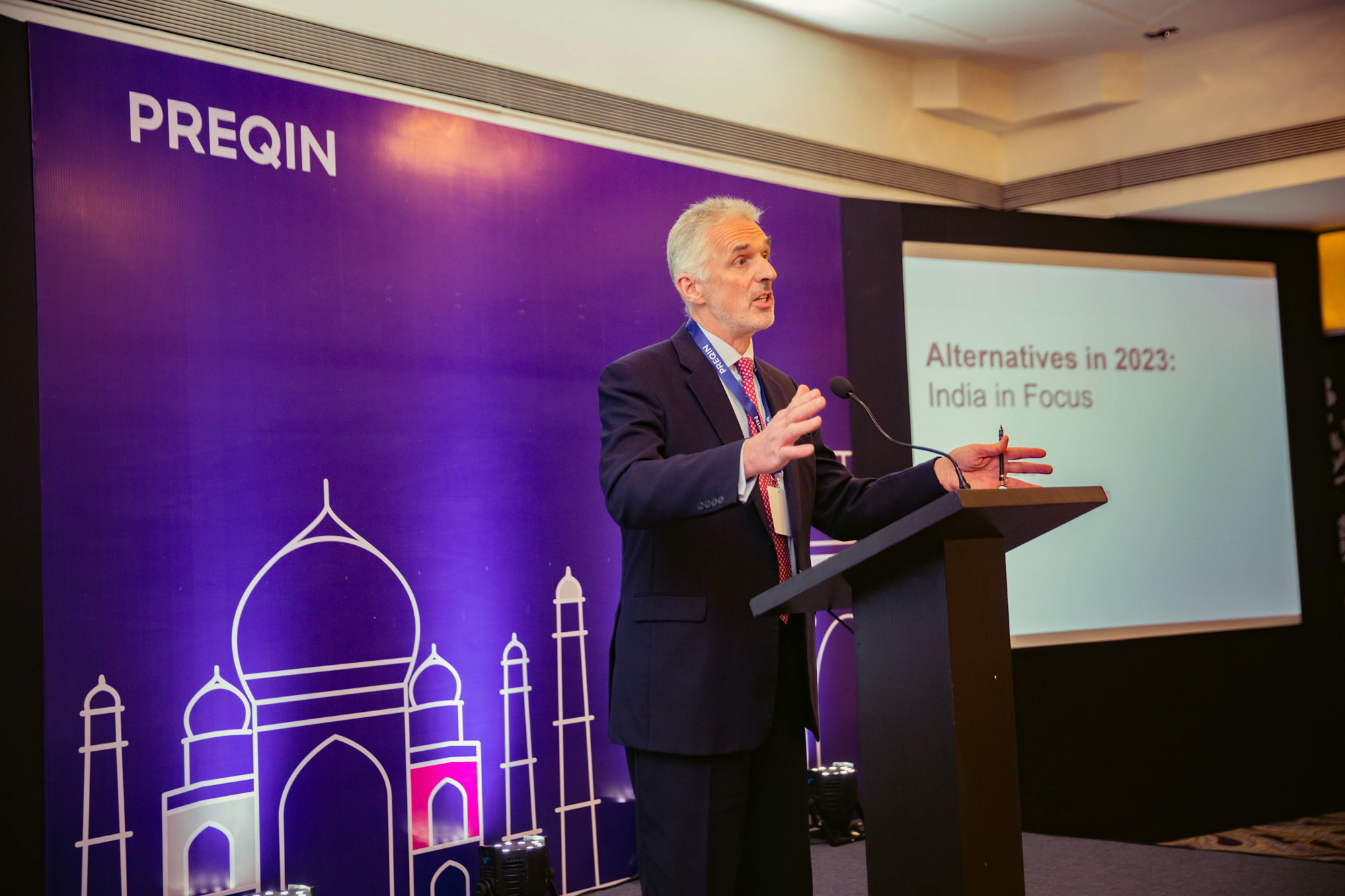
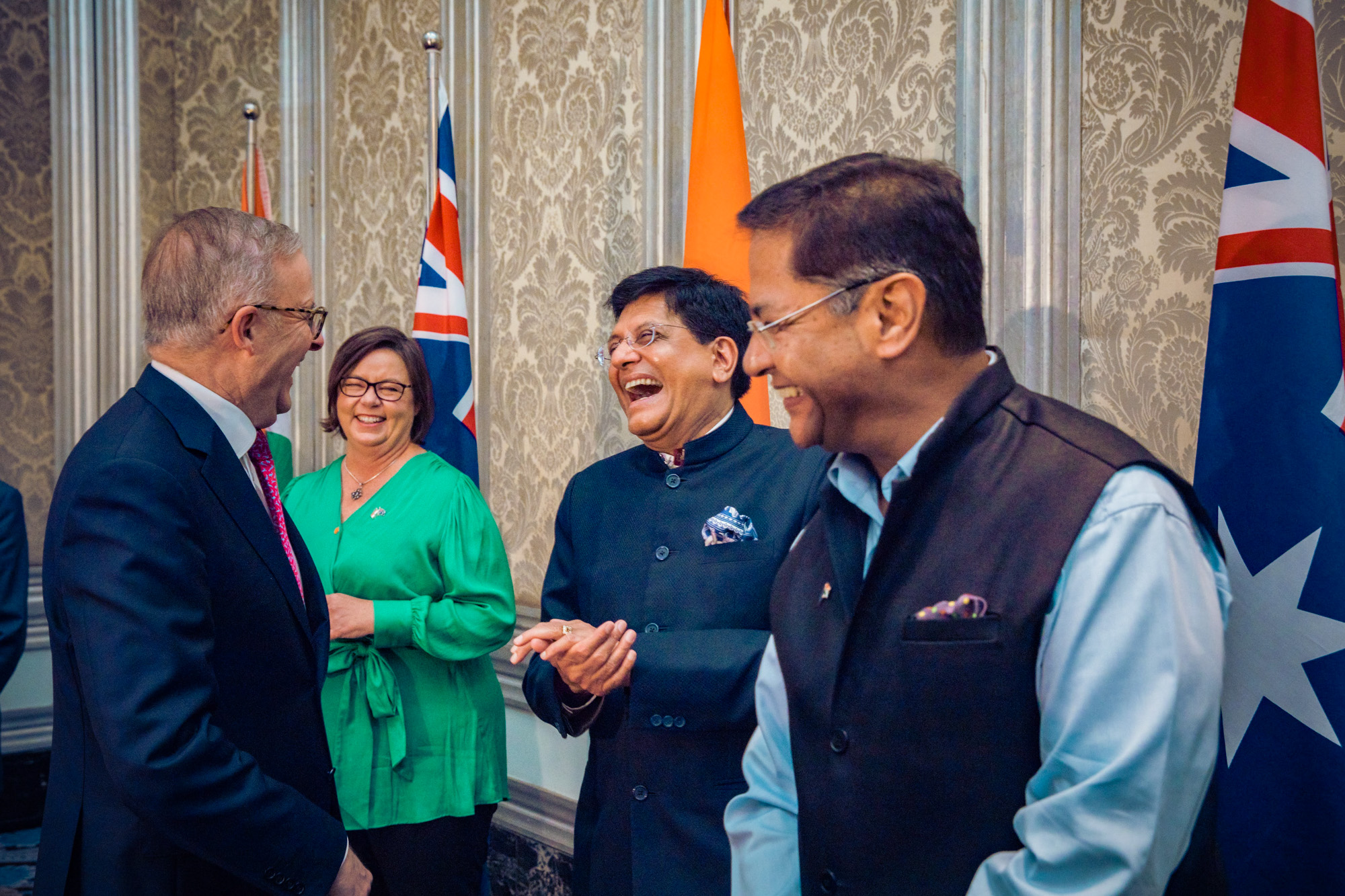
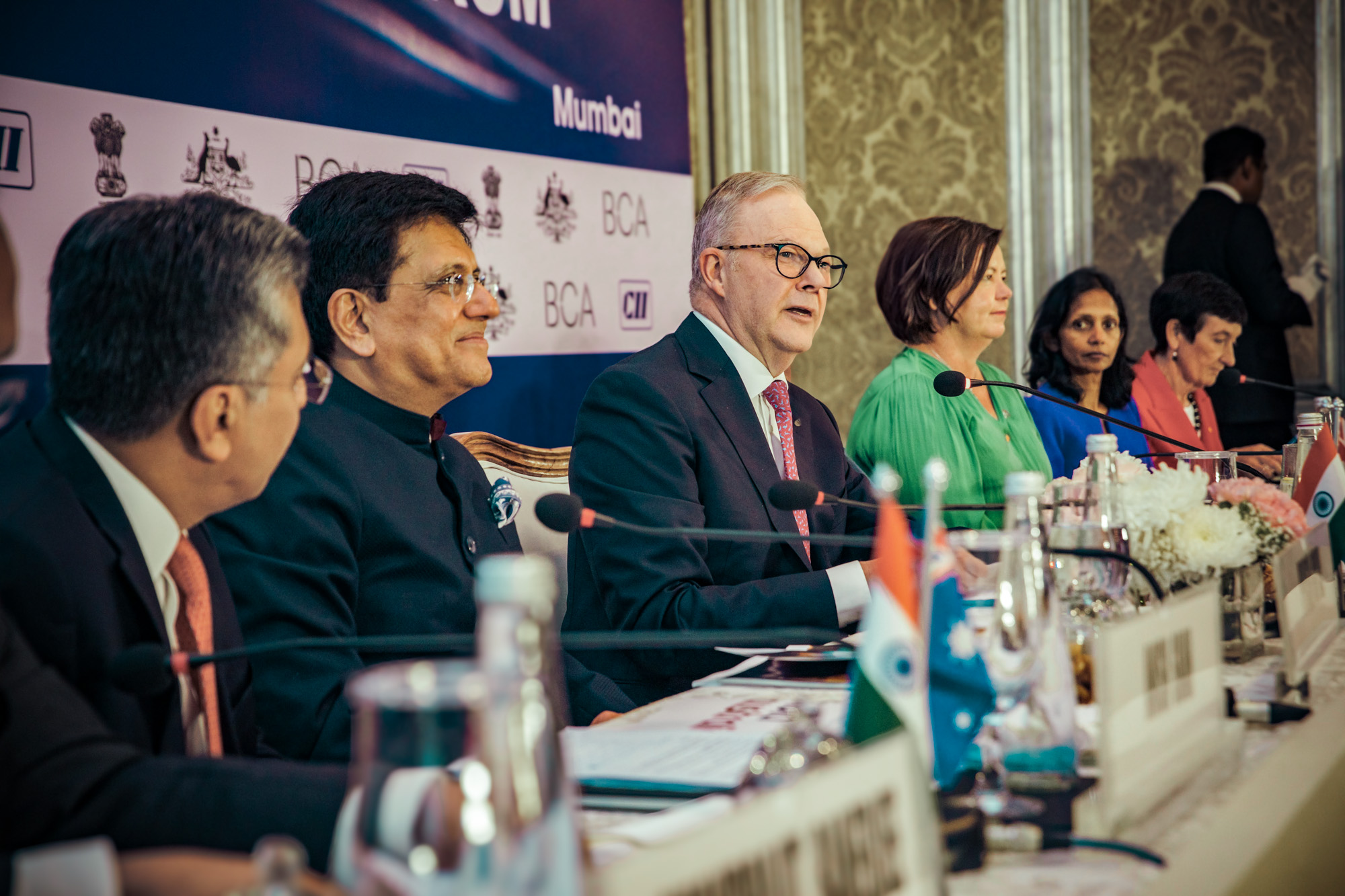
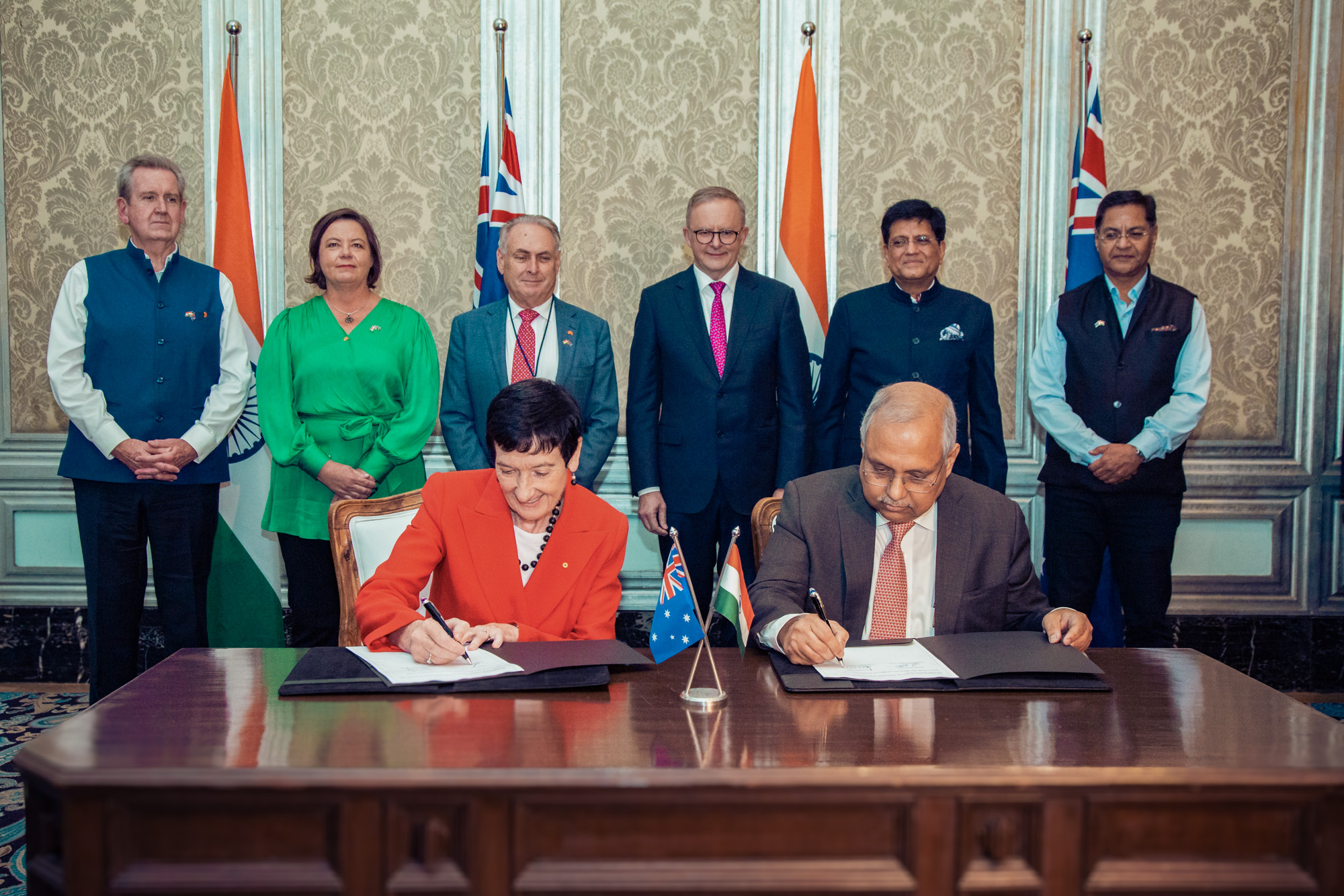
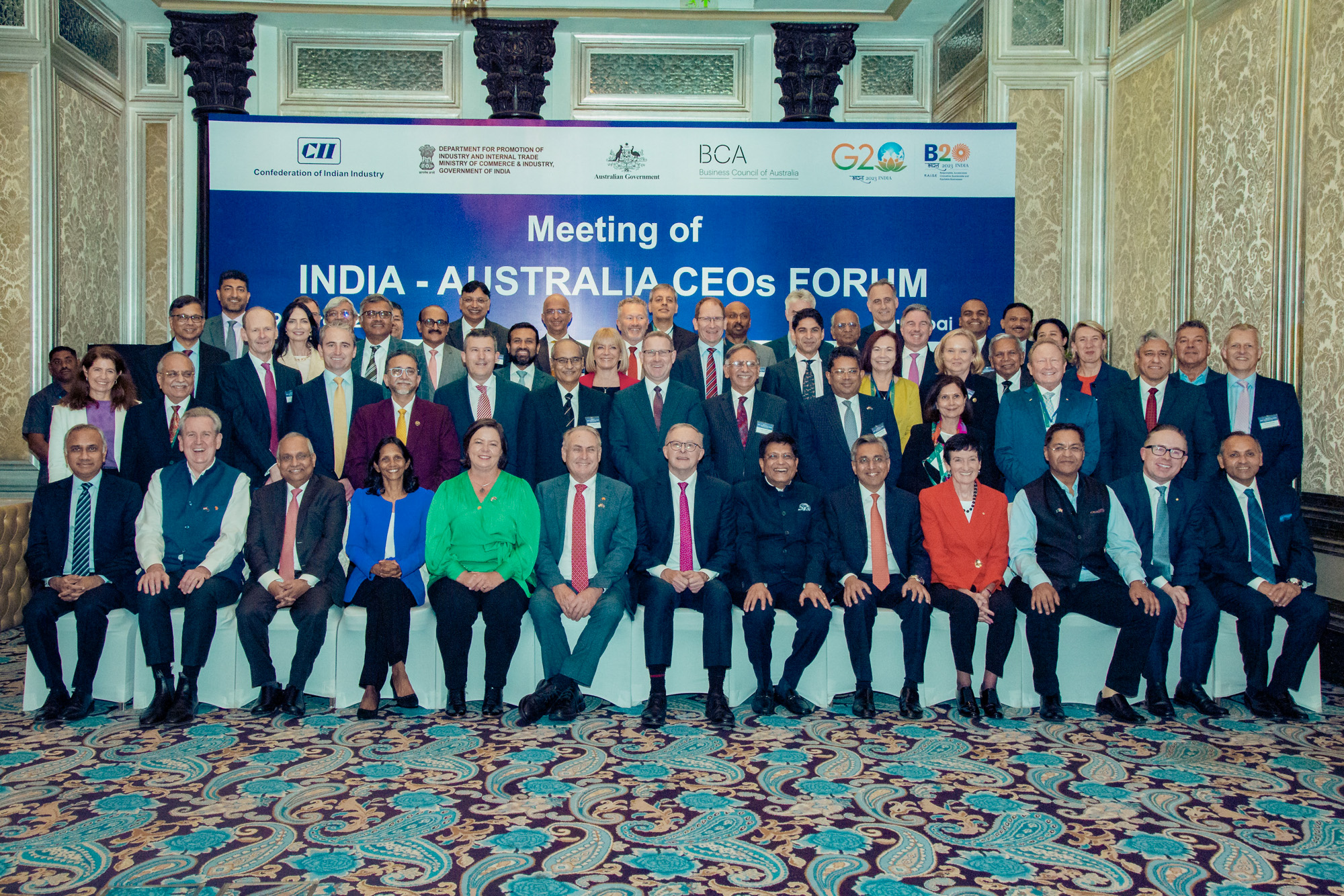
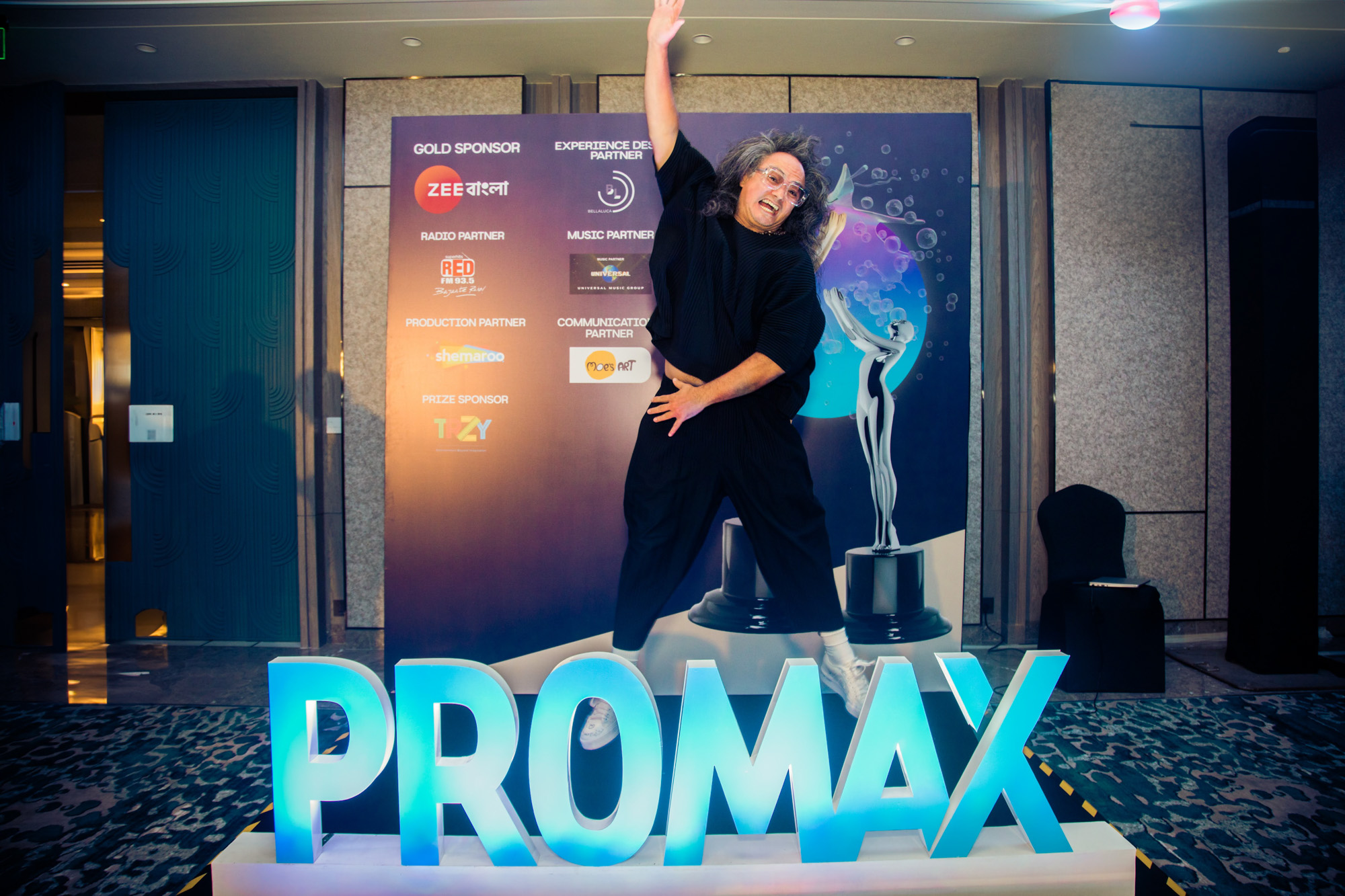
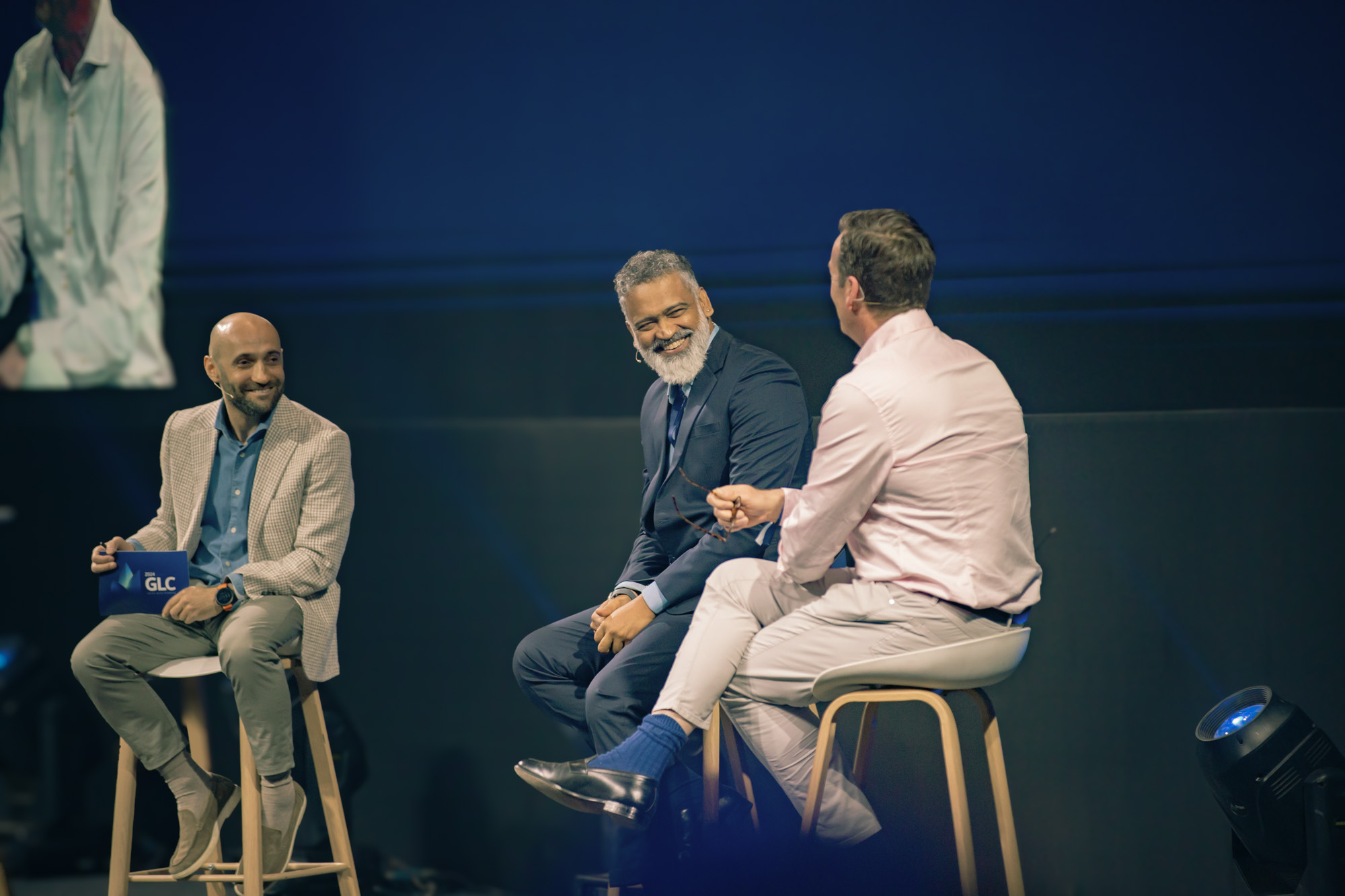
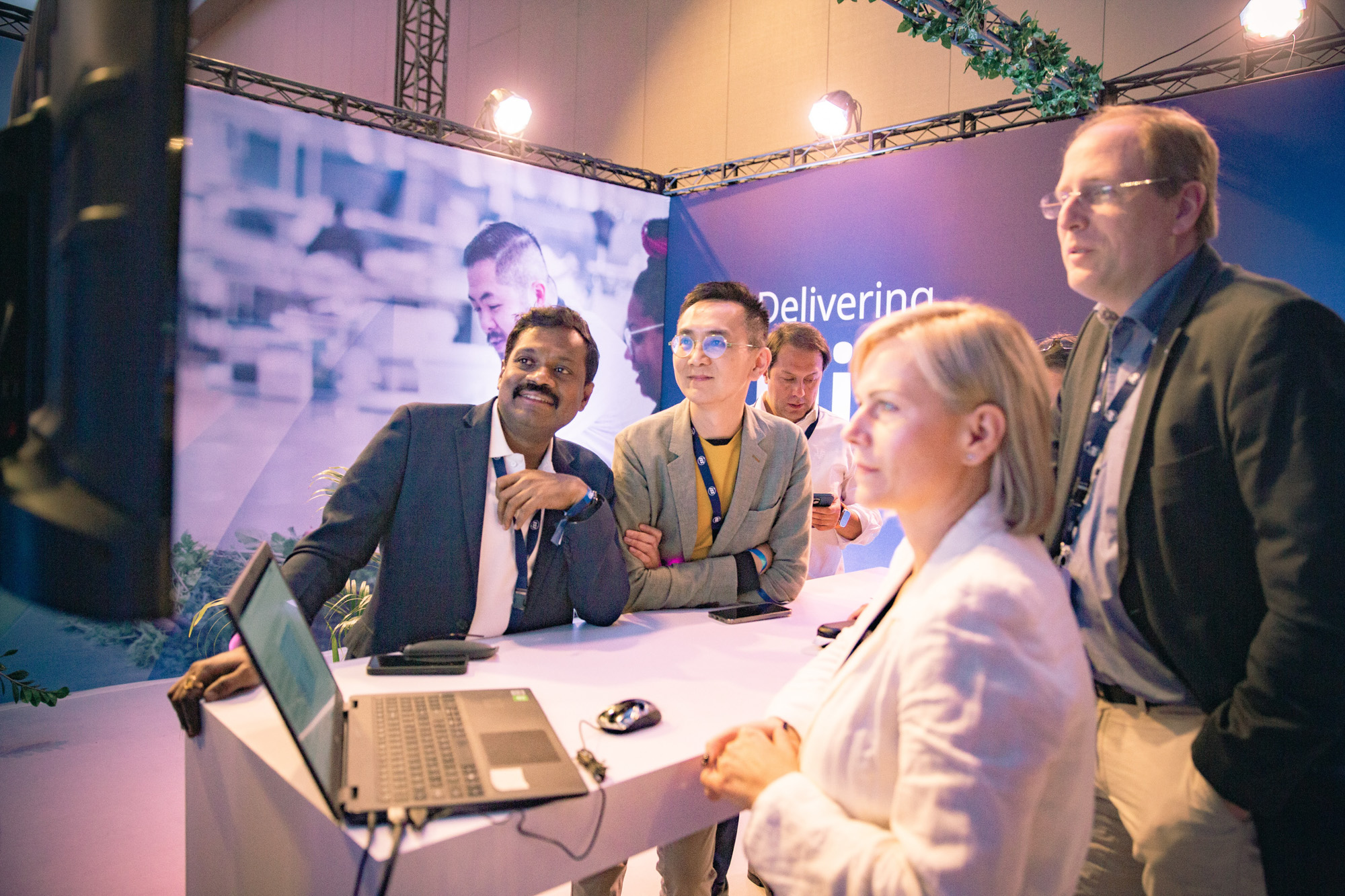
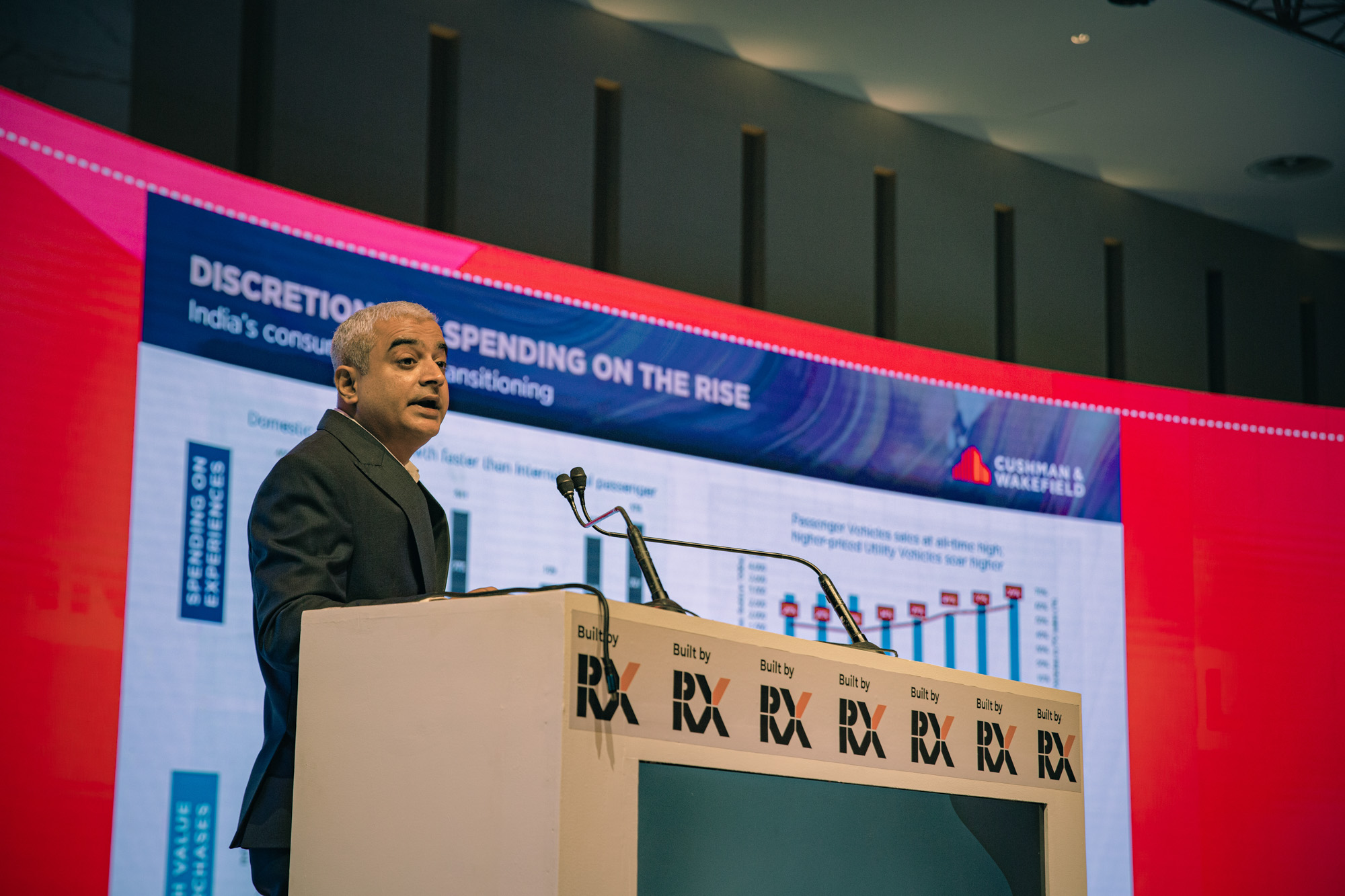
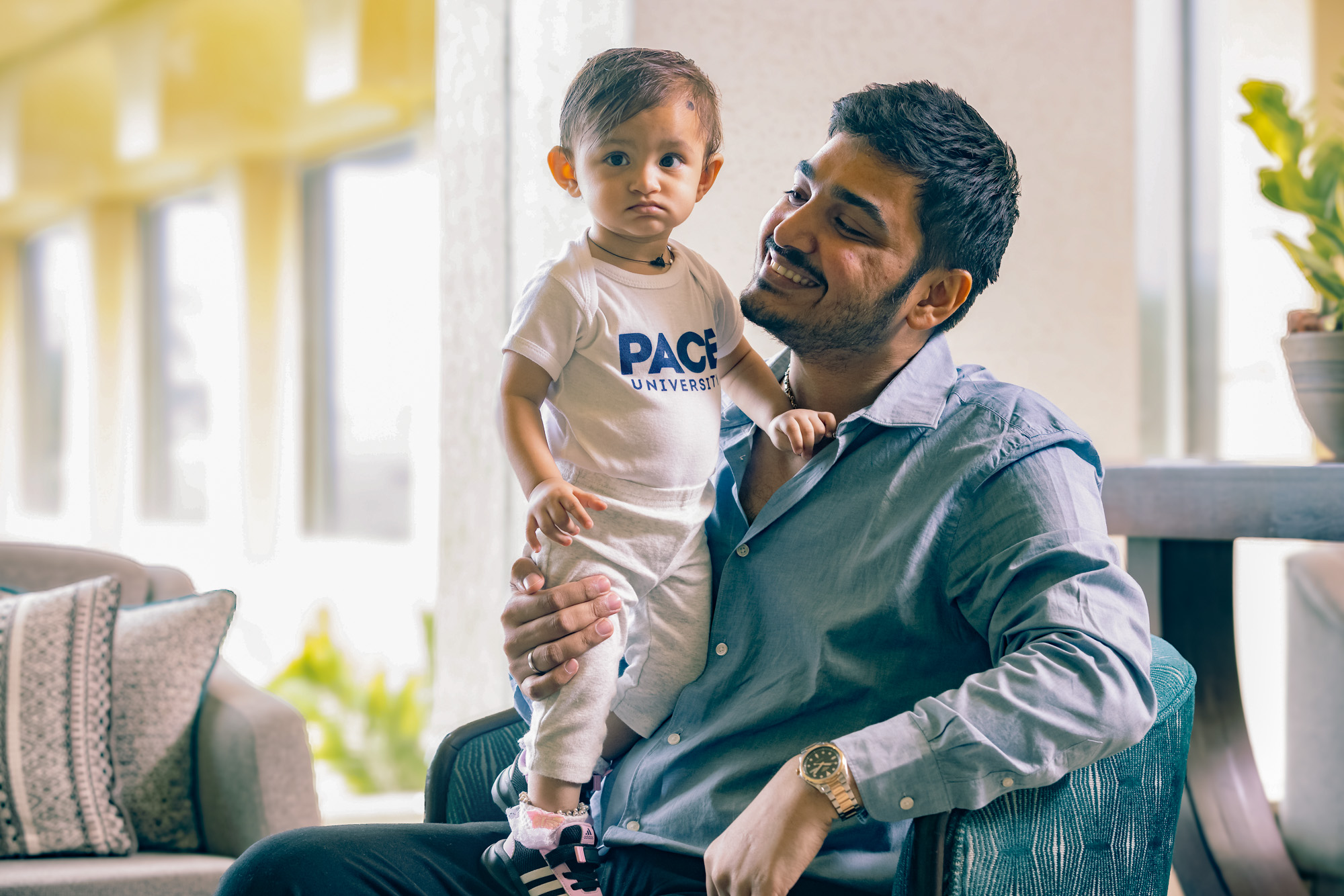
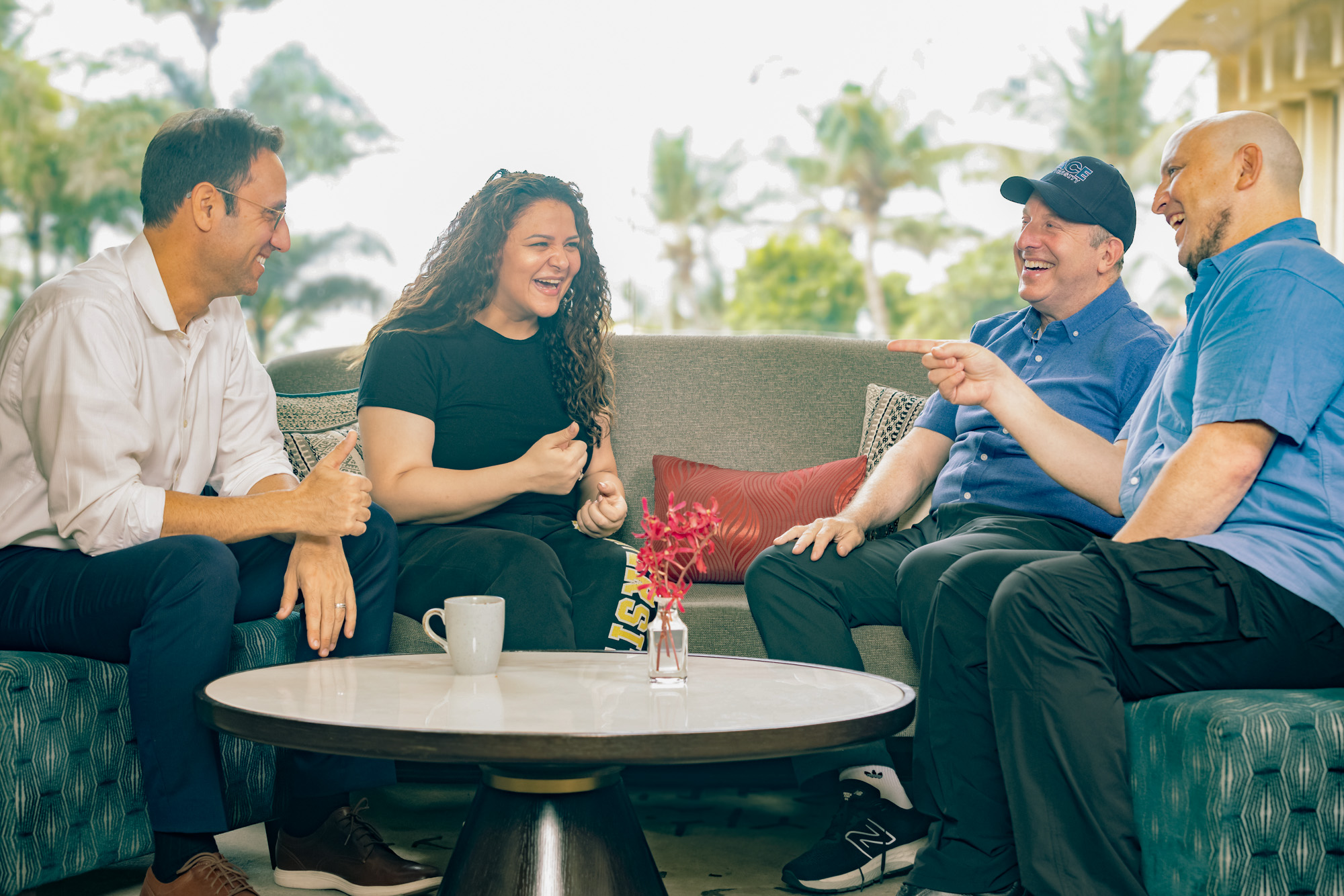
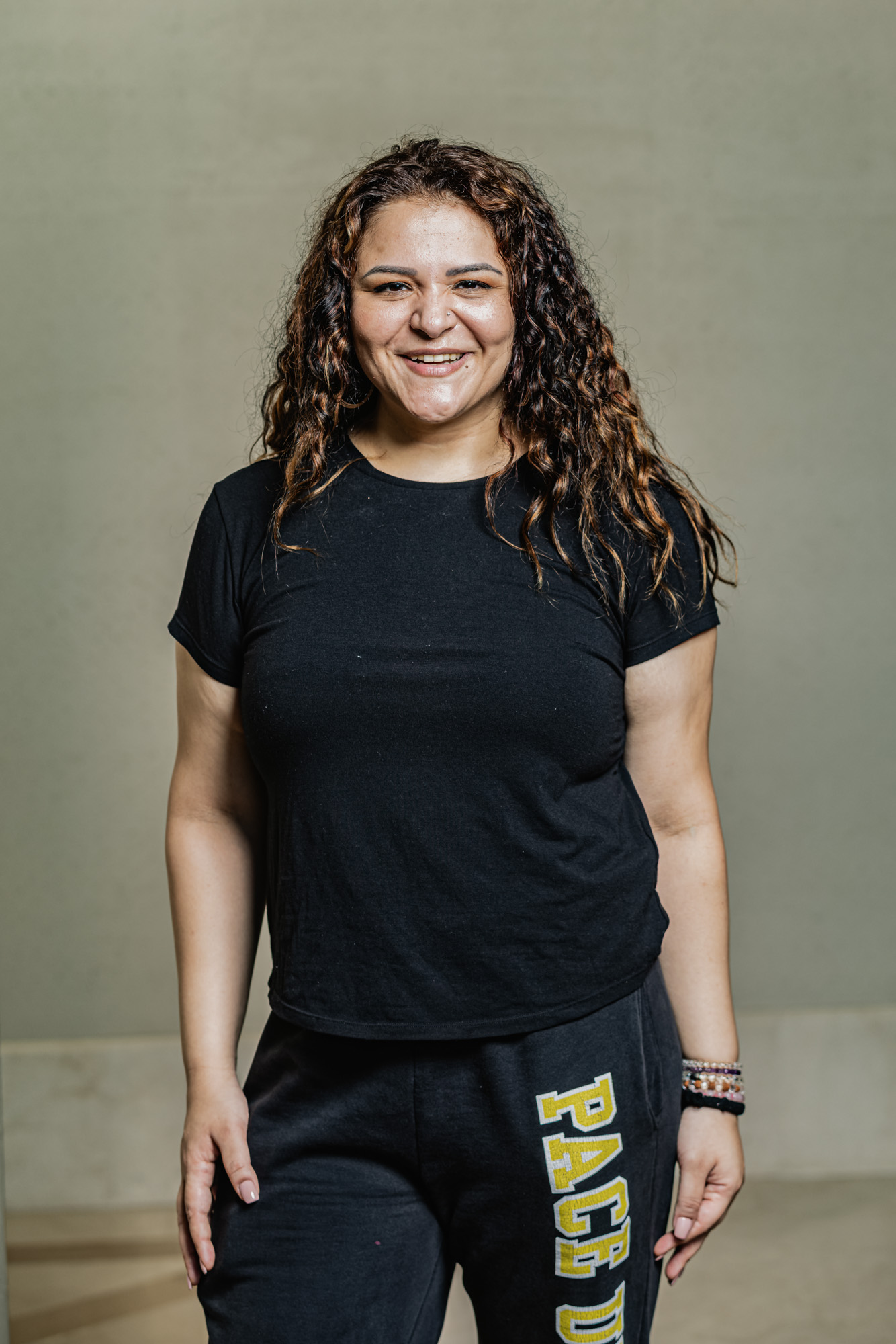
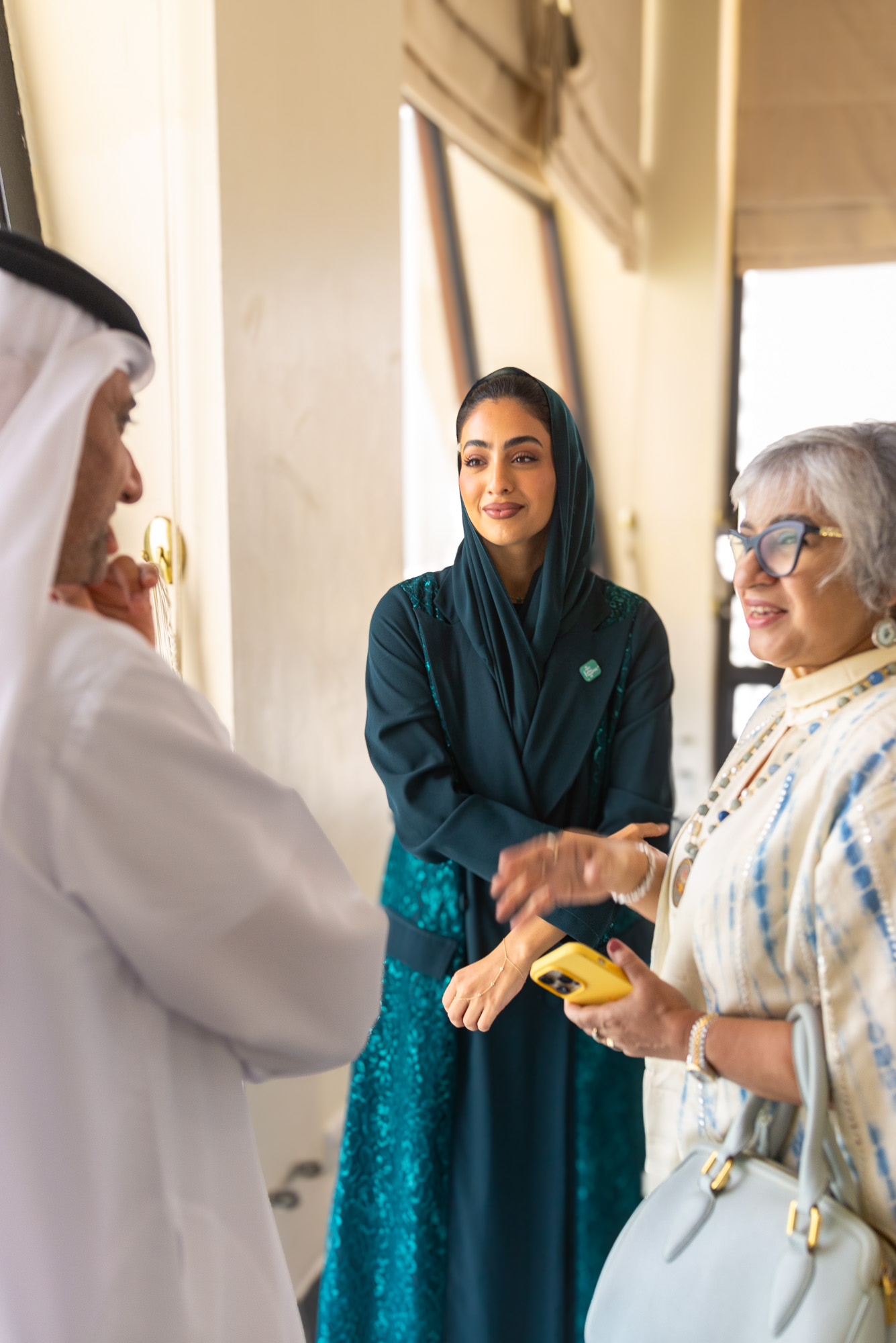
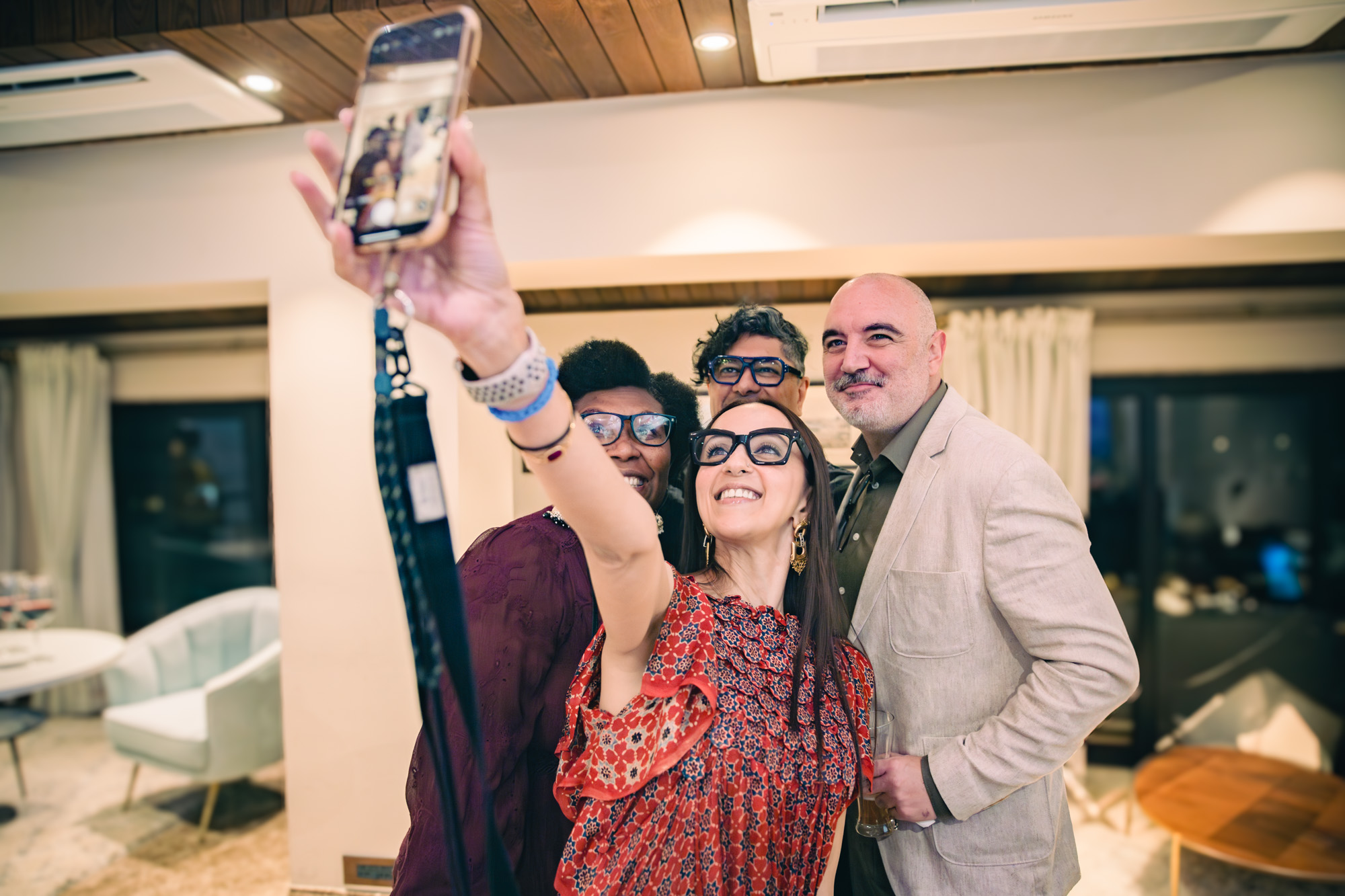
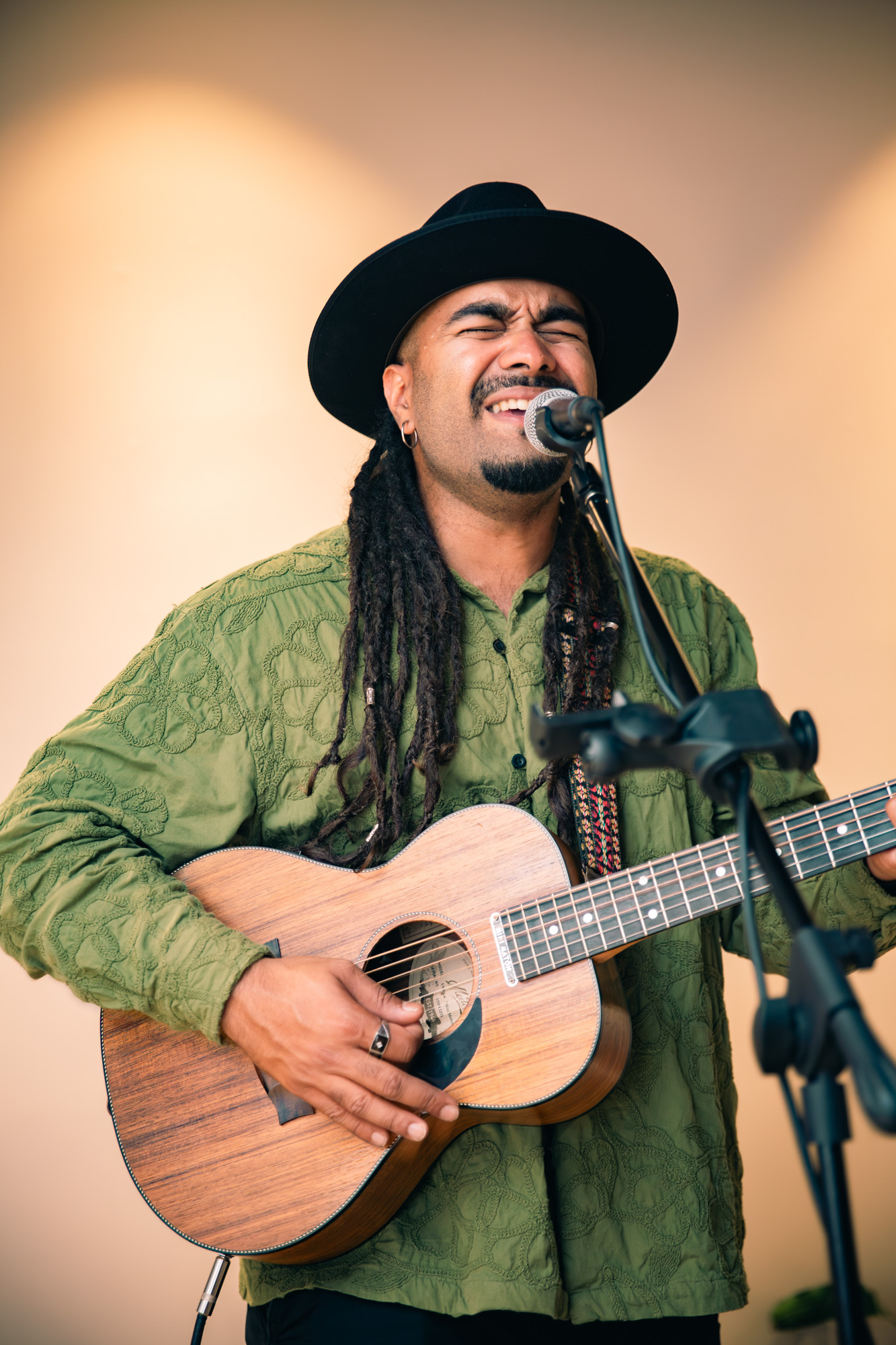
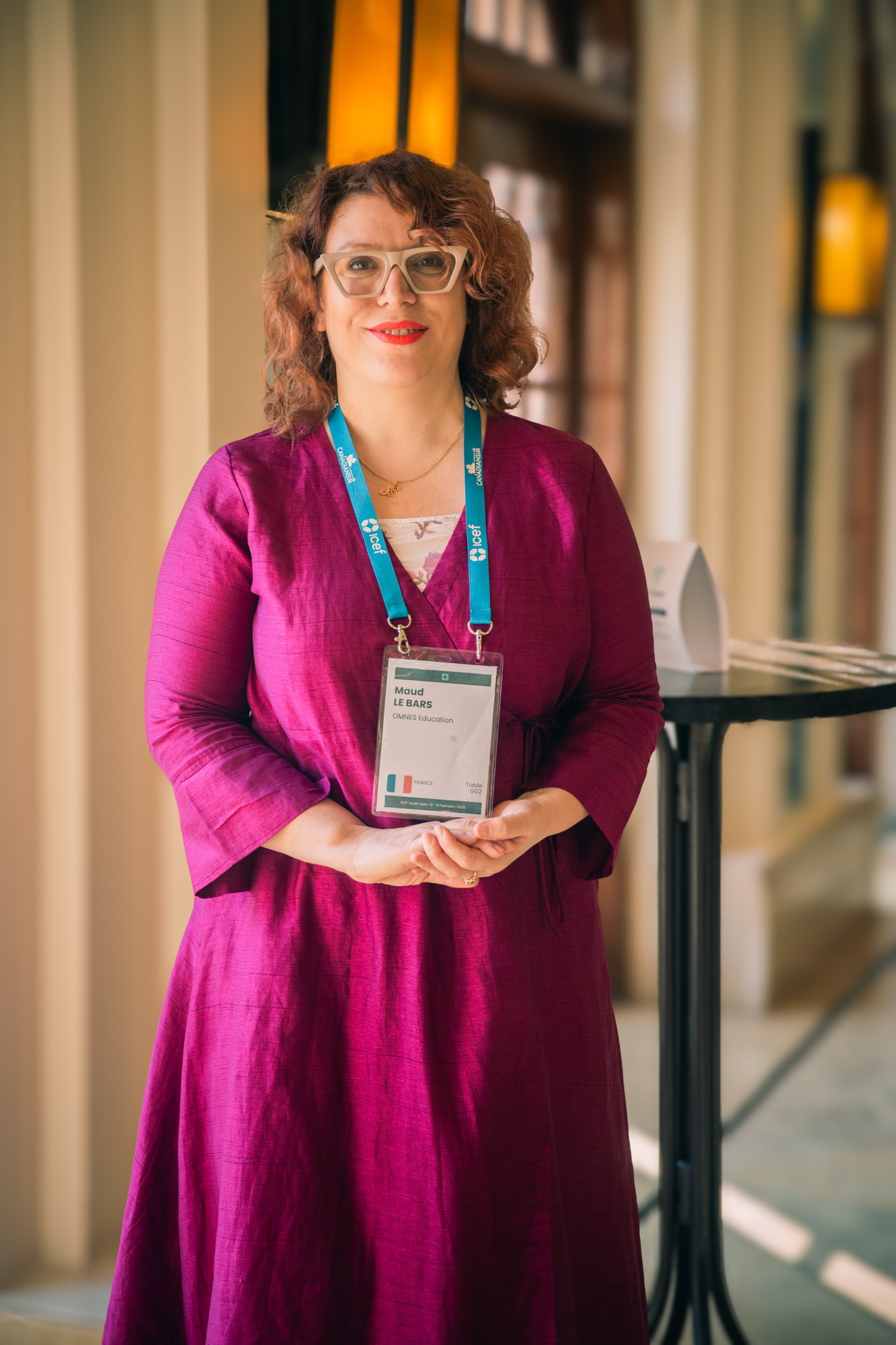
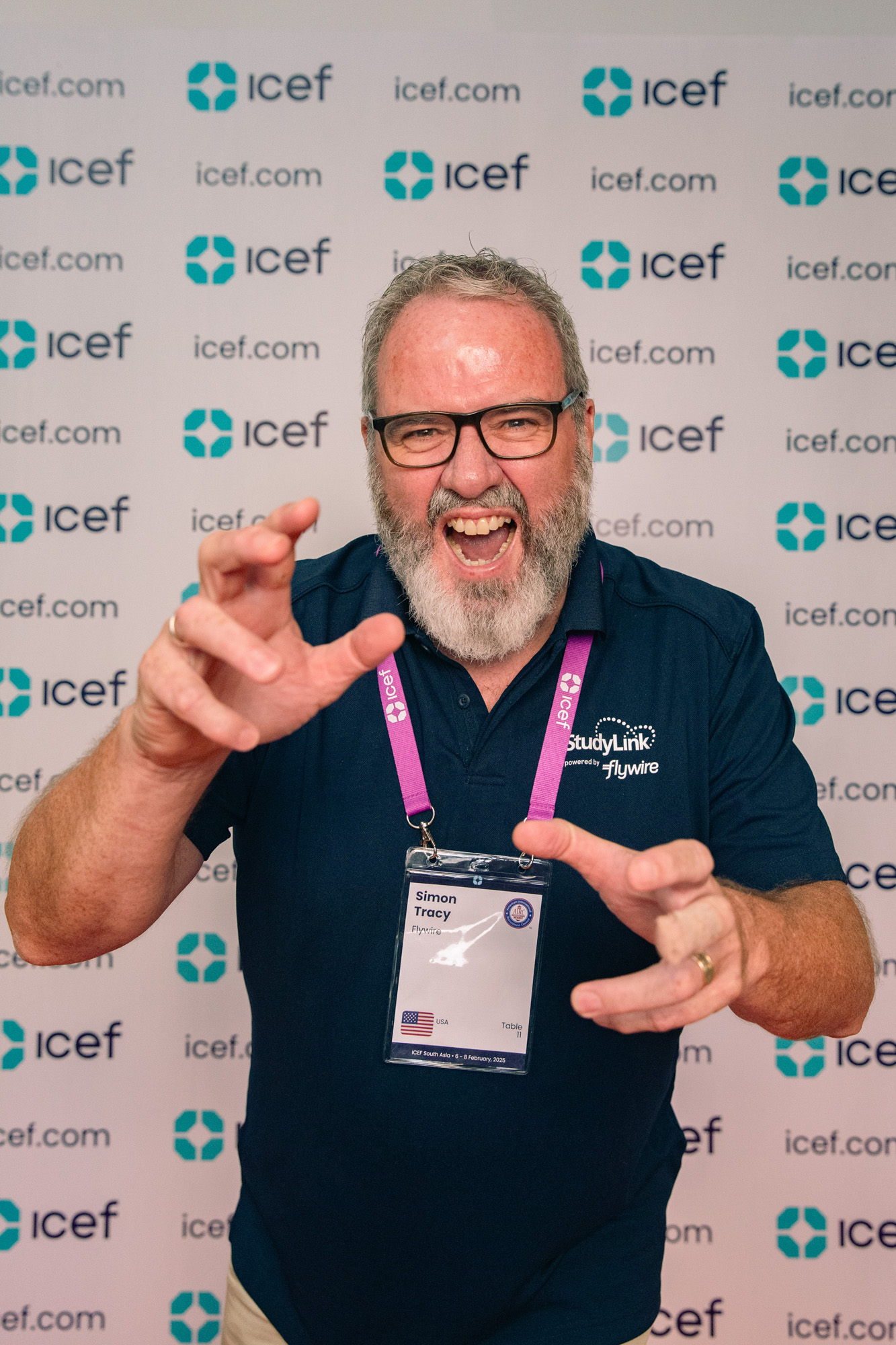
B-roll is secondary footage that supports the main interview, narration, speech or event action by adding context, proof, visual variety and edit flexibility.
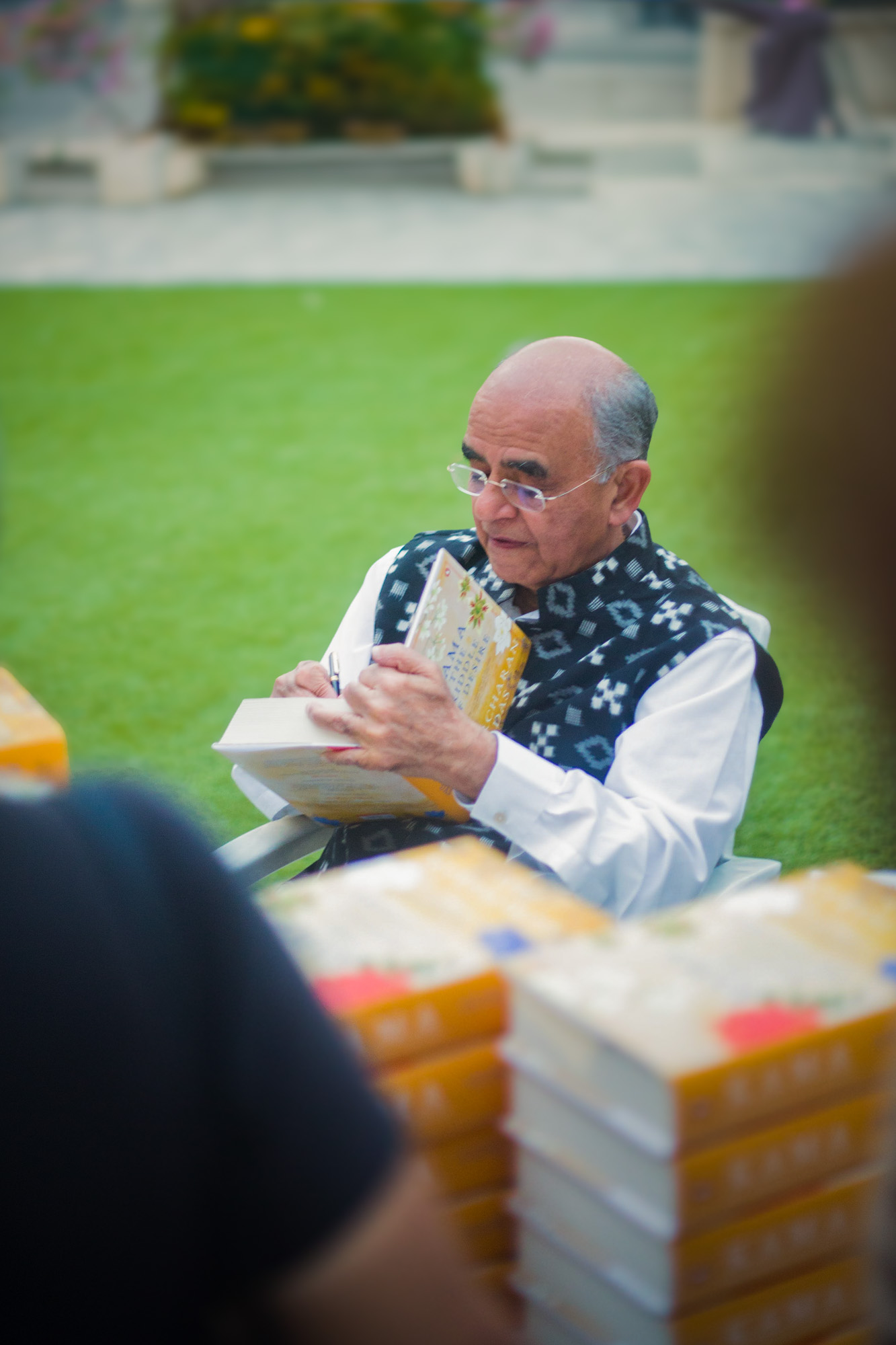
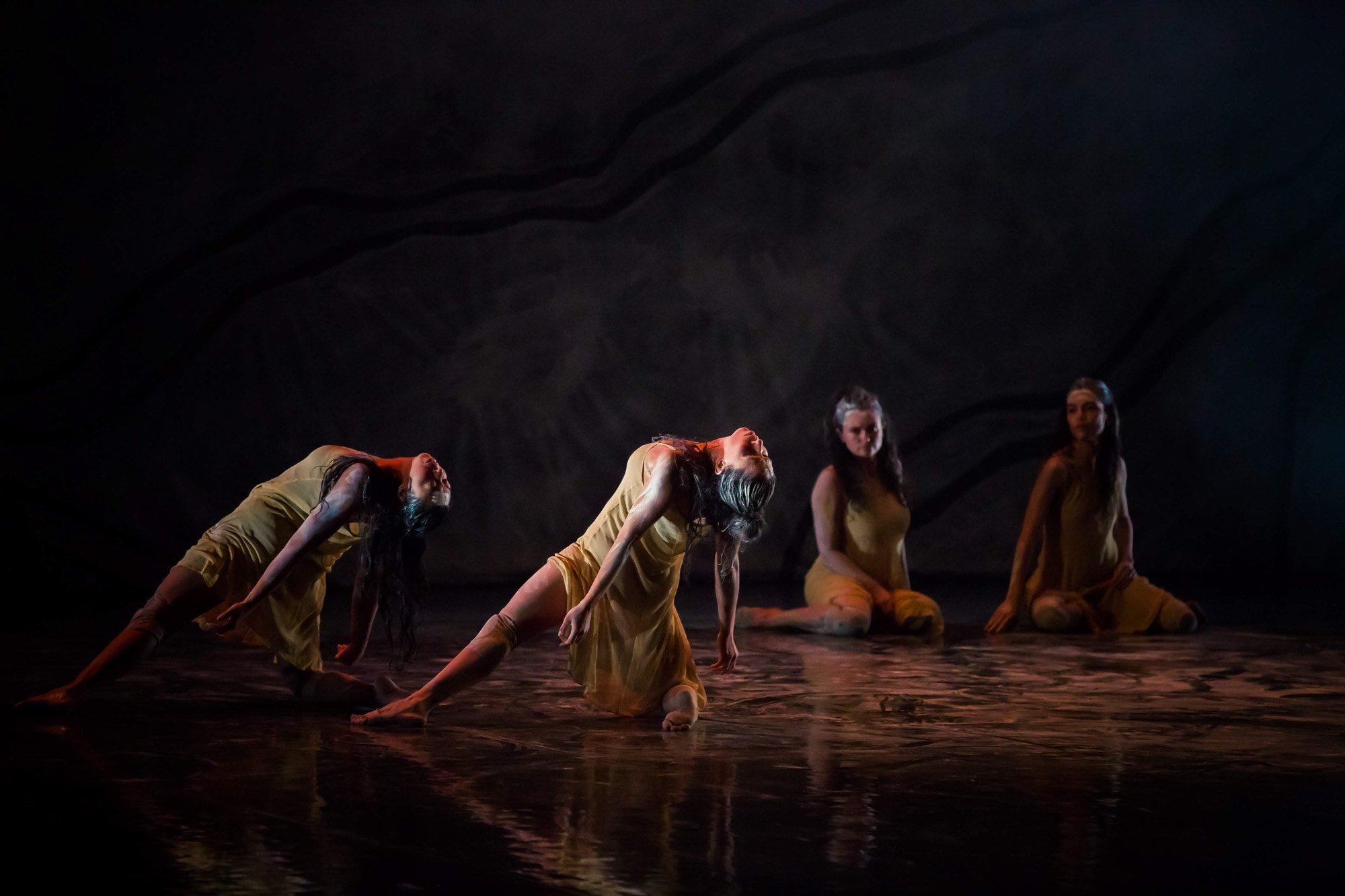
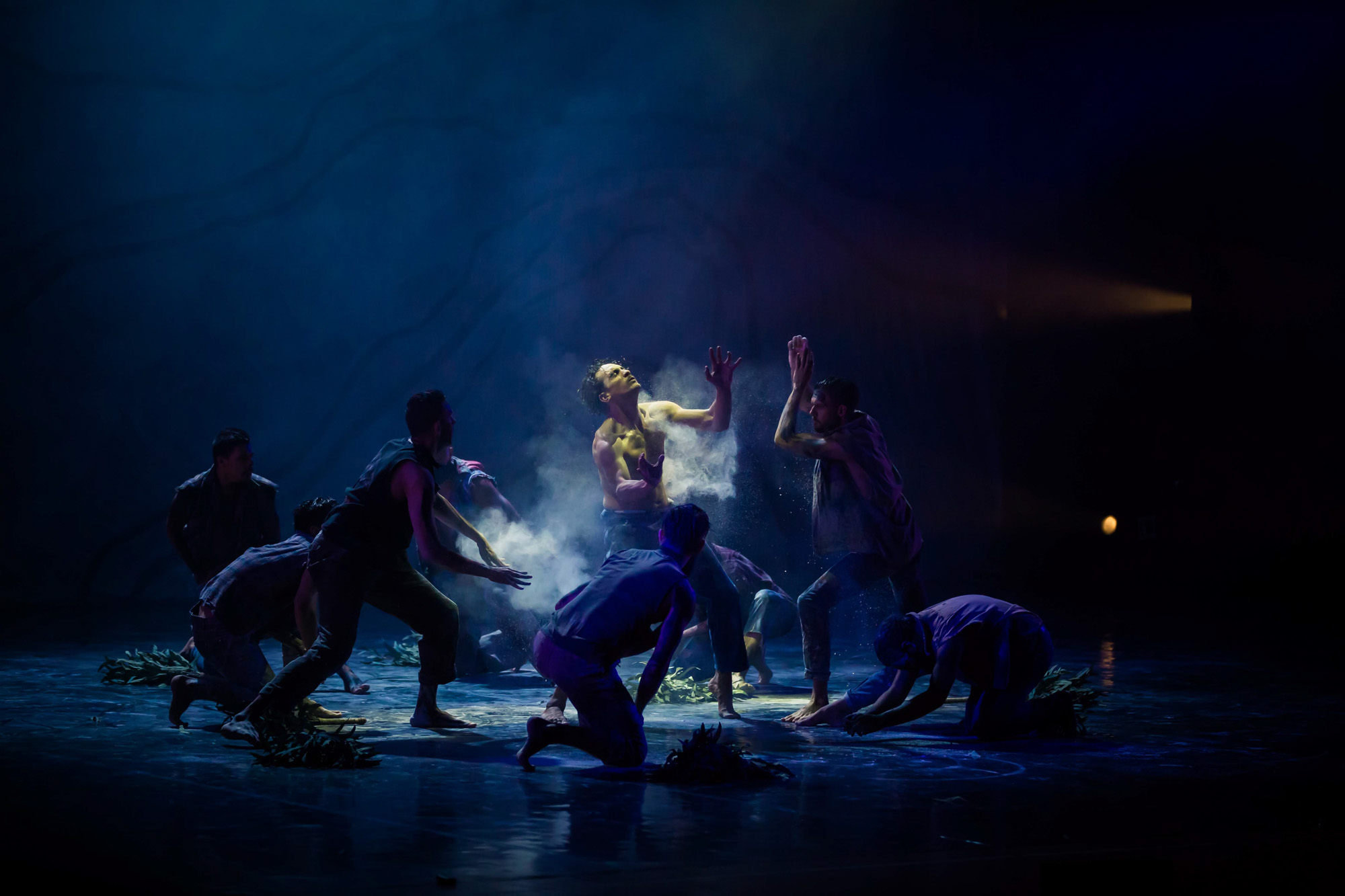
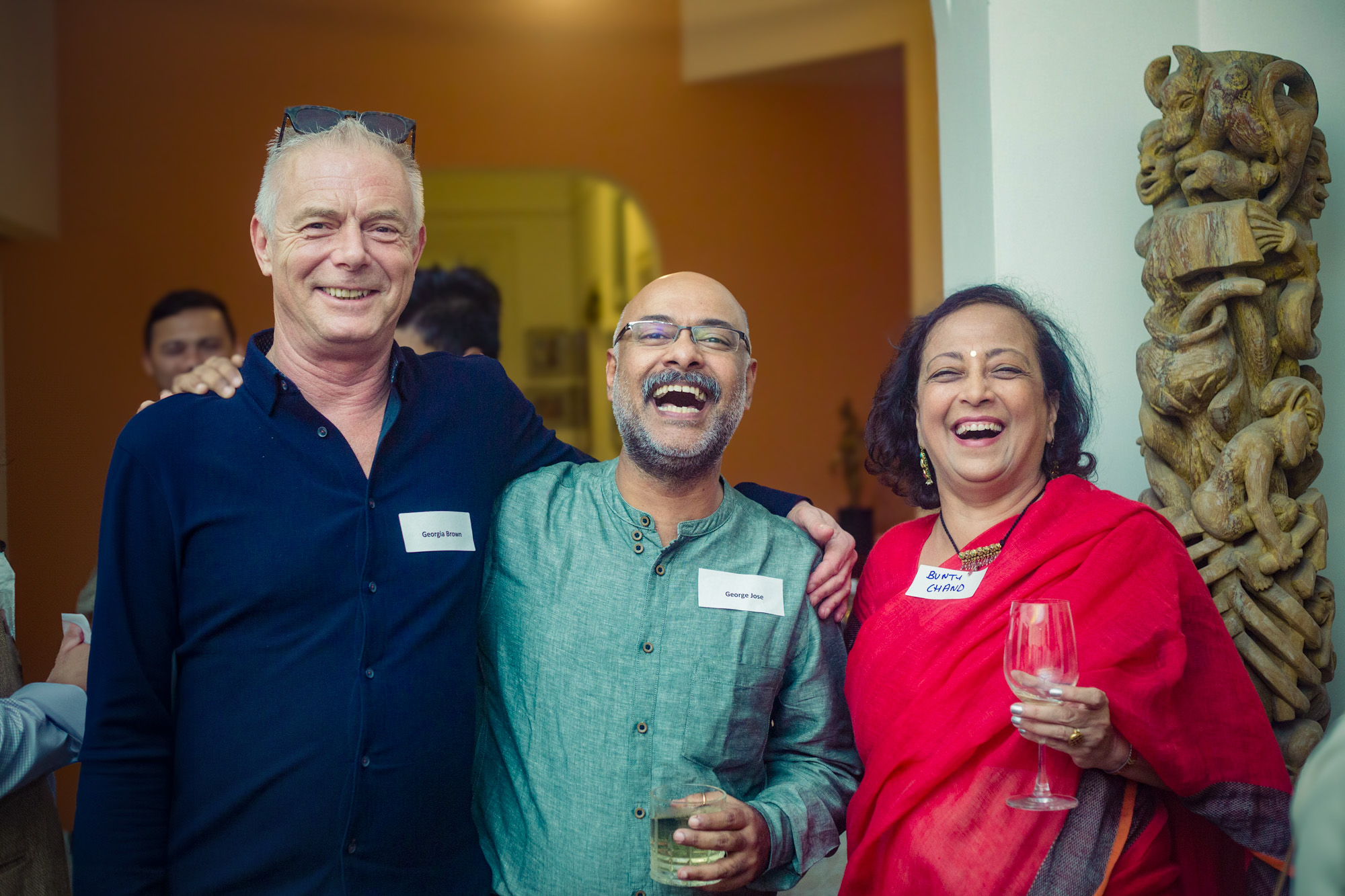
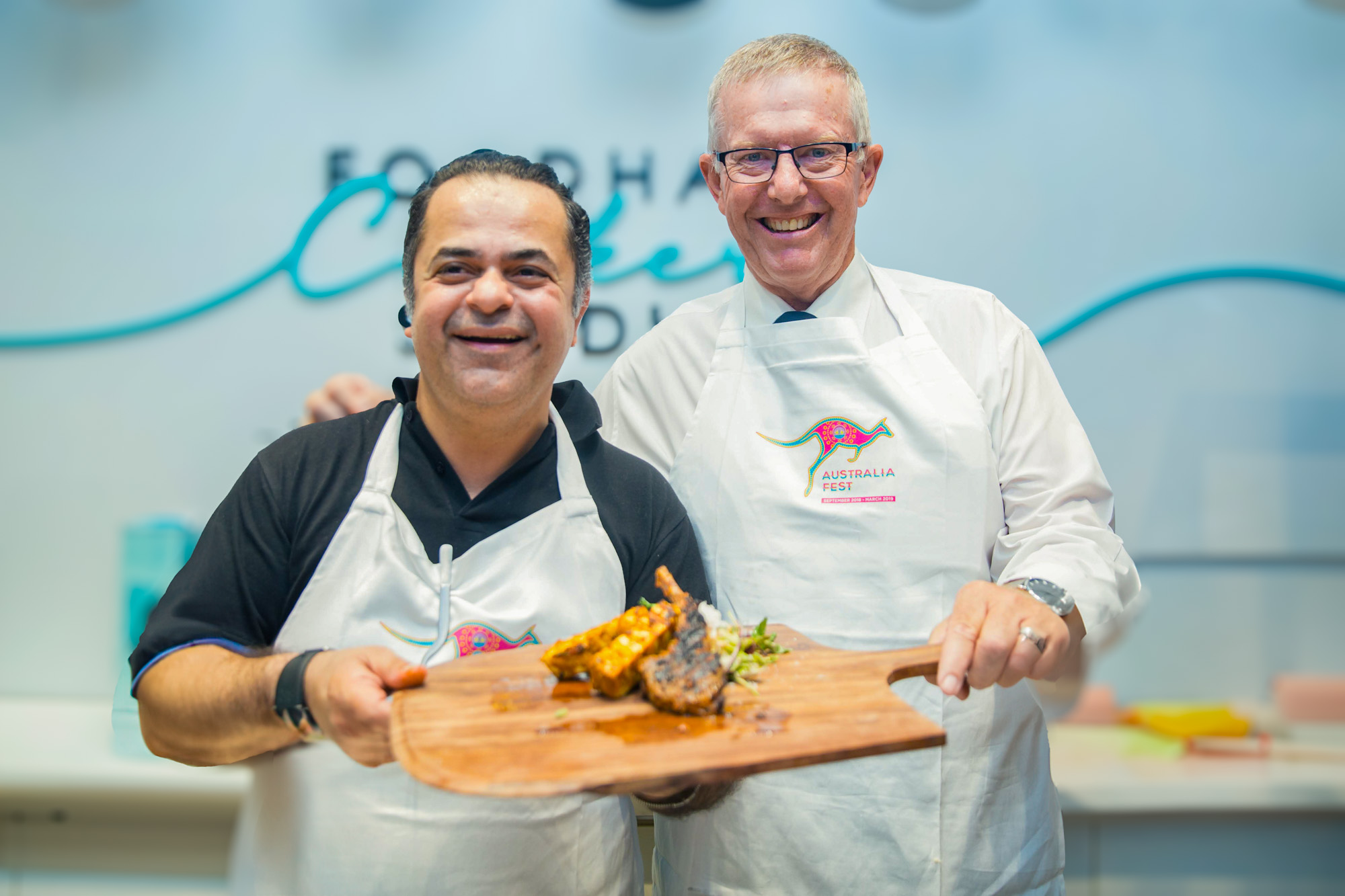
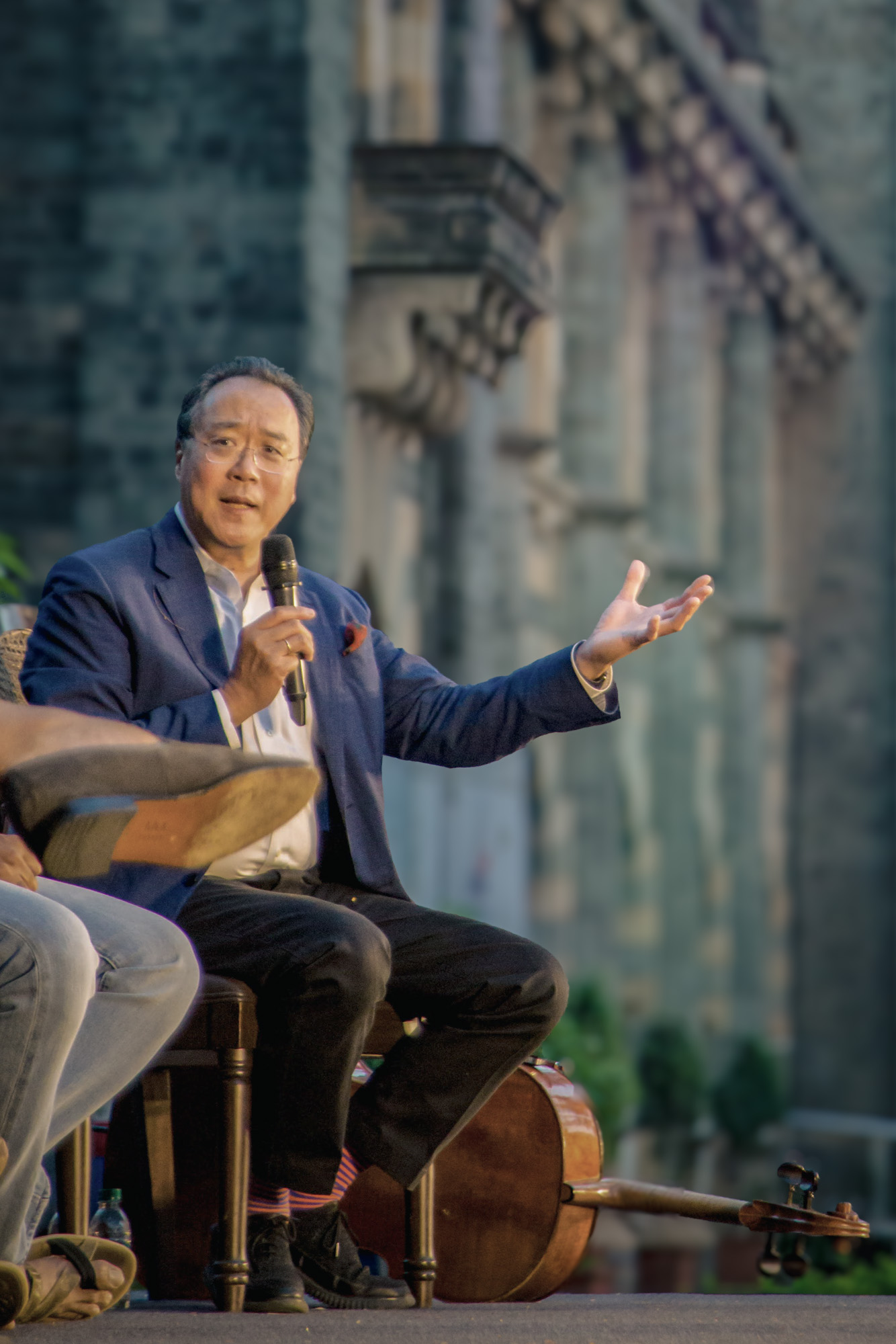
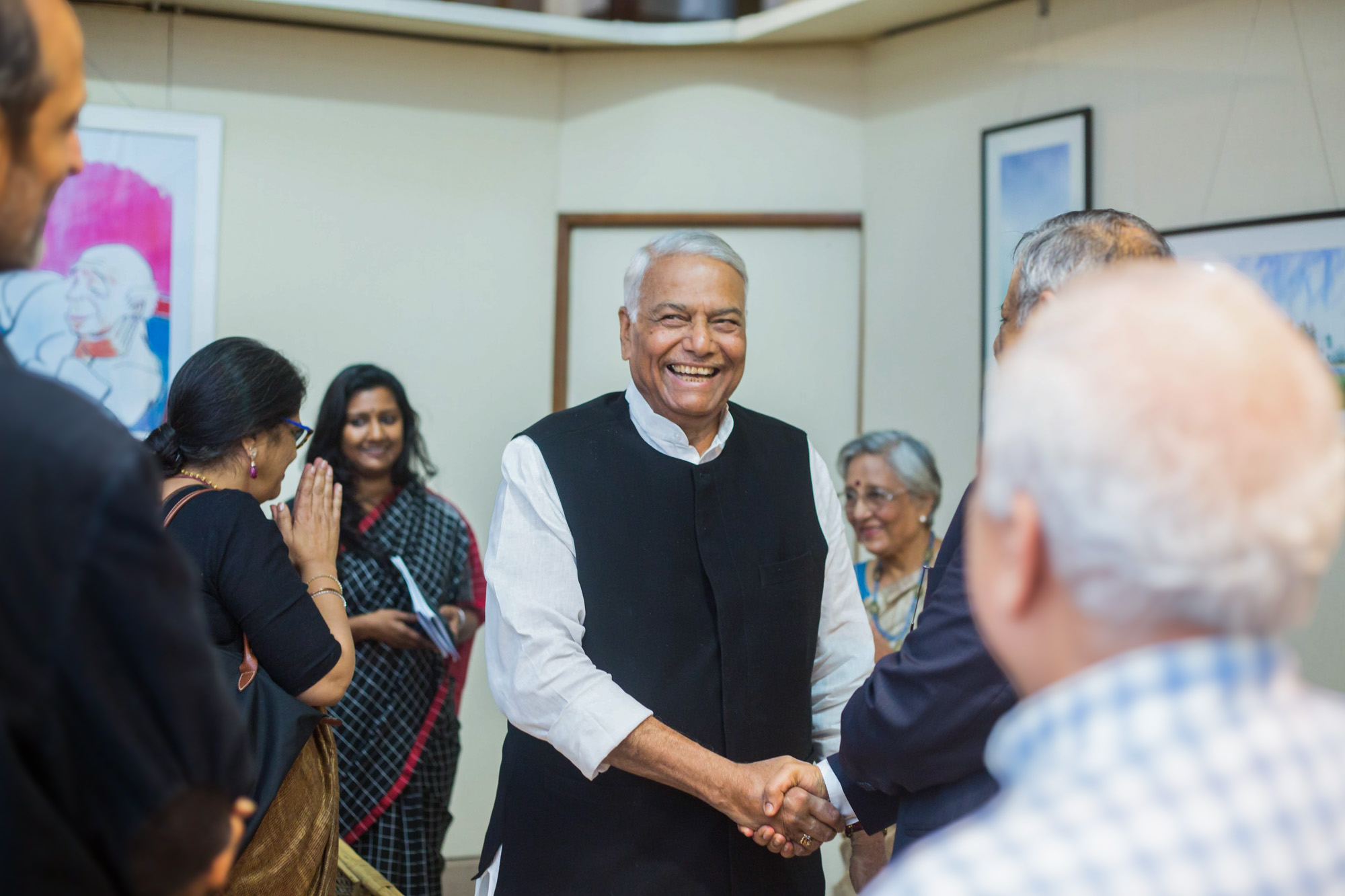
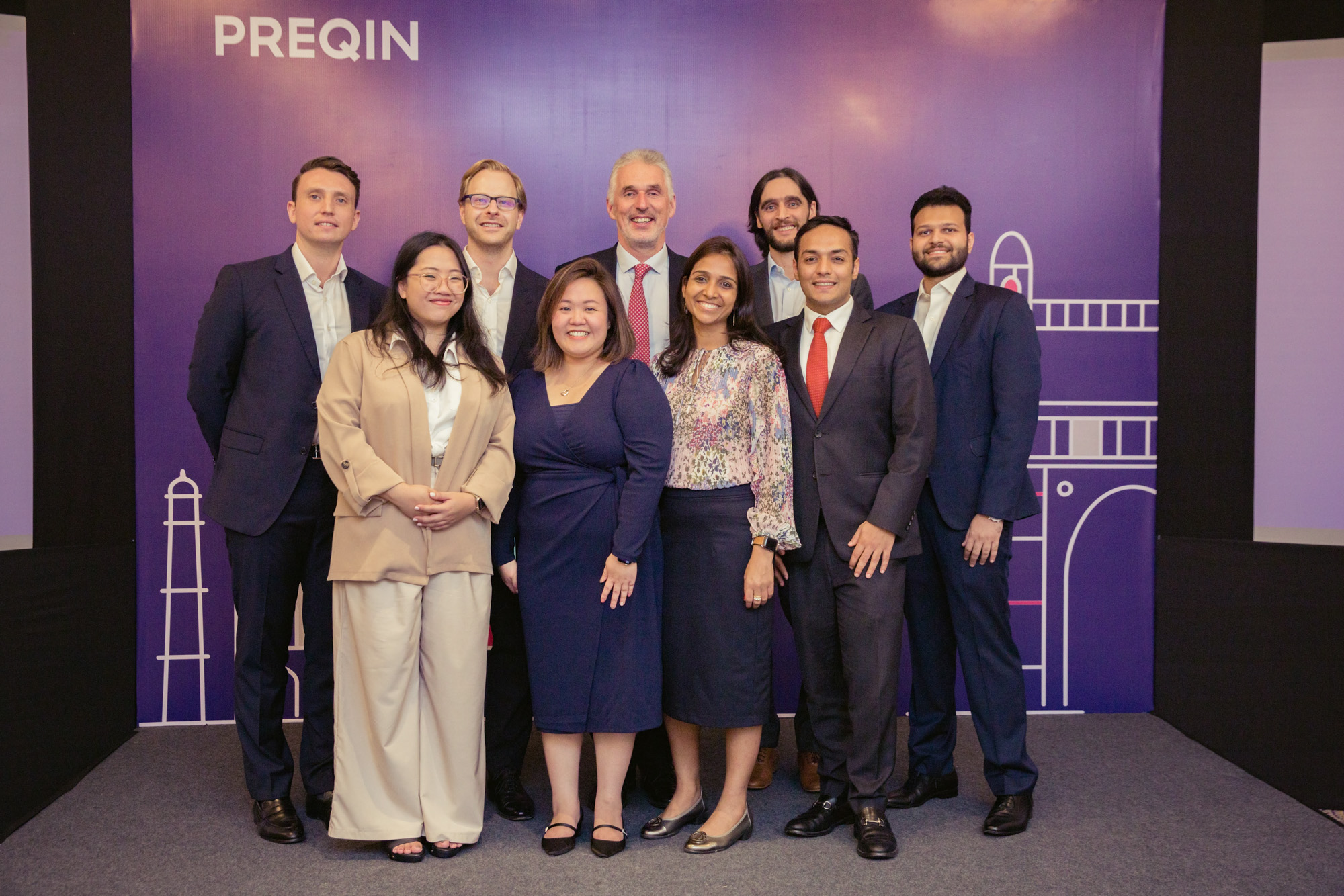
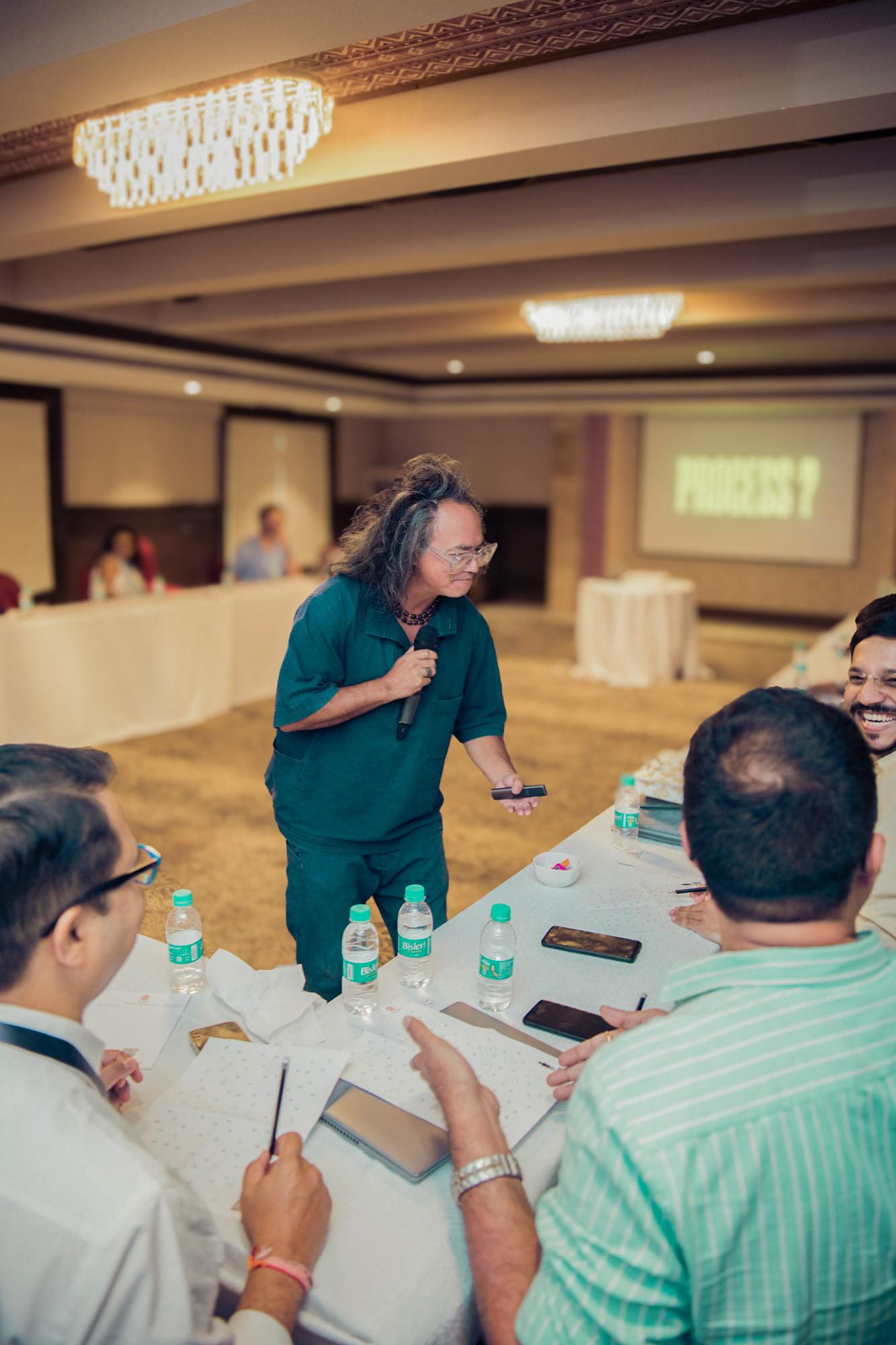
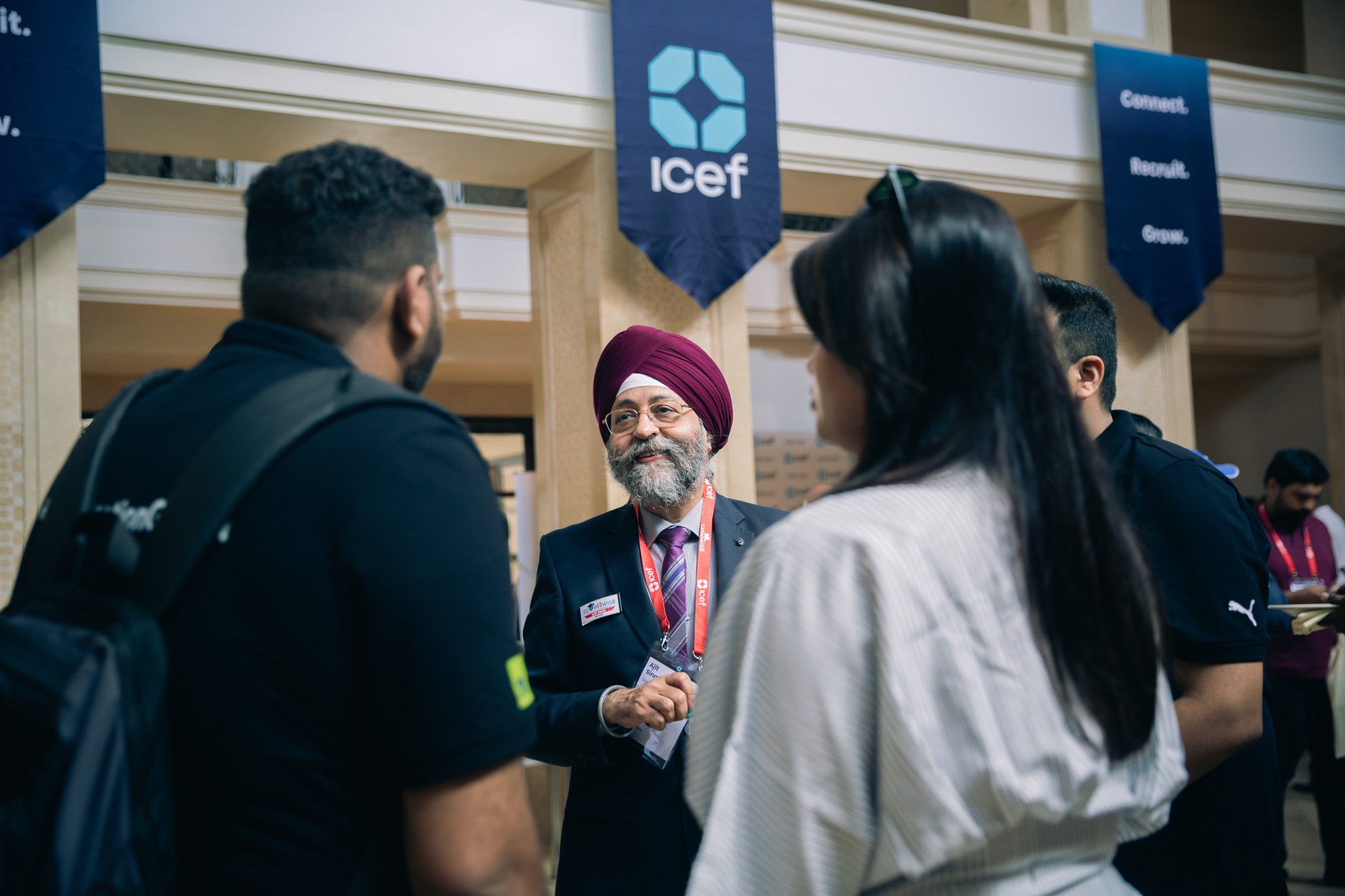
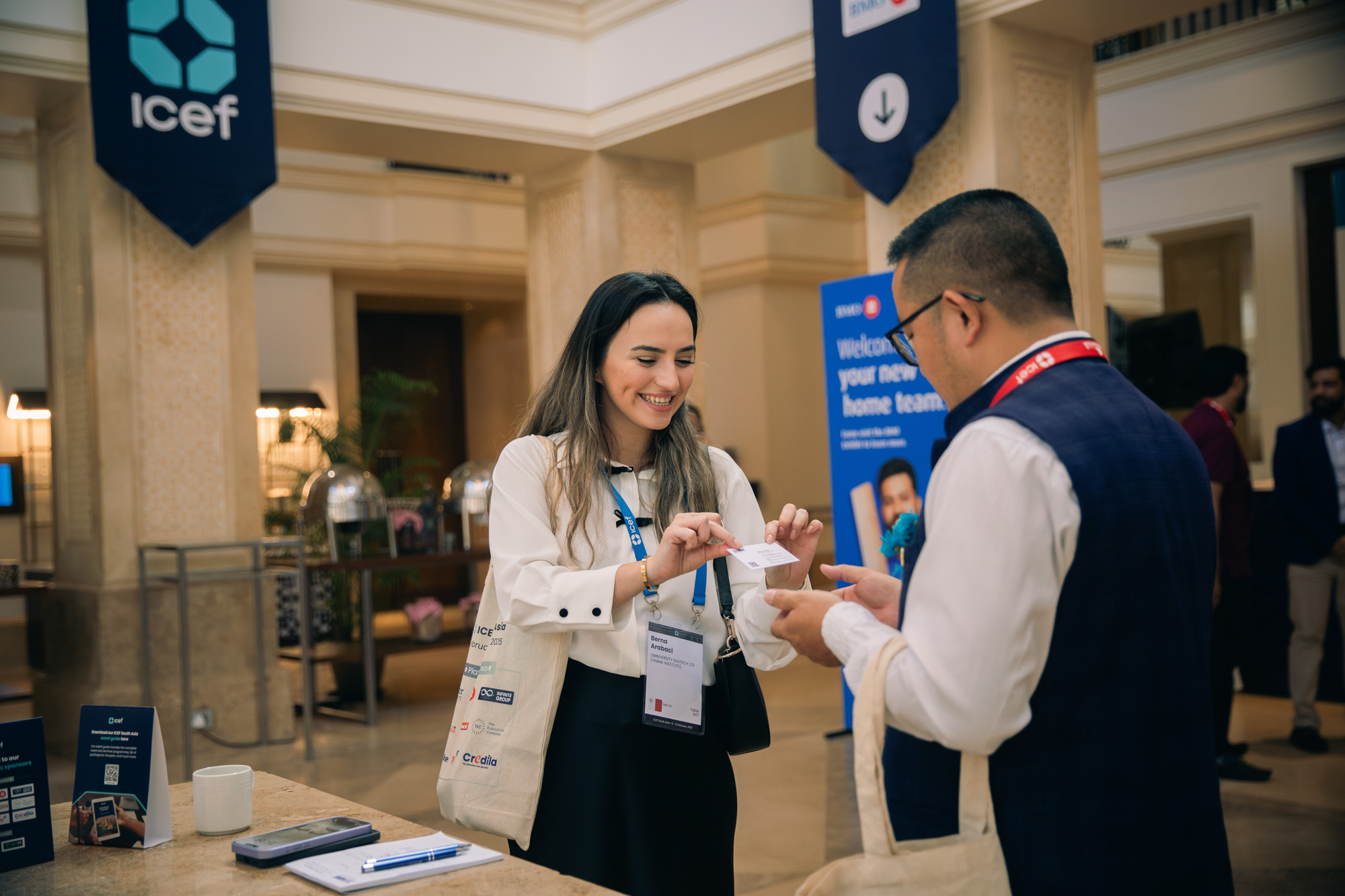
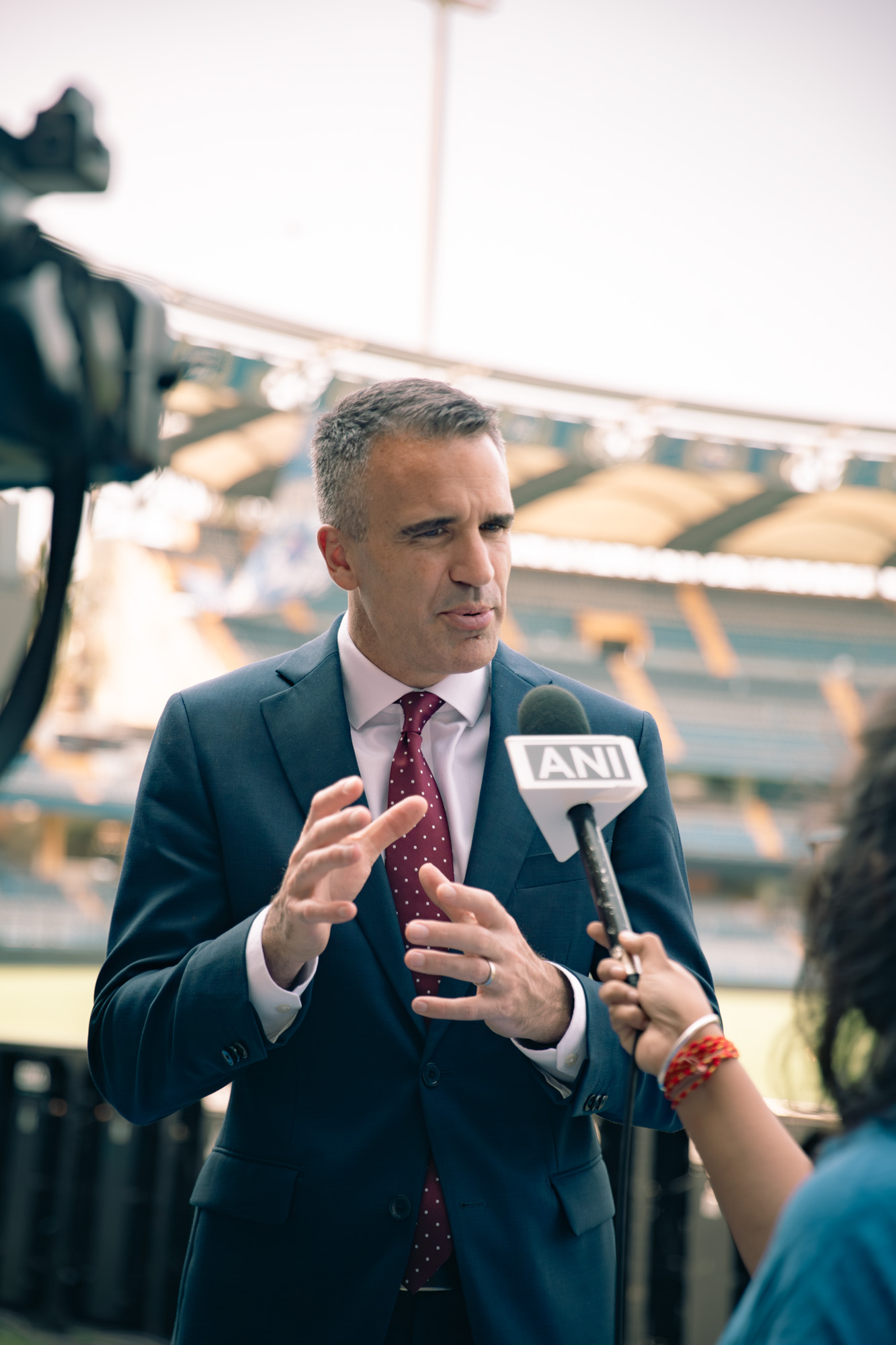
For interview-led films, B-roll allows natural trimming without obvious jump cuts. For events, it shows scale and atmosphere around the stage. For company films, it turns abstract claims into observable people, environments and processes.
B-roll planning
Create a shot list from the story, not from a generic checklist.
Five passes create a more useful filming plan.
Underline claims
Mark every important statement that would benefit from visual proof.
Name scenes
Identify where, when and with whom that proof can be filmed.
Build shot families
Capture wide, medium, close, detail and movement around each priority scene.
Protect authenticity
Stage access and timing, not fake behaviour; let people do real work naturally.

Track gaps
Review the list during filming and capture missing bridges before locations change.
Visual proof block
Show the relationship between words and pictures.
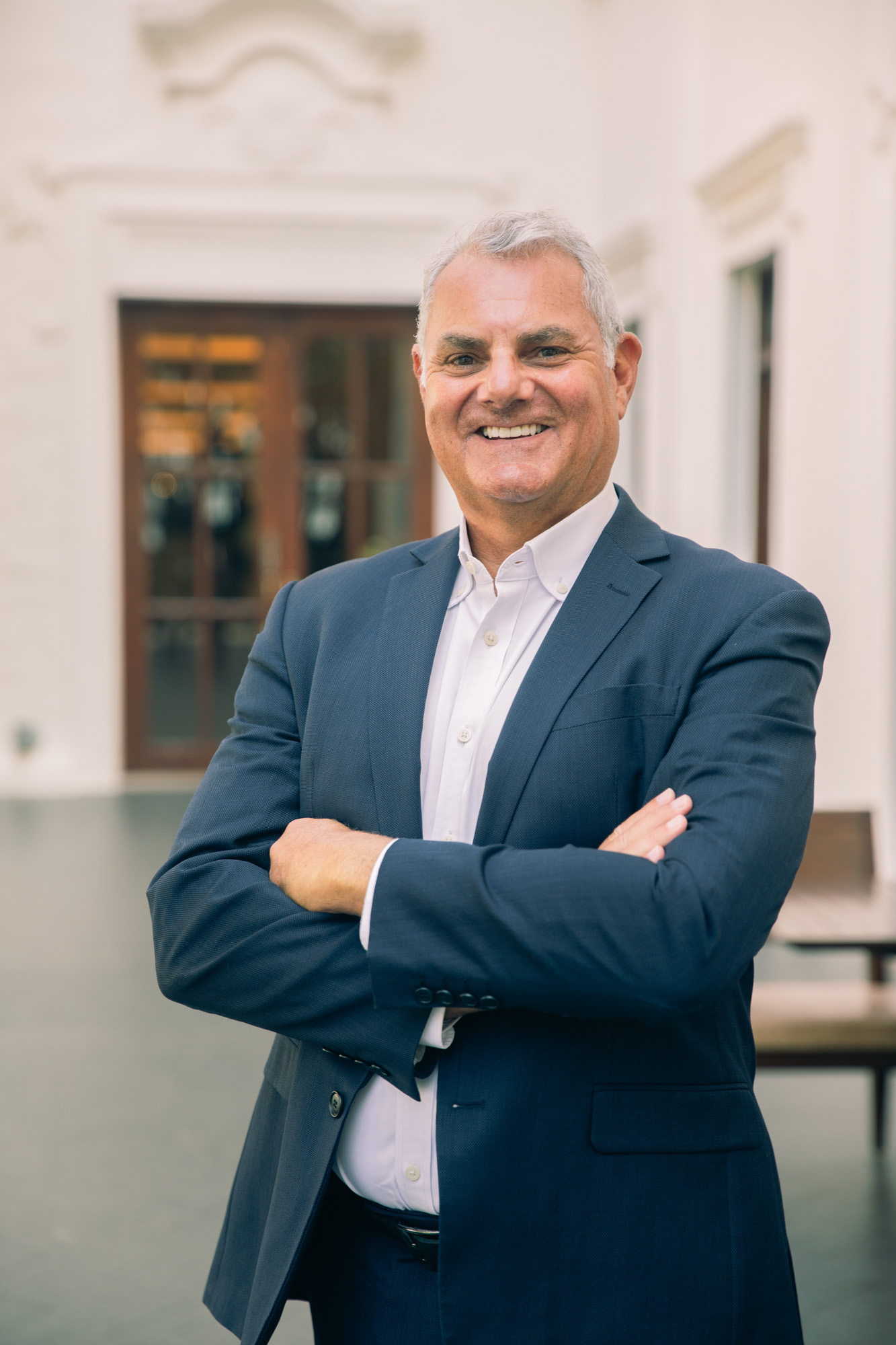
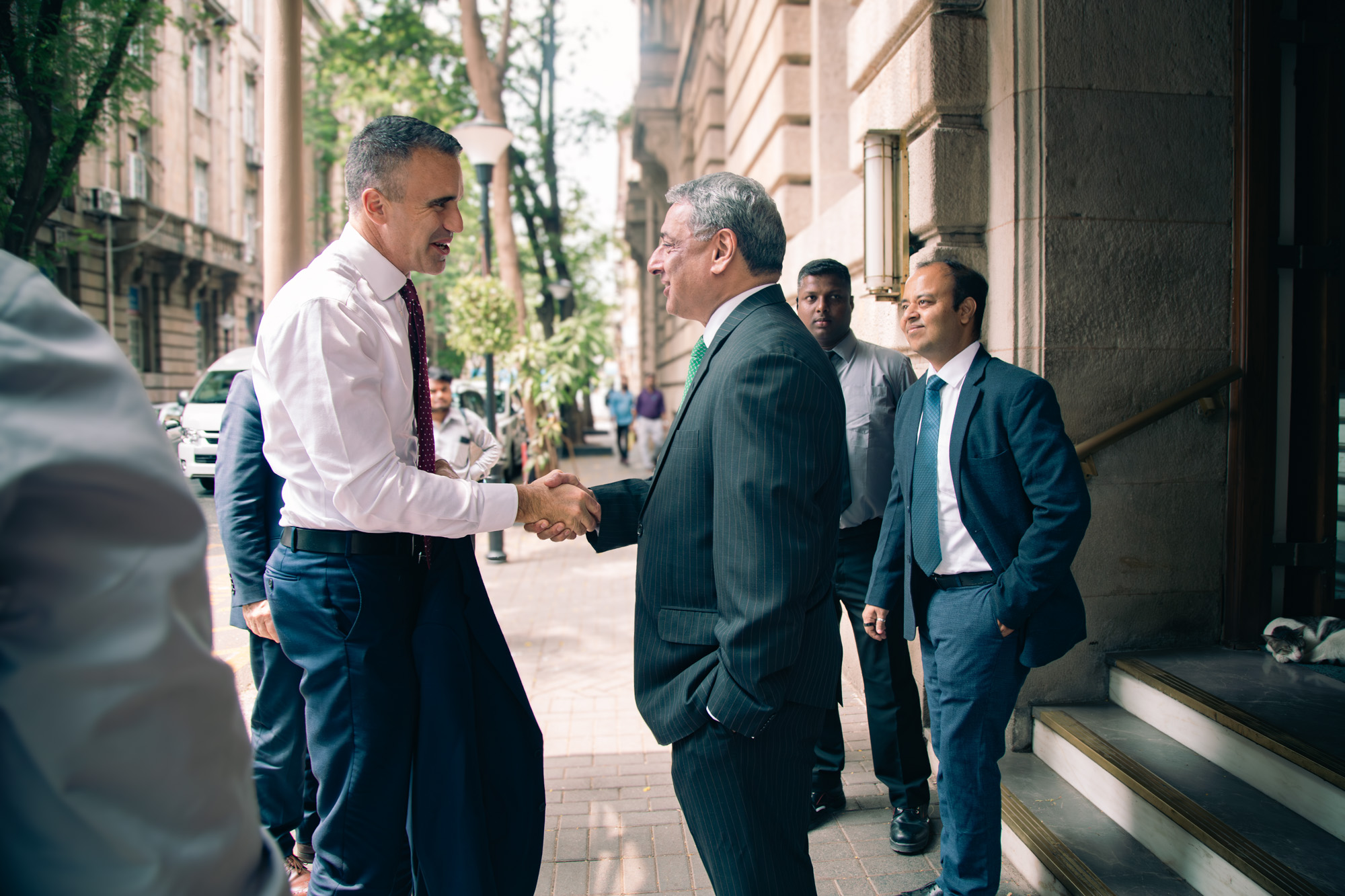
Pair an interview frame with the exact B-roll image that would cover or prove a sentence from it.

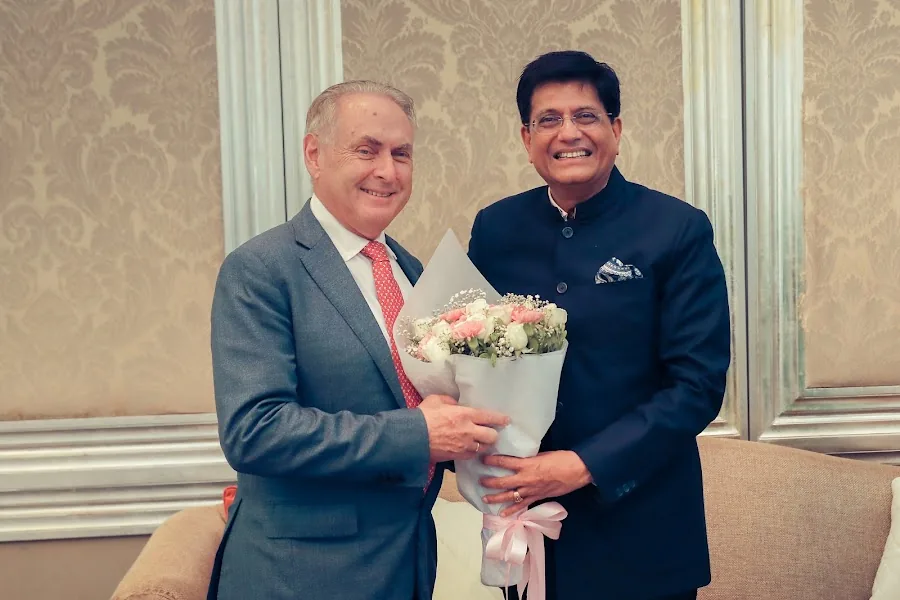
TAT field note
An alumni interview needs more than a clean chair and camera.
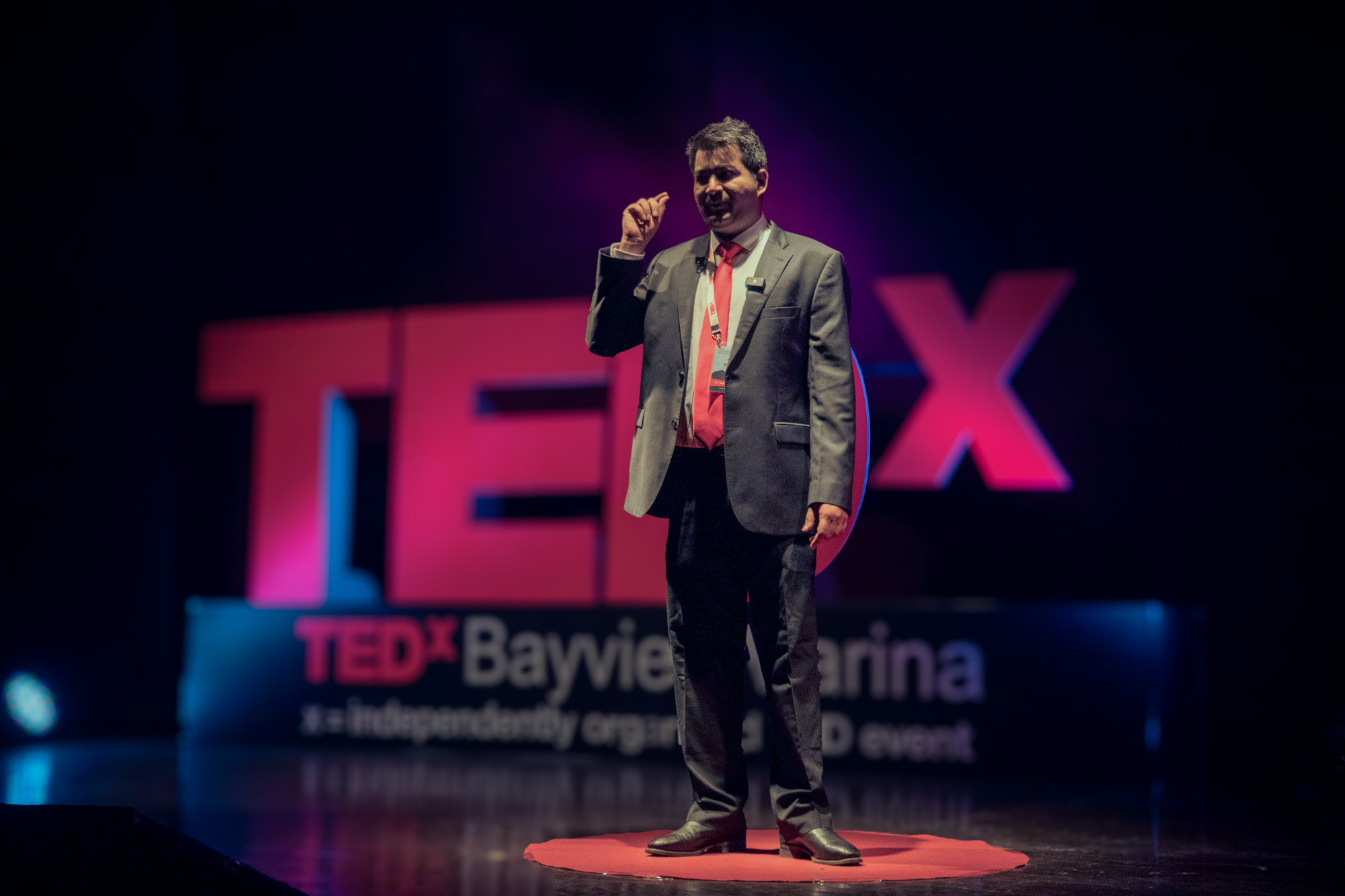
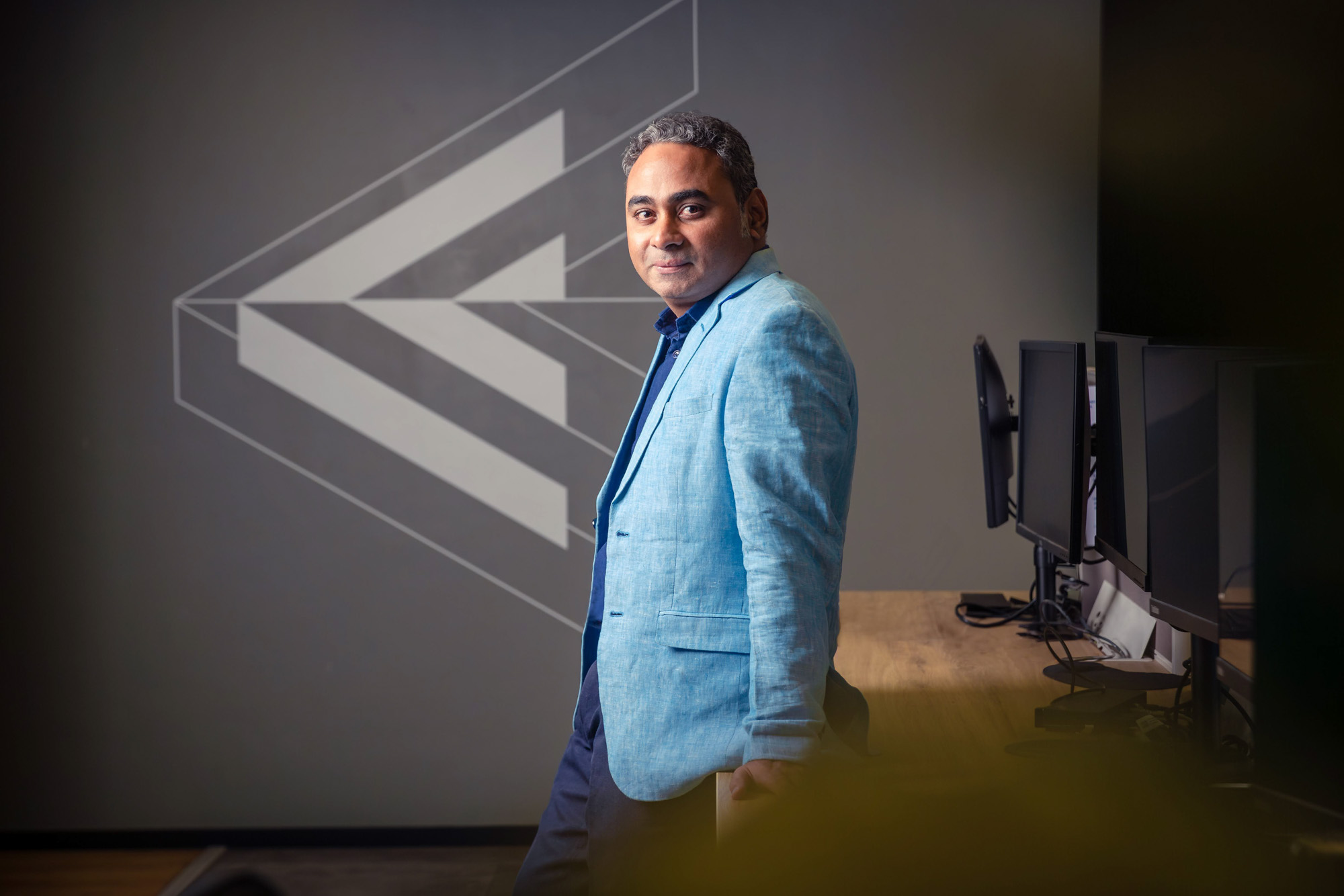
A published TAT film featuring Dr Vijay Patil demonstrates the type of interview-led institutional story where surrounding context can widen the meaning of one voice.
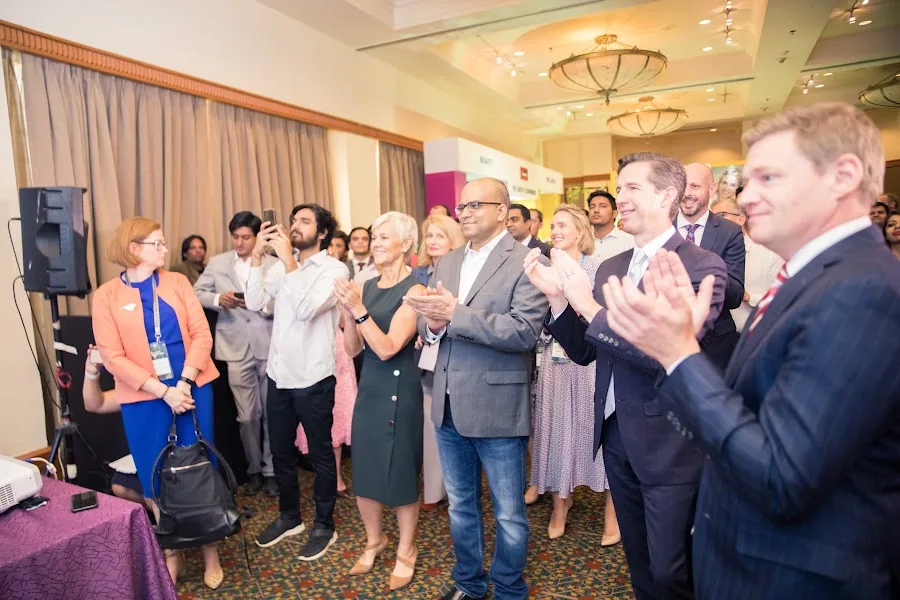
The speaker provides experience, interpretation and authority.

Environment, institutional details, interactions and relevant archive or event footage place the words in context.
Plan B-roll against the interview themes so it supports the story rather than merely covering cuts.
Decision table
Build B-roll by corporate use case.
These categories are starting points; the specific story decides the final shot list.
| Use case | Useful B-roll | Avoid | Why it matters |
|---|---|---|---|
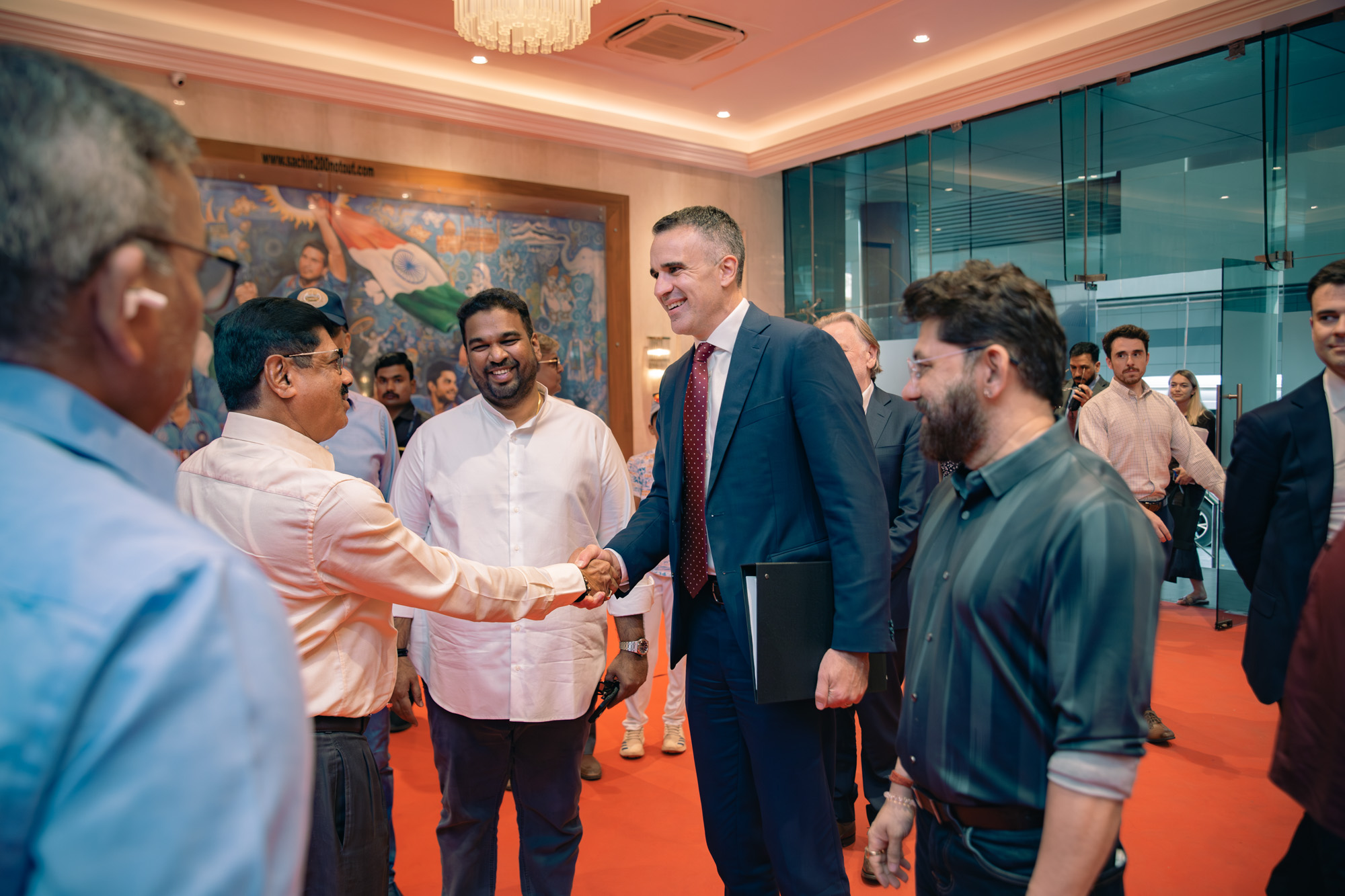
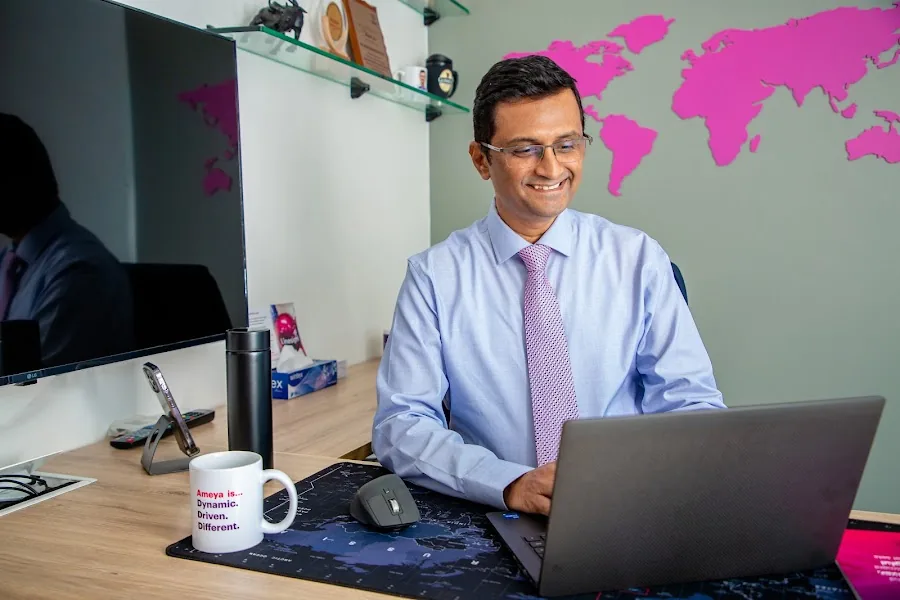
| Leadership interview | Office context, interactions, relevant work, arrival or walk-through | Endless typing and posed handshakes | Shows leadership in an actual environment |
| Client testimonial | Product/service in use, team collaboration, implementation context | Unrelated stock-like office shots | Makes the customer claim tangible |
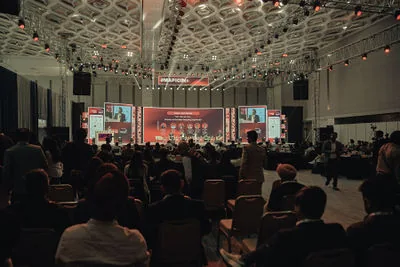
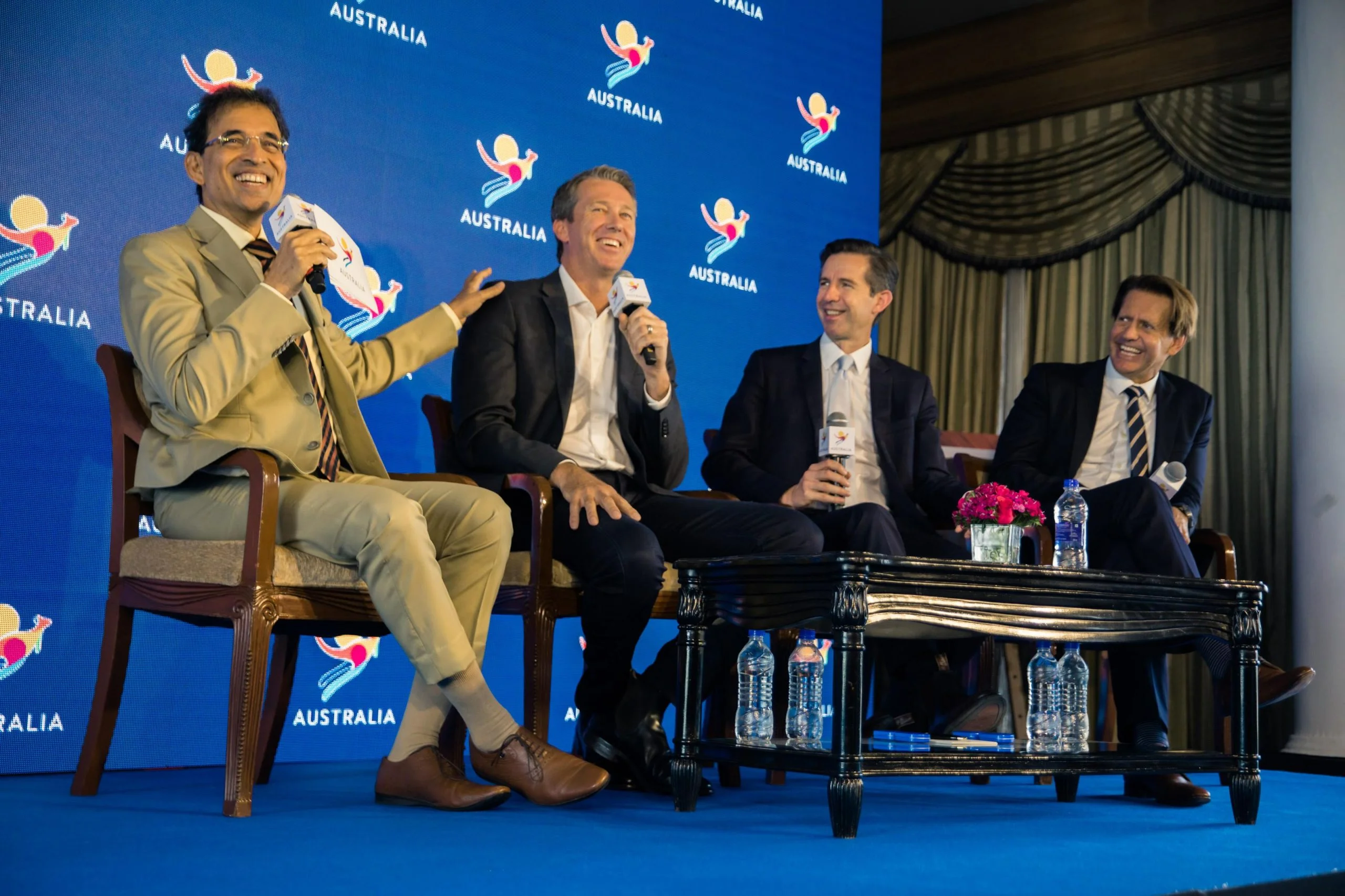
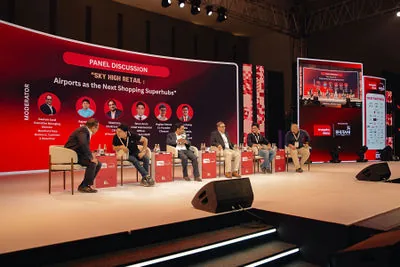
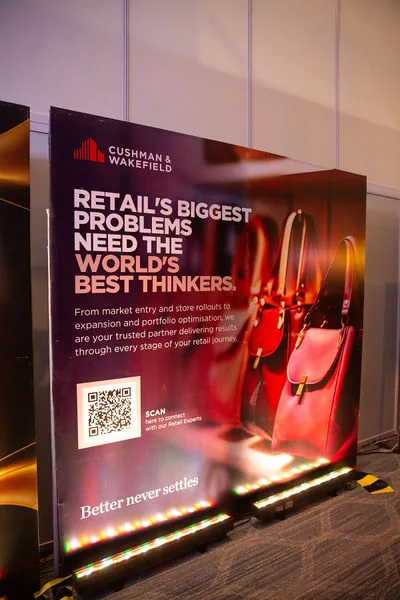
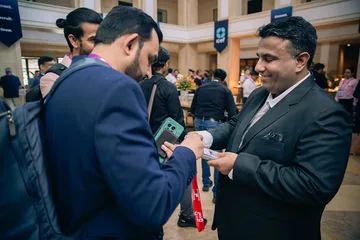
| Conference film | Venue, registration, branding, audience, networking, speaker details | Only stage wides | Builds scale, people and atmosphere |
| Company profile | Operations, culture, facilities, products, community and details | Generic montage with no narrative link | Creates an ownable visual identity |
A B-roll shot should answer one of three questions.
This is the fastest way to test whether the shot belongs.
Location, scale, environment and visual identity.
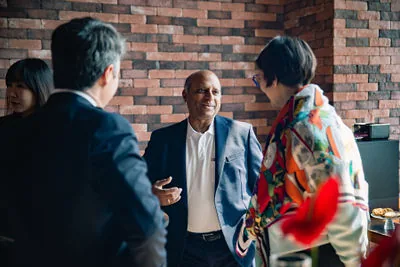
Process, action, interaction and consequence.
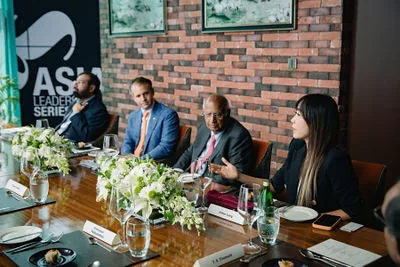
Specific evidence behind the speaker’s statement or the brand’s claim.
Continue planning
Related corporate video resources and services.
Use these pages to move from one production decision to the next without rebuilding the brief from scratch.
People Also Ask
Direct answers to the questions buyers usually ask.
The first sentence answers the question; the rest adds practical context.
01What is an example of B-roll footage?
If an executive discusses a new facility, B-roll could include the facility exterior, teams at work, machinery, details, interactions and a wide view of the operation.
02Why is B-roll important for interviews?
It provides visual context and lets the editor shorten, combine or reorder answers without showing distracting jump cuts.
03How much B-roll should a corporate shoot capture?
Capture enough variety to support every major story theme and create clean sequences. The right amount depends on film length, locations and number of speakers.
04Is event footage considered B-roll?
Yes, when it supports an interview or narrated story. The same event moment may be primary action in one edit and B-roll in another.
05Can stock footage replace corporate B-roll?
Stock can fill limited conceptual gaps, but original footage is more credible, specific and visually consistent with the organisation.
06Should B-roll be scripted?
It should be planned, but not necessarily staged. Identify real actions, spaces and people, then coordinate access so authentic scenes can be filmed well.
Turn this planning question into a workable production brief.
Share the shoot date, location, audience, programme, required deliverables, interview needs and delivery deadline. We will recommend the smallest team that can execute it properly.
From global conferences to trade missions and corporate events across India.