
Executive interviews · production guide
The best corporate interview setup disappears—and leaves the speaker sounding clear, credible and human.
Understand how location, camera, lighting, sound, eyeline, direction and B-roll work together for leadership, client, alumni, internal and event interviews.
This is a buyer’s guide to production choices, not a camera tutorial. It helps communications teams protect speaker time and avoid beautiful footage with weak answers or unusable sound.
Interview anatomy
Four systems have to work at once.
The camera is only one of them.
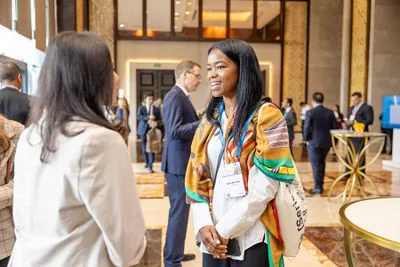
Conversation
Questions, listening and direction help the speaker reach specific, natural answers.
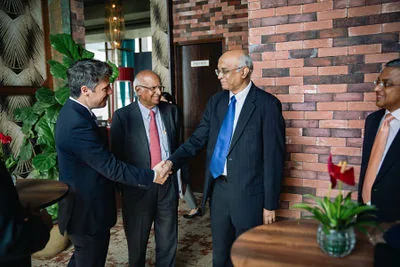
Image
Framing, eyeline, background and lighting create authority without stiffness.
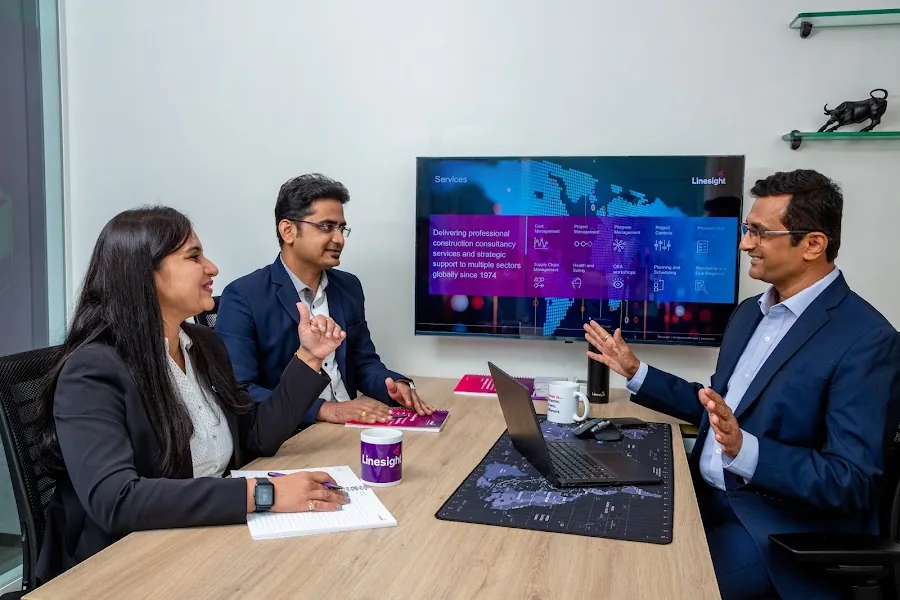
Sound
Microphones, room control and backup recording make the words usable.
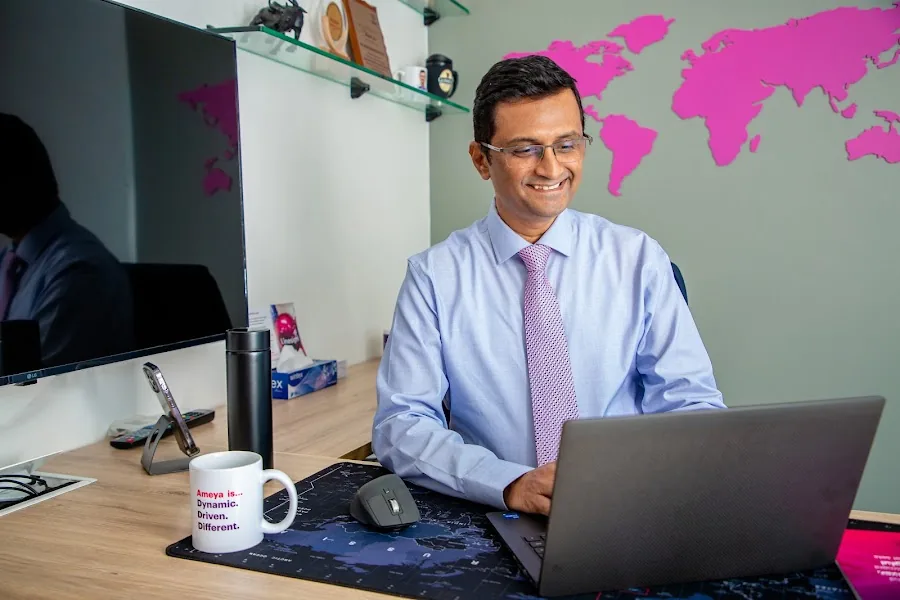
Editorial coverage
Second angles and B-roll give the edit flexibility and visual context.
Room choice matters
Four location problems that are difficult to fix later.
Walk the room before locking the interview schedule.
Glass boardroom echo
Hard surfaces can make speech sound distant and tiring even when the room looks premium.
Visible confidential screens
Backgrounds may reveal names, data, documents or internal activity.
Changing daylight
Large windows can shift during a long interview block unless controlled.
No depth
A chair pressed against a wall produces a flat, passport-like corporate frame.




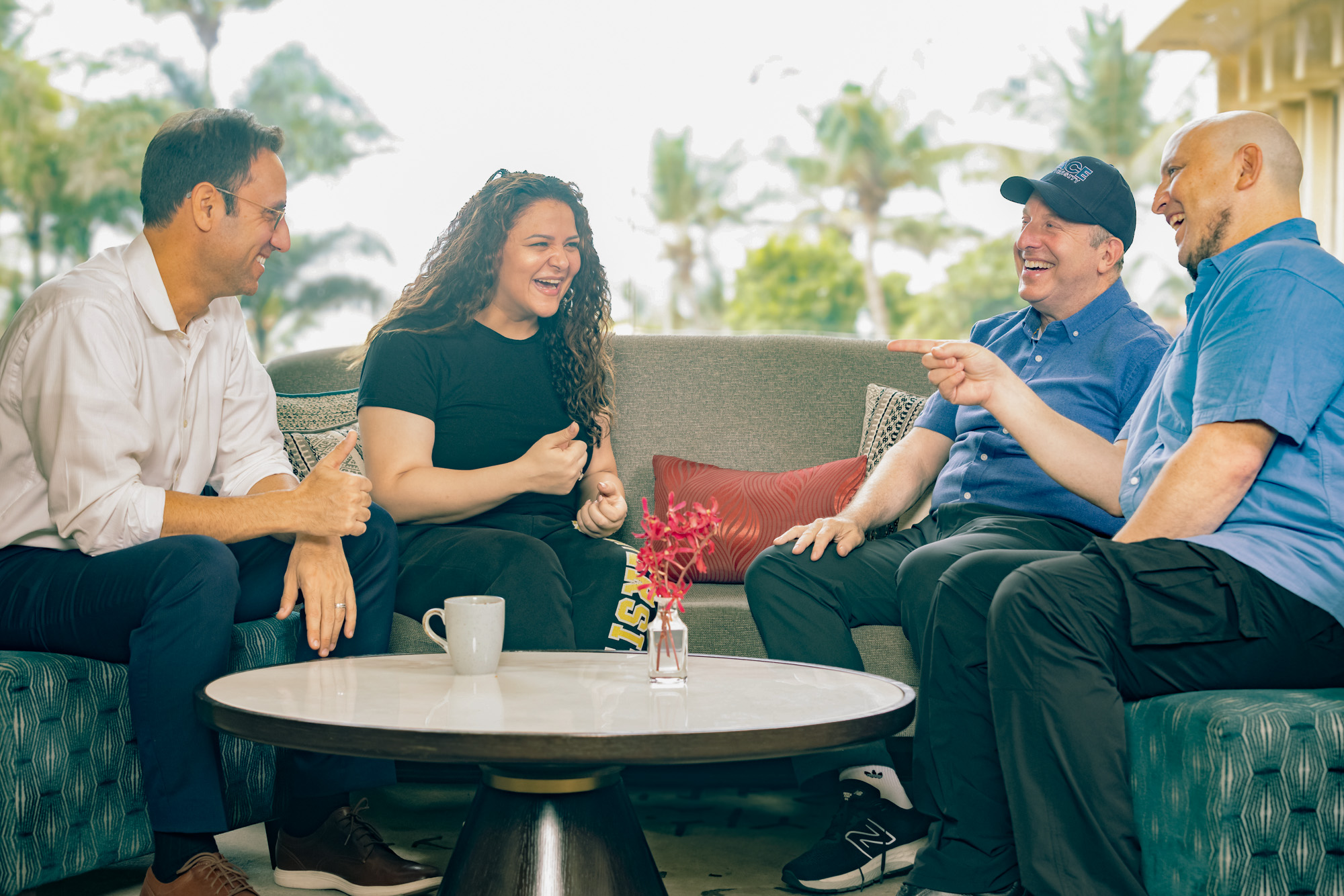
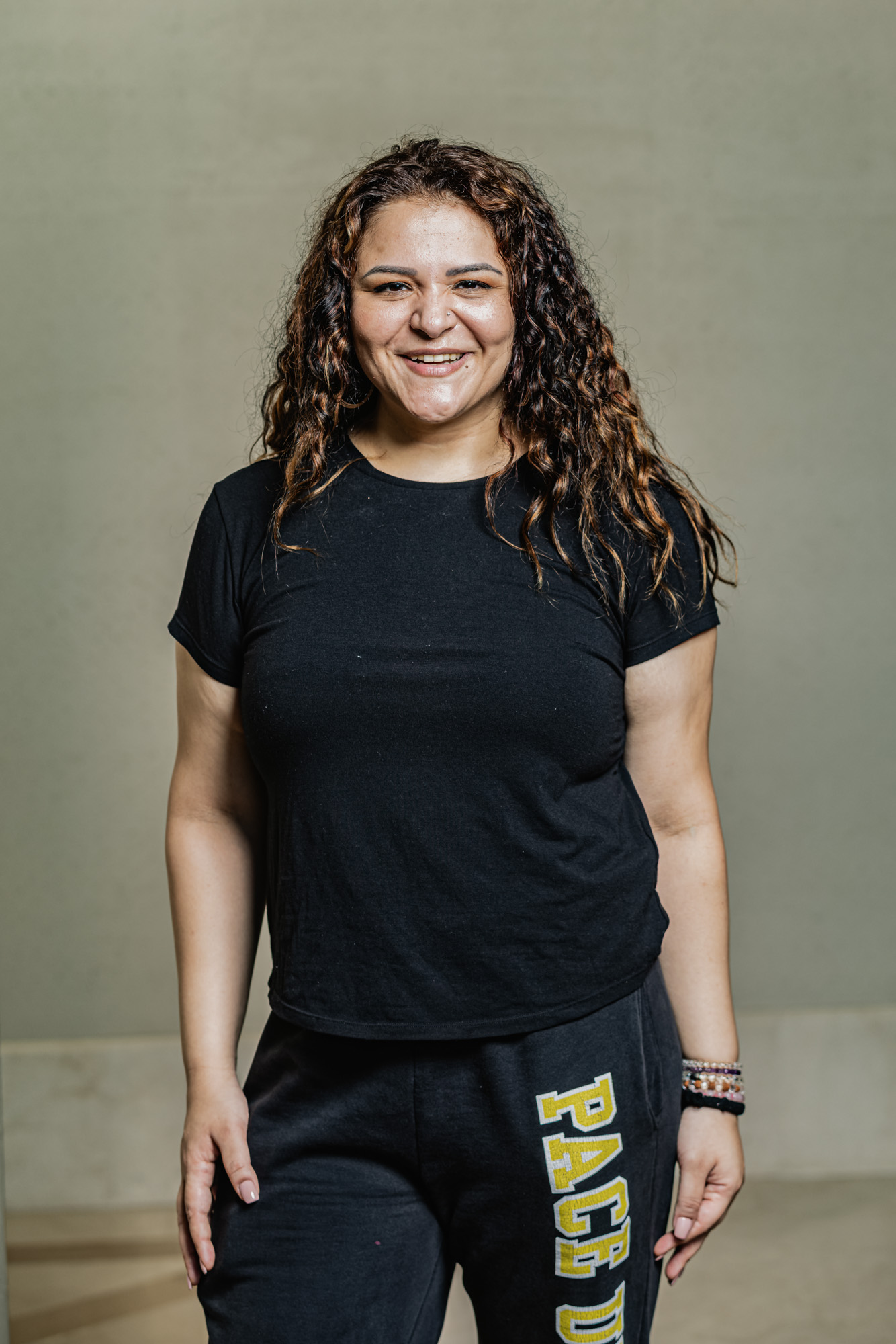
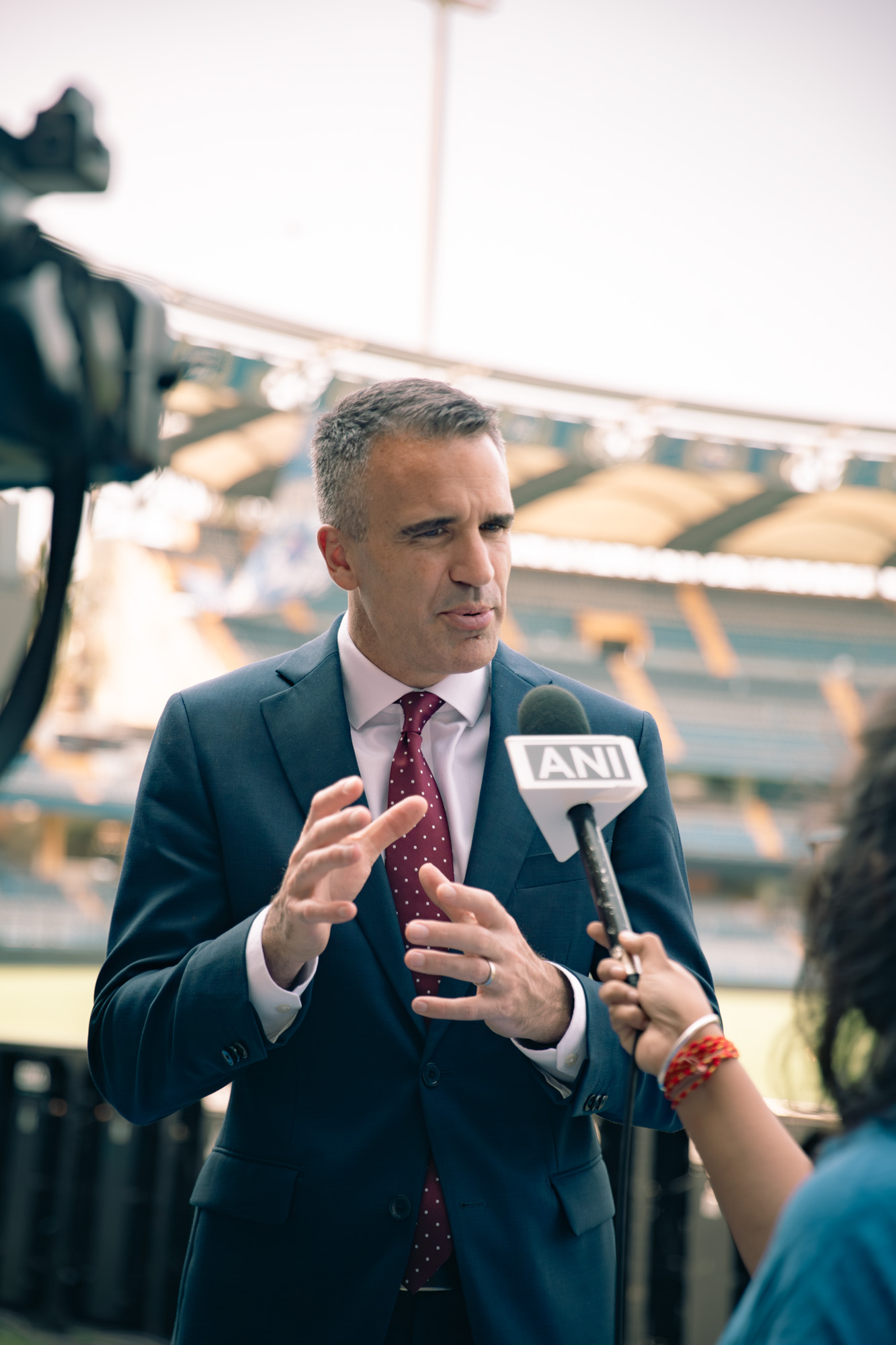
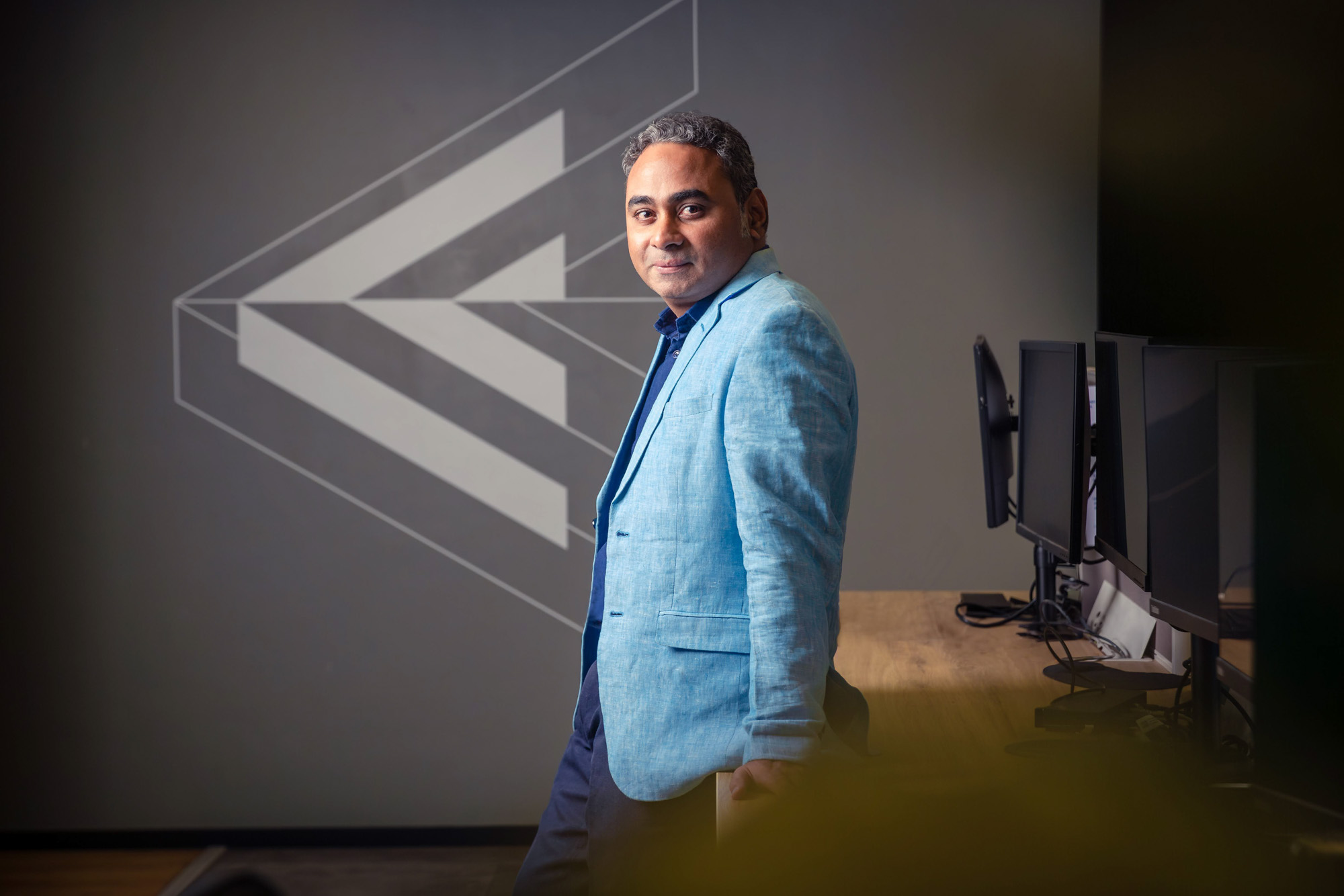

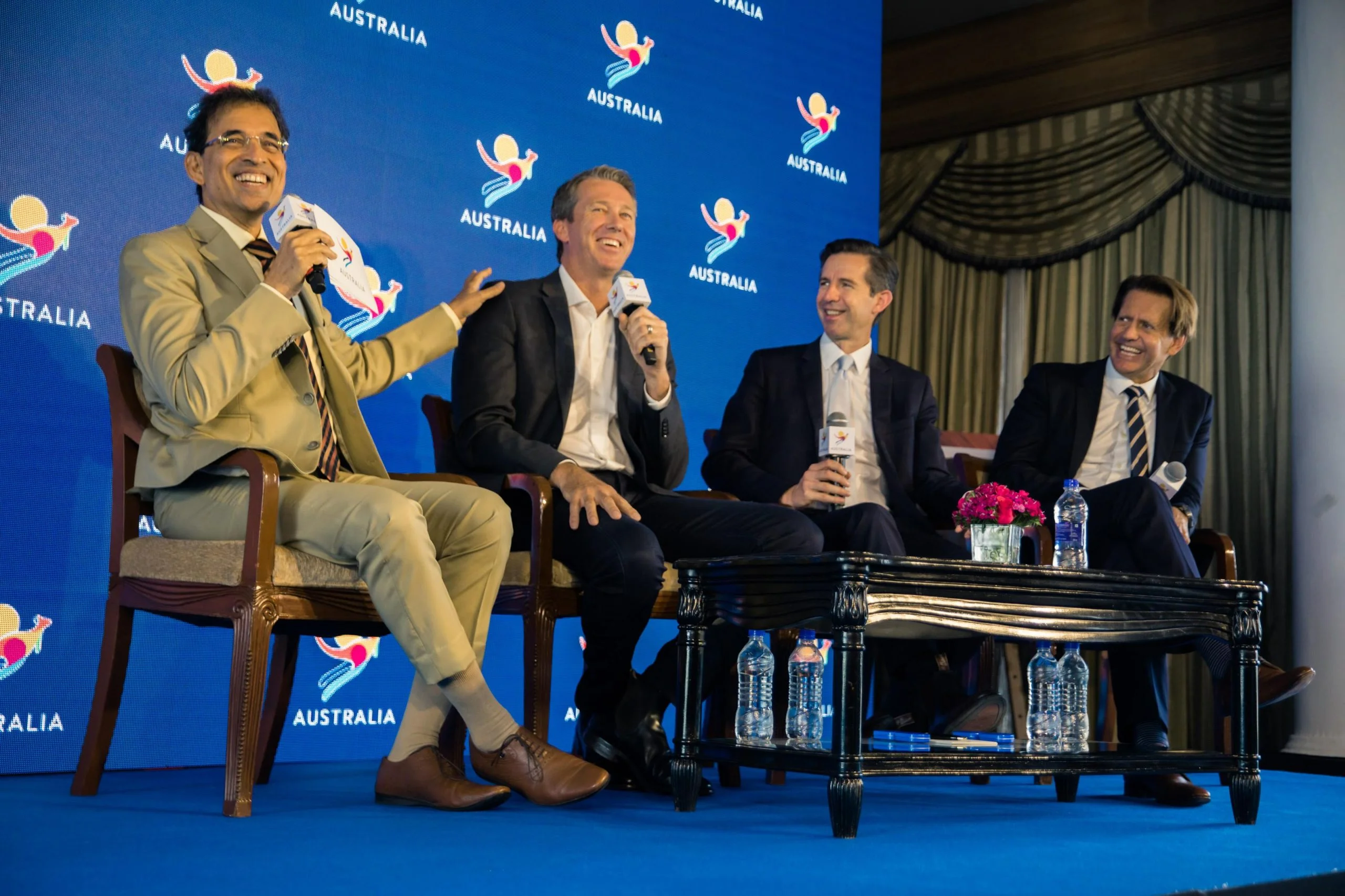
The useful answer
How is a professional corporate interview filmed?
The team prepares the room, builds a controlled camera-light-sound setup, establishes a comfortable eyeline, guides the conversation and then captures supporting footage for the edit.
One camera can work for concise pieces; two cameras add editorial flexibility. Sound should be recorded close to the speaker with a backup where stakes are high. The interview itself should feel like a focused conversation rather than a recital.
Speaker-day workflow
A calm interview day is heavily prepared.
This sequence protects both time and performance.
Scout & control
Choose framing, reduce noise, manage daylight and remove confidential distractions.
Build setup
Place camera or cameras, lighting, microphones, monitor and backup recording.
Warm up
Explain eyeline, answer length and process; begin with easy context questions.
Find specifics
Ask for moments, decisions, examples and consequences; follow the strongest answers.
Capture context
Film relevant B-roll, room tone, portraits and alternate lines or pickups.
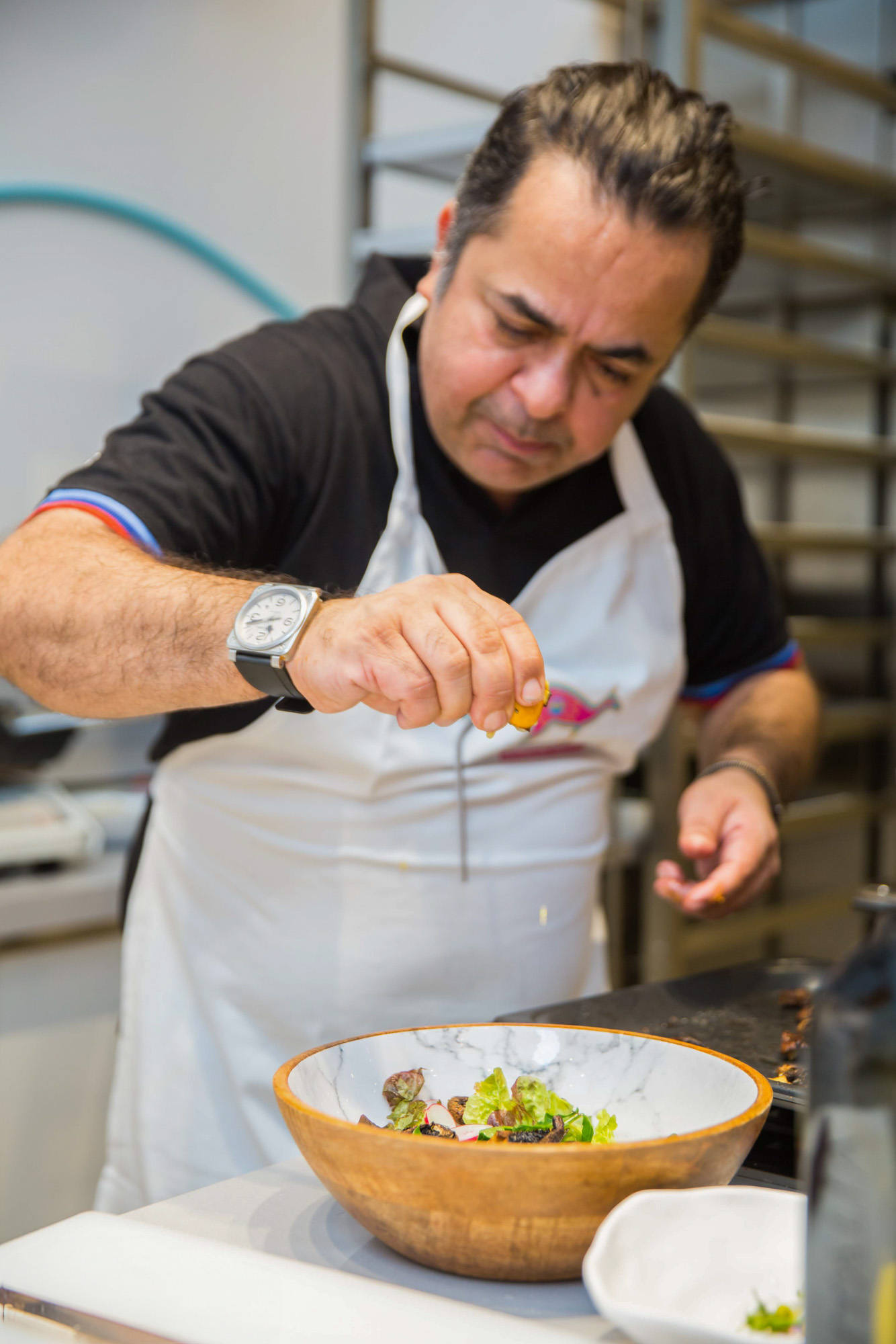
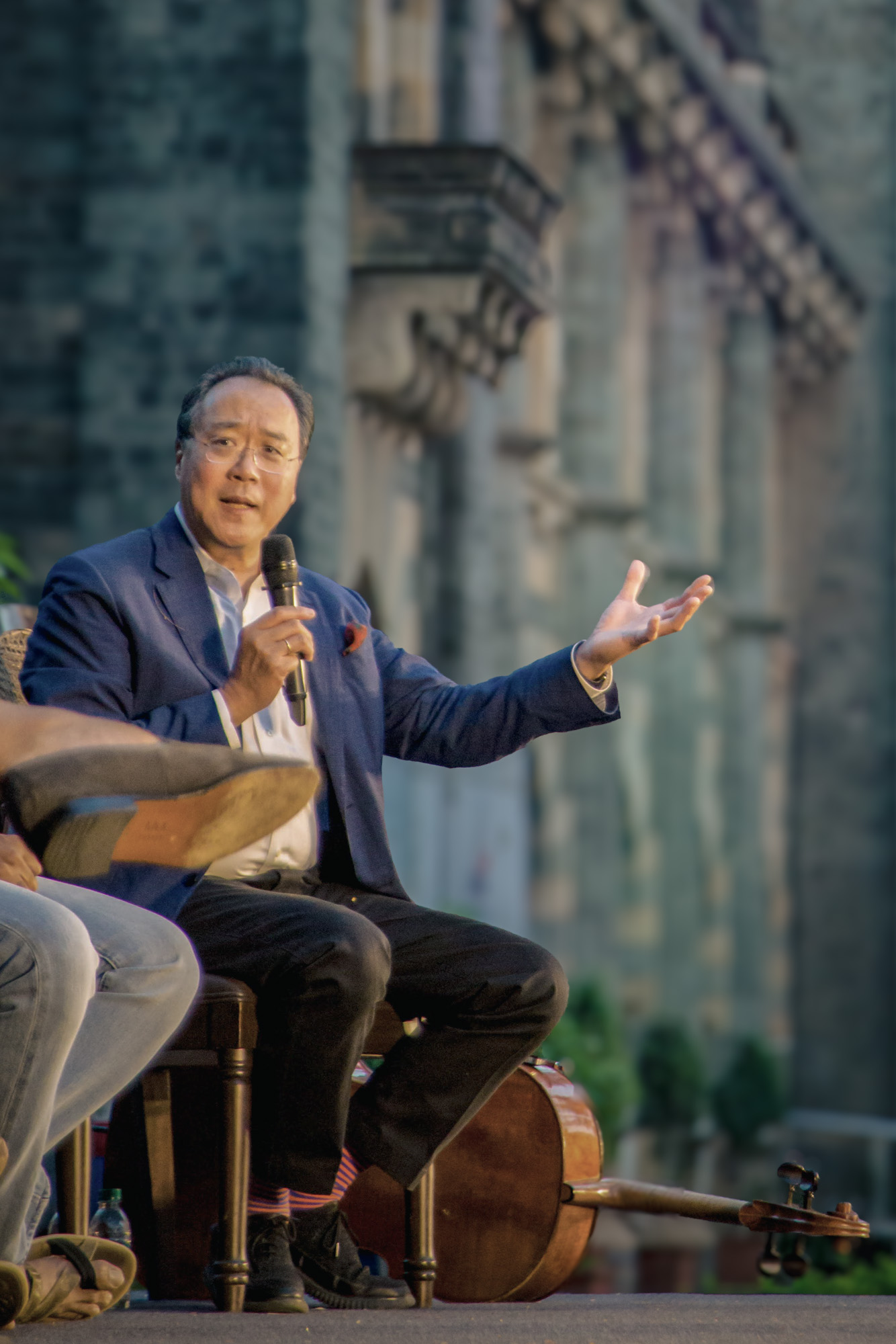
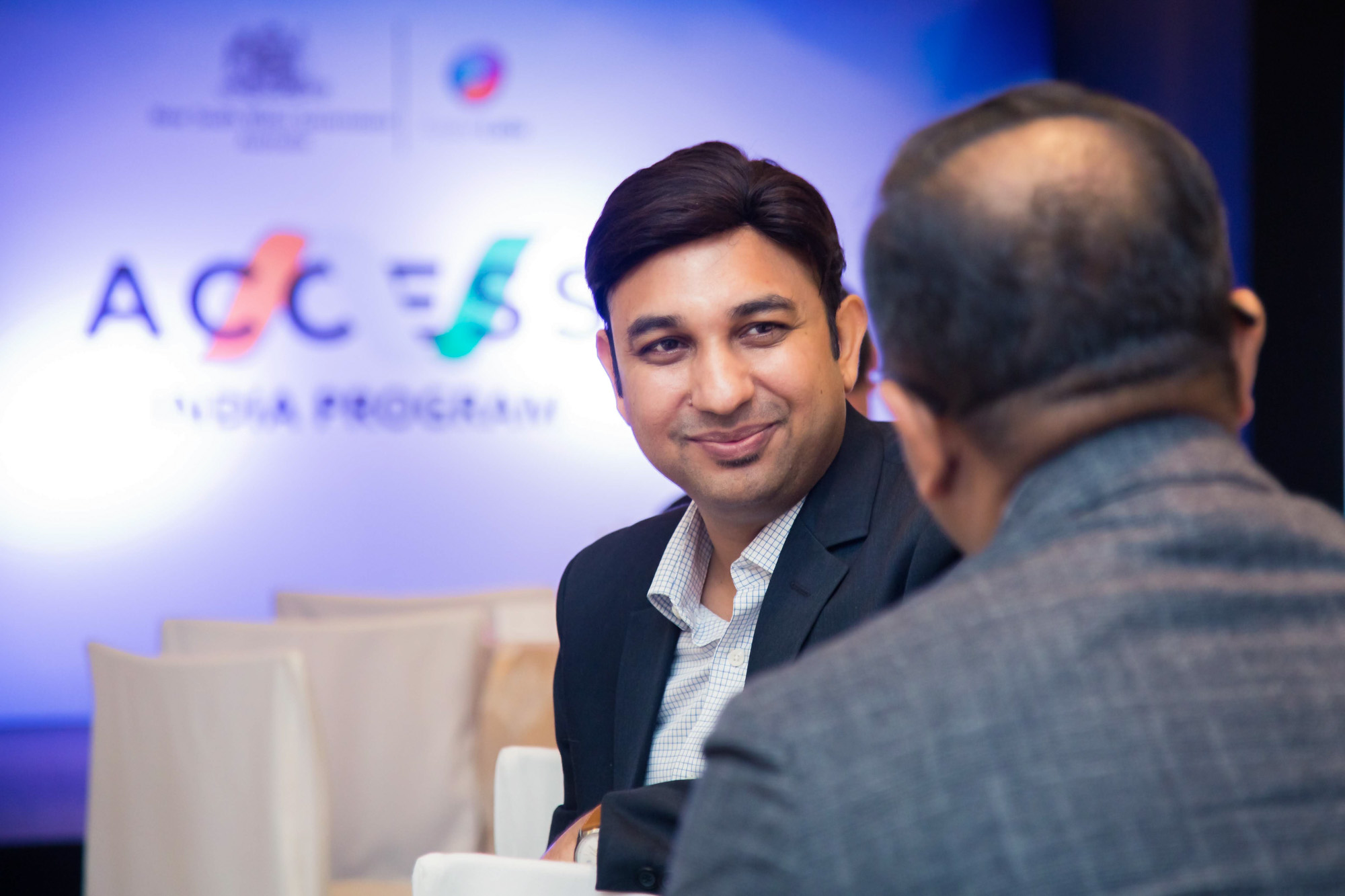
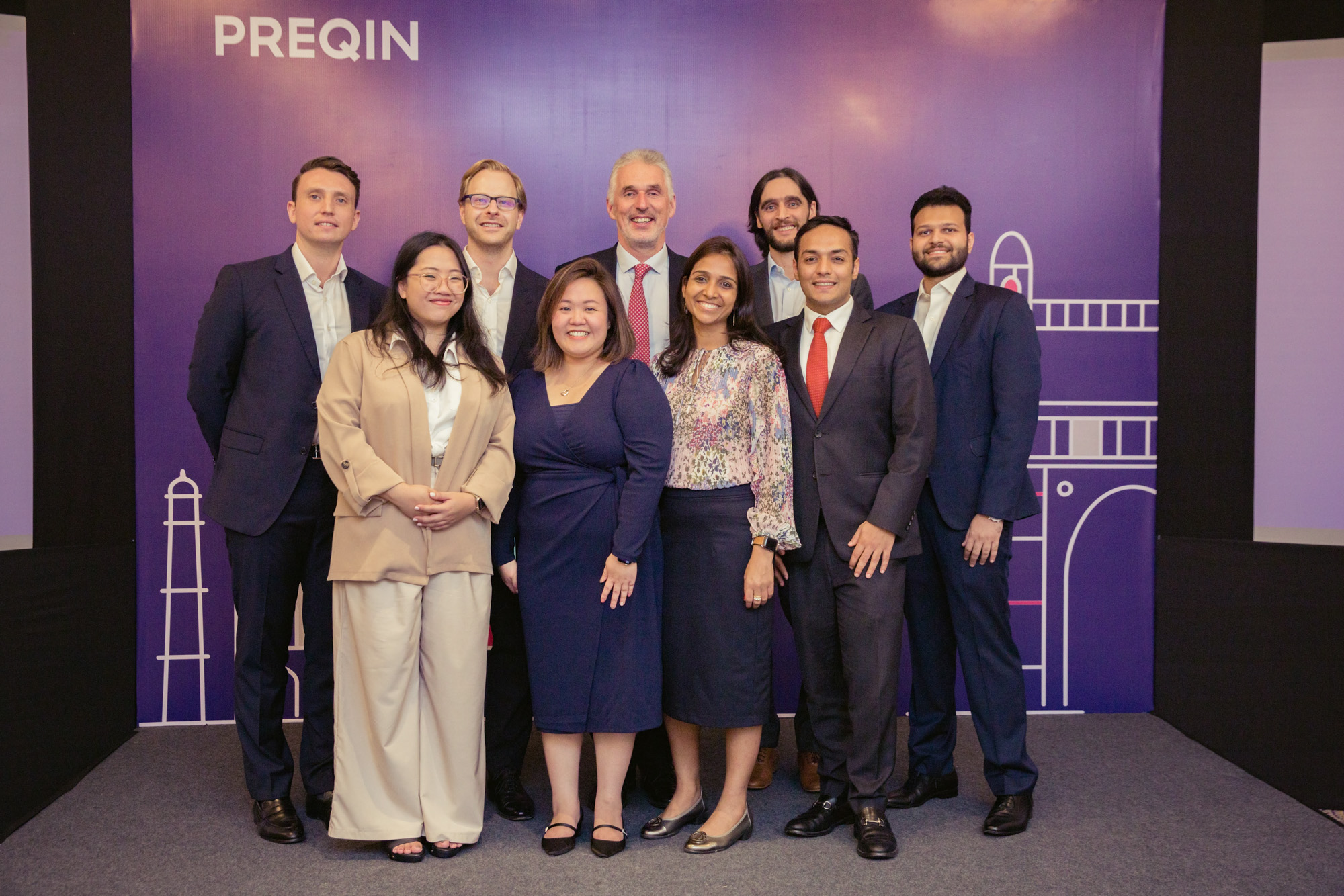
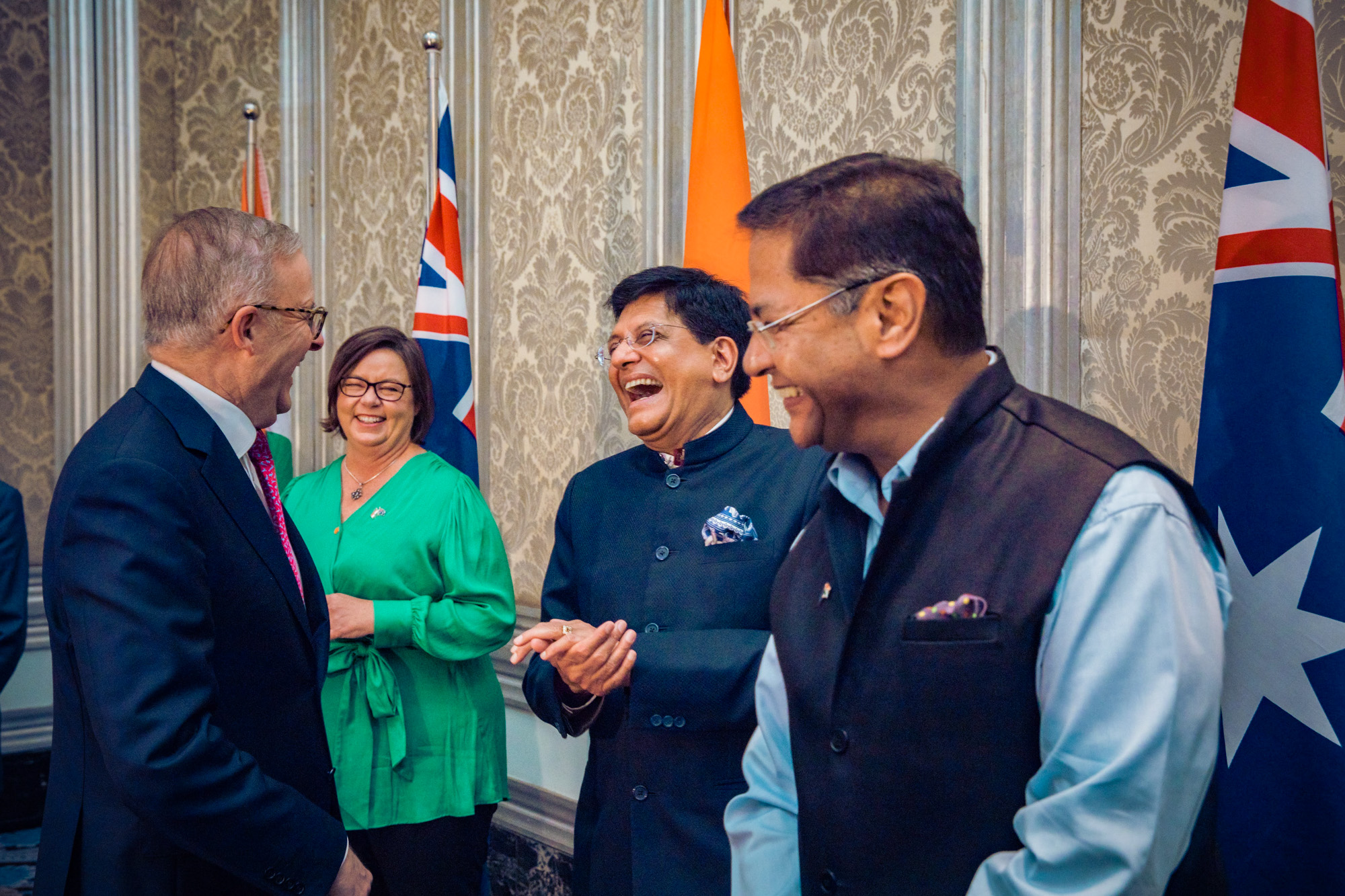
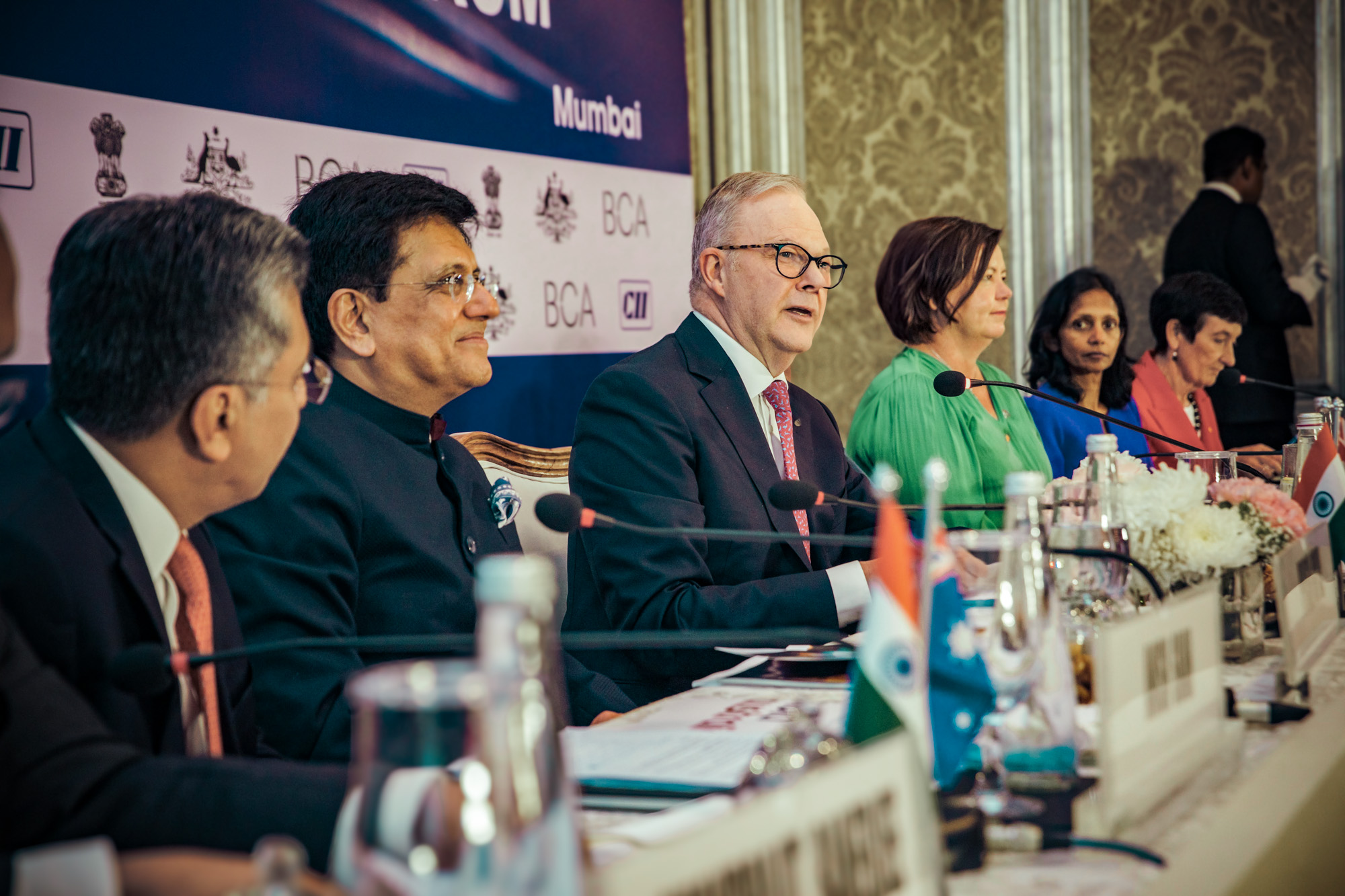
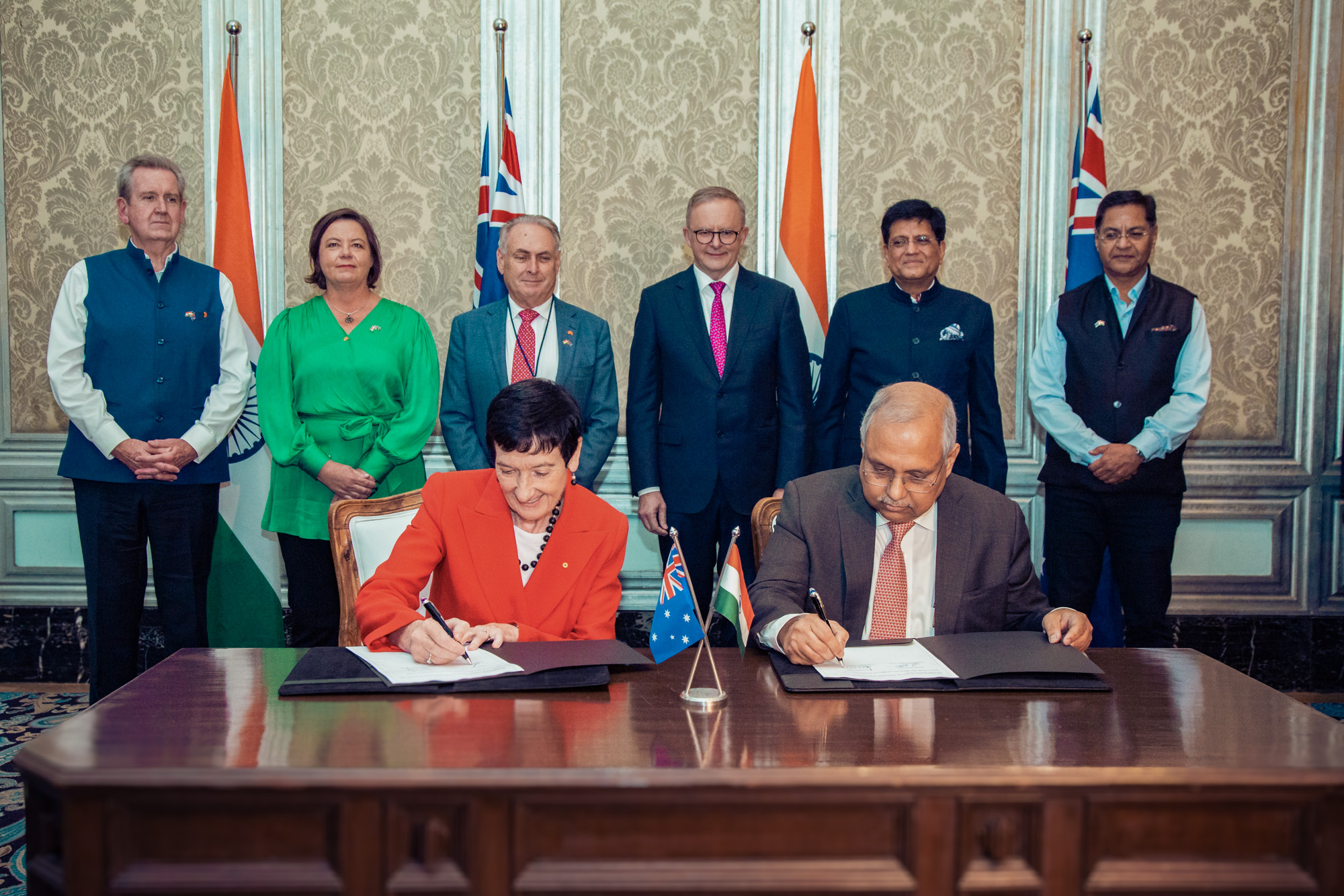
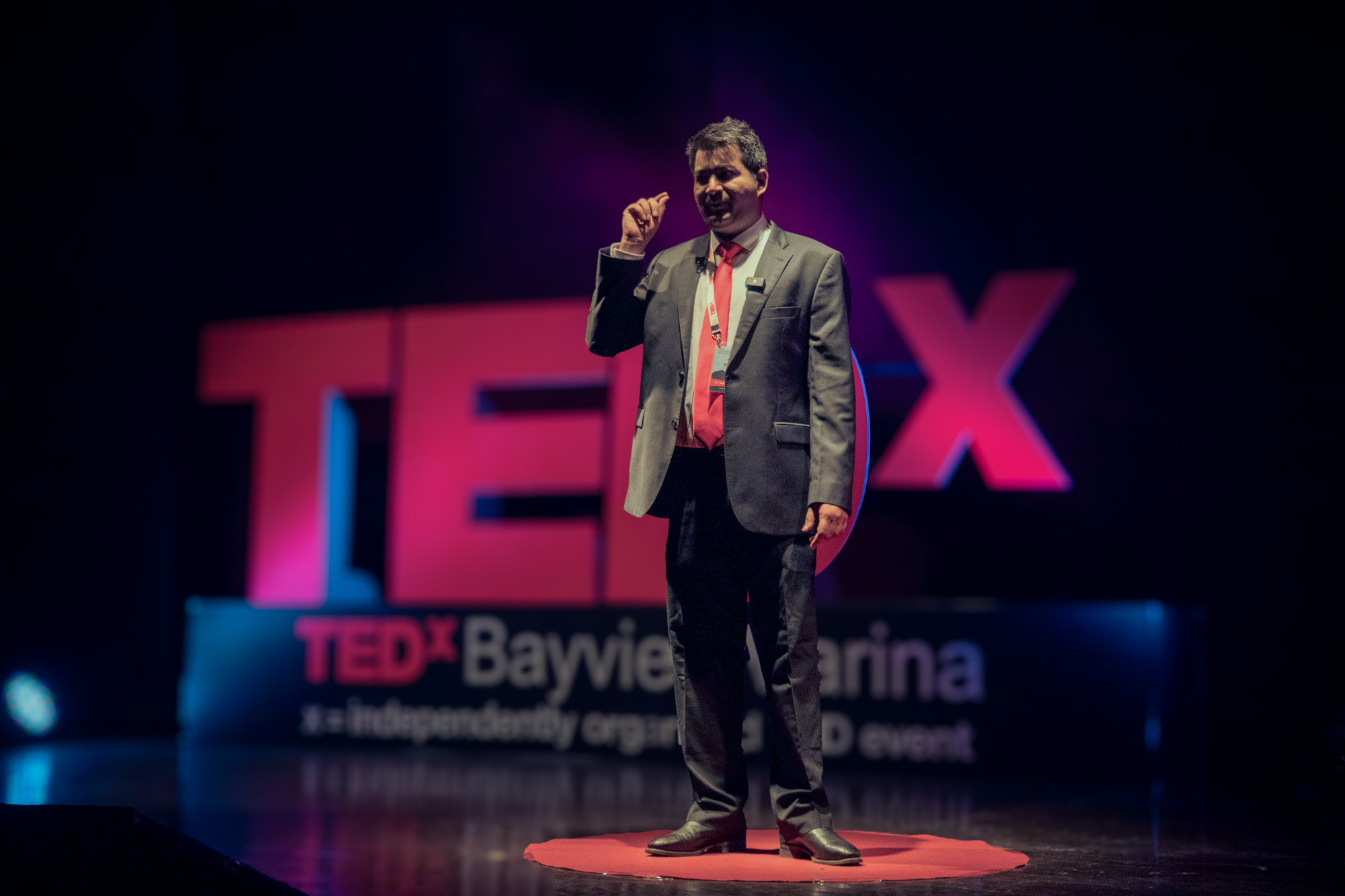
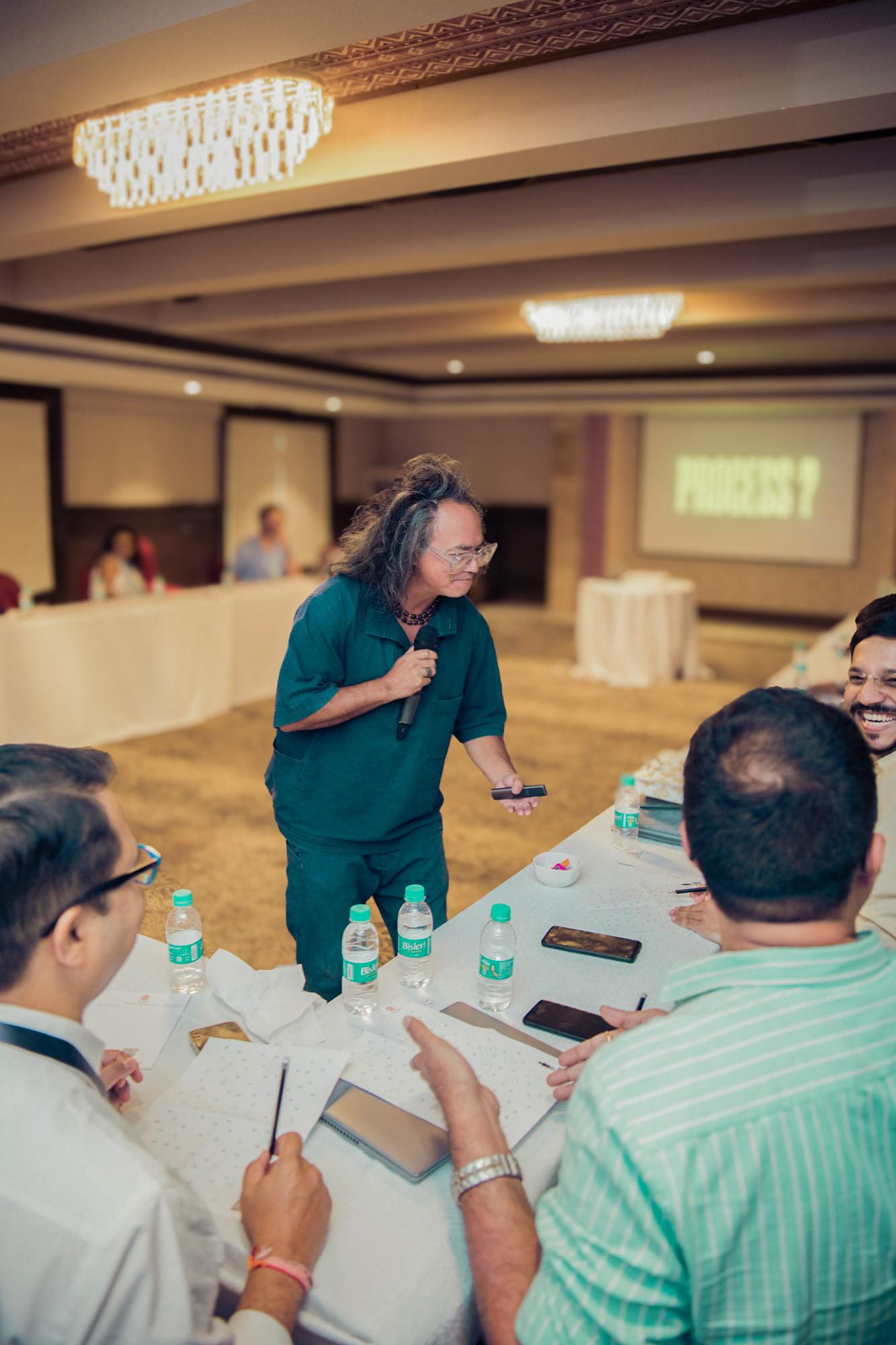
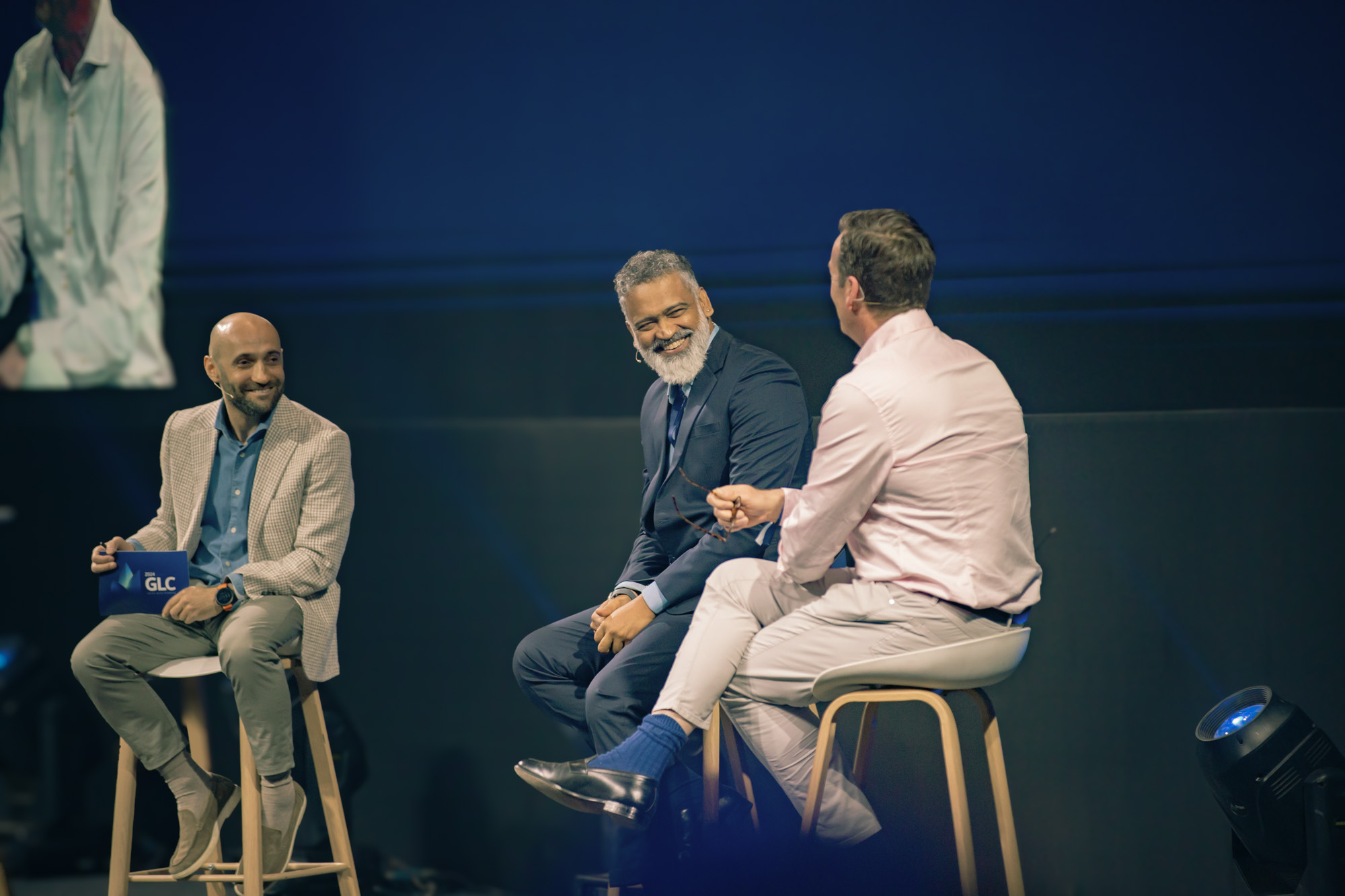
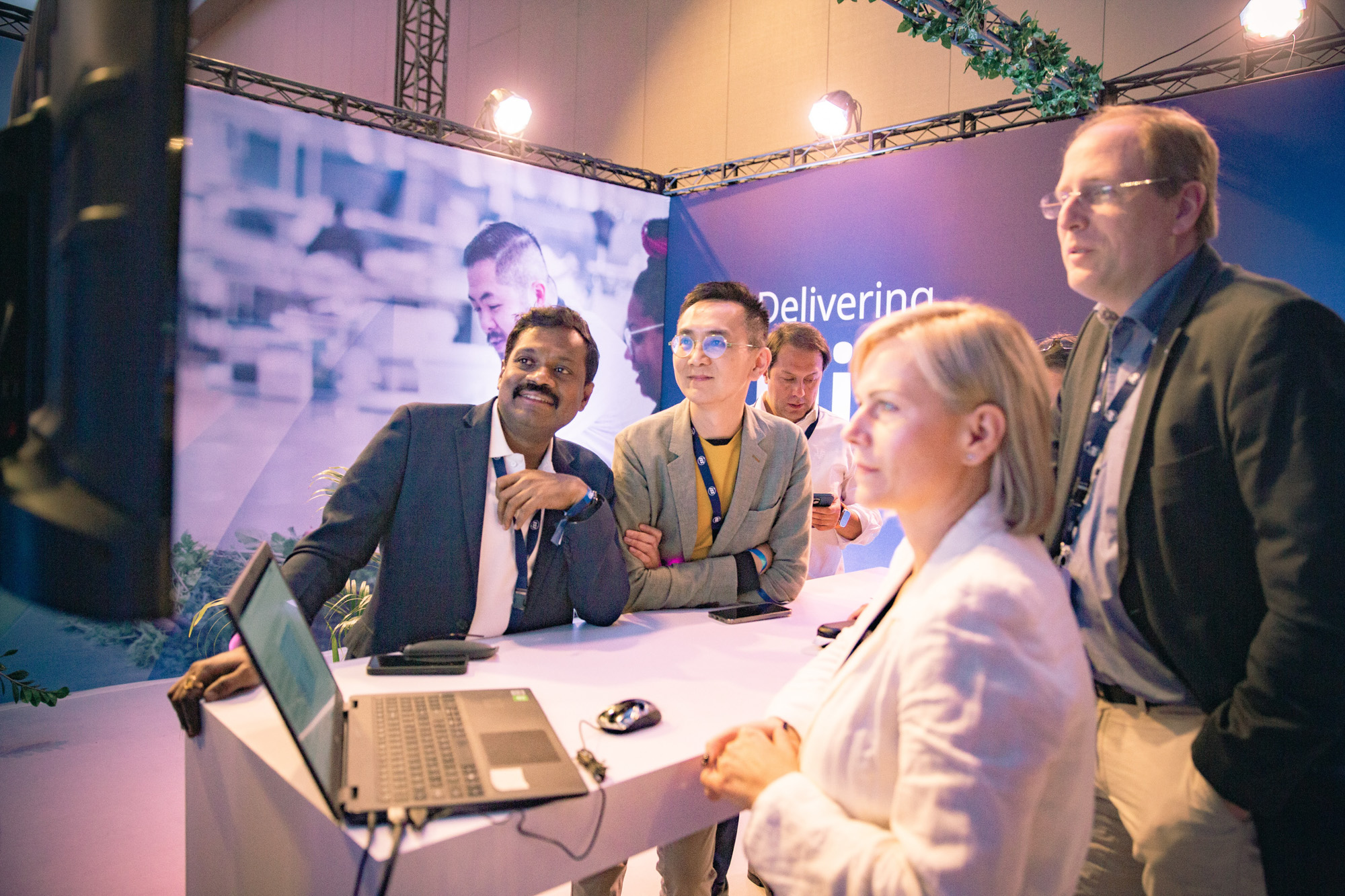
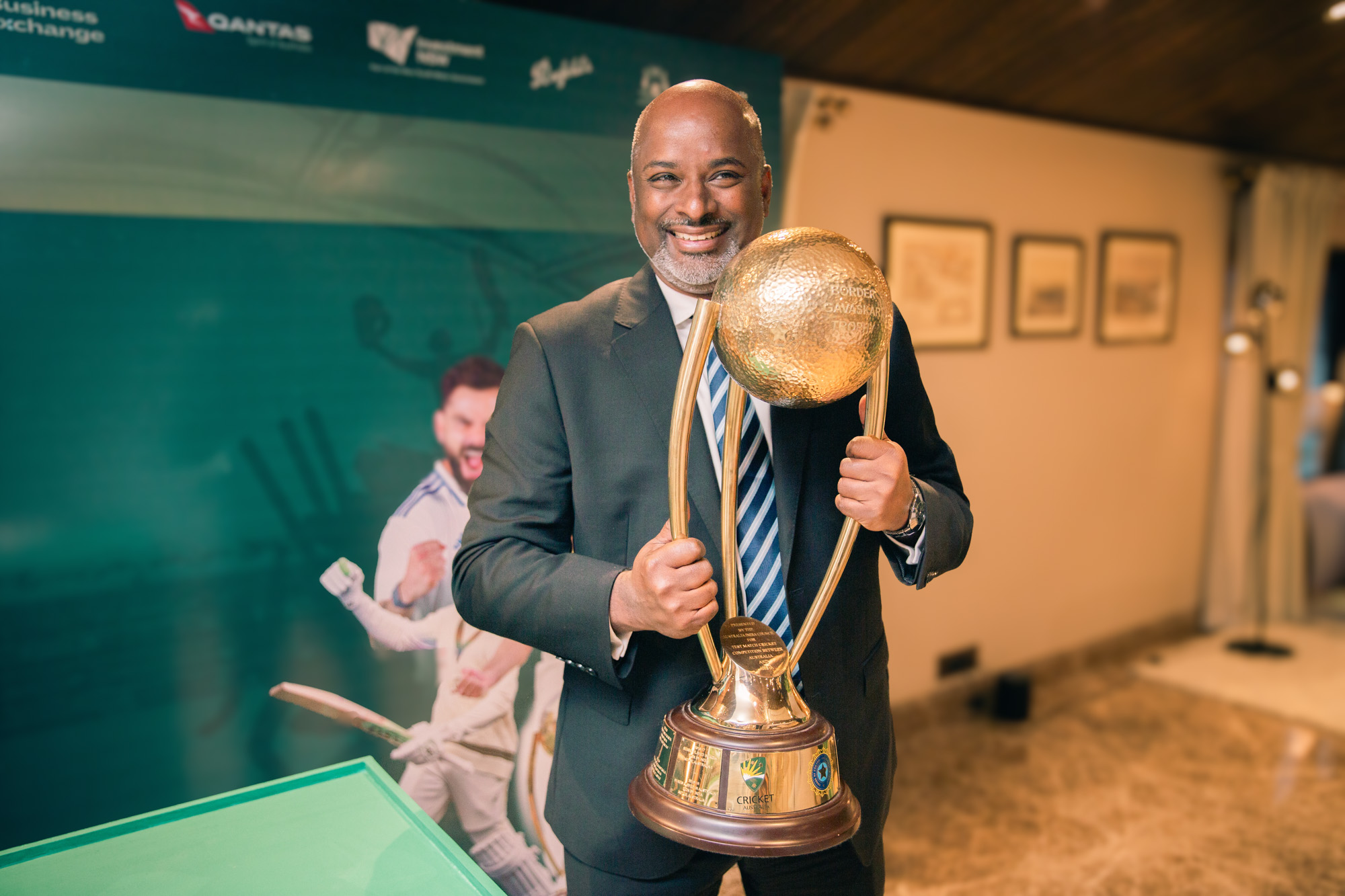
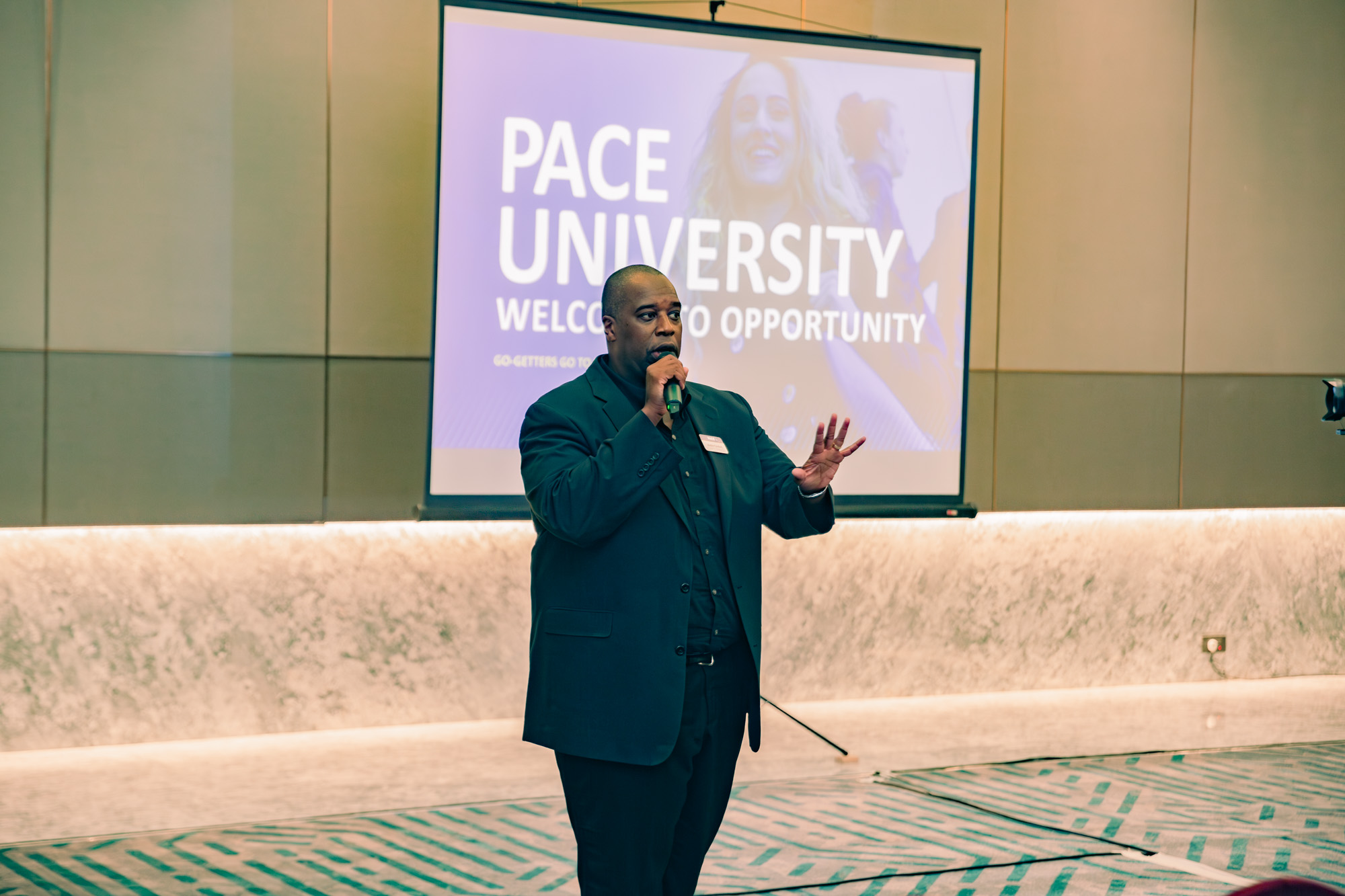
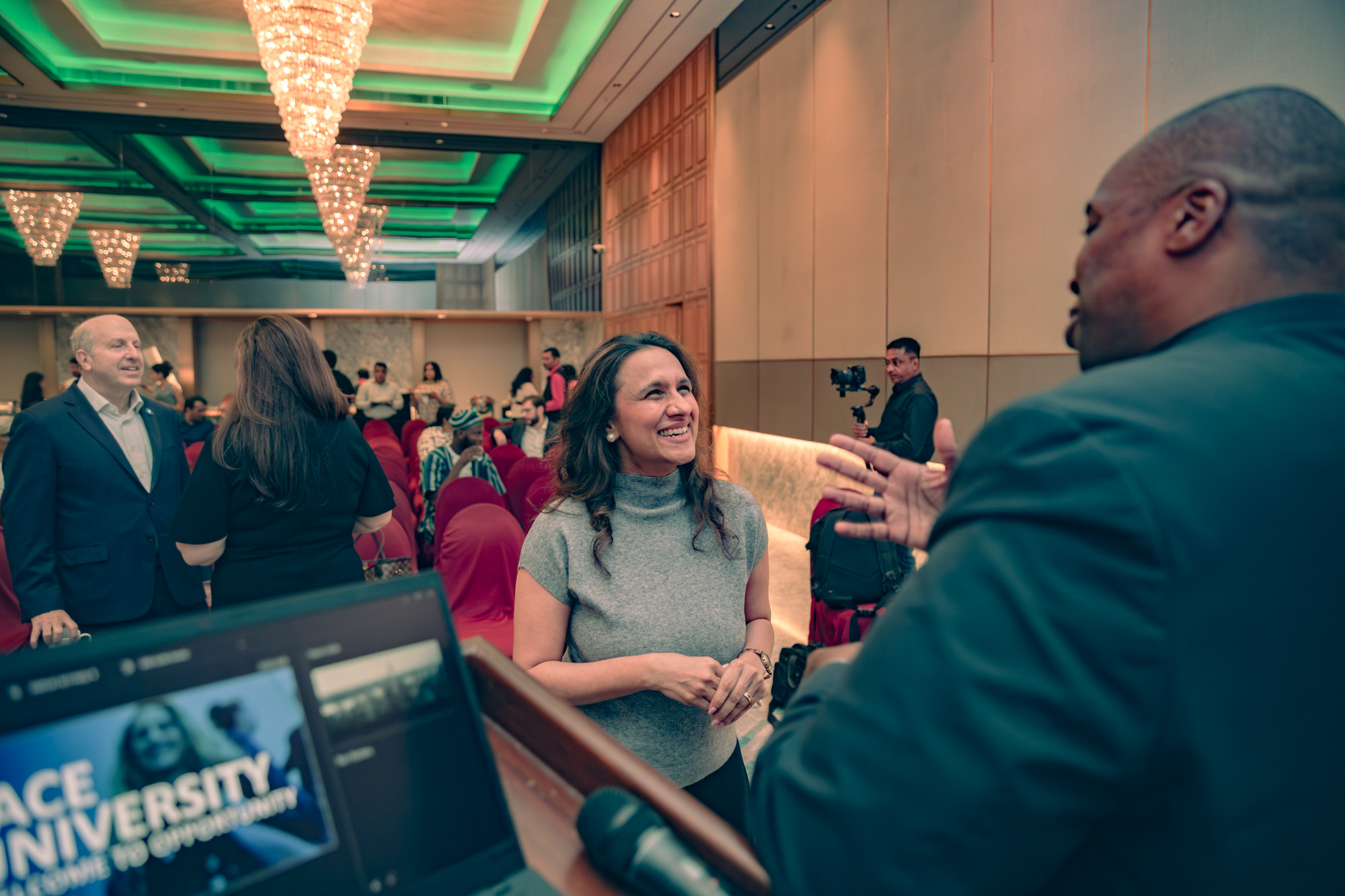
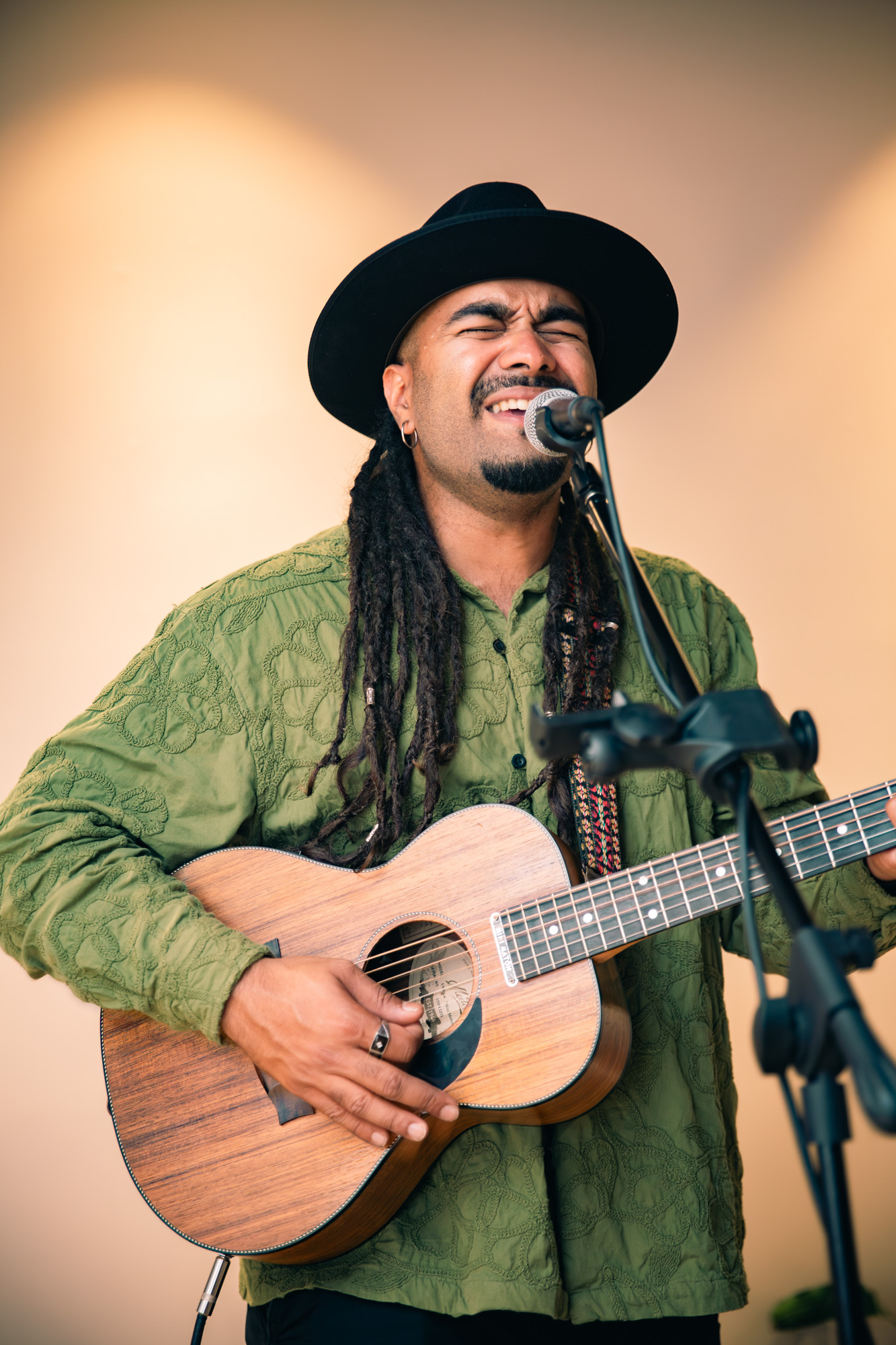
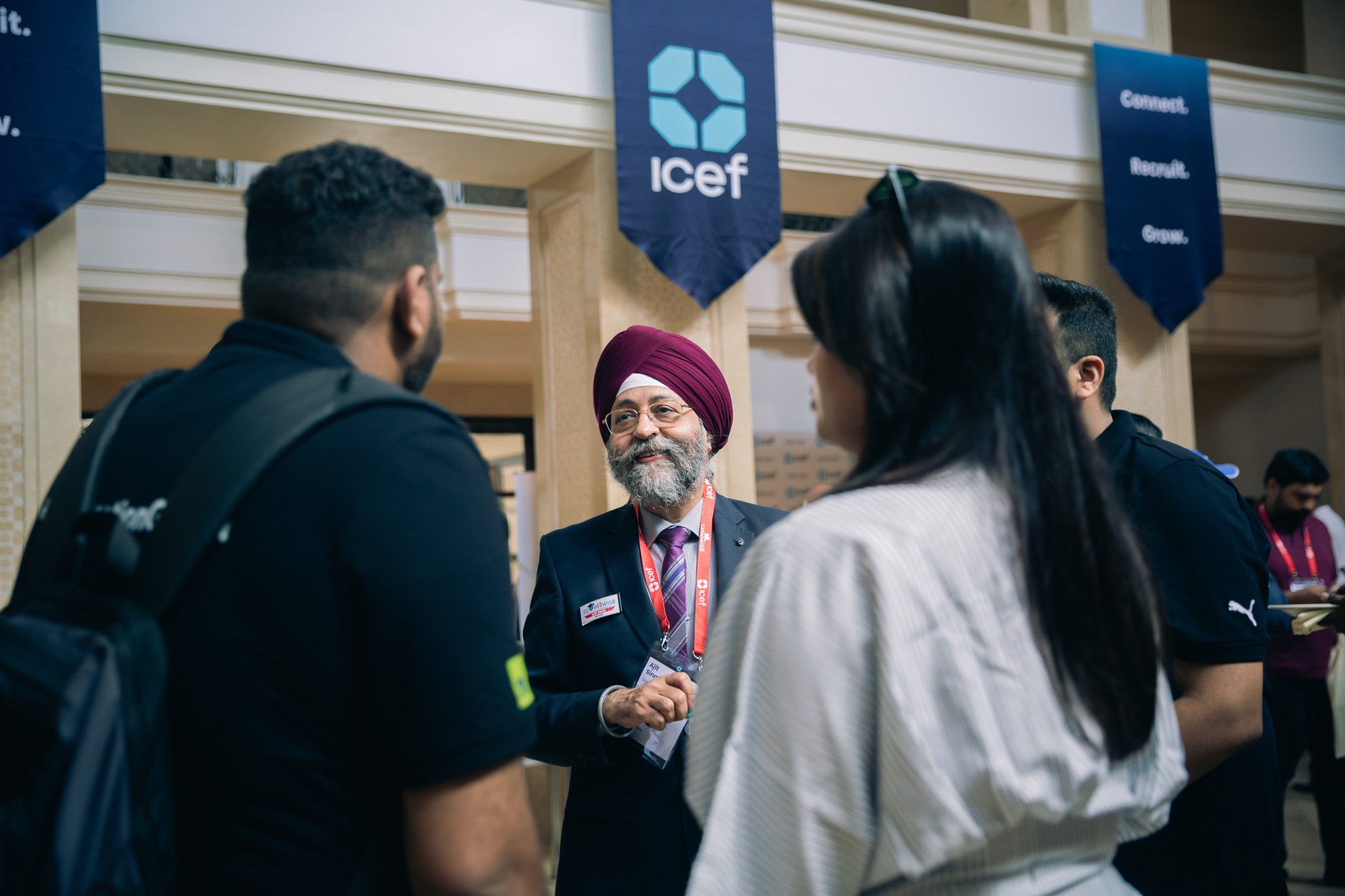
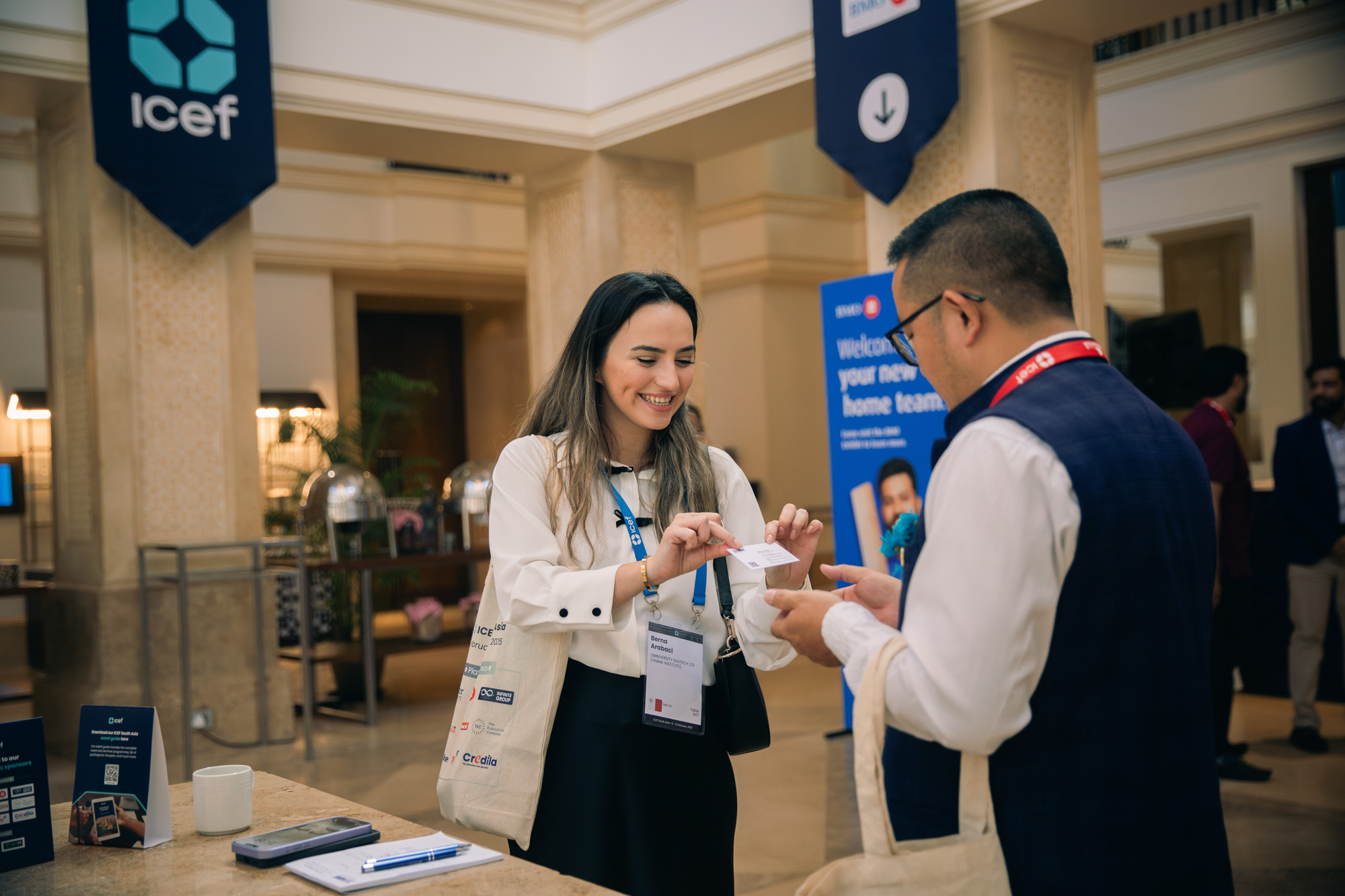
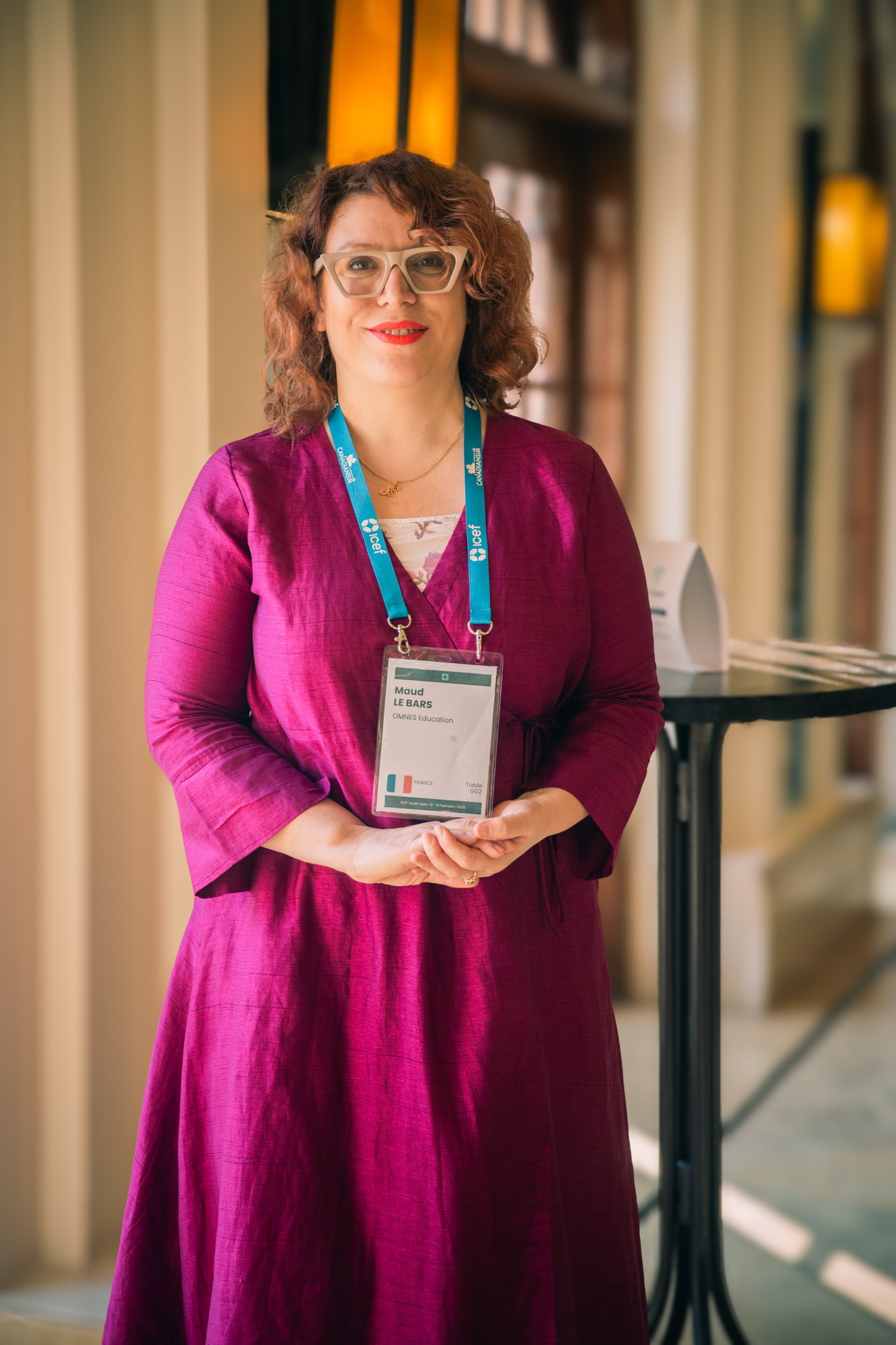
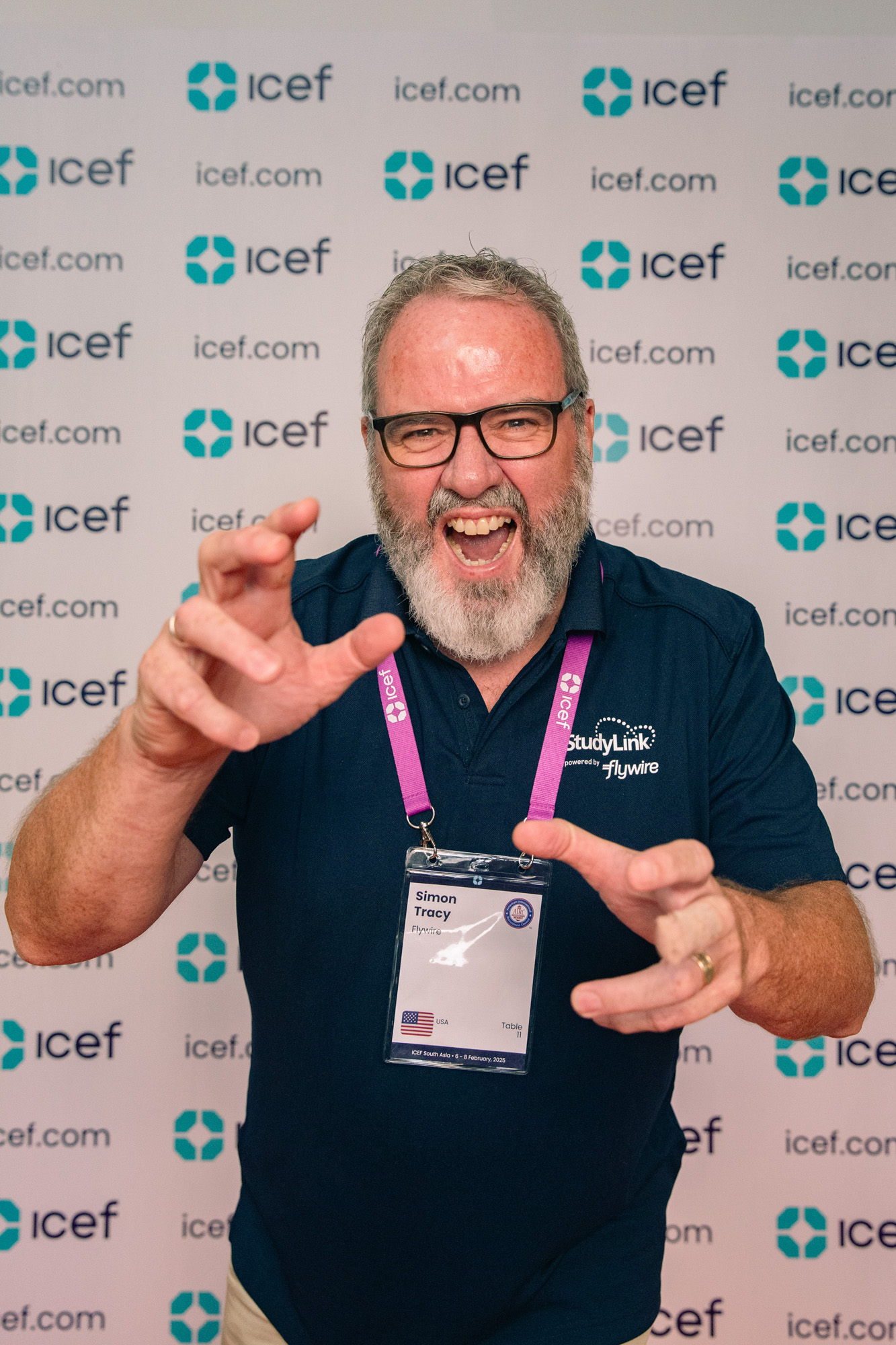
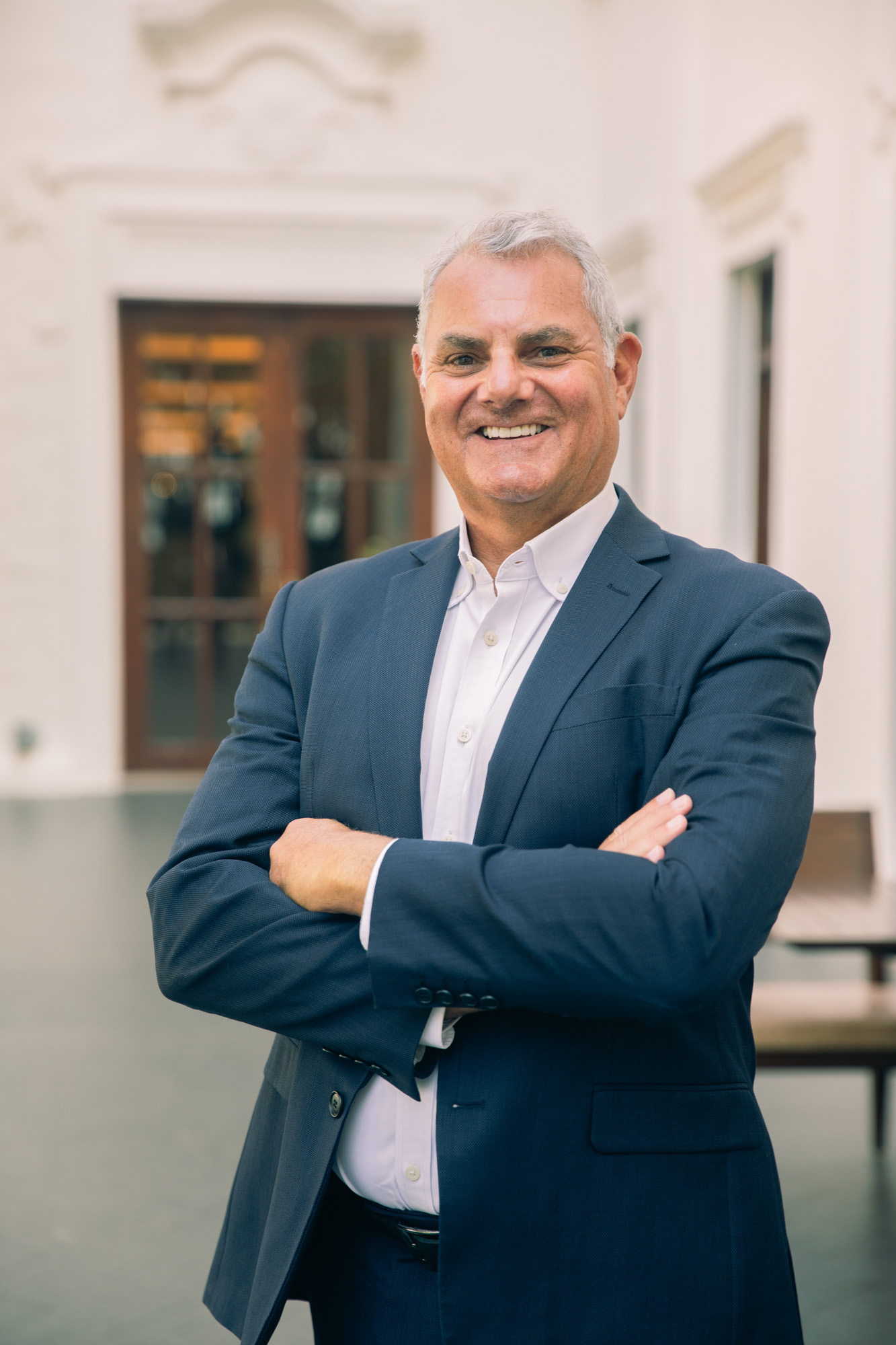
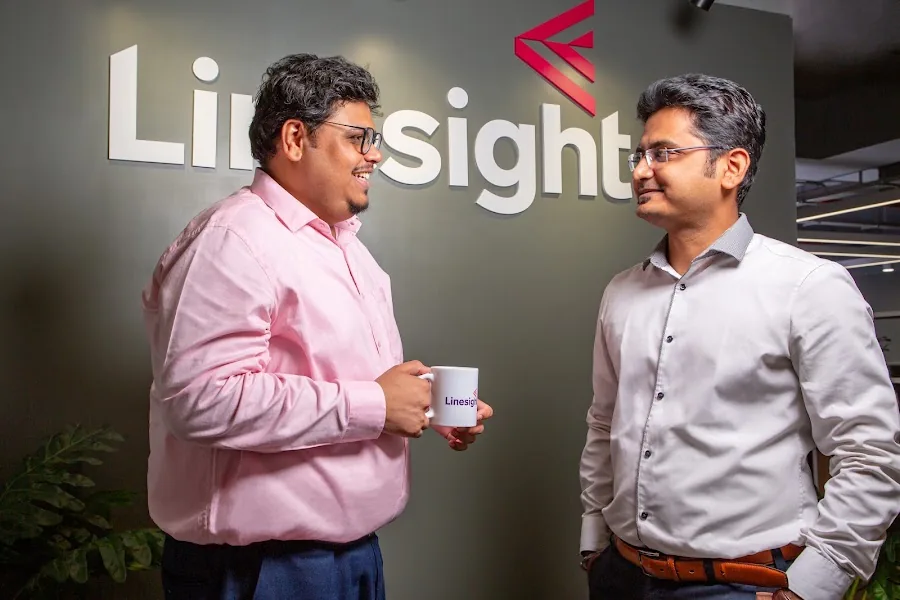
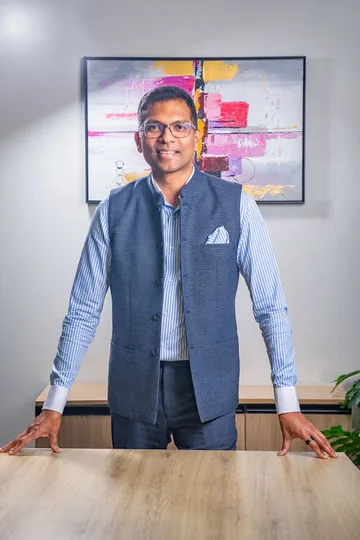
Visual proof block
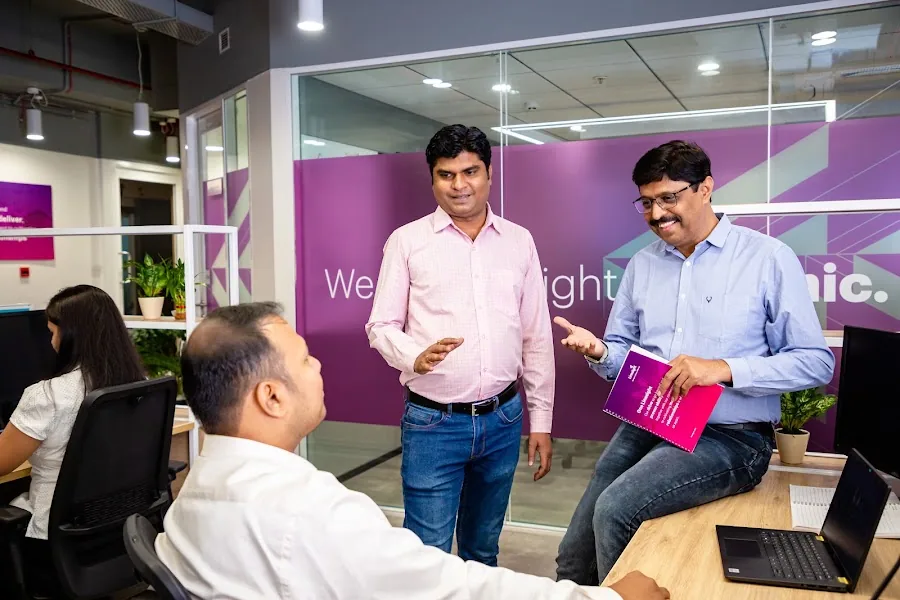
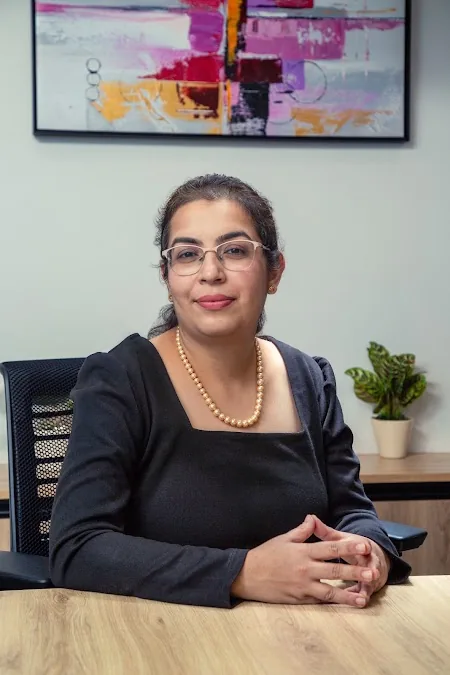
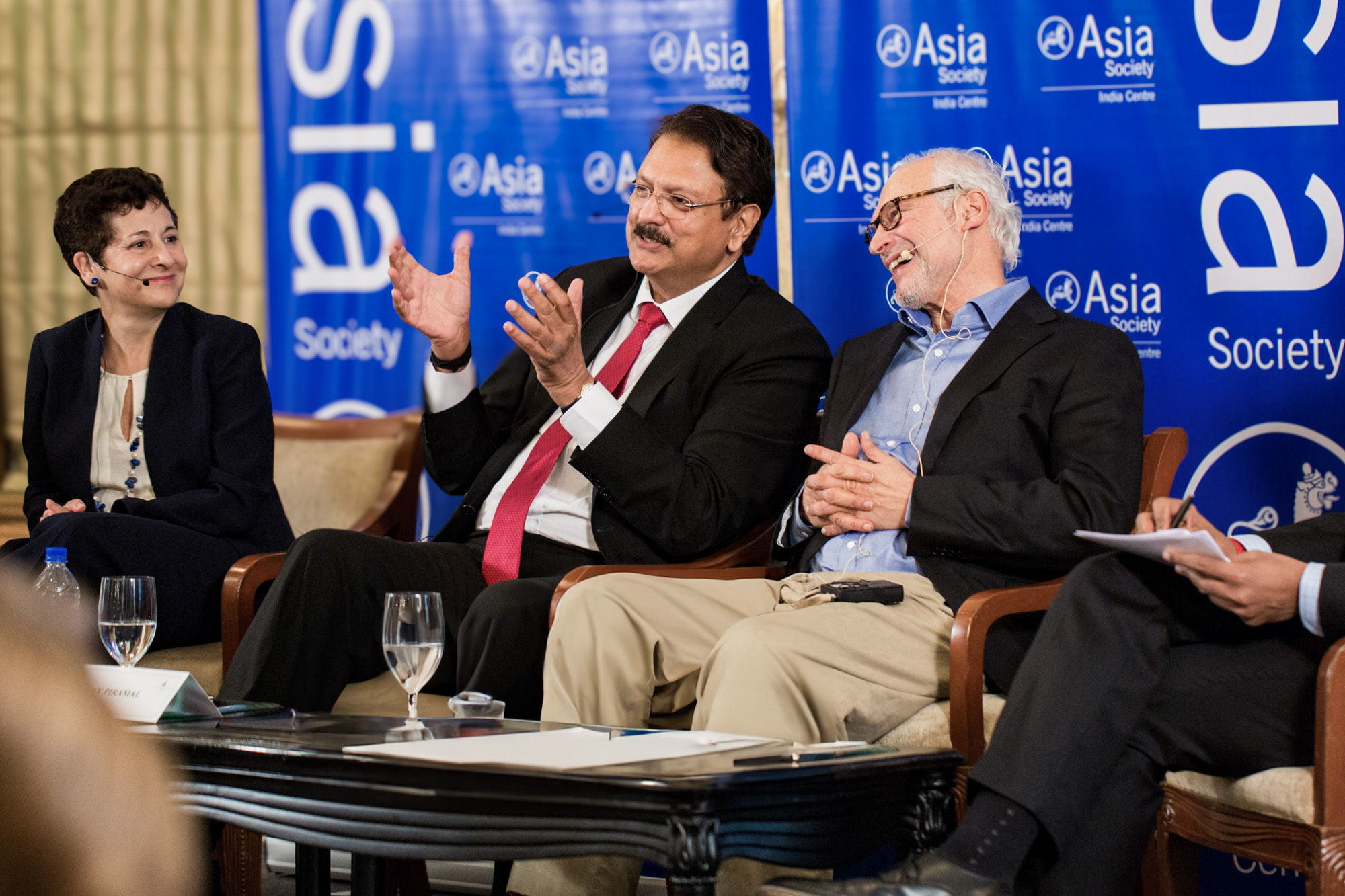
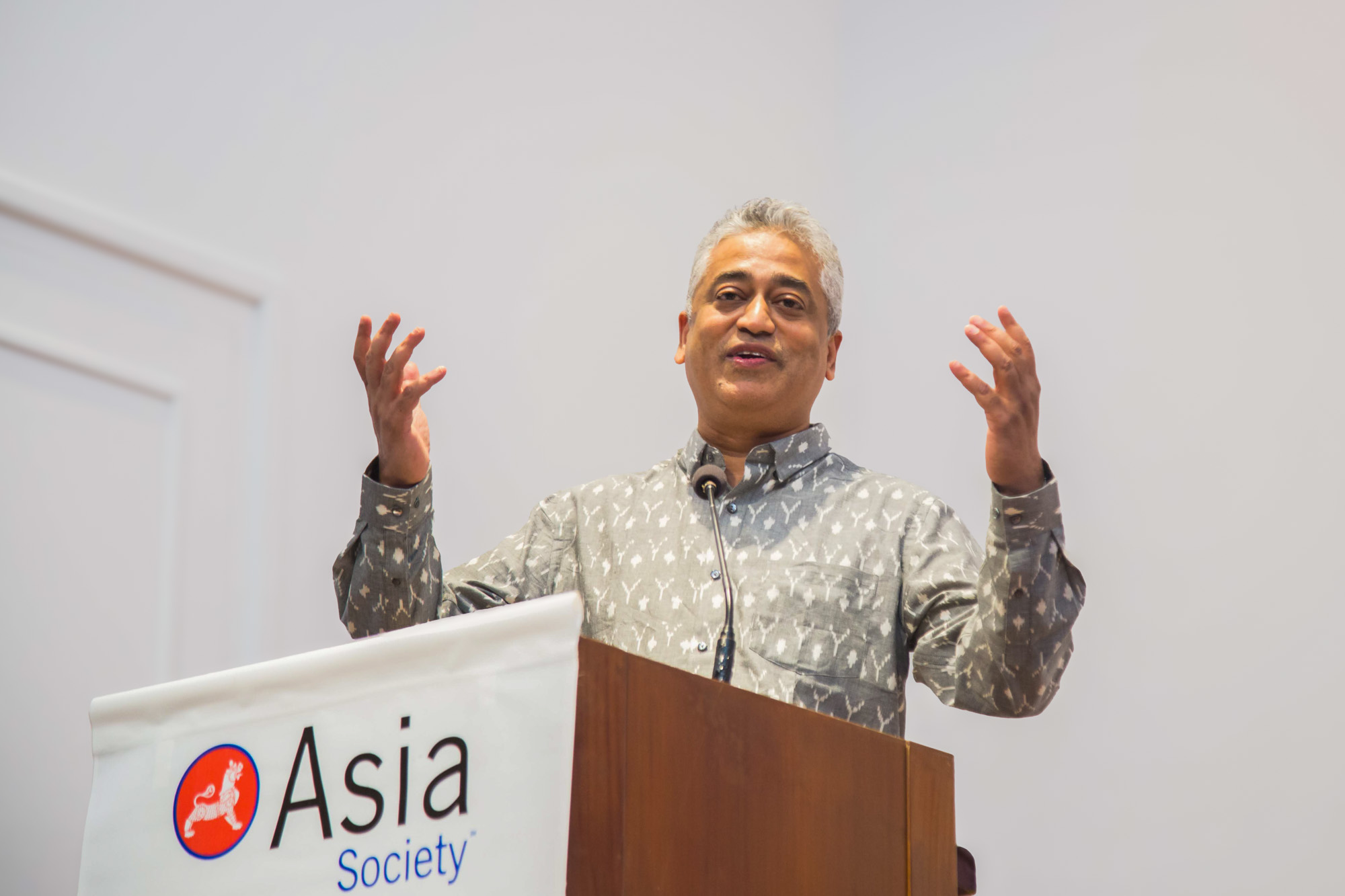
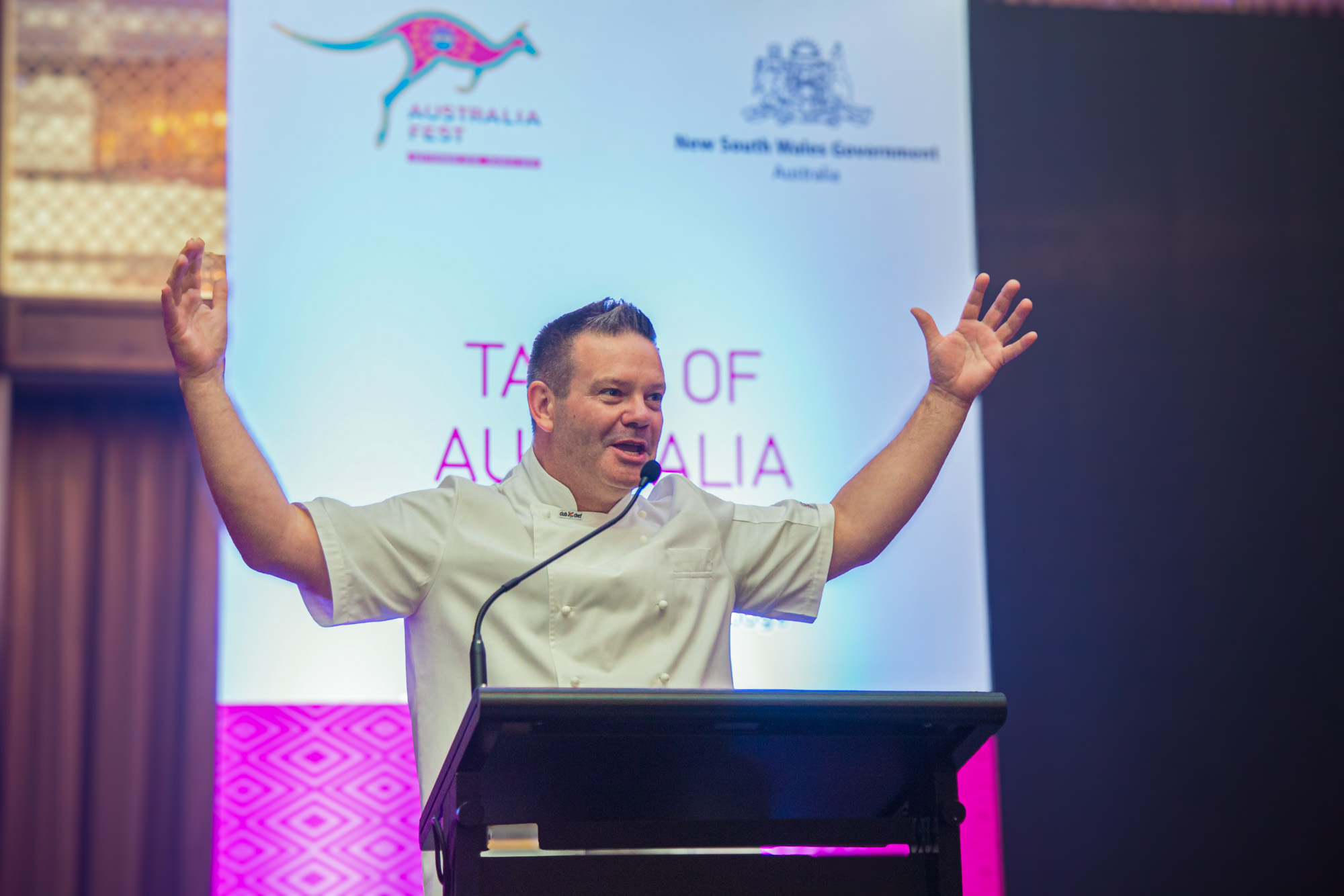
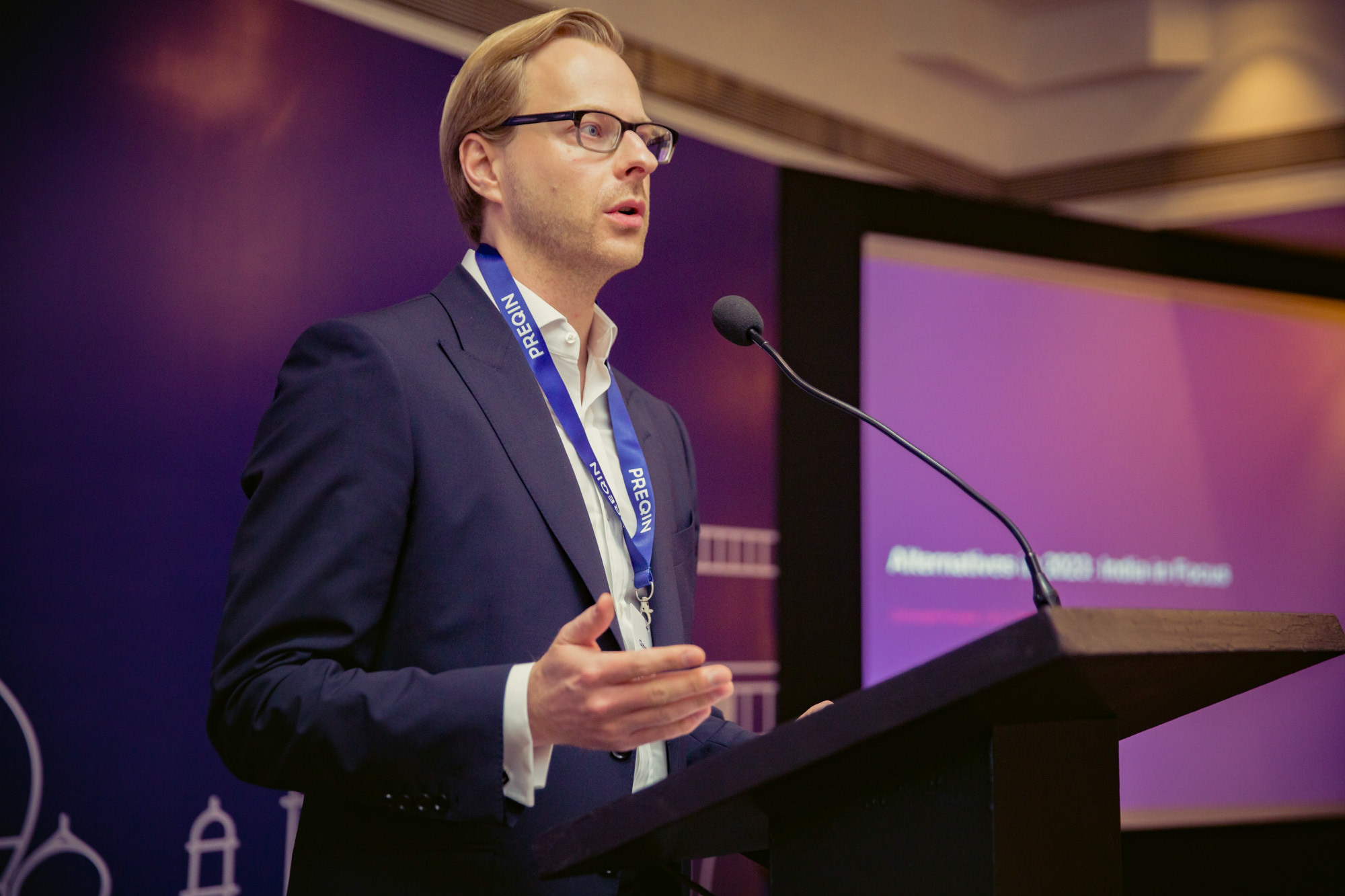
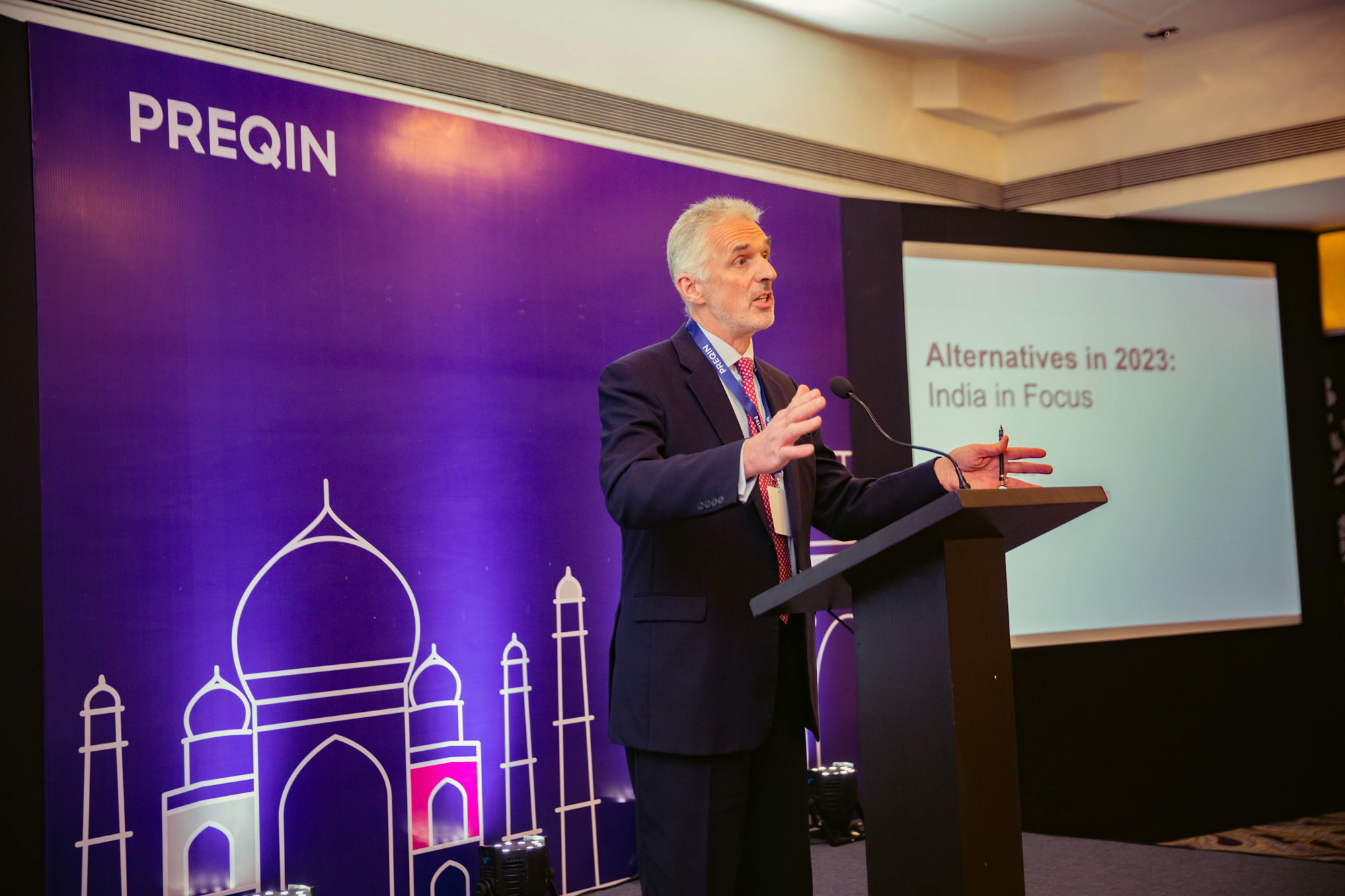
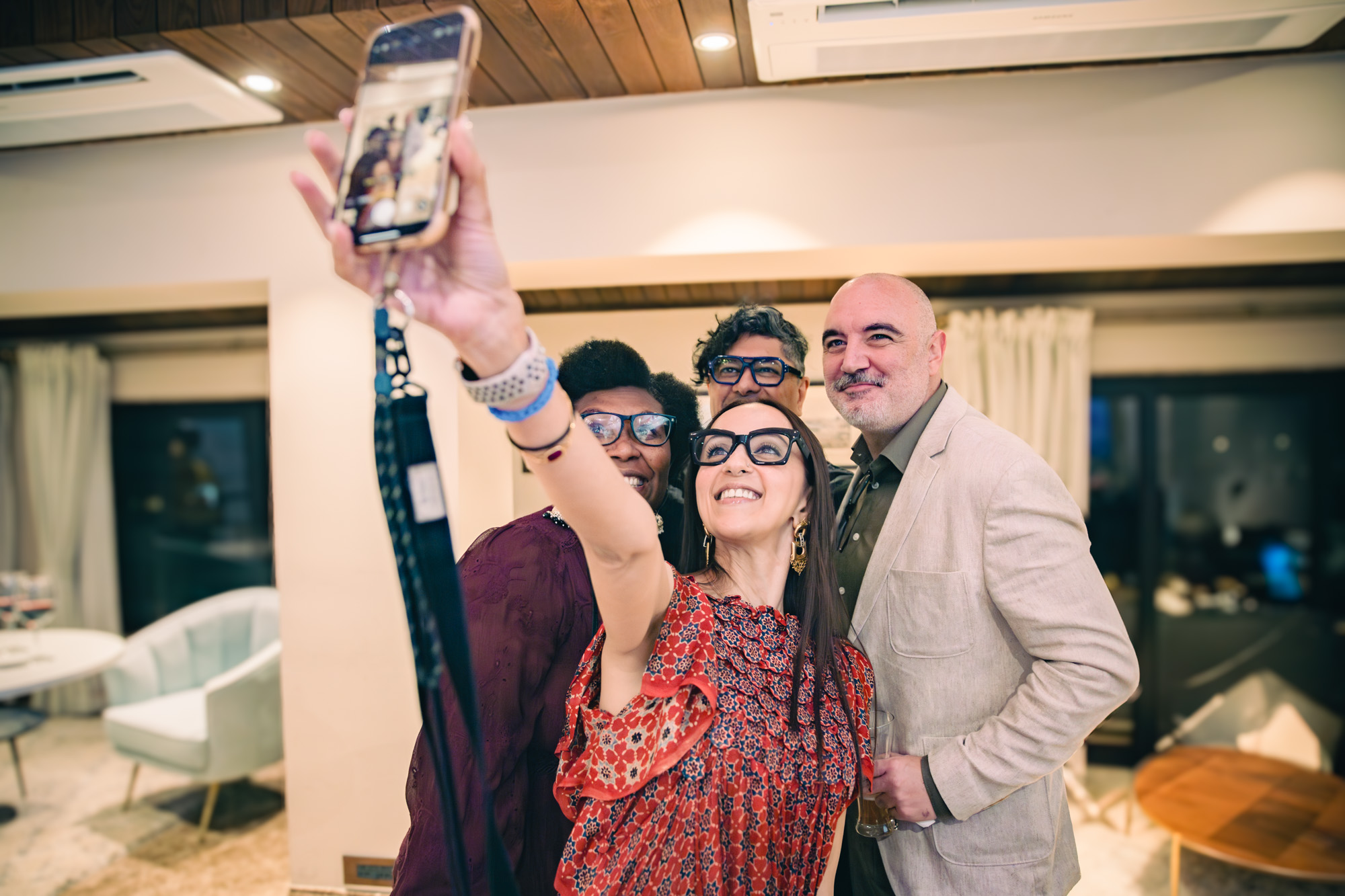
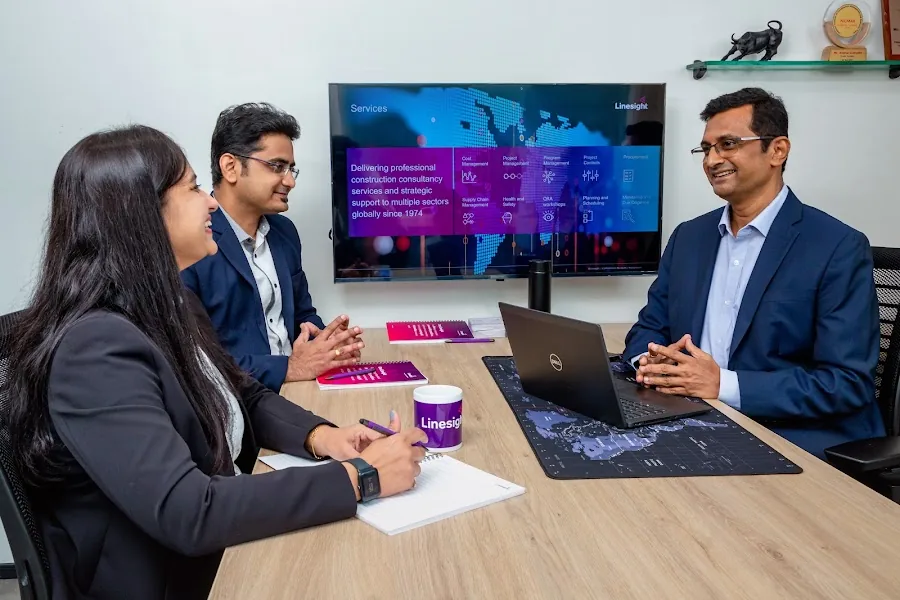
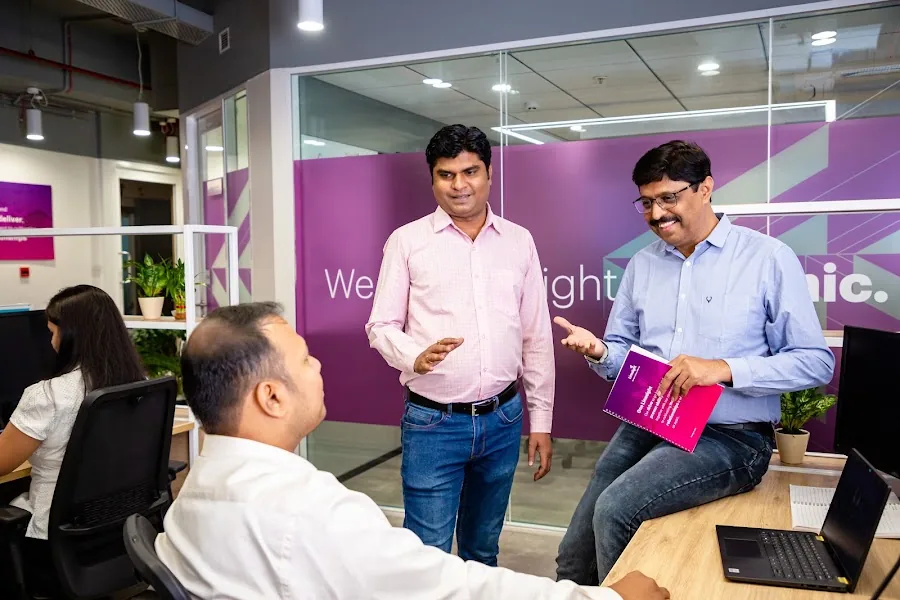
Use a polished frame and a behind-the-scenes angle.
The pair should show how a natural-looking interview is deliberately constructed.
TAT field note
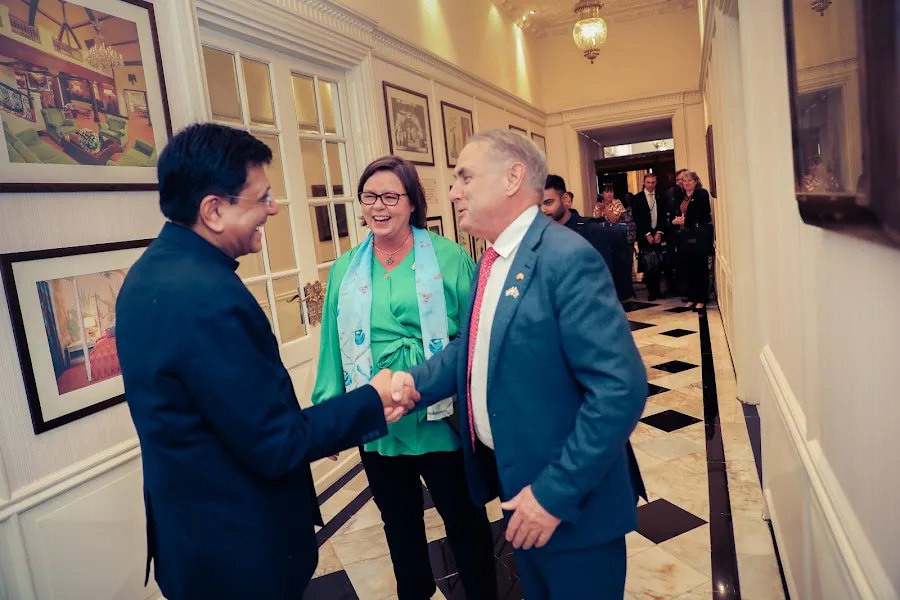
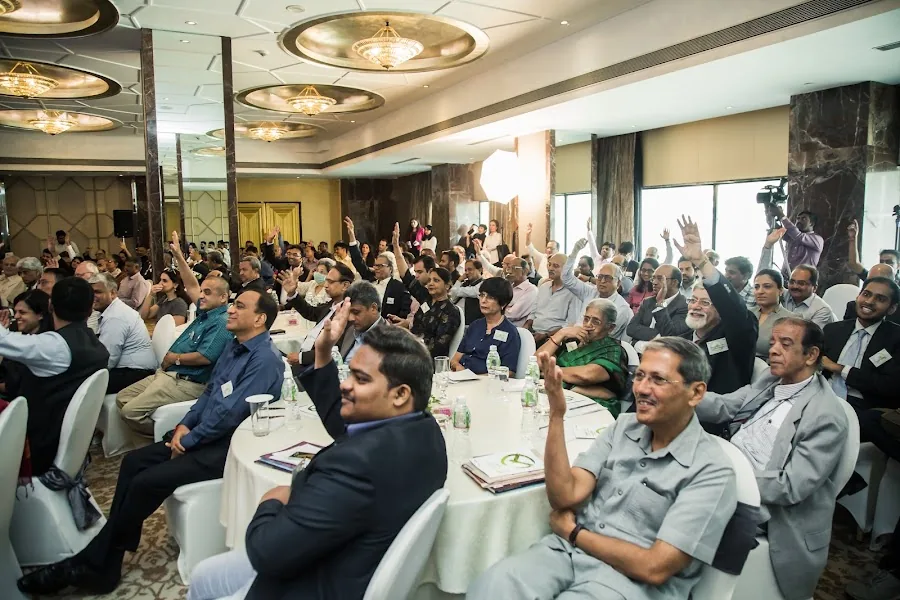
High-trust rooms need quiet production judgement.
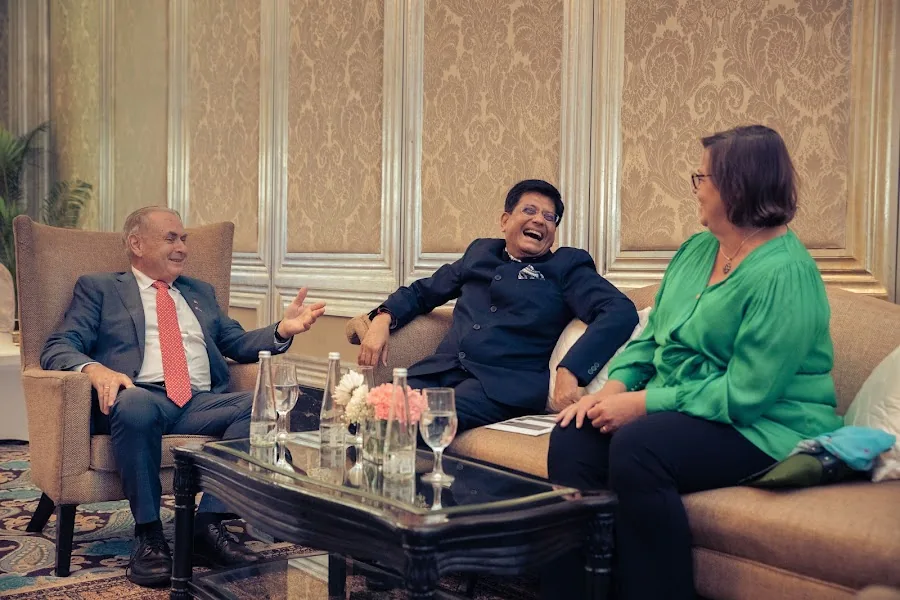
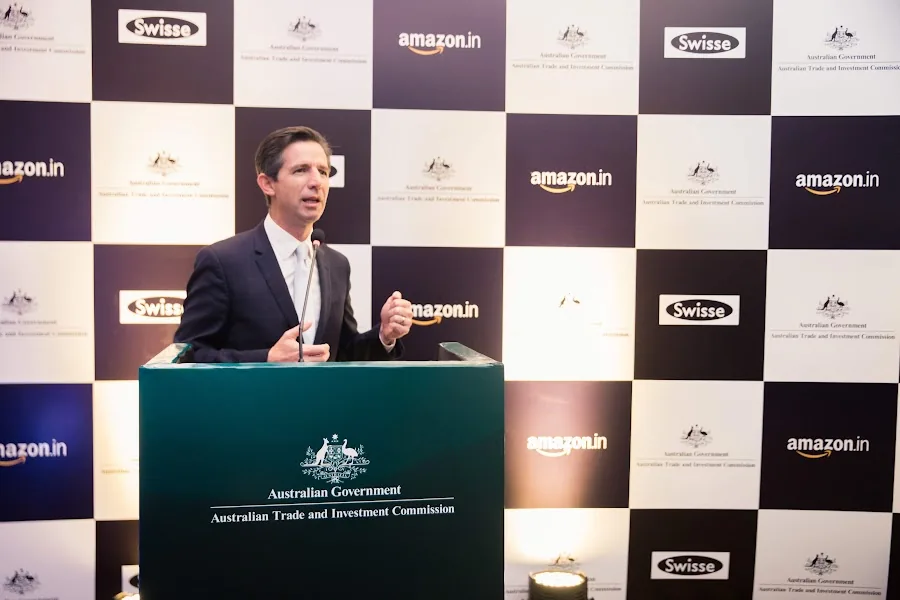
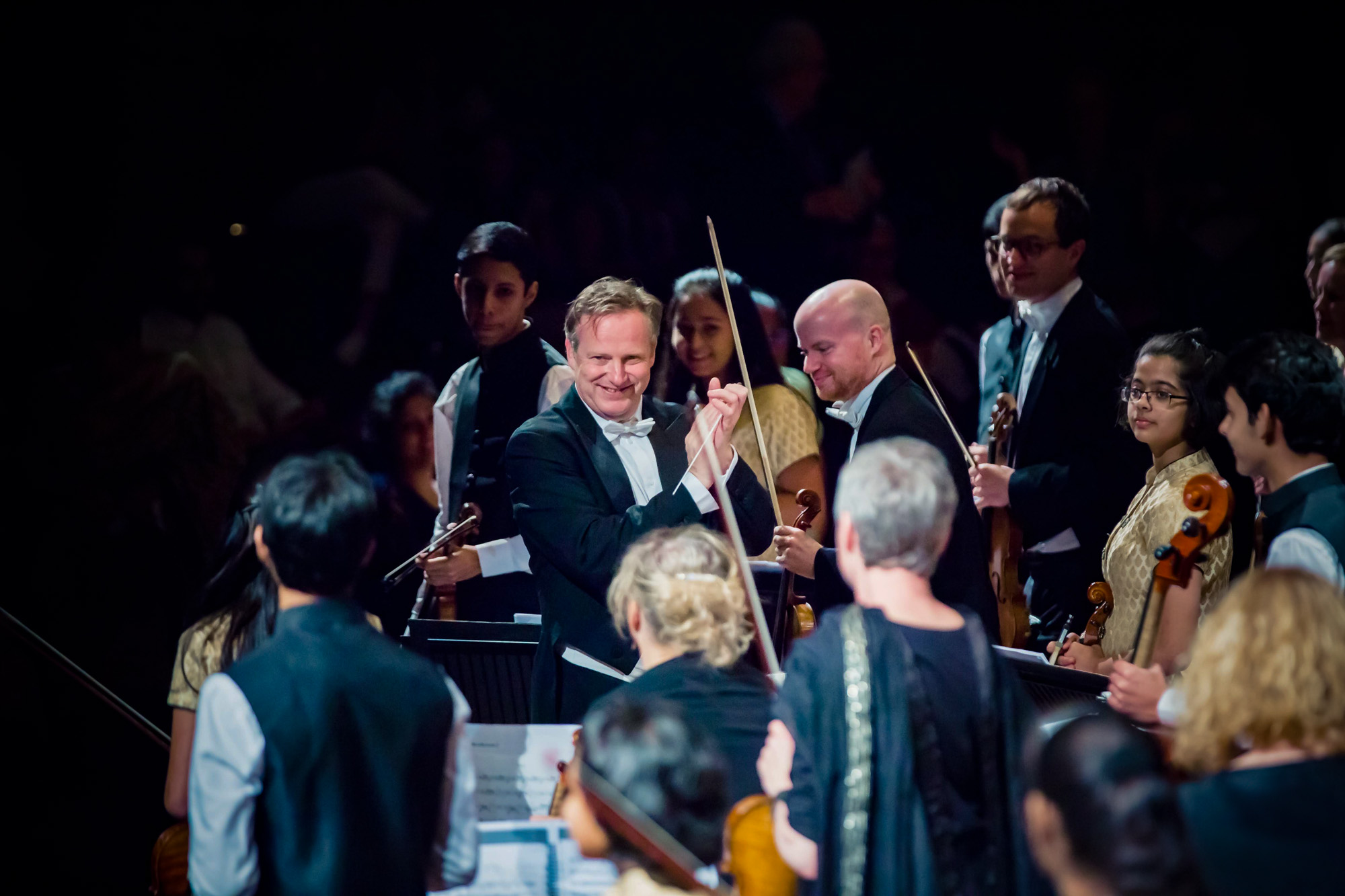
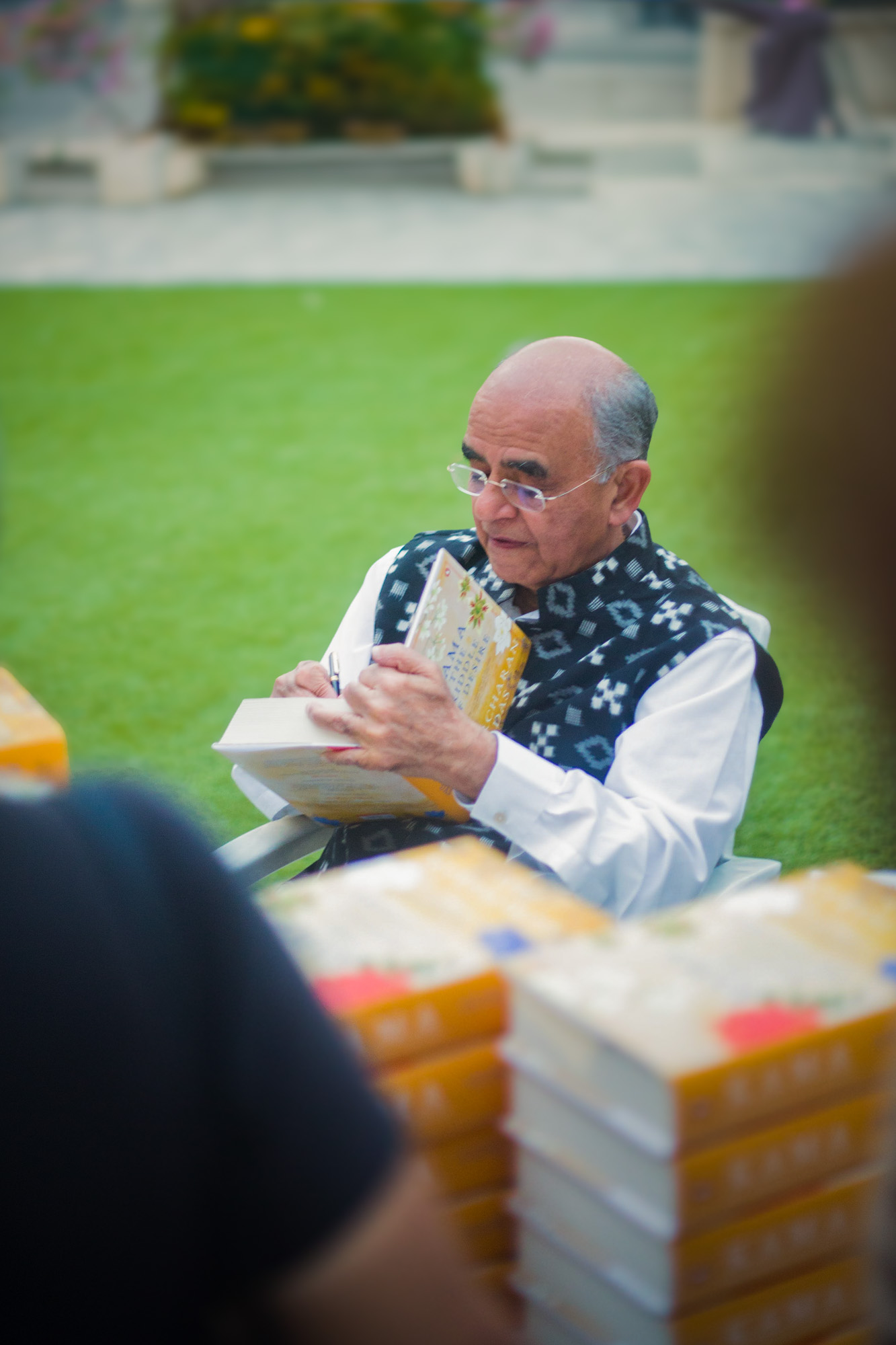
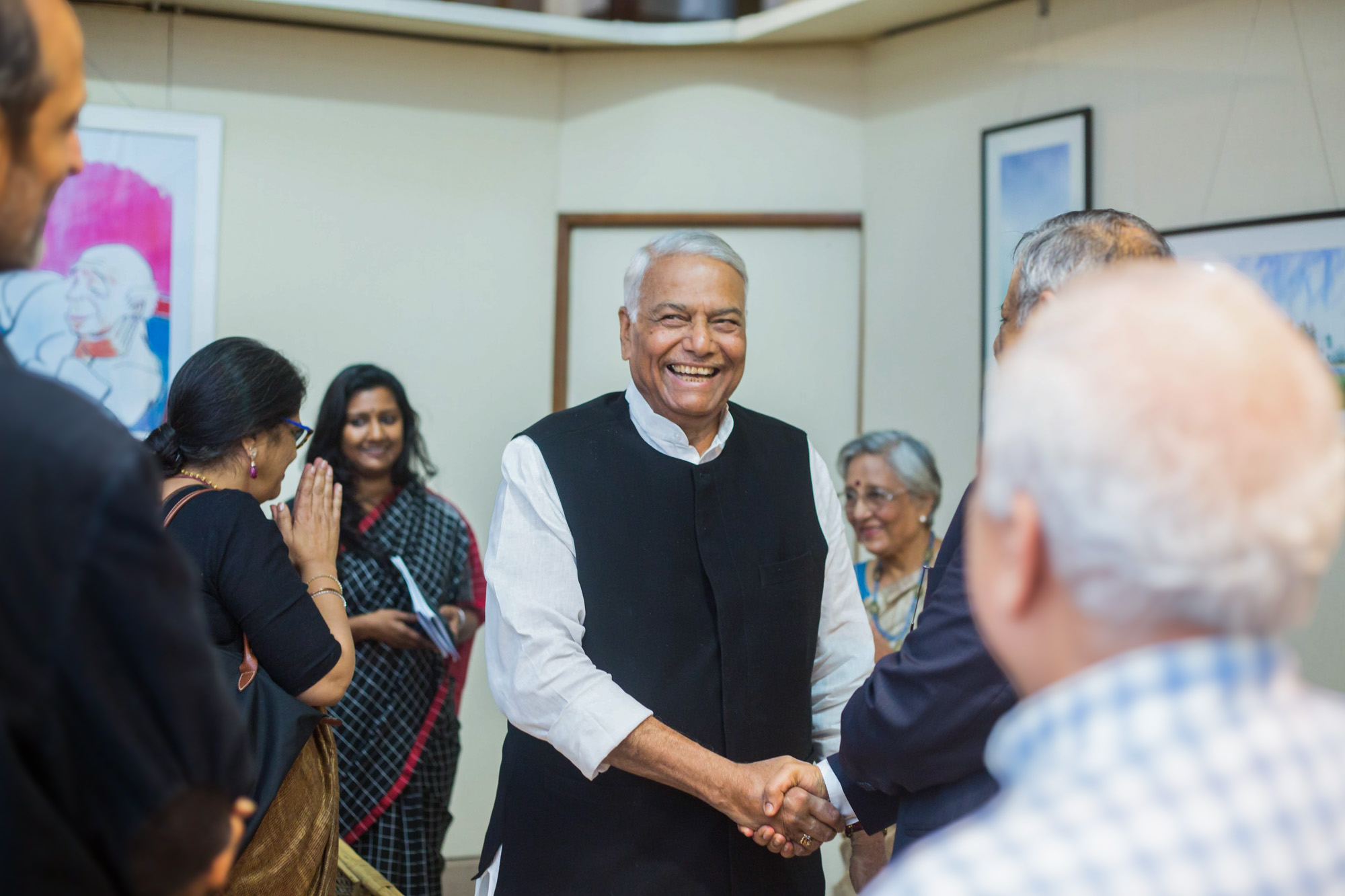
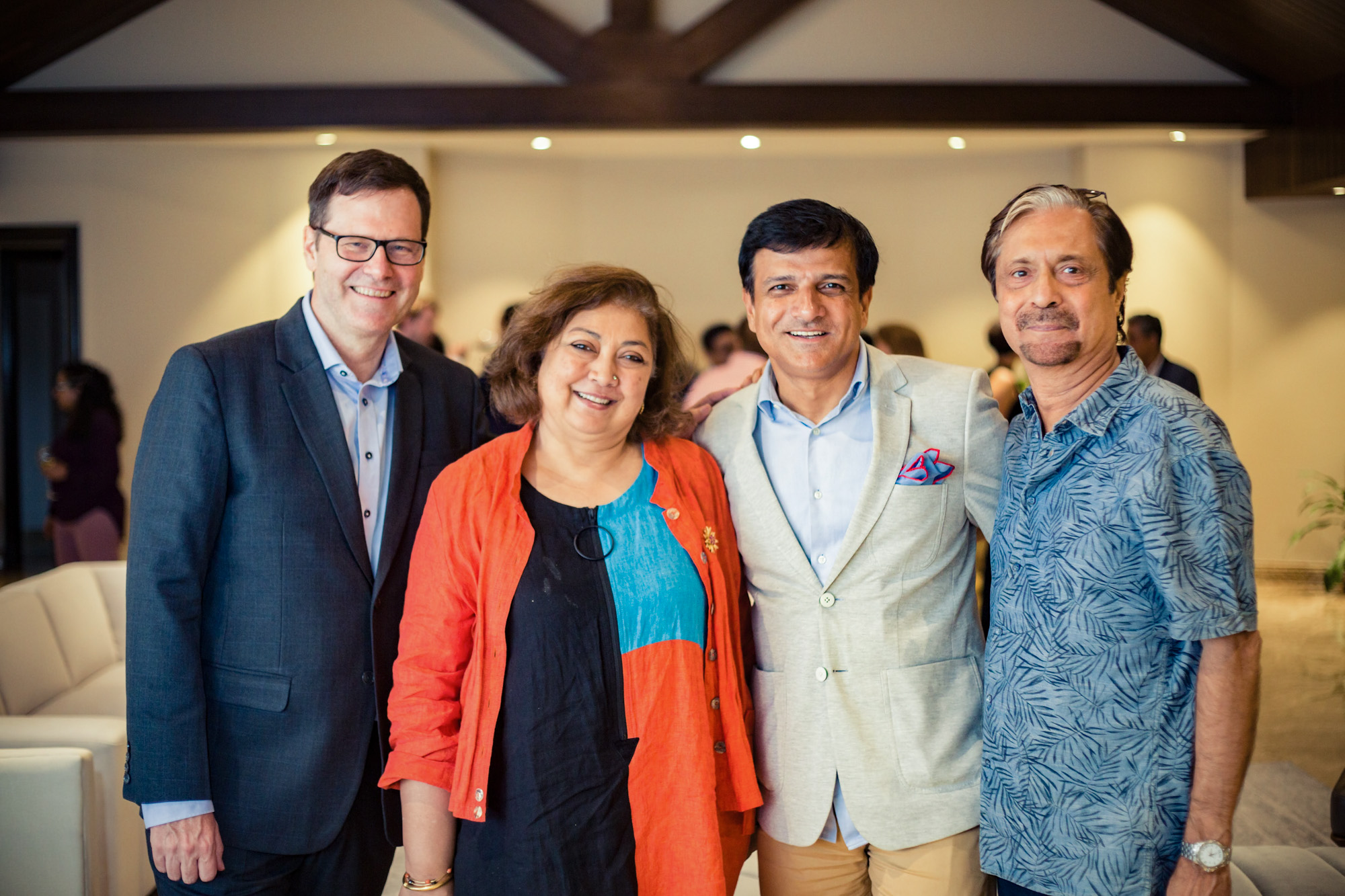
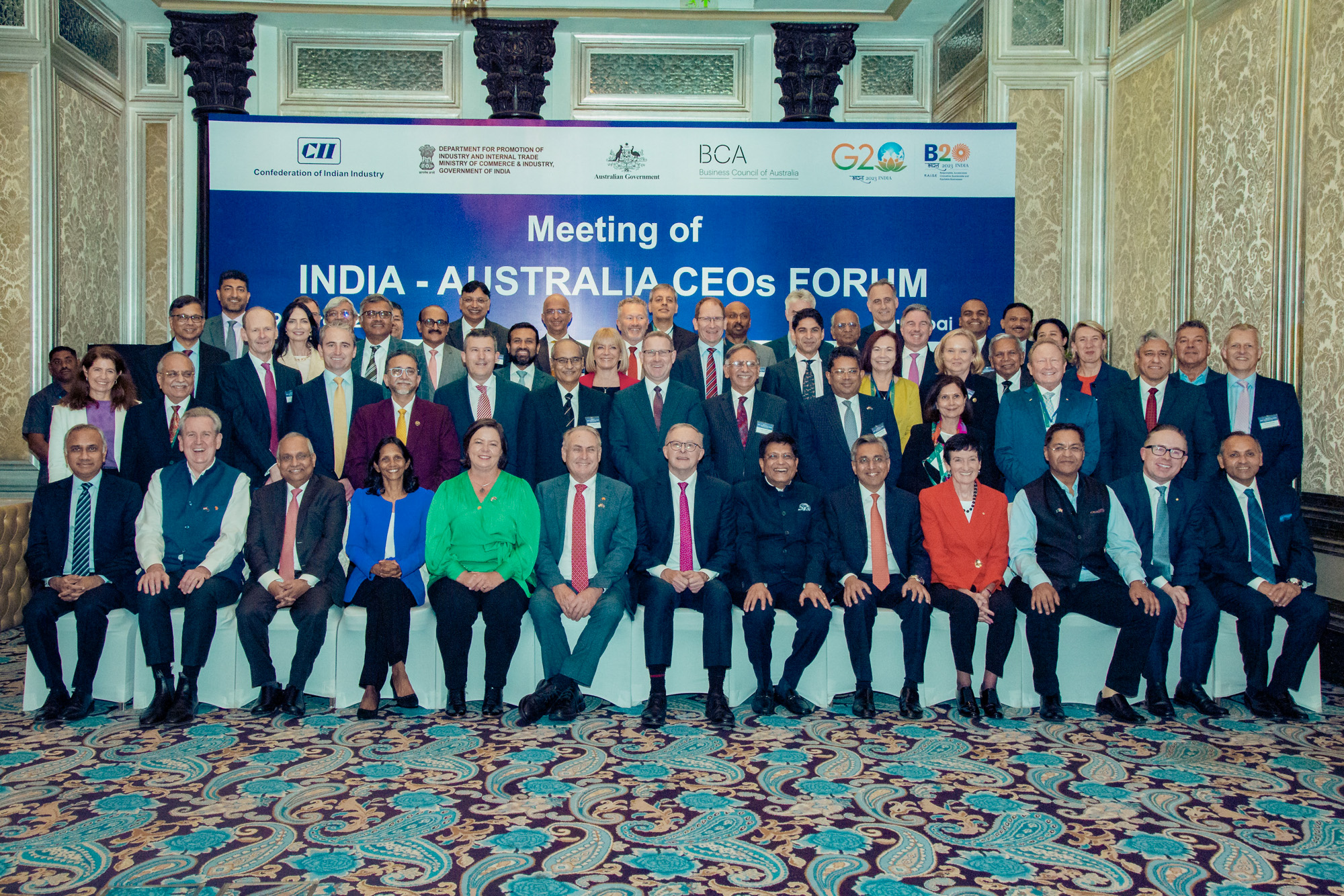
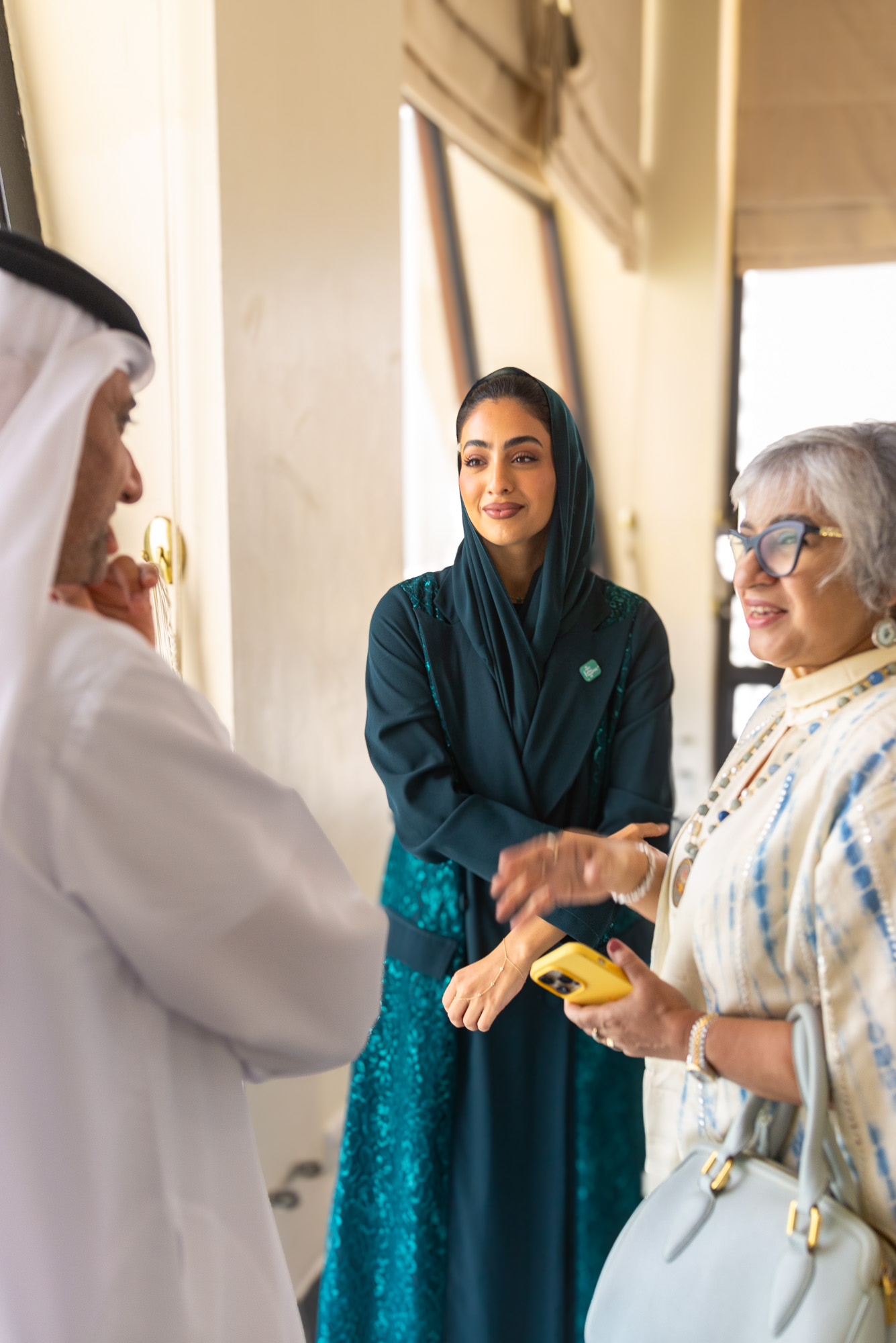
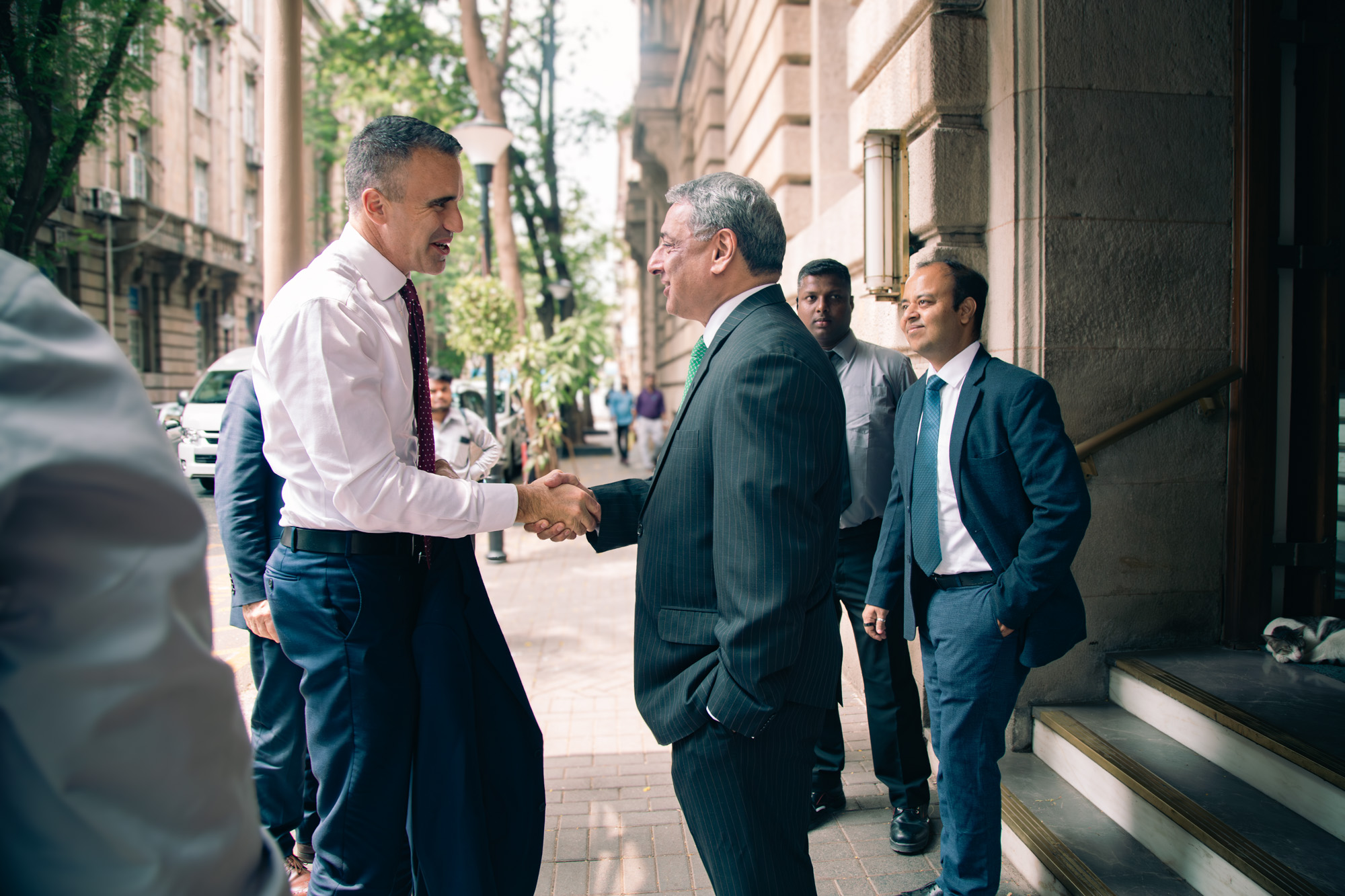
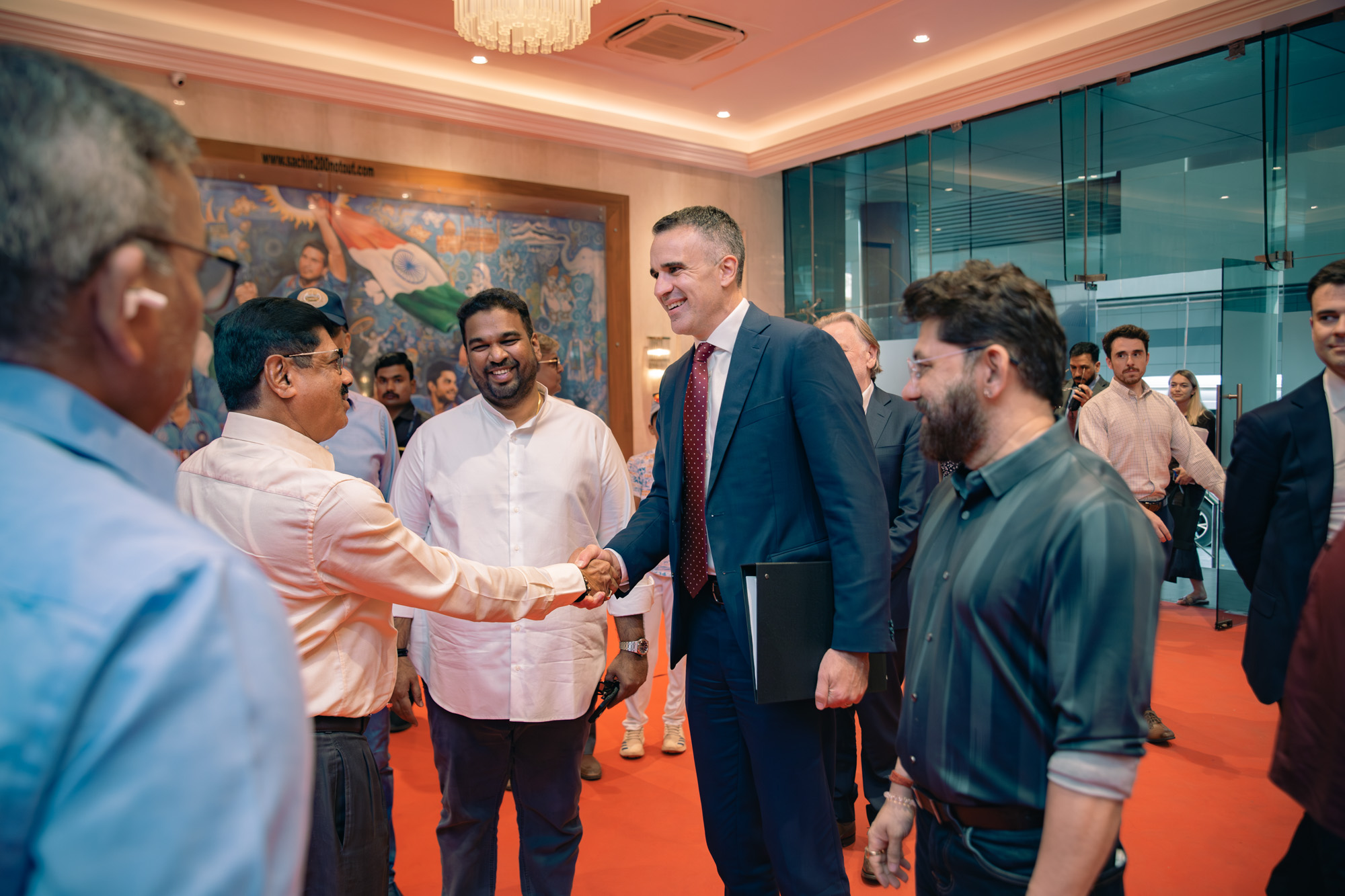
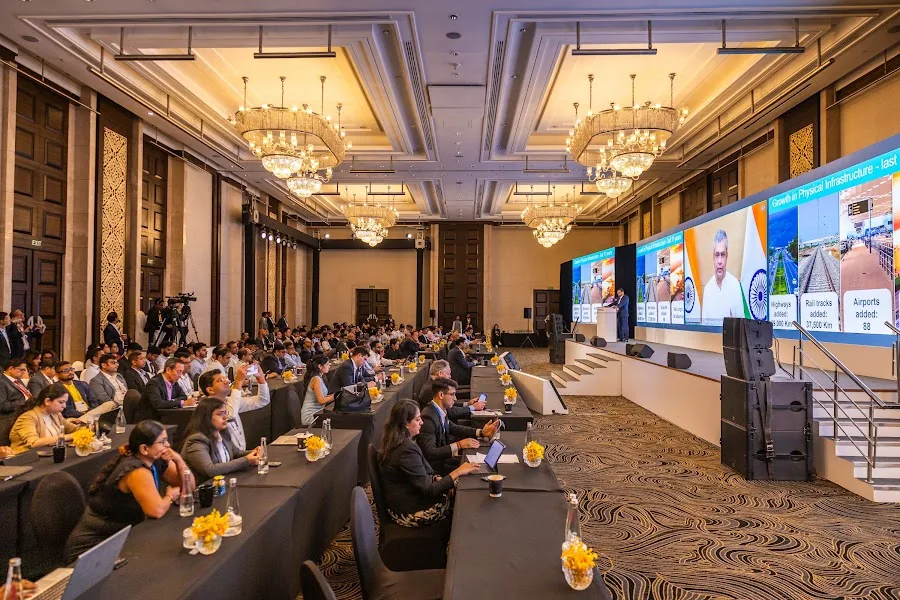
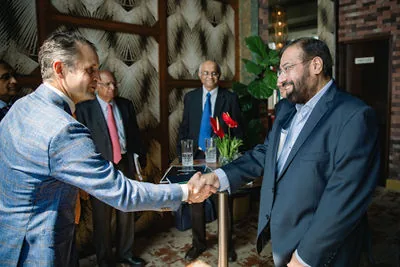
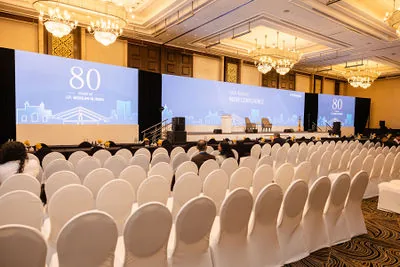
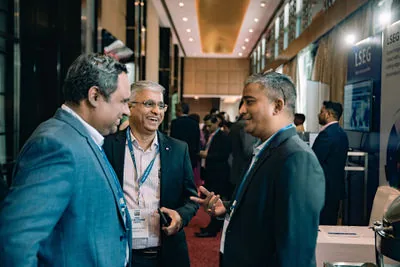
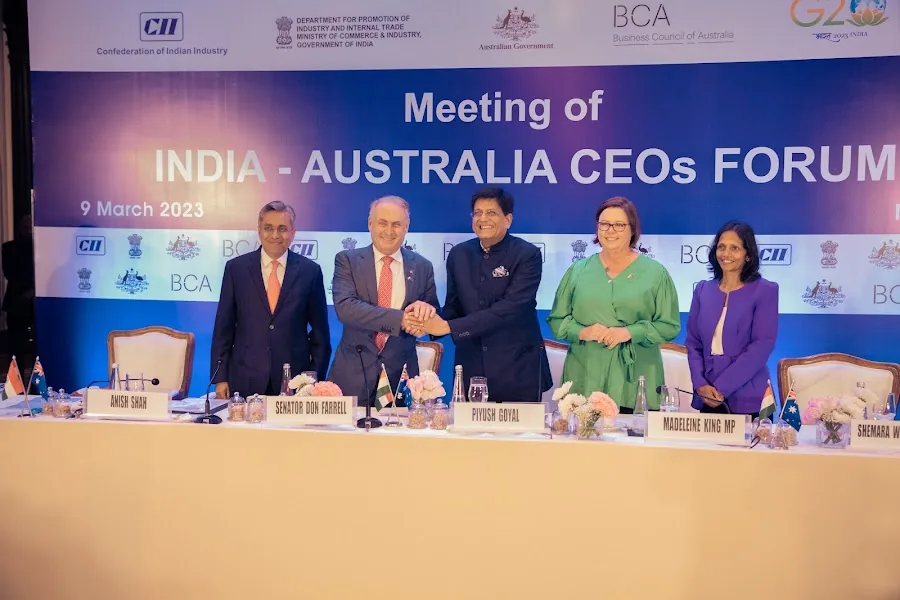
TAT’s work around the Australian Consulate, alumni leaders and the ceremony honouring Ratan Tata reflects environments where protocol, titles, timing and discretion matter as much as image quality.
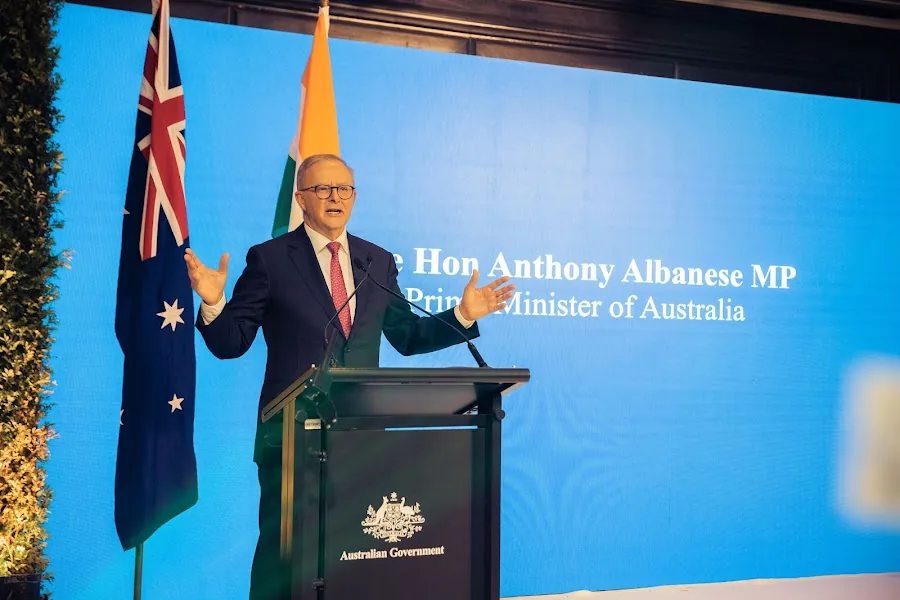
Senior speakers often have short windows and little patience for uncertain setup or repeated technical interruptions.
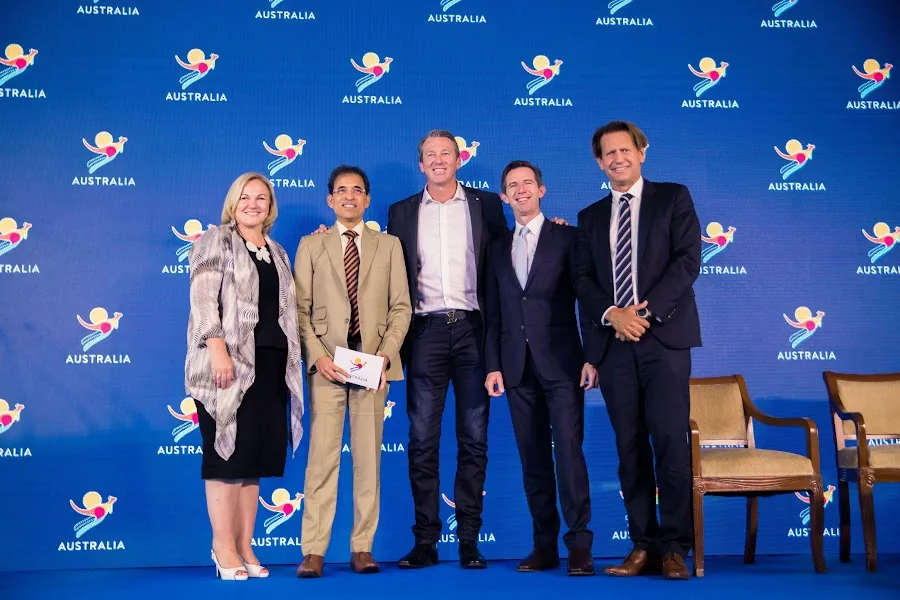
Pre-light, test sound, verify names and keep the crew footprint disciplined.
Respect creates better answers: be prepared enough that the speaker can focus on content, not production mechanics.
Decision table
Choose the interview setup by communication need.
The “most cinematic” setup is not always the most appropriate.
| Setup | Best for | Strength | Watch for |
|---|---|---|---|
| Single-camera direct interview | Short leadership or internal message | Efficient and intimate | Fewer options for shortening answers |
| Two-camera conversation | Testimonials and longer interviews | Natural edit flexibility and visual variety | More setup space and sync |
| Direct-to-camera | Announcements and scripted messages | Strong audience connection | Teleprompter comfort and delivery |
| Event interview station | Multiple speakers in a fixed window | Consistent look and efficient turnover | Noise, queue management and title accuracy |
Three things speakers should know before filming.
A short preparation note reduces anxiety without scripting personality away.
The interviewer may not be heard in the final film, so include enough context in the answer.
Clean restarts are easier to edit than apologies or rushed self-correction.
Avoid noisy jewellery, very tight patterns and garments that make discreet mic placement difficult.
Continue planning
Related corporate video resources and services.
Use these pages to move from one production decision to the next without rebuilding the brief from scratch.
People Also Ask
Direct answers to the questions buyers usually ask.
The first sentence answers the question; the rest adds practical context.
01How long should a corporate interview shoot take?
Allow setup time separately. A focused interview may need 30 to 60 minutes with the speaker, while complex messages or multiple versions need longer.
02Do corporate interviews need two cameras?
Not always. Two cameras help with natural edits and longer answers, while one camera can be sufficient for short, controlled messages.
03What is the best location for a corporate interview?
Choose a quiet room with visual depth, controllable light, enough space for equipment and a background that supports the organisation without revealing confidential information.
04Should executives receive the questions in advance?
Share themes and key questions, especially for technical or sensitive topics. Avoid forcing memorised answers unless the message must be scripted.
05How is interview audio recorded?
A discreet lavalier or positioned boom microphone records close, clear speech. High-value interviews benefit from a backup recording path.
06Can several executives be filmed in one day?
Yes. A fixed pre-lit setup can make an interview day efficient, provided speaker windows, titles, questions, wardrobe and turnaround time are coordinated.
Turn this planning question into a workable production brief.
Share the shoot date, location, audience, programme, required deliverables, interview needs and delivery deadline. We will recommend the smallest team that can execute it properly.
From global conferences to trade missions and corporate events across India.