Customer proof · interview-led films
The strongest testimonial does not sound like praise. It sounds like a credible decision explained clearly.
Plan corporate client, partner, alumni and stakeholder testimonials that feel natural, specific and useful to buyers—not over-rehearsed endorsements.
This guide covers interview preparation, question design, camera and sound setup, B-roll, consent, approvals, edit structure and platform cutdowns.
Story structure
A testimonial should move from context to evidence.
The edit becomes stronger when every answer has a clear job.
Open with tension
Start with the situation, pressure or decision—not a generic company introduction.
Establish credibility
Introduce the speaker briefly through role, context and relevant experience.
Show the change
Use concrete examples, outcomes and observed differences rather than superlatives.
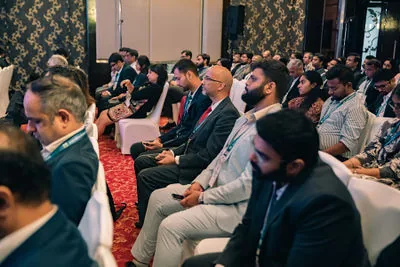
End with perspective
Close on recommendation, learning or future value in the speaker’s own language.
Better interviews
Four choices that make speakers sound more natural.
Authenticity is often a production outcome, not a personality trait.
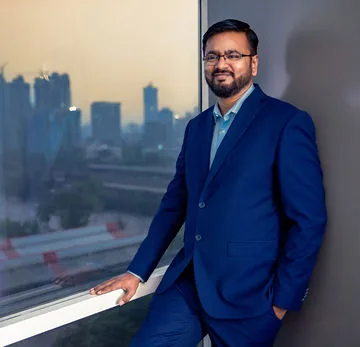
Pre-interview, do not pre-script
Discuss the story and vocabulary beforehand without forcing memorised sentences.
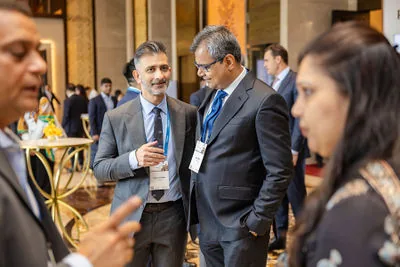
Ask one thing at a time
Short, focused questions produce clearer answers and easier editing.
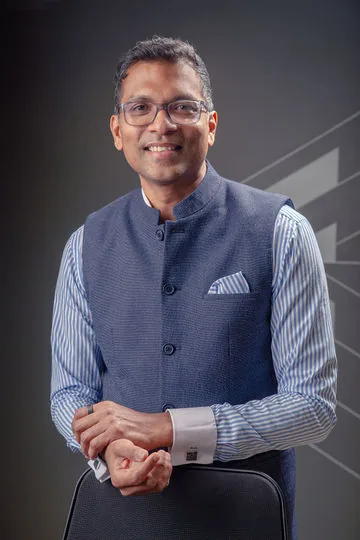
Let the first answer warm up
The best version often arrives after the speaker has stopped performing.
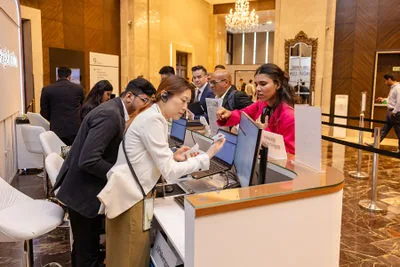
Capture proof around the words
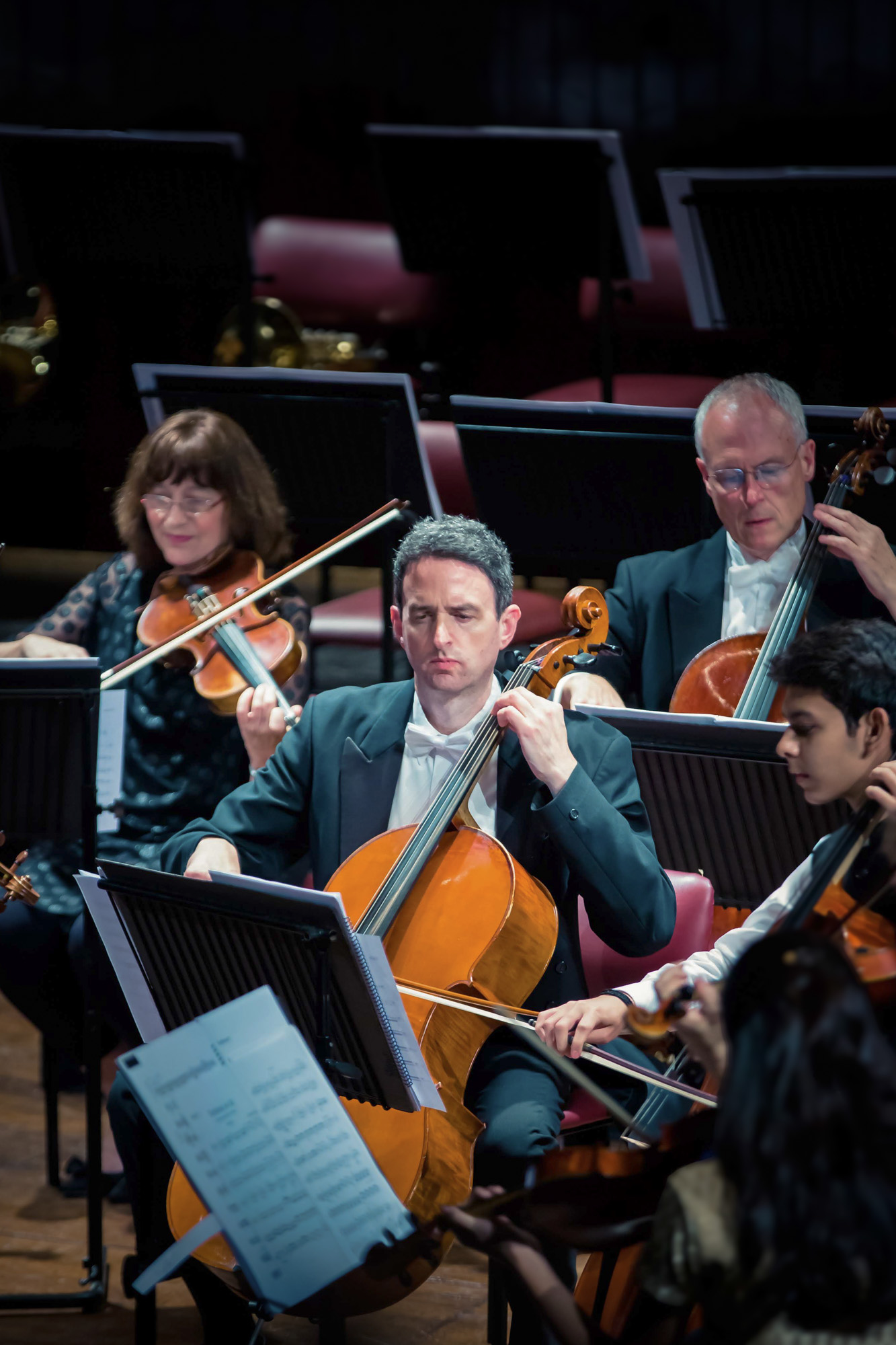
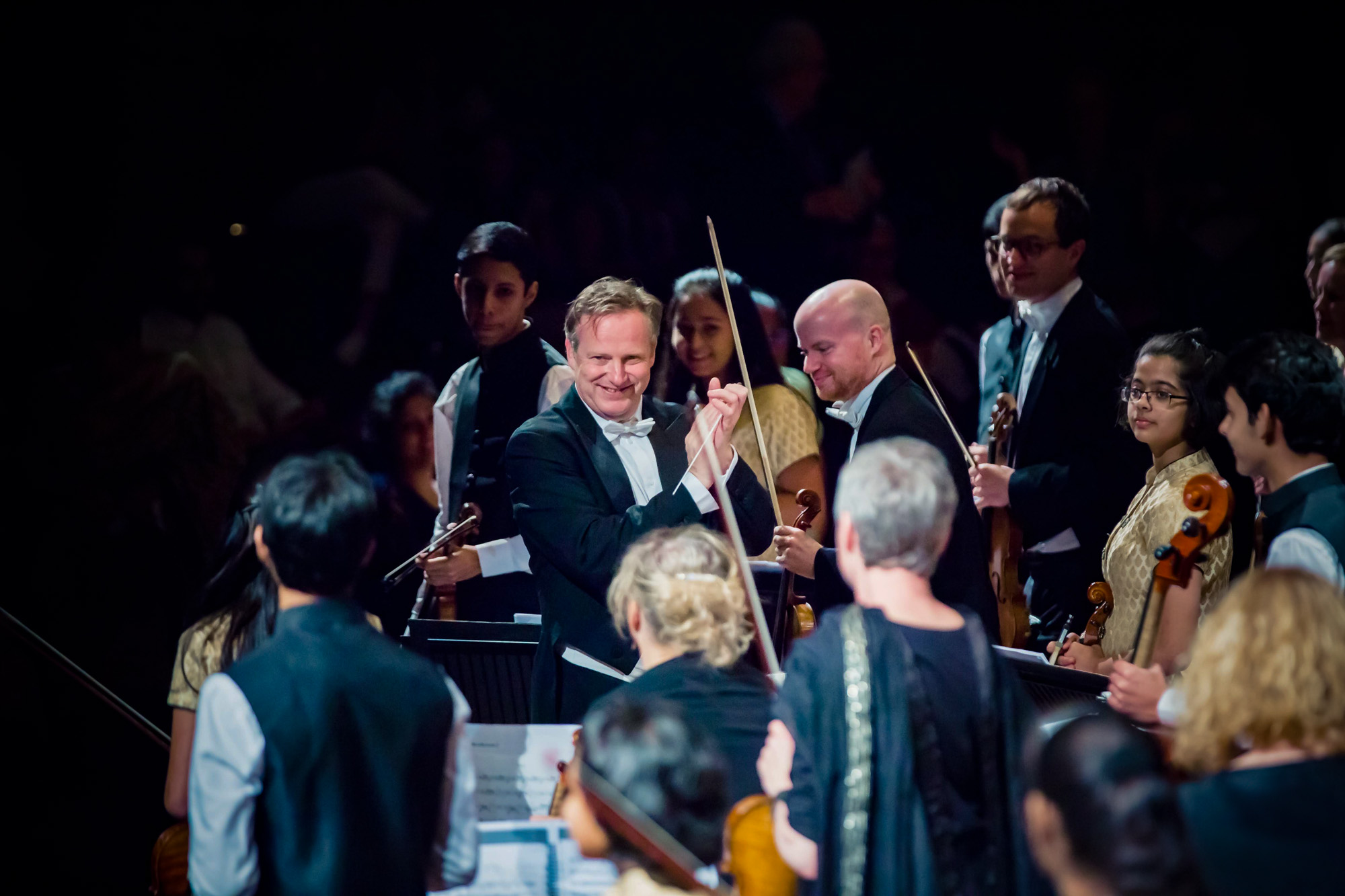
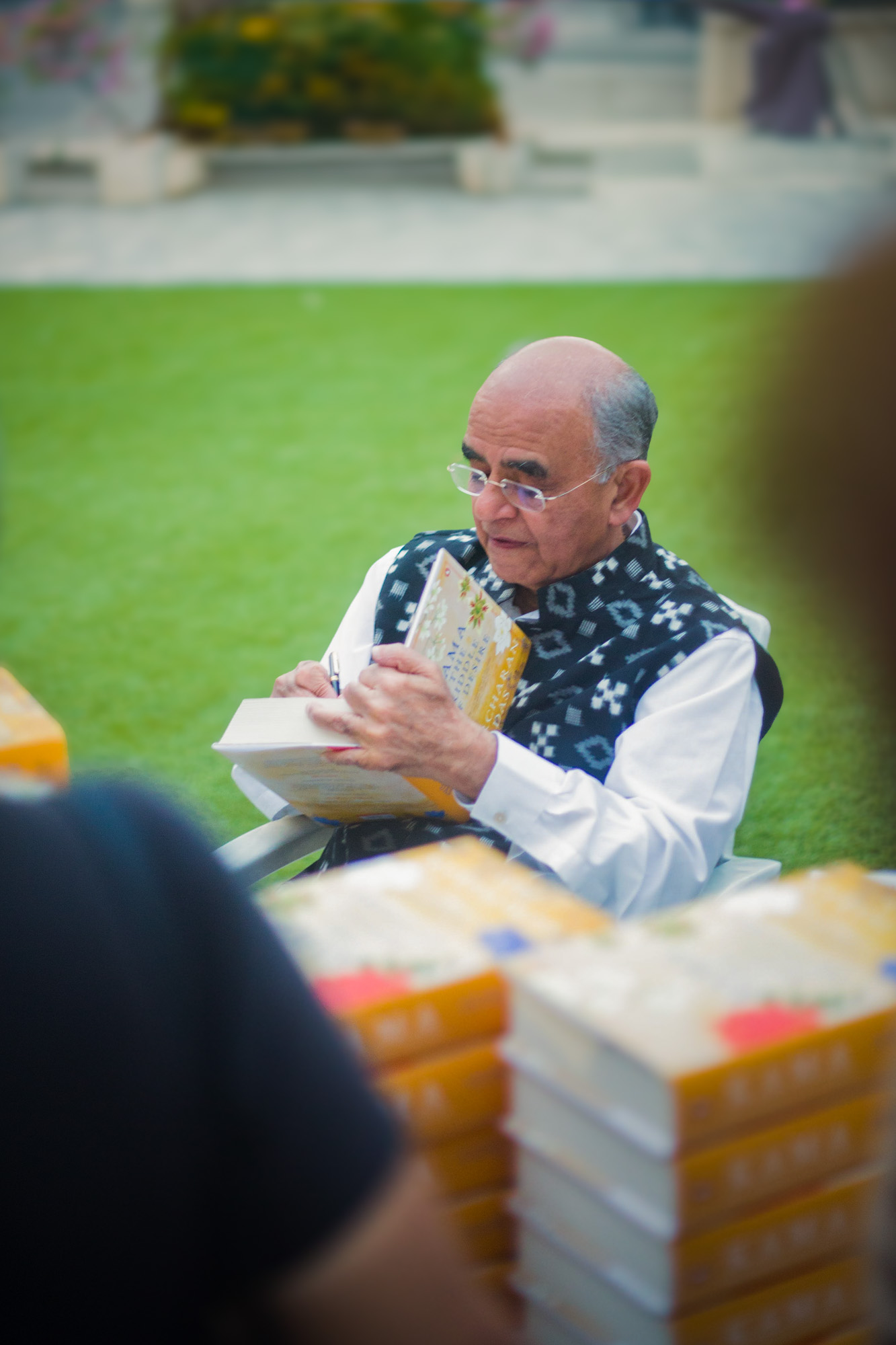
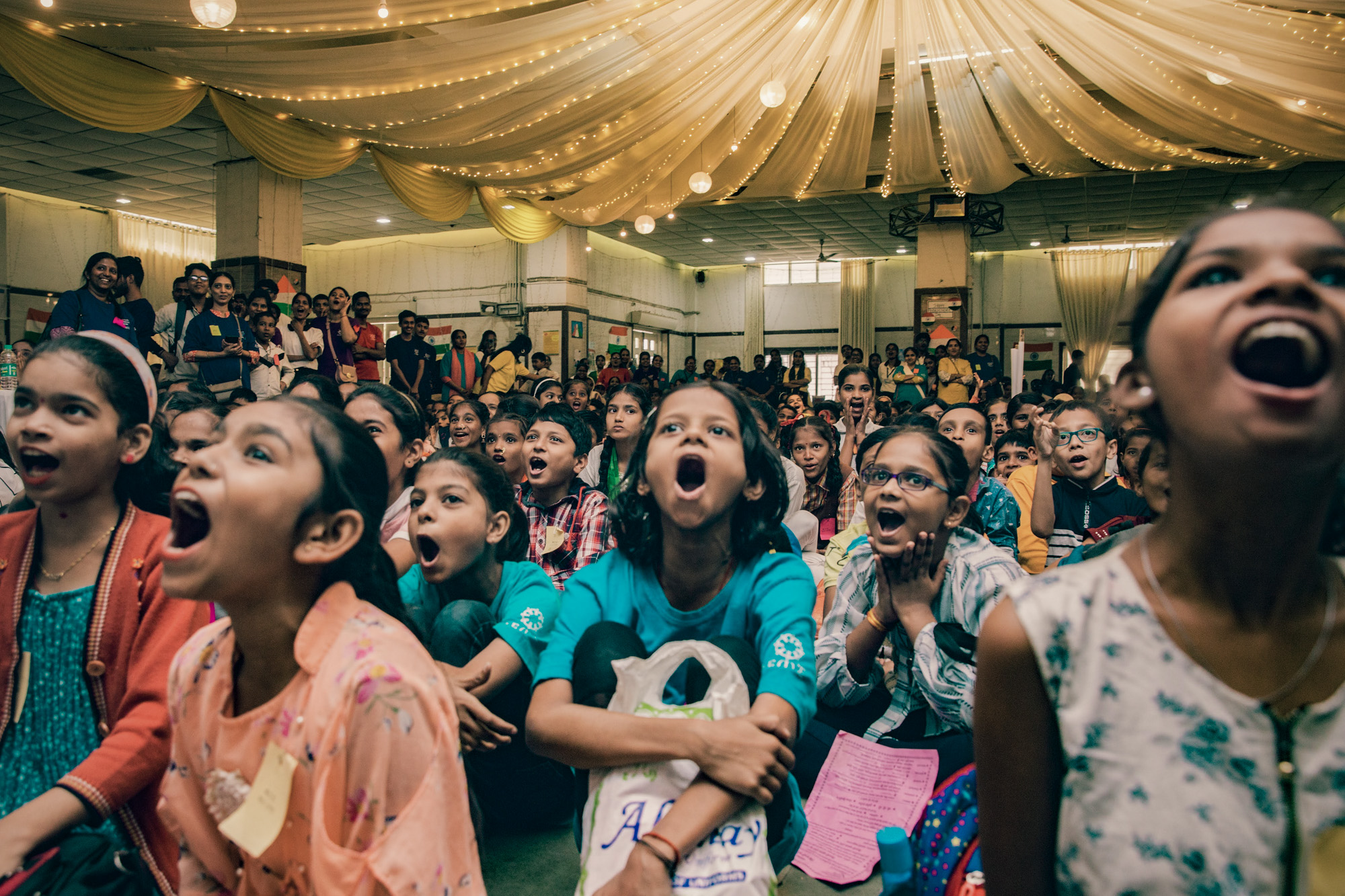
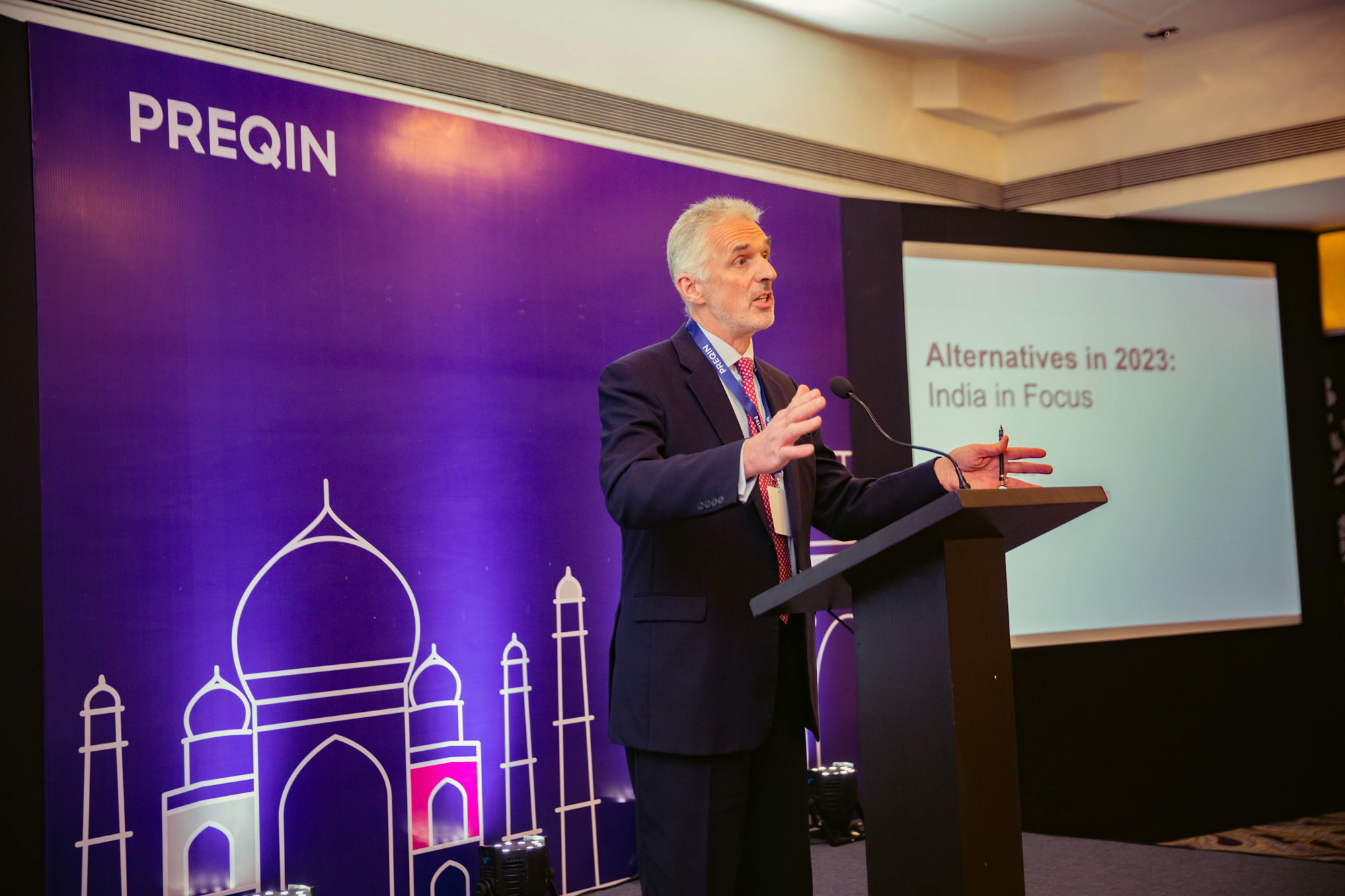
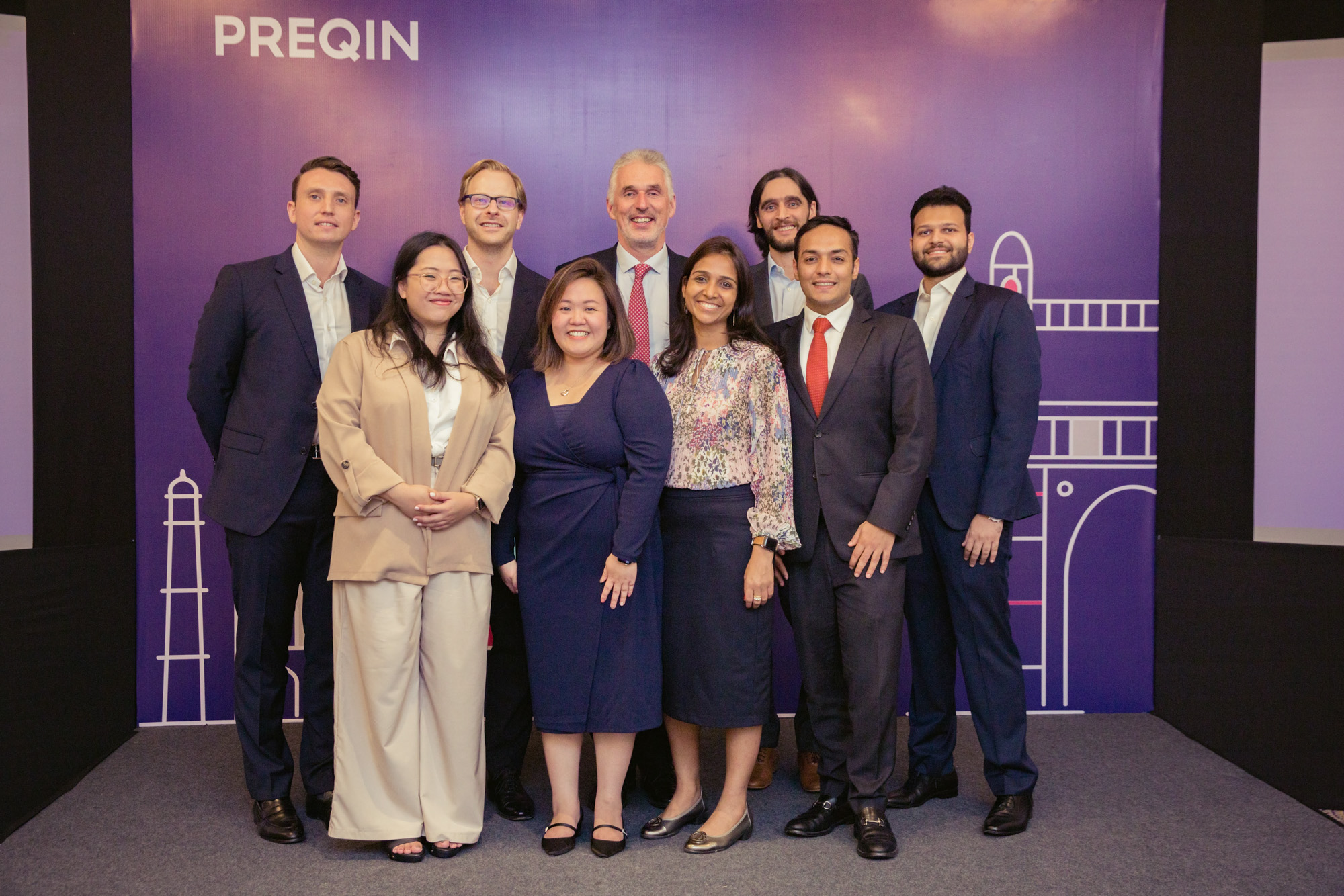
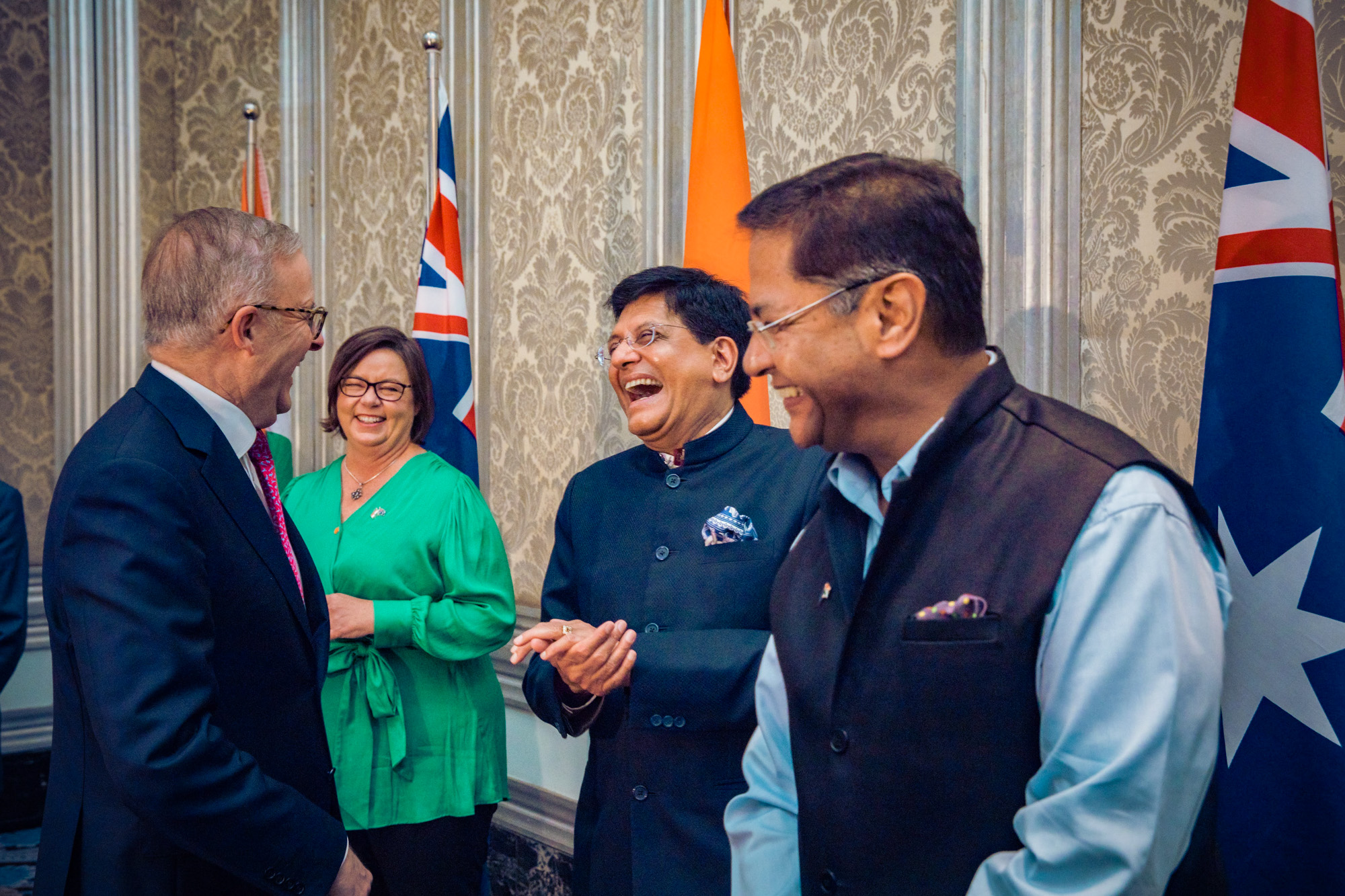
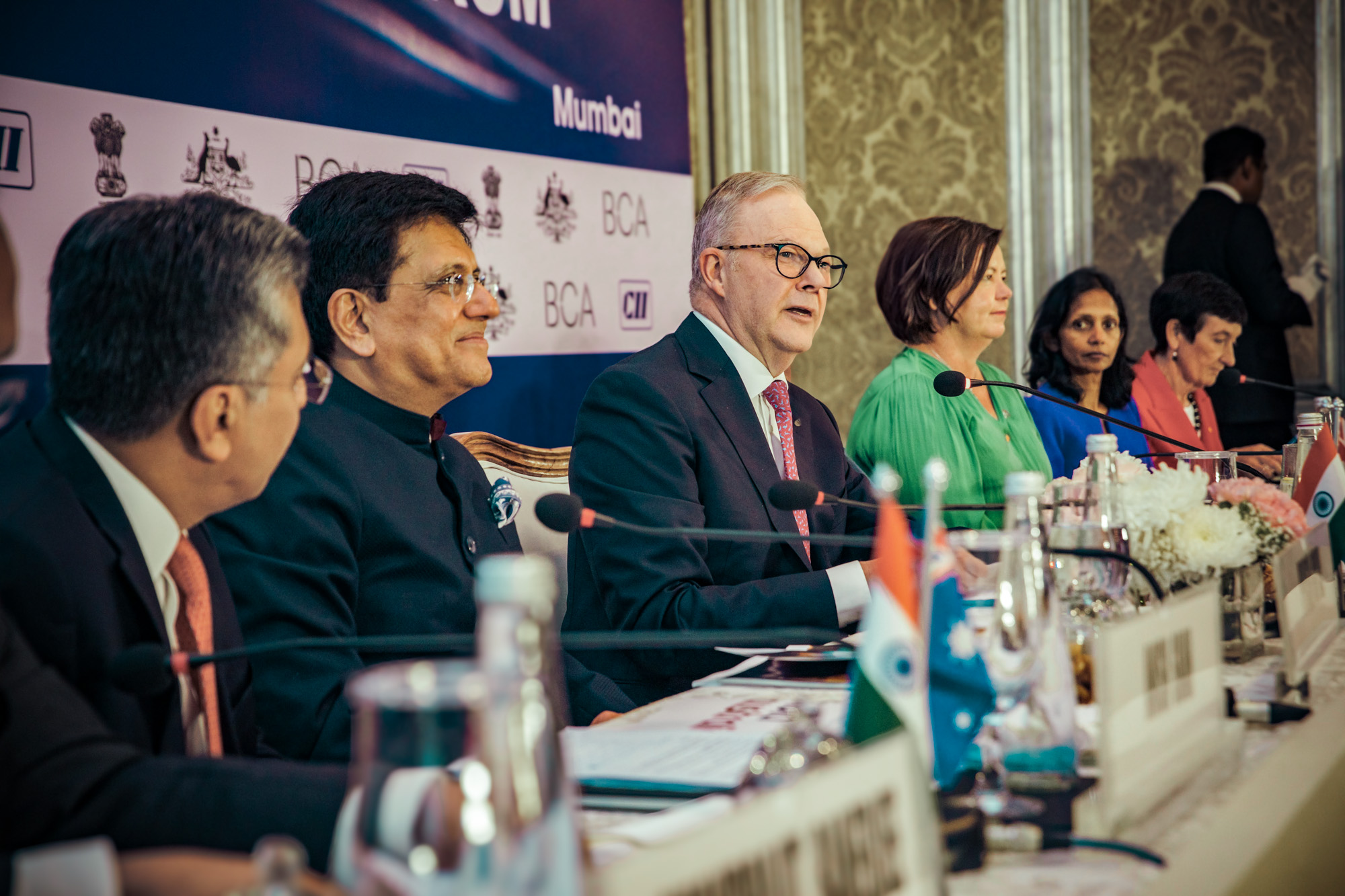
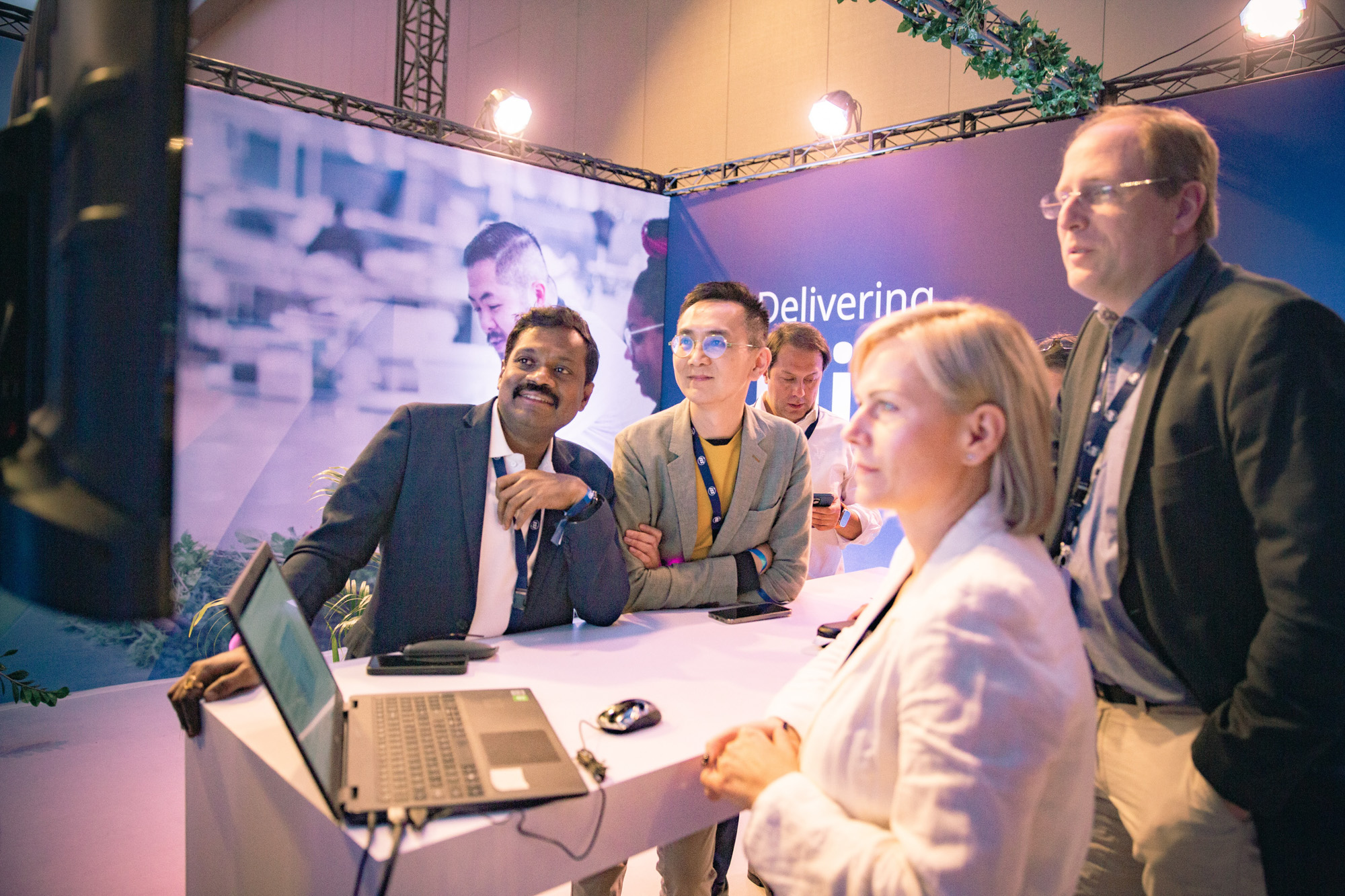
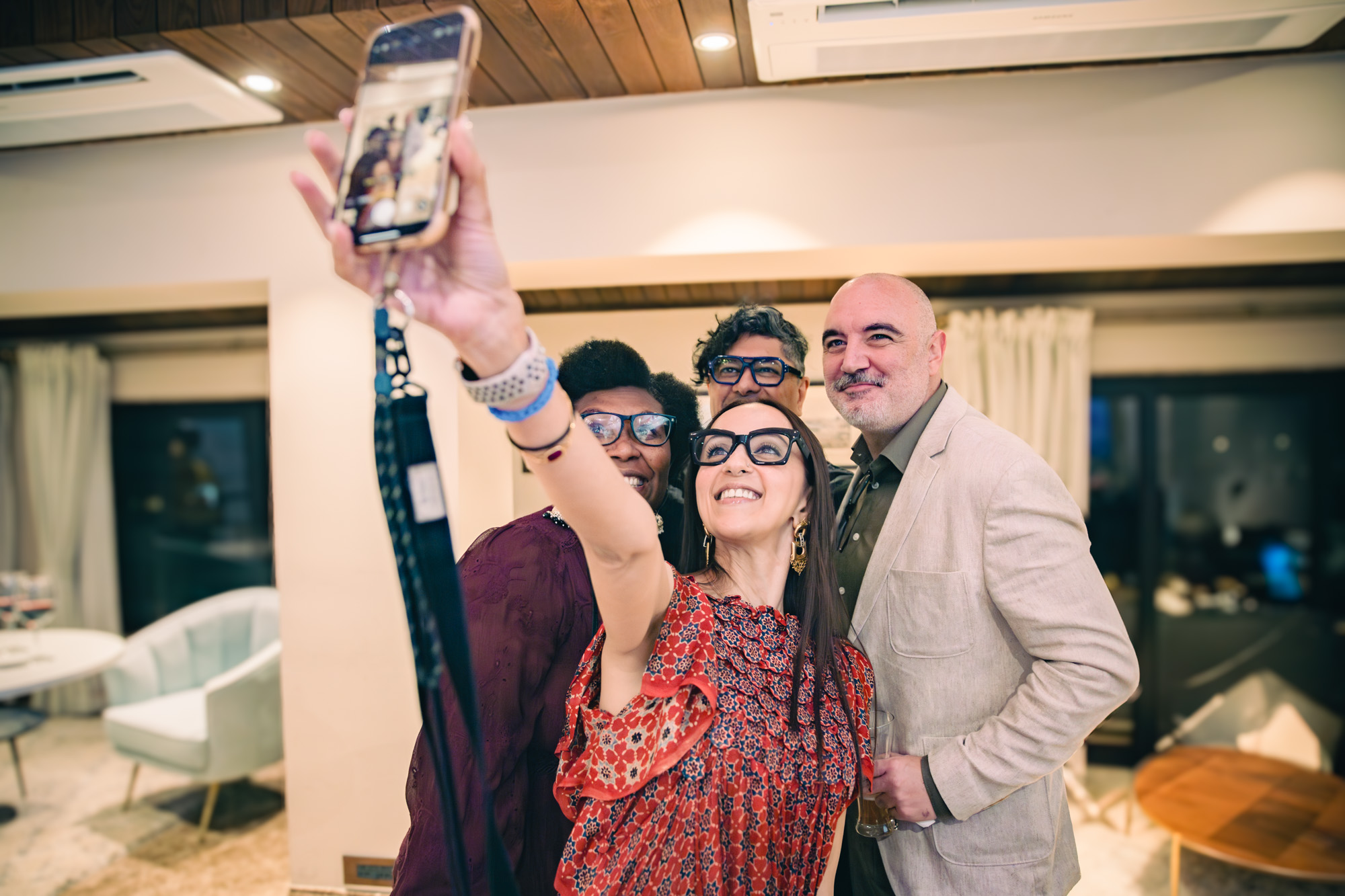
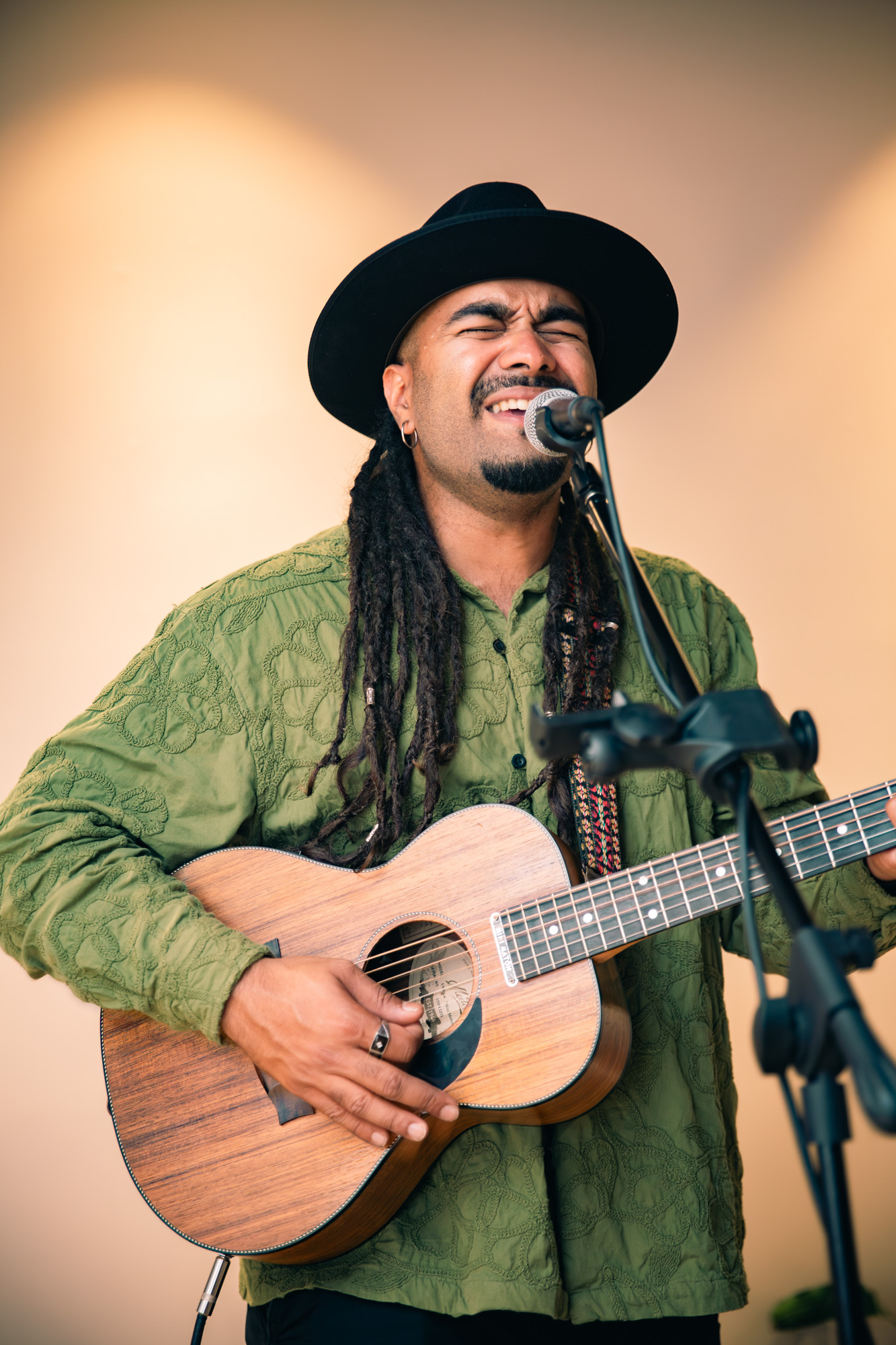
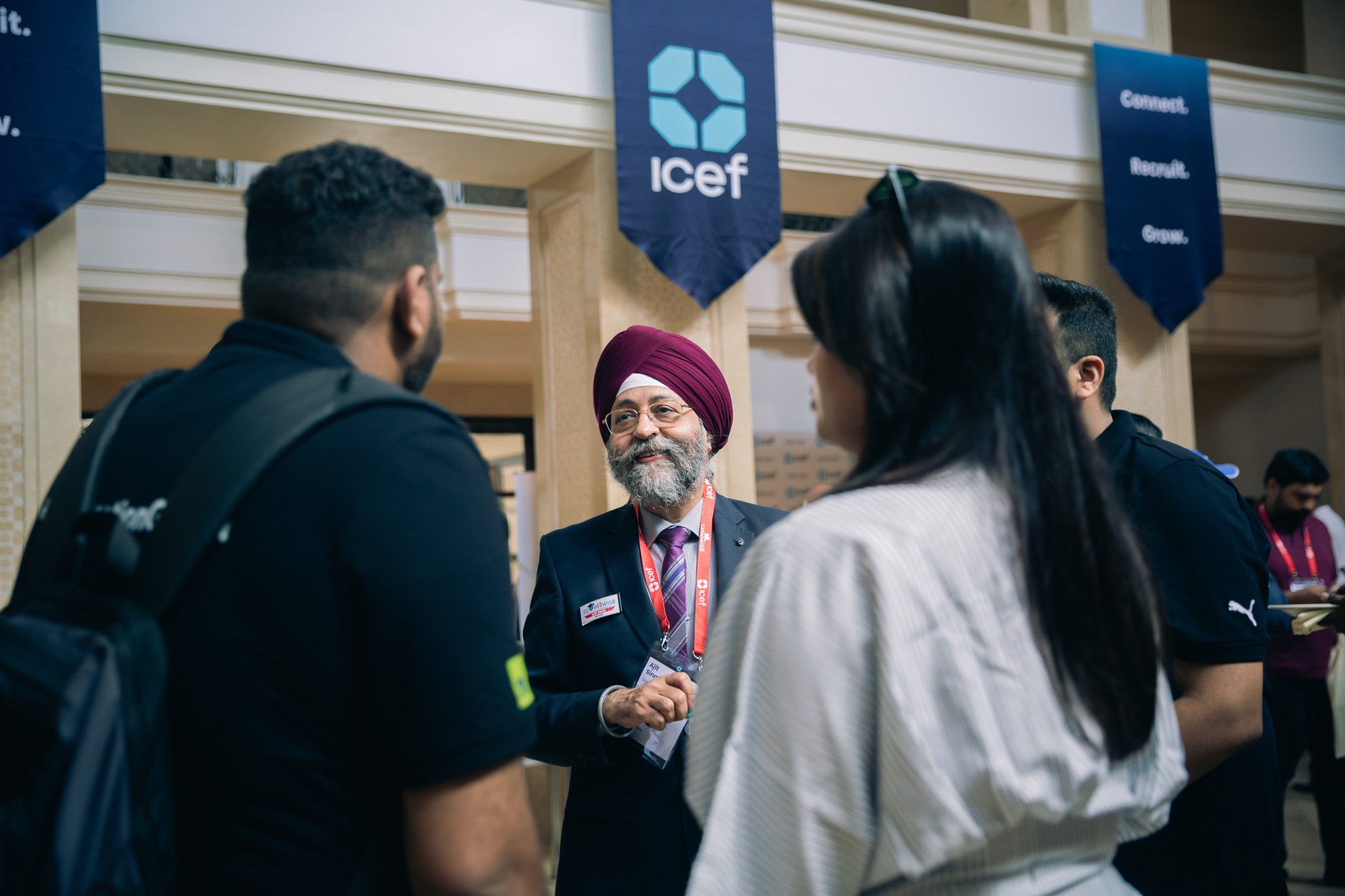
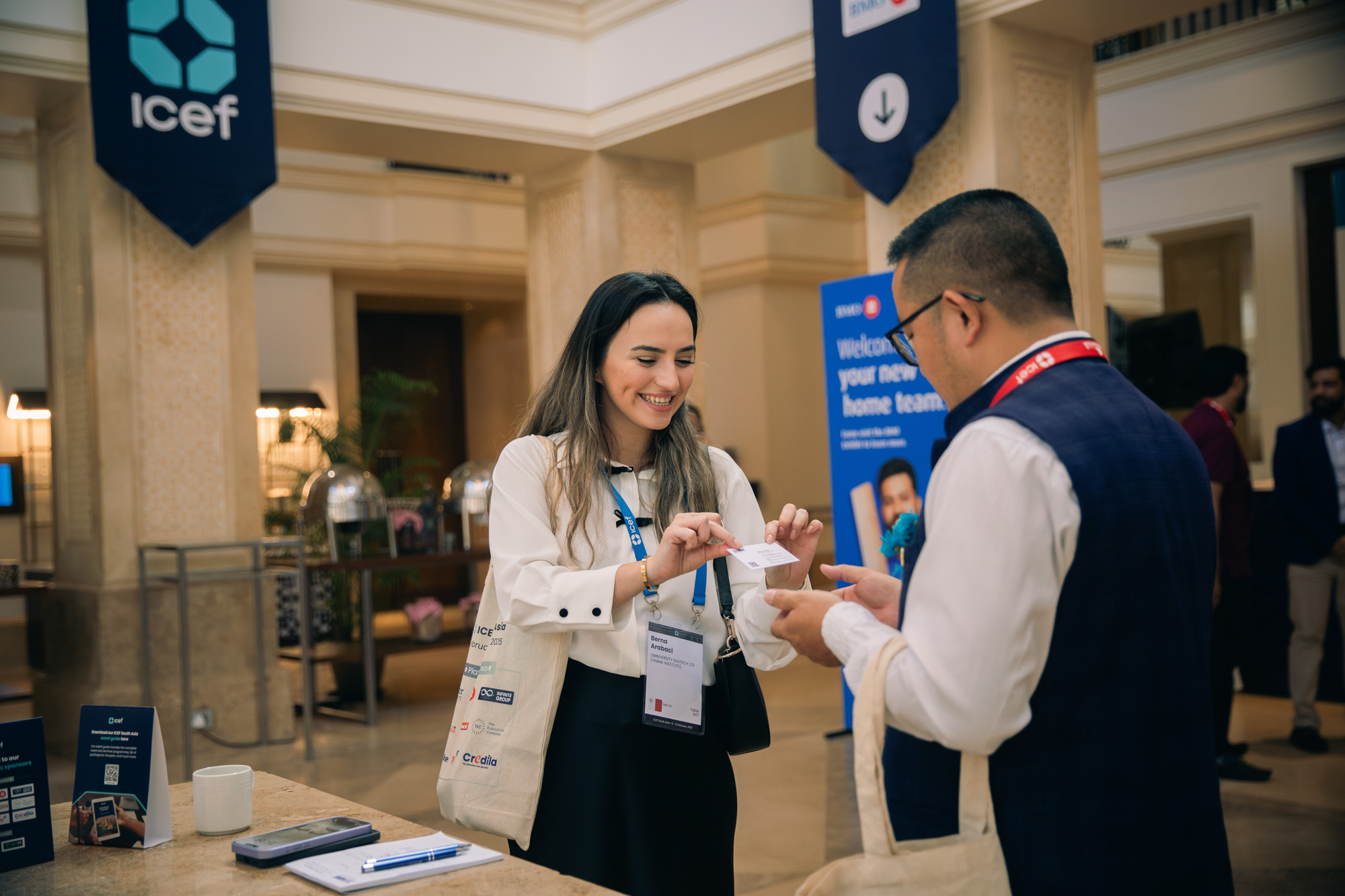
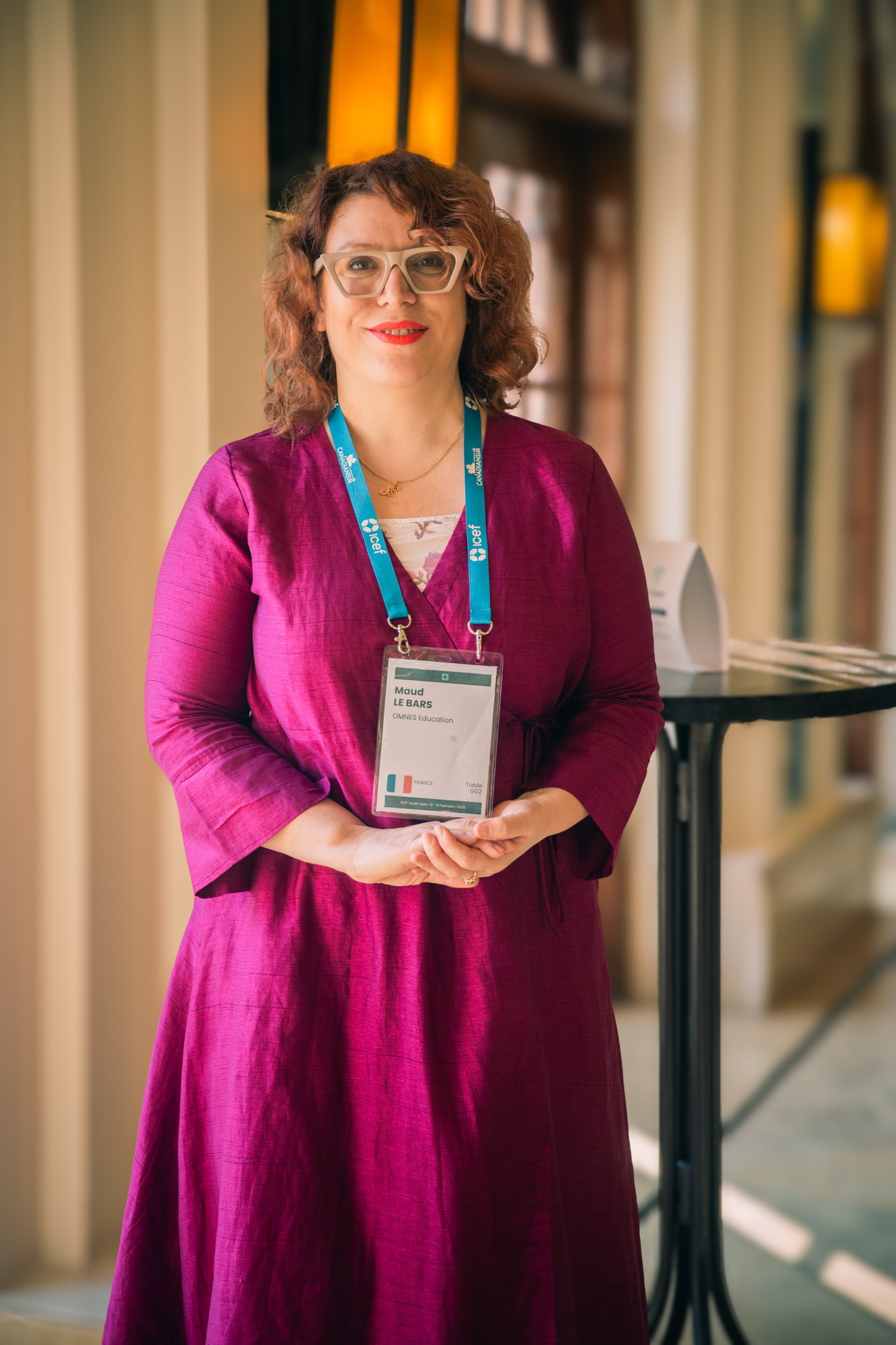
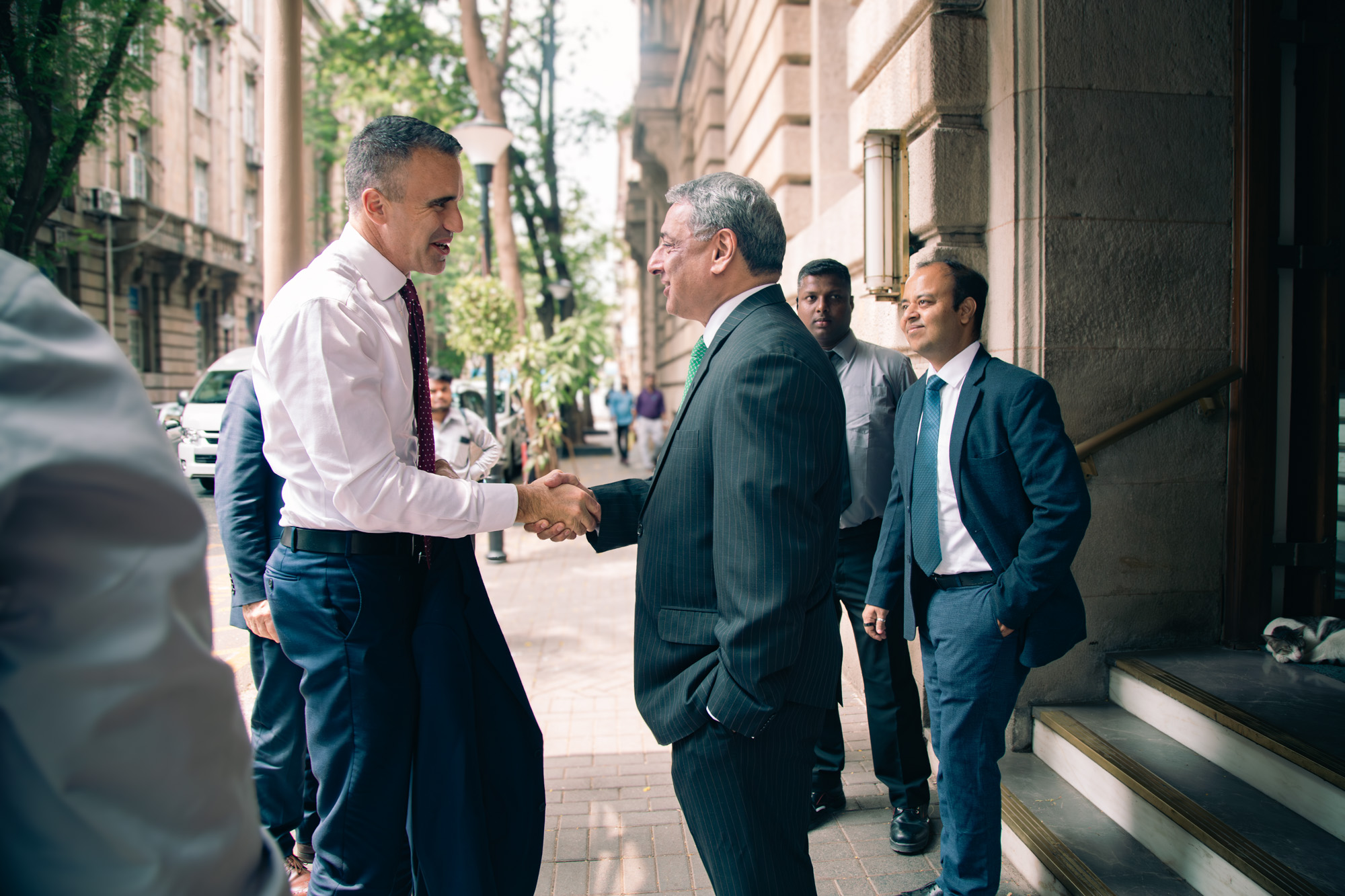
Workplace, product, event and interaction B-roll gives the testimonial visual evidence.
The useful answer
What makes a corporate testimonial video credible?
Credibility comes from a relevant speaker, specific experience, natural language, clean production and visual evidence that supports rather than decorates the interview.
Avoid asking the speaker to repeat the brand’s claims. Ask for moments, decisions, obstacles and observable change. During editing, remove repetition without making the speaker sound unnaturally perfect.
Production sequence
From stakeholder shortlist to approved testimonial assets.
Each step protects both trust and efficiency.
Select speakers
Choose people with relevant experience and permission to speak publicly.
Pre-interview
Find the strongest story, terminology and sensitive areas before the shoot.
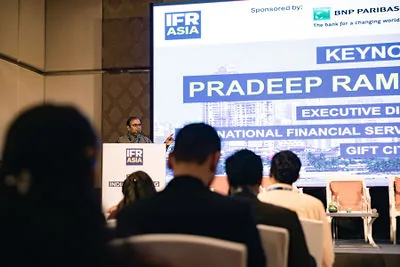
Film interview
Create a calm setup with clean eyeline, lighting, sound and enough time.
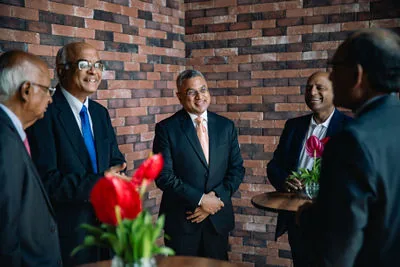
Capture B-roll
Show the environment, people, product, event or activity behind the claims.
Edit & approve
Build a concise narrative, confirm titles and claims, then create platform versions.
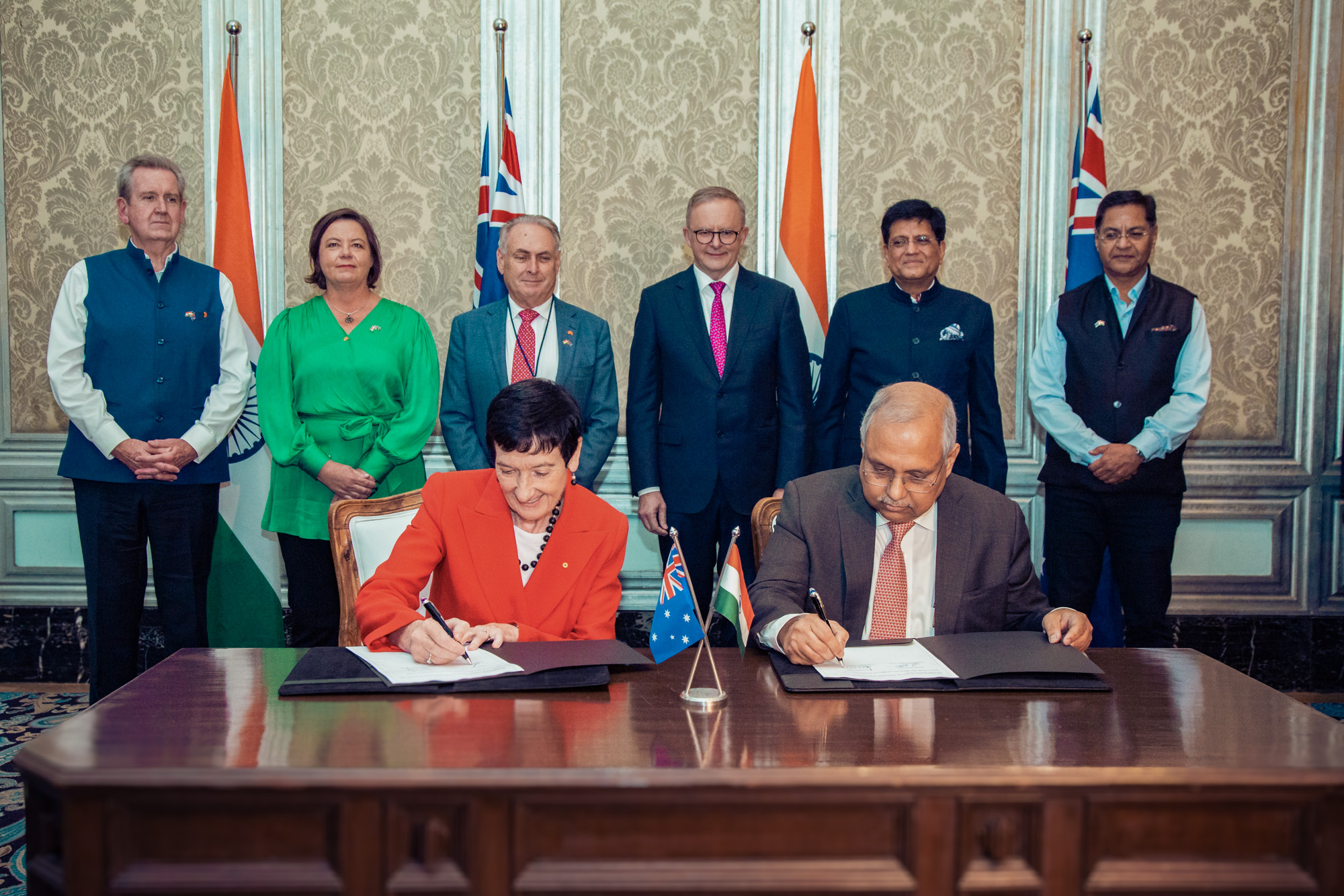
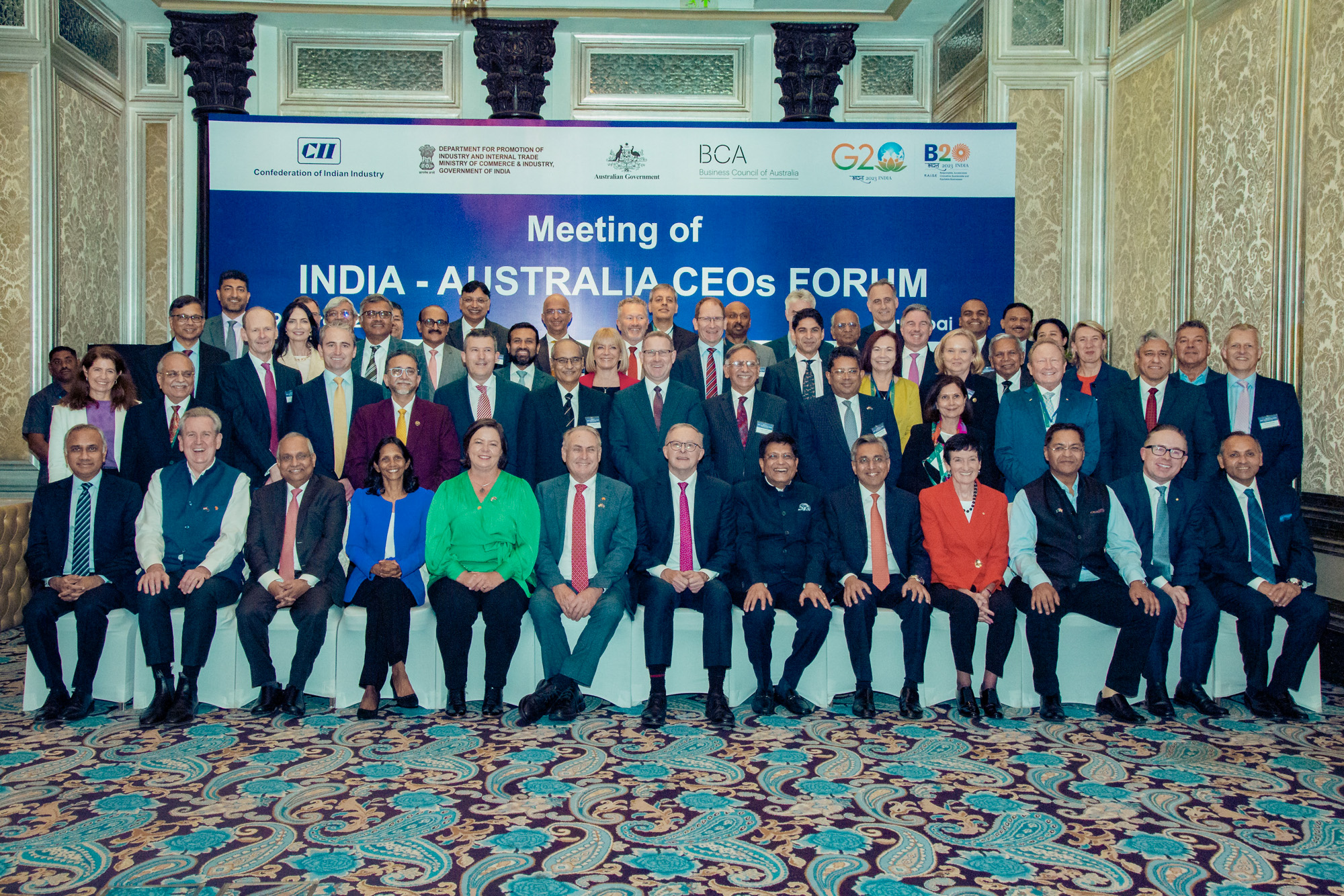
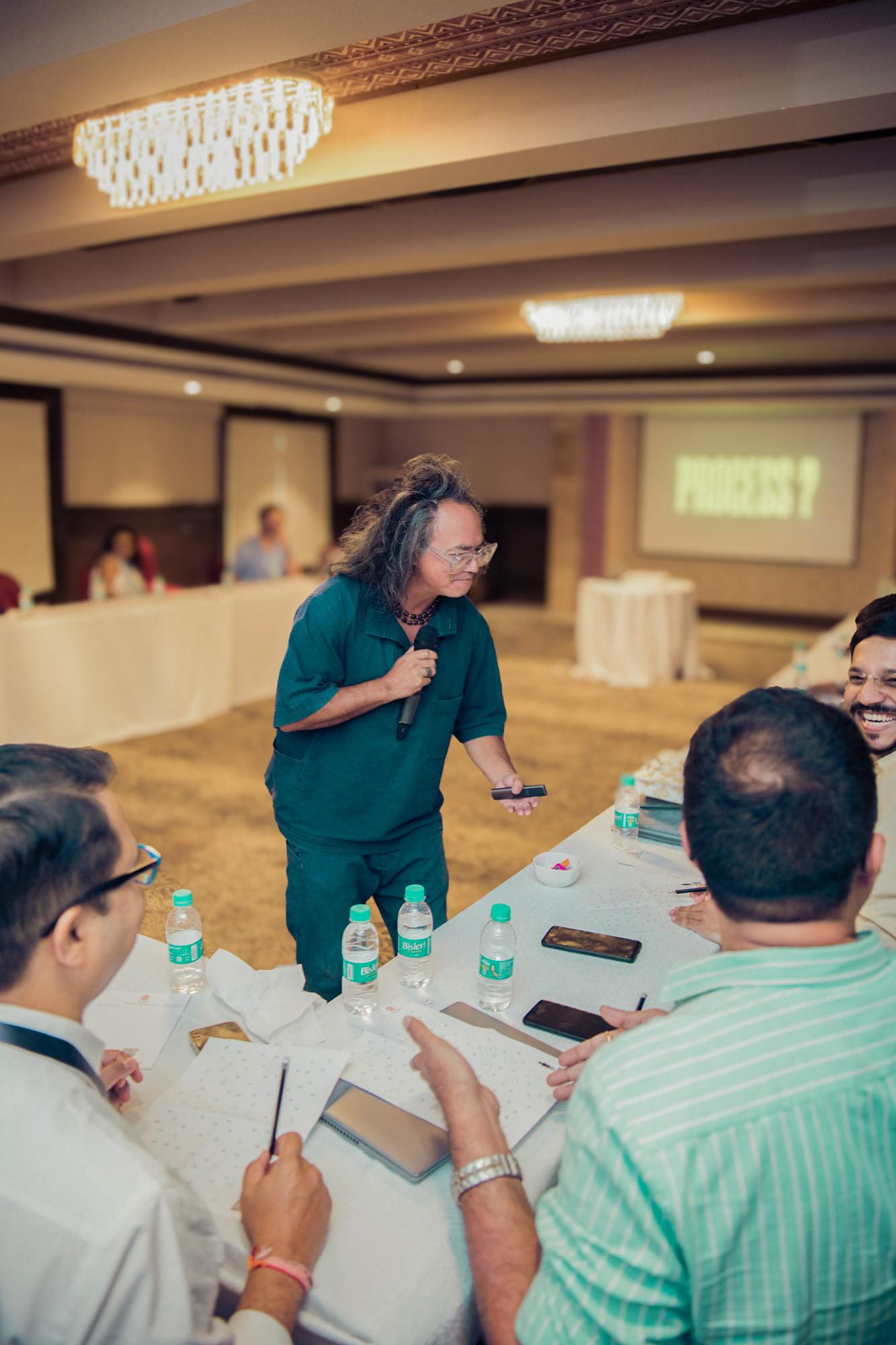
Visual proof block
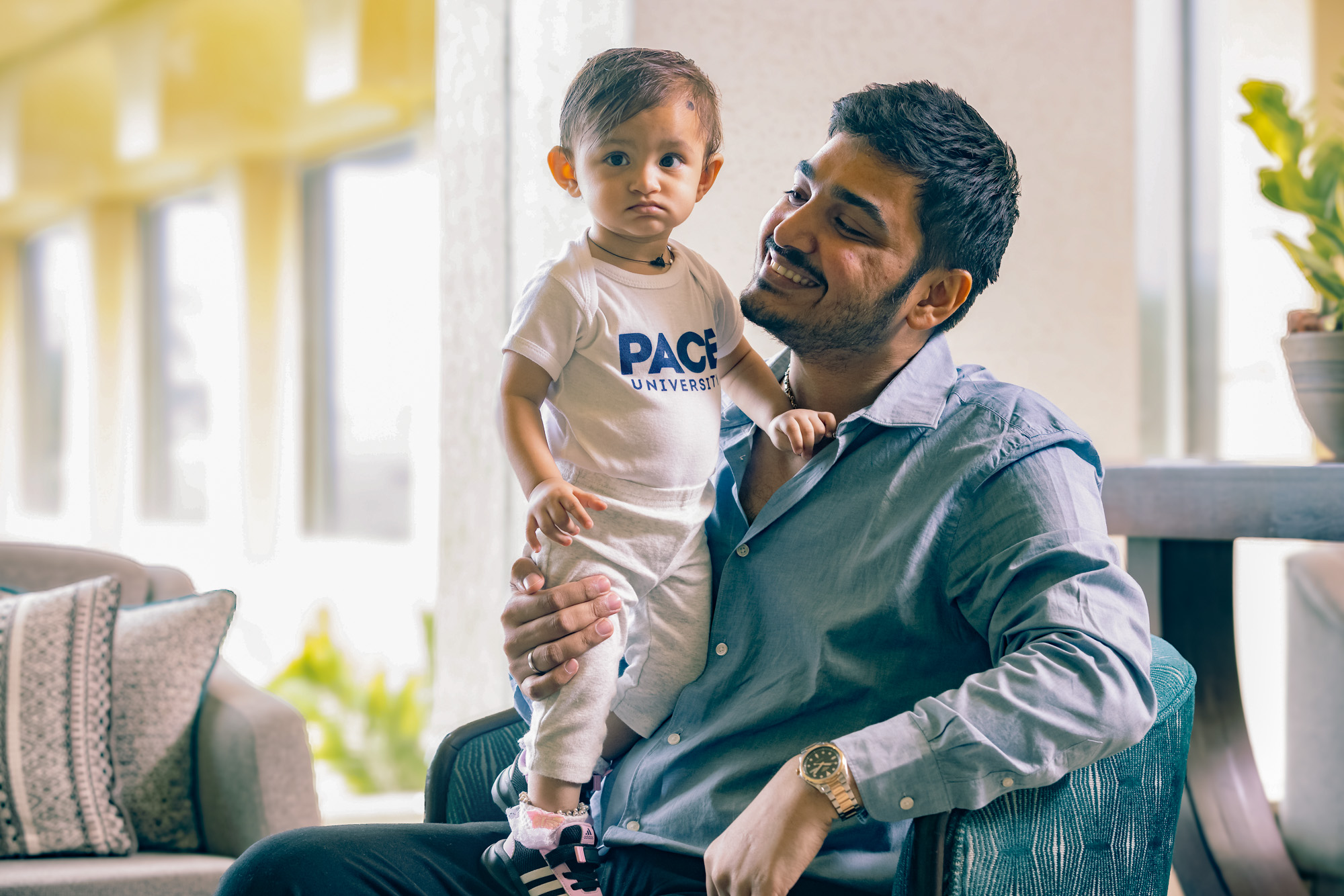
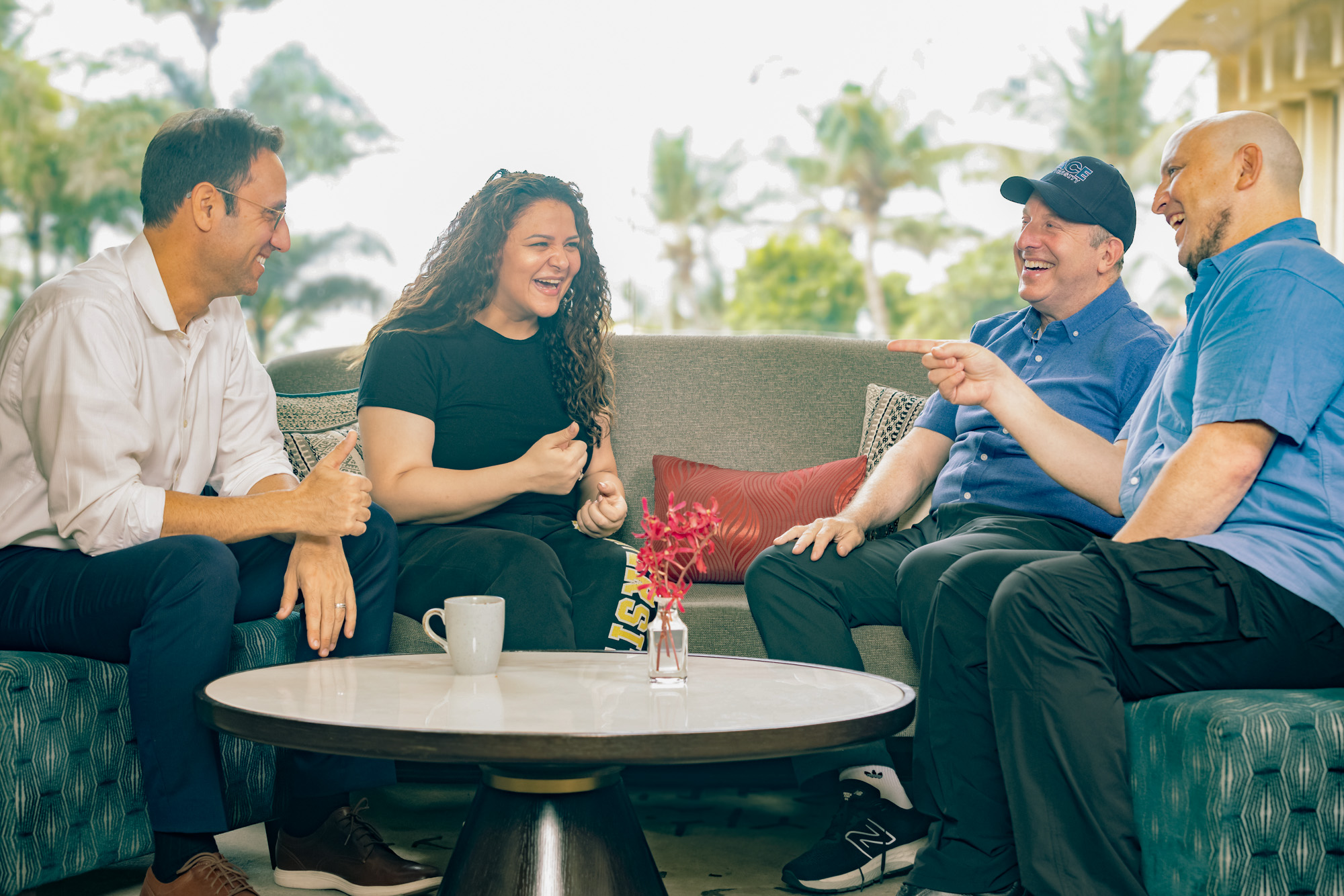
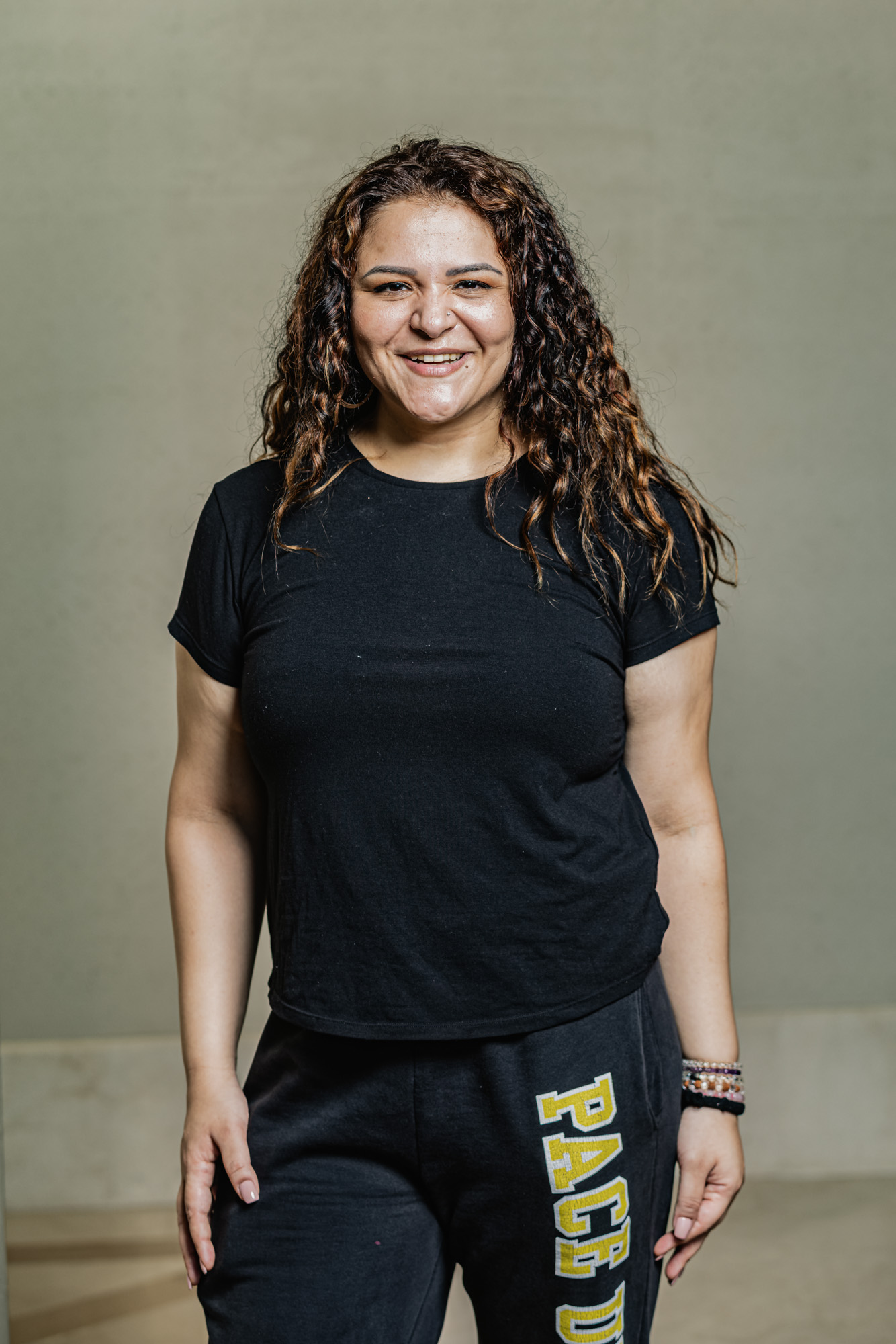
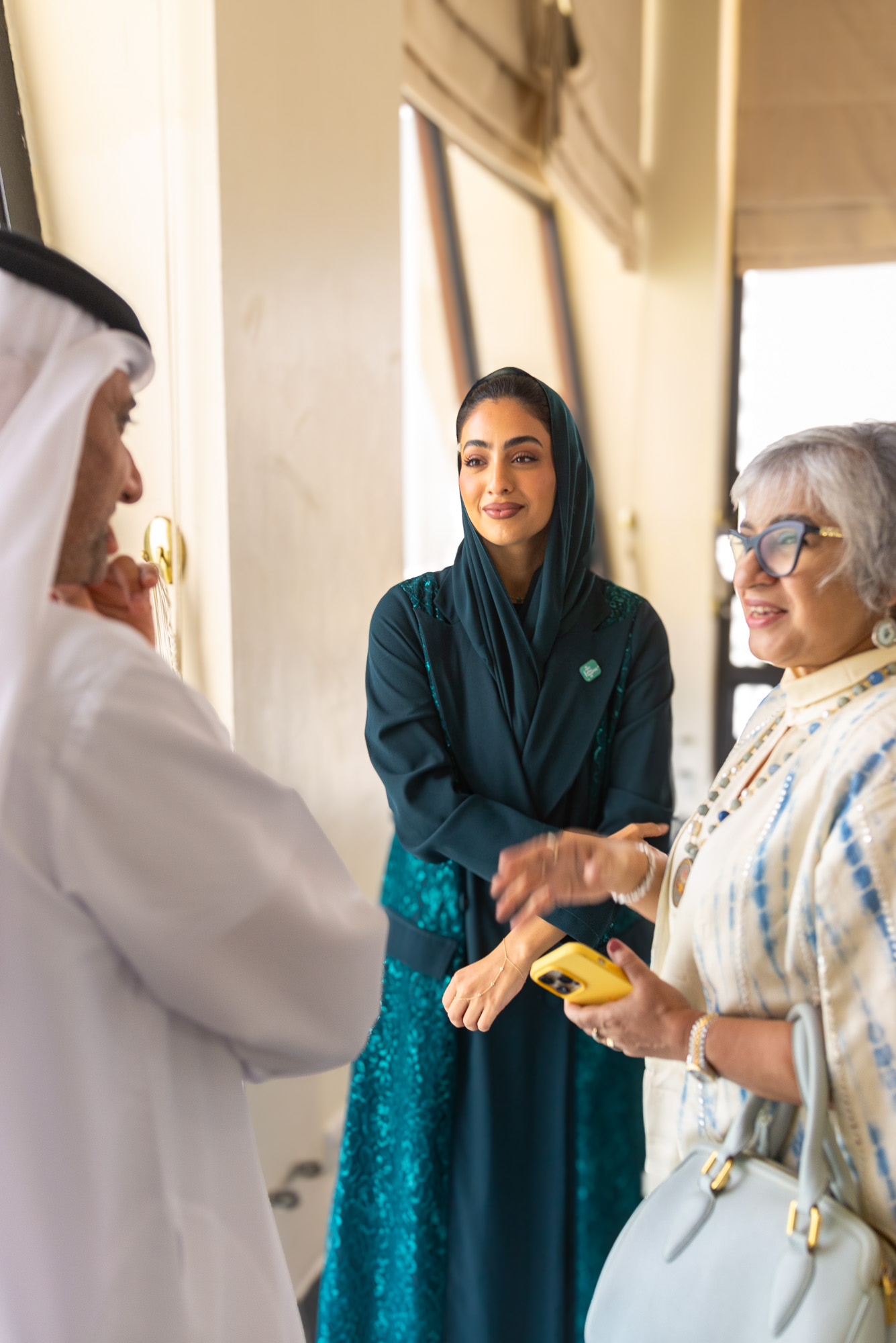
Place the person inside a believable visual world.
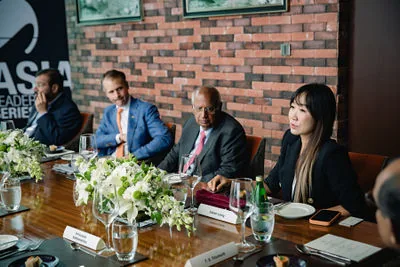
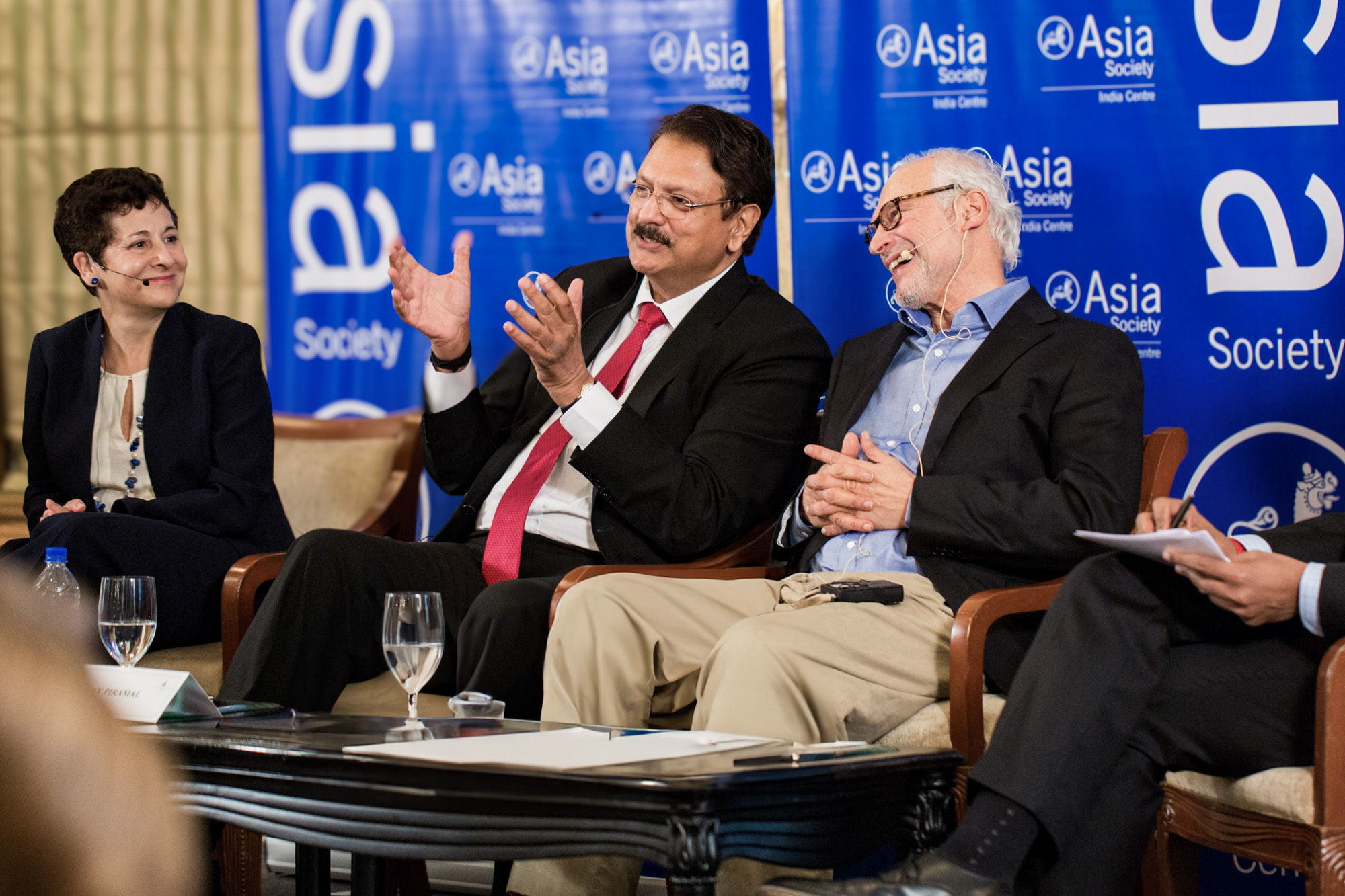
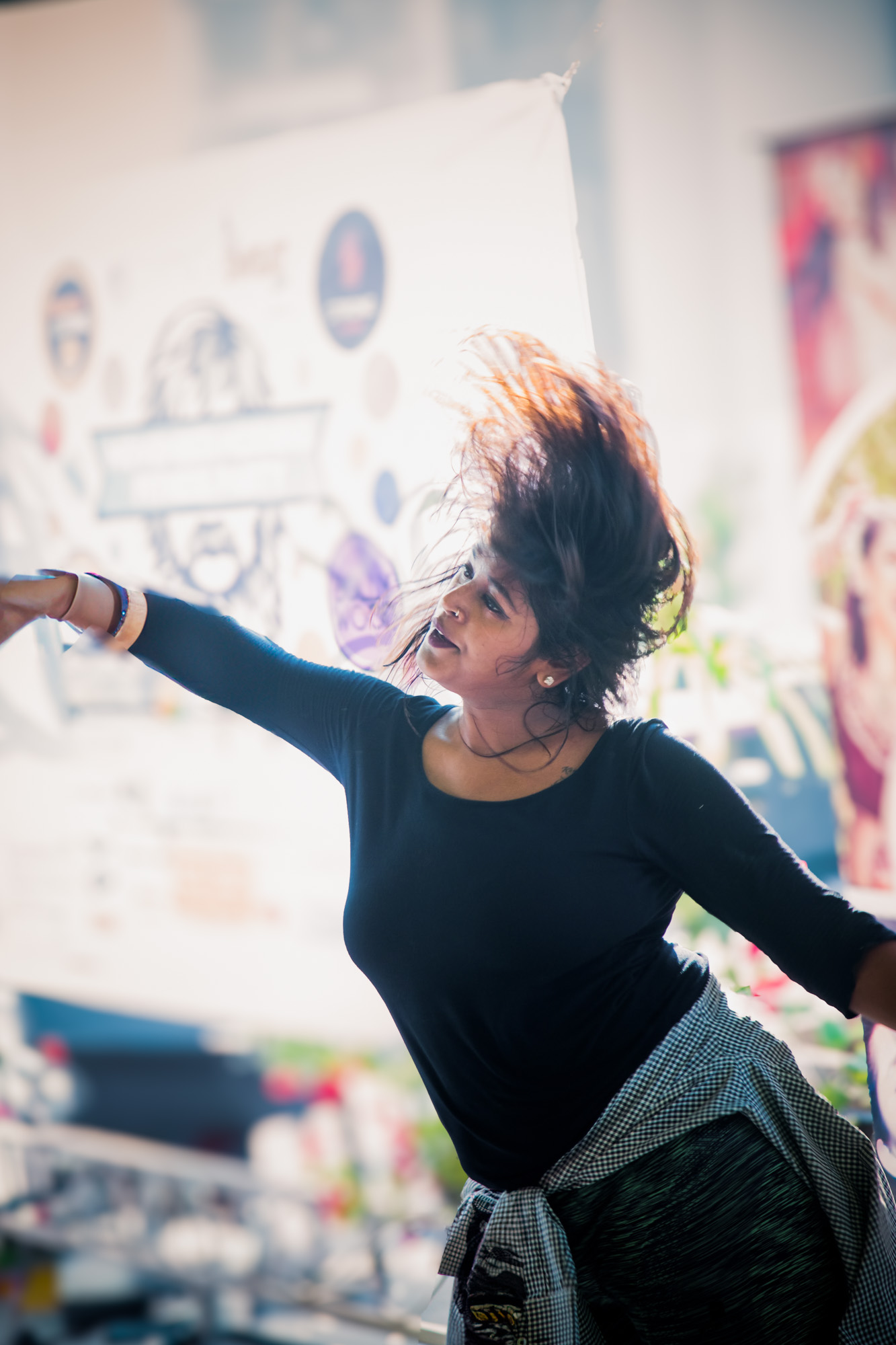
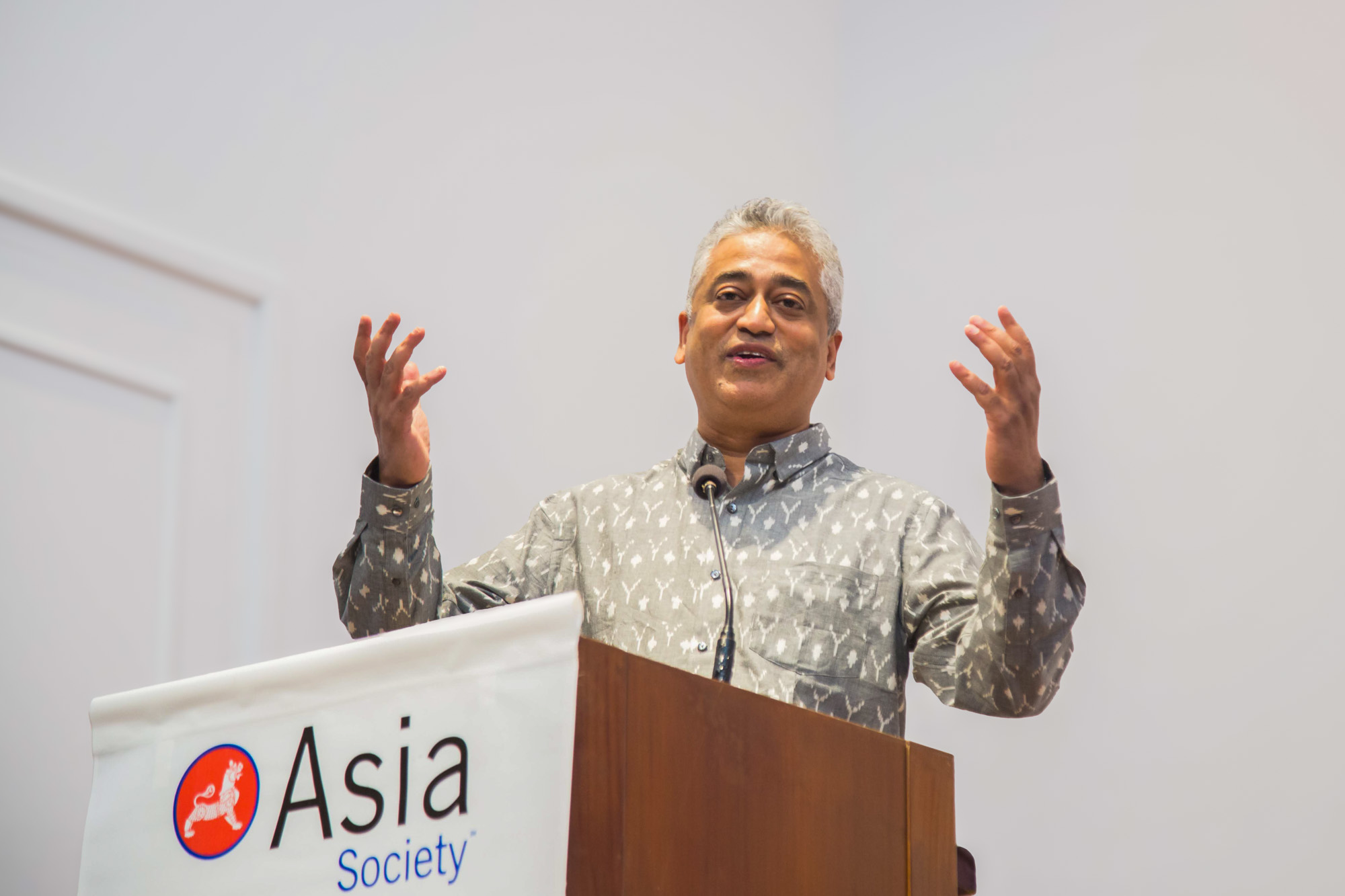
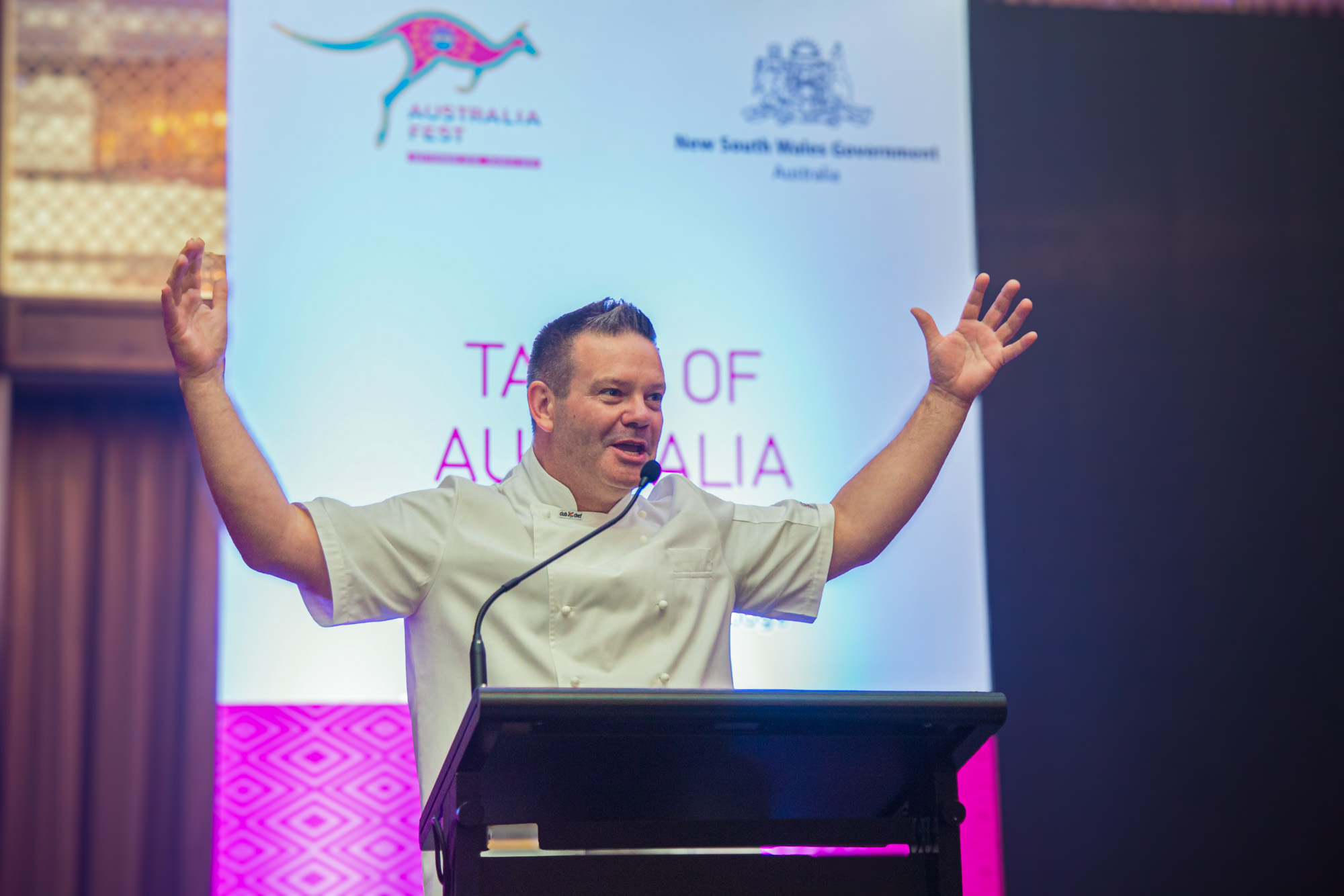
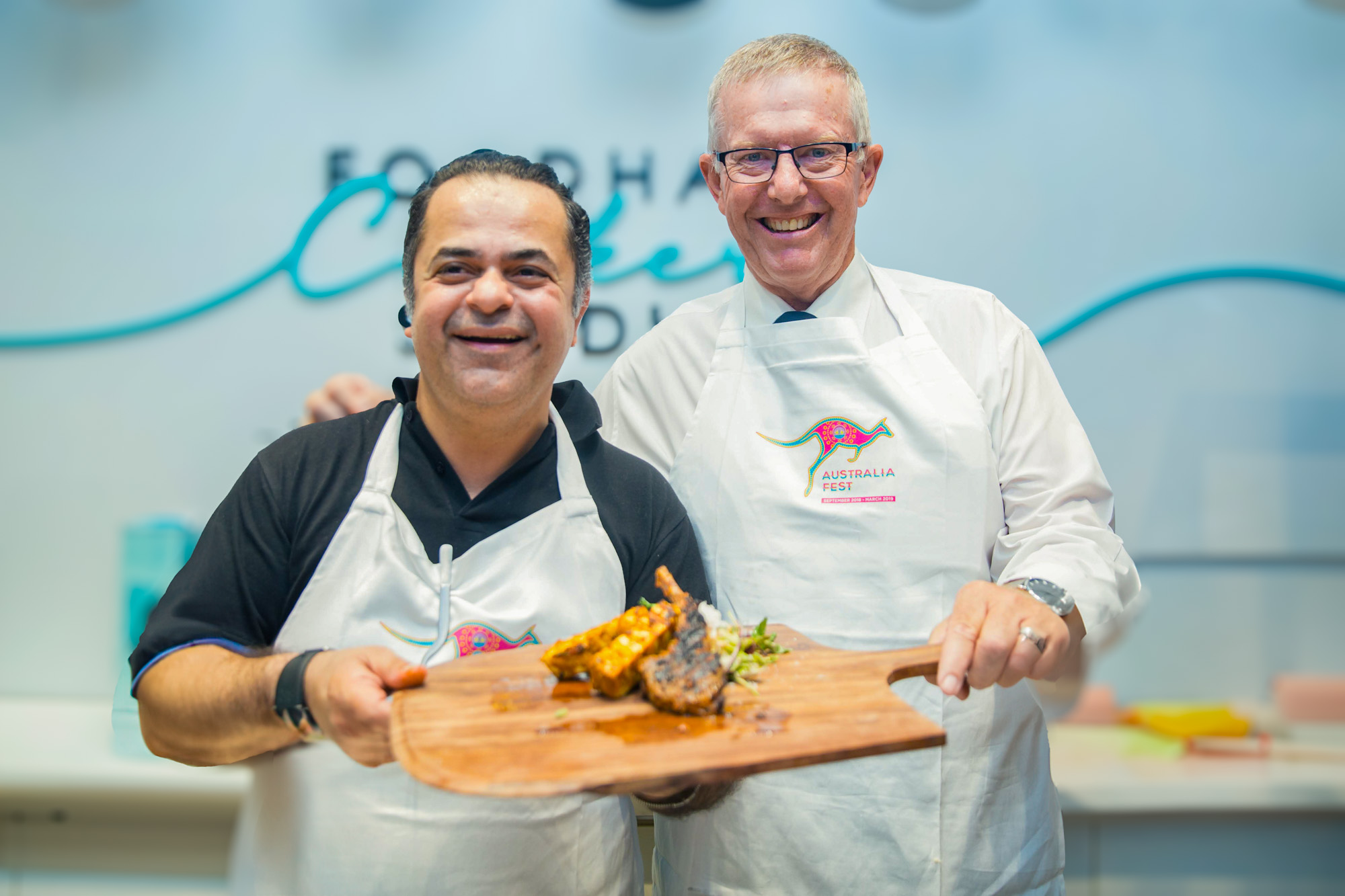
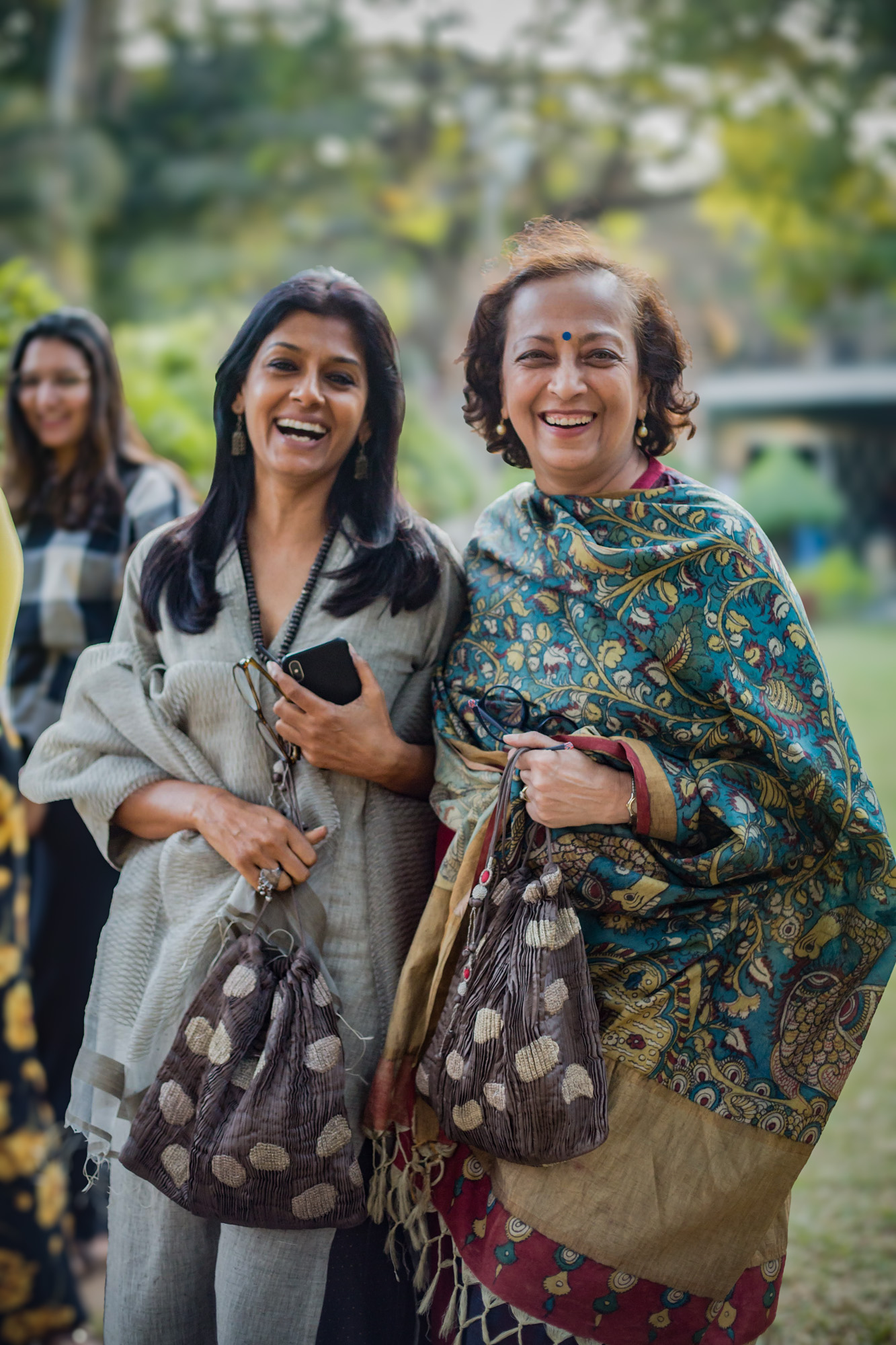
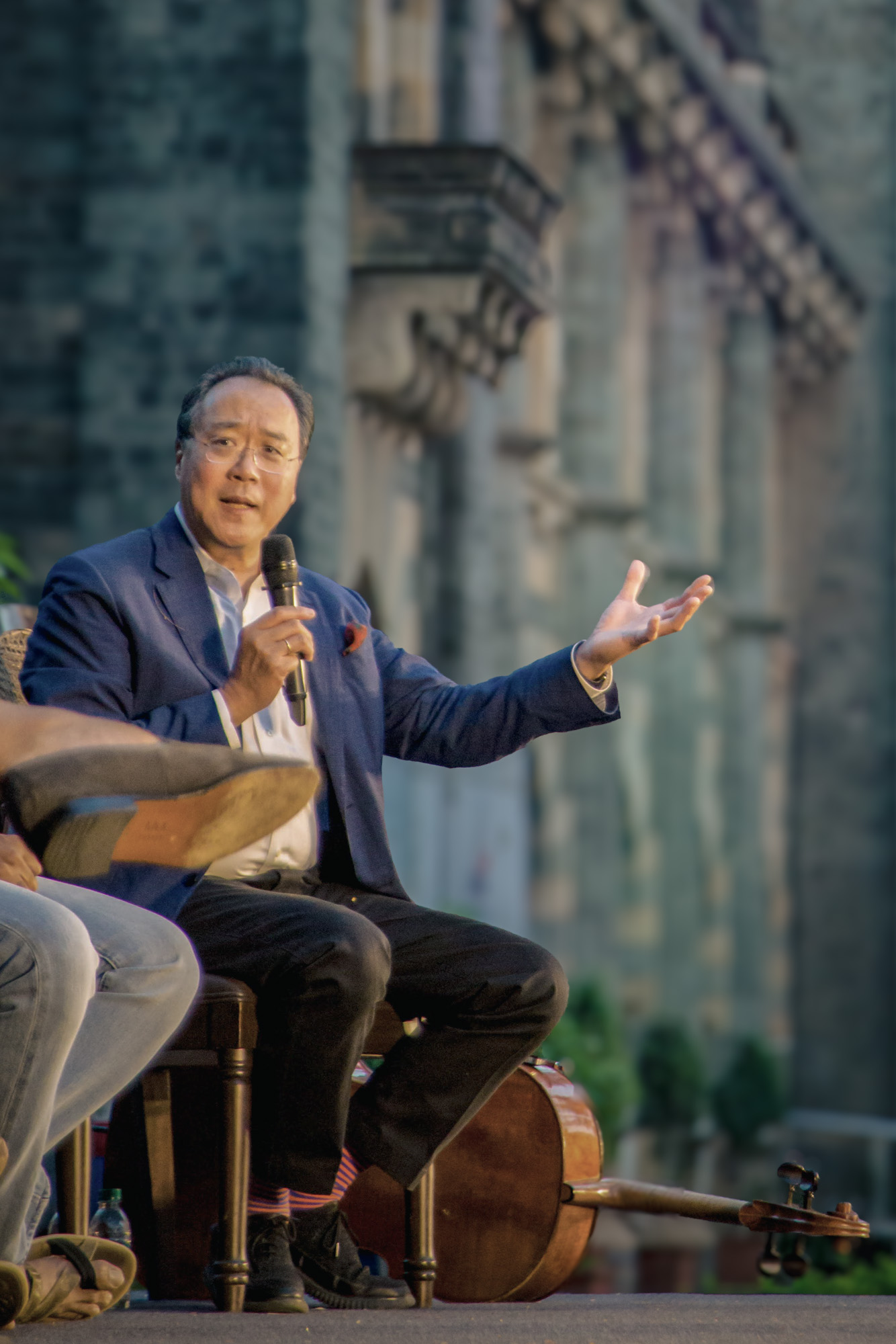
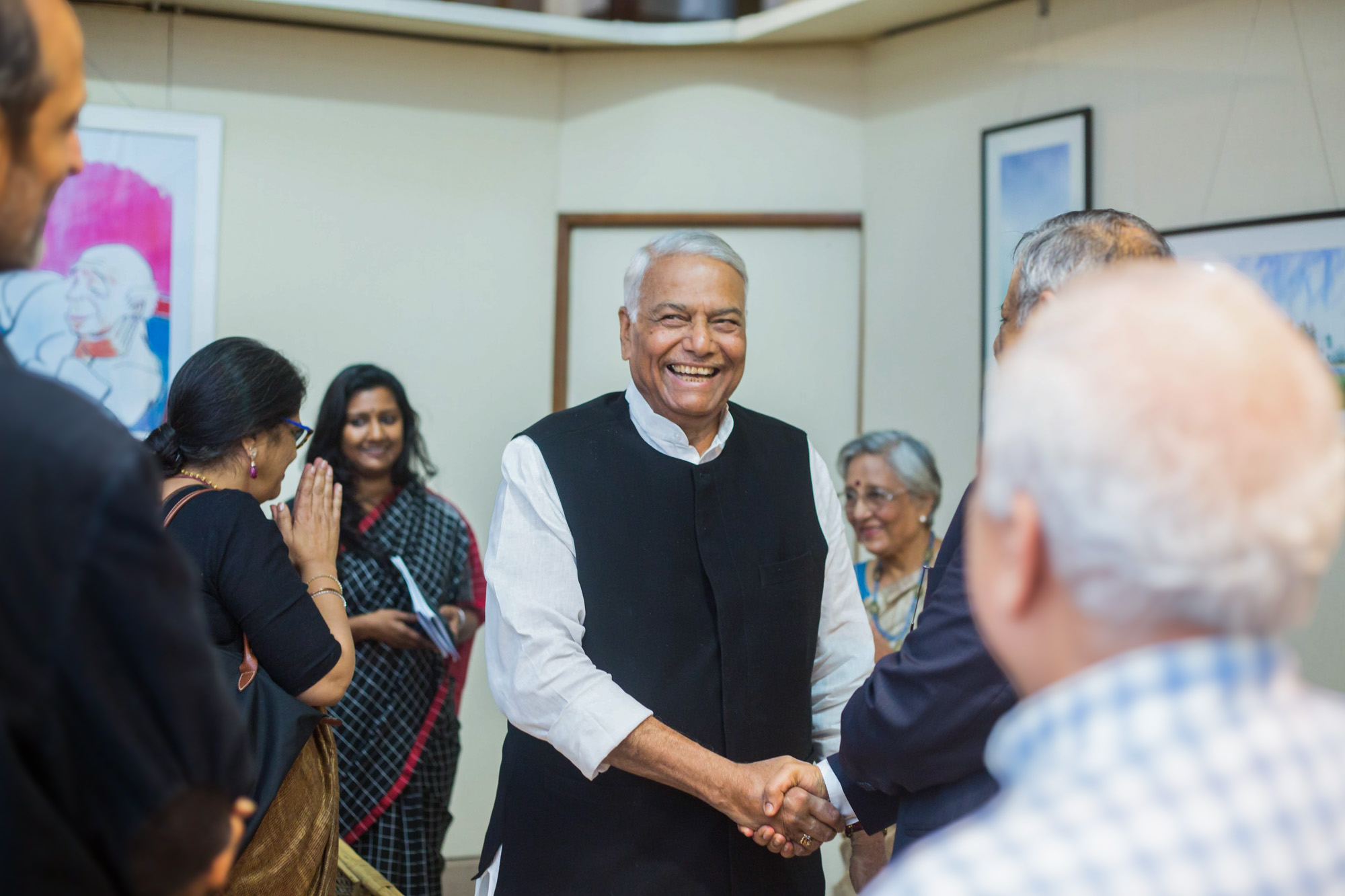
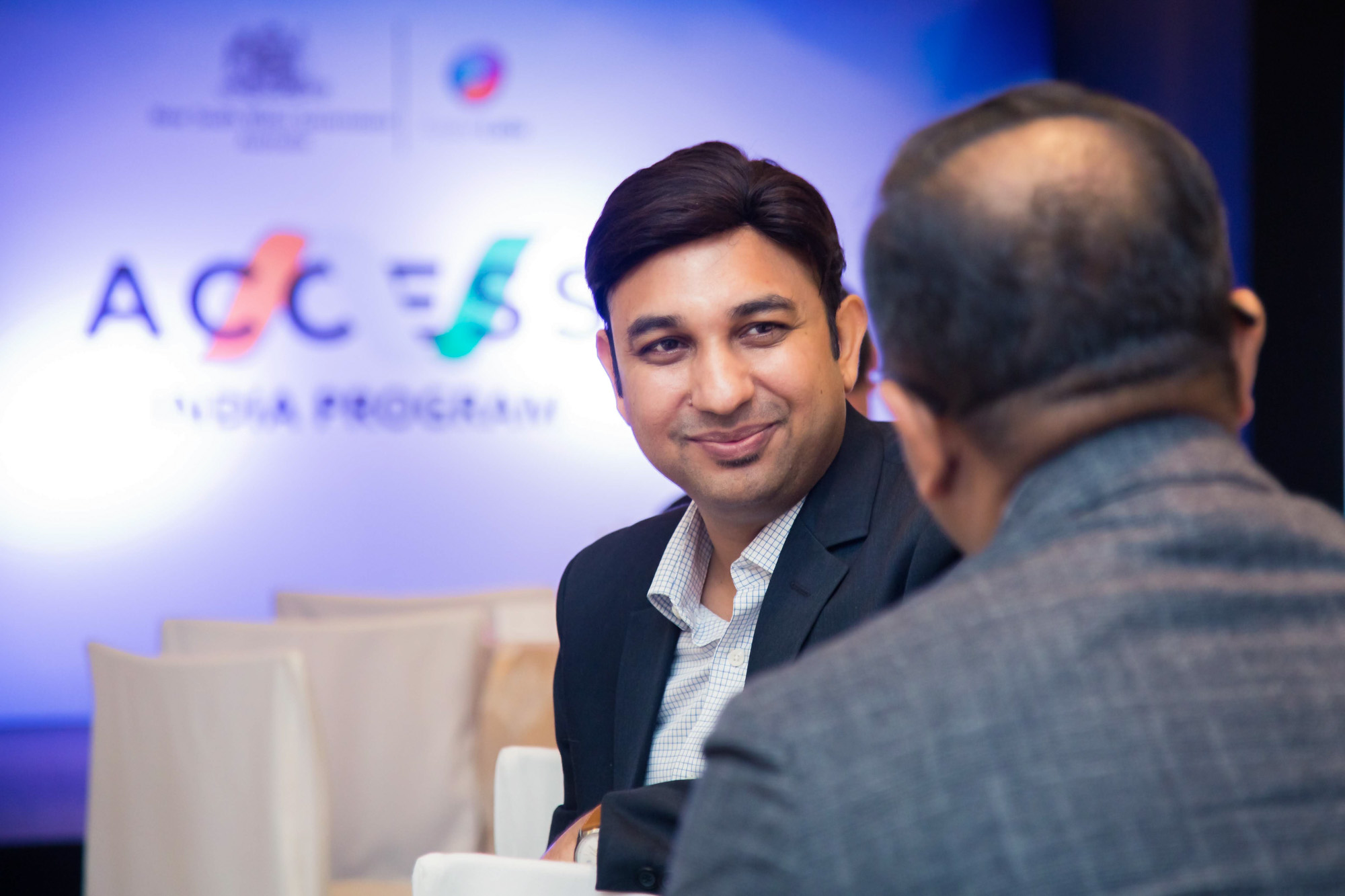
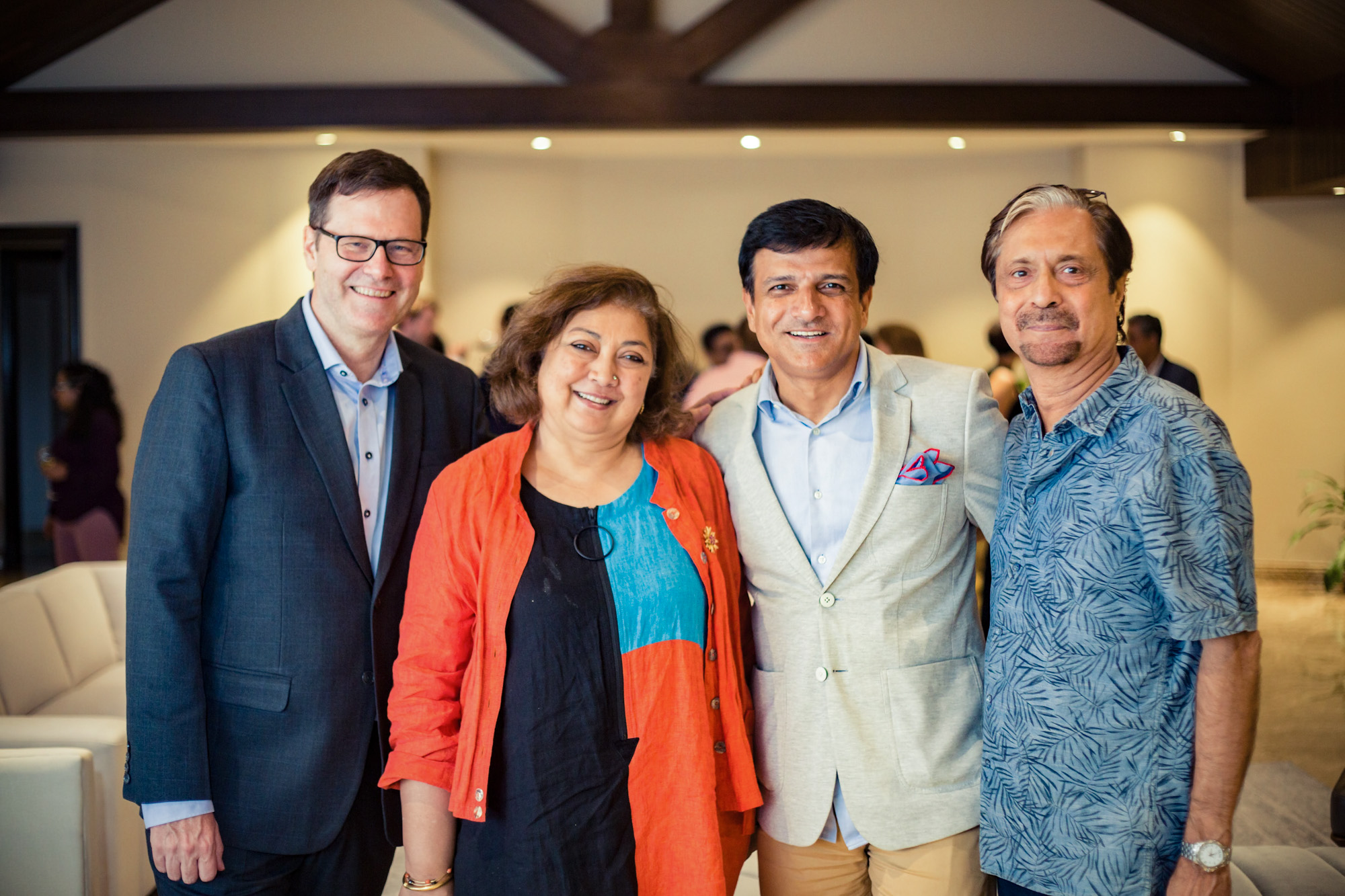
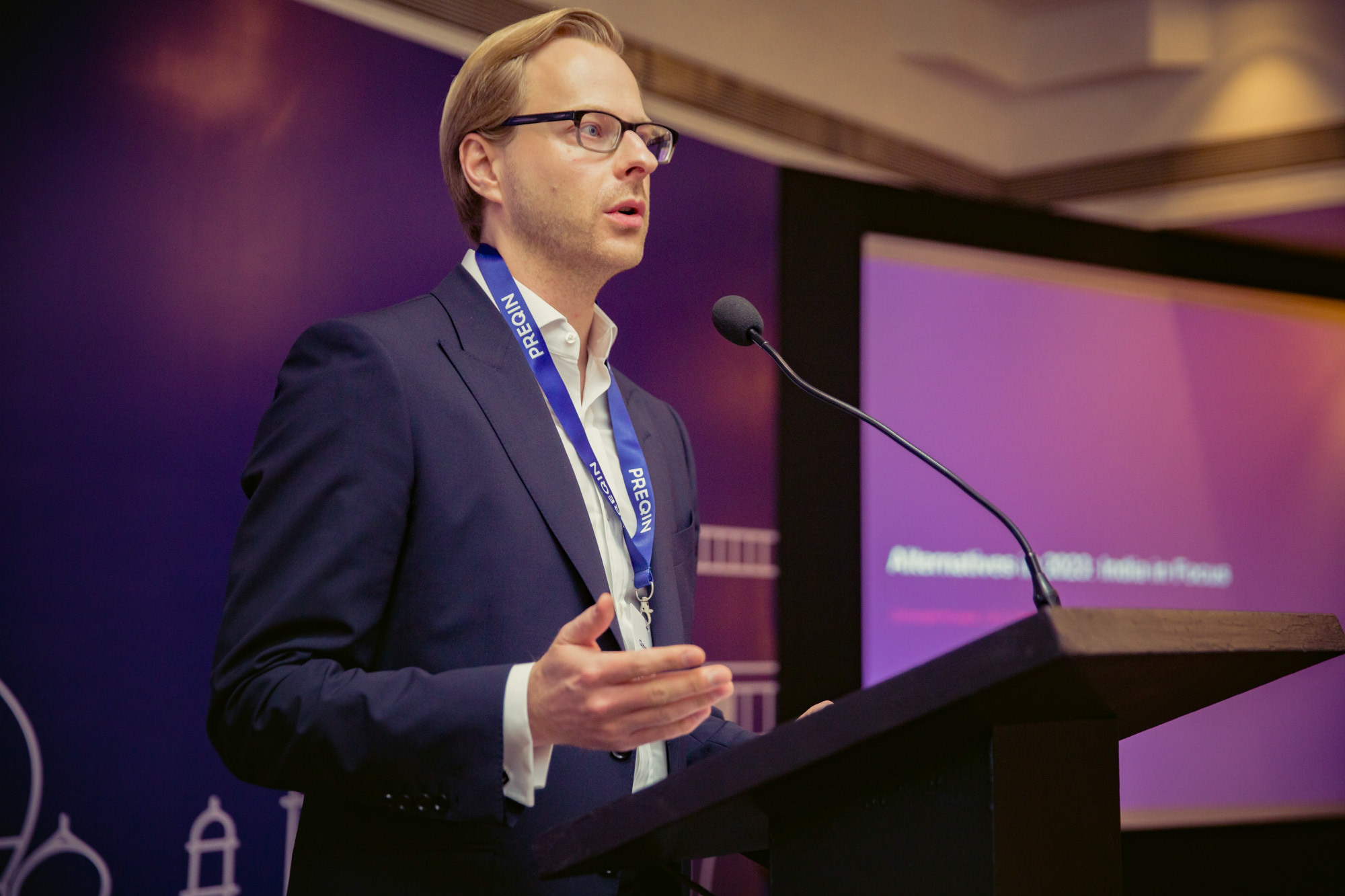
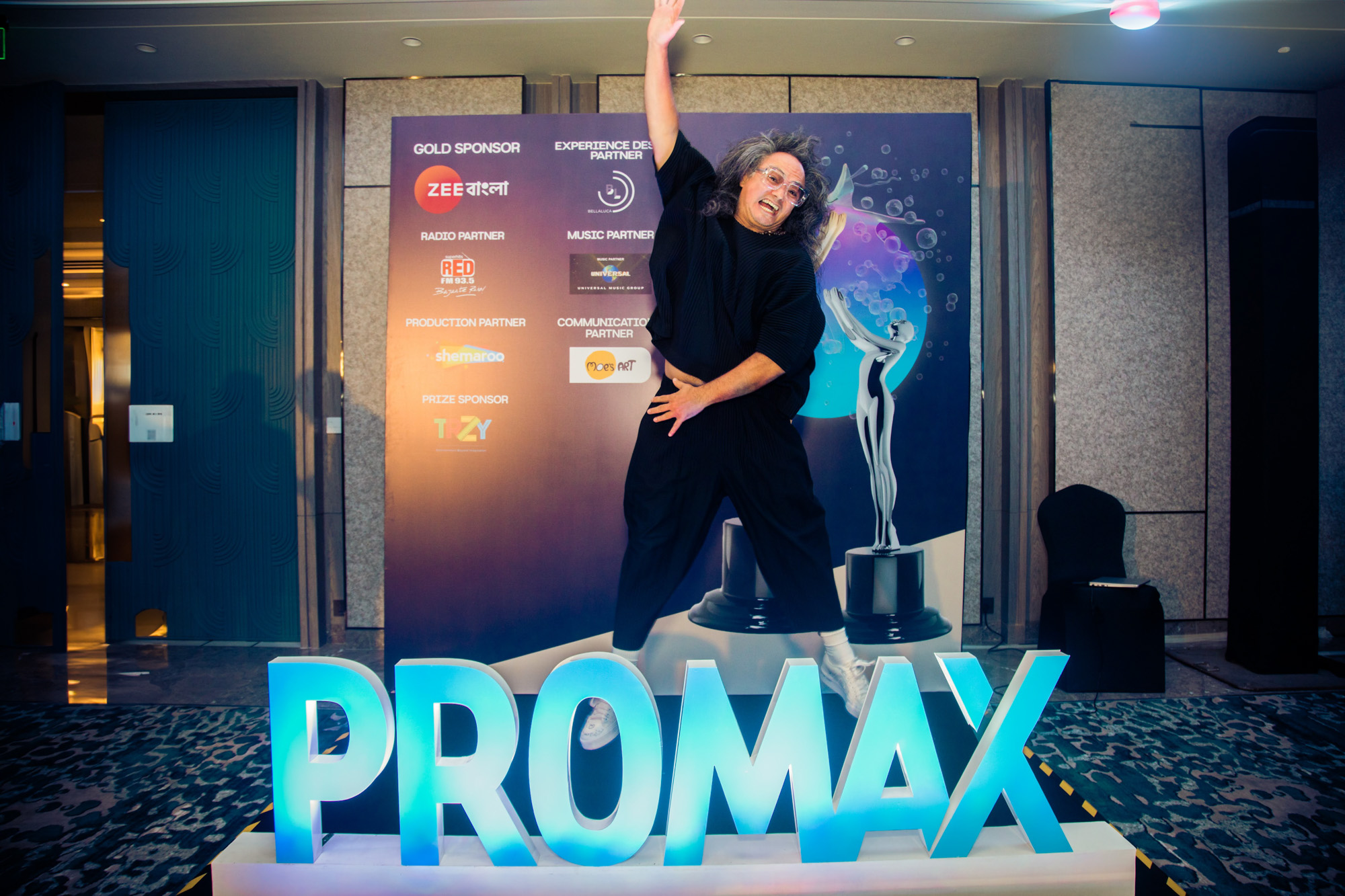
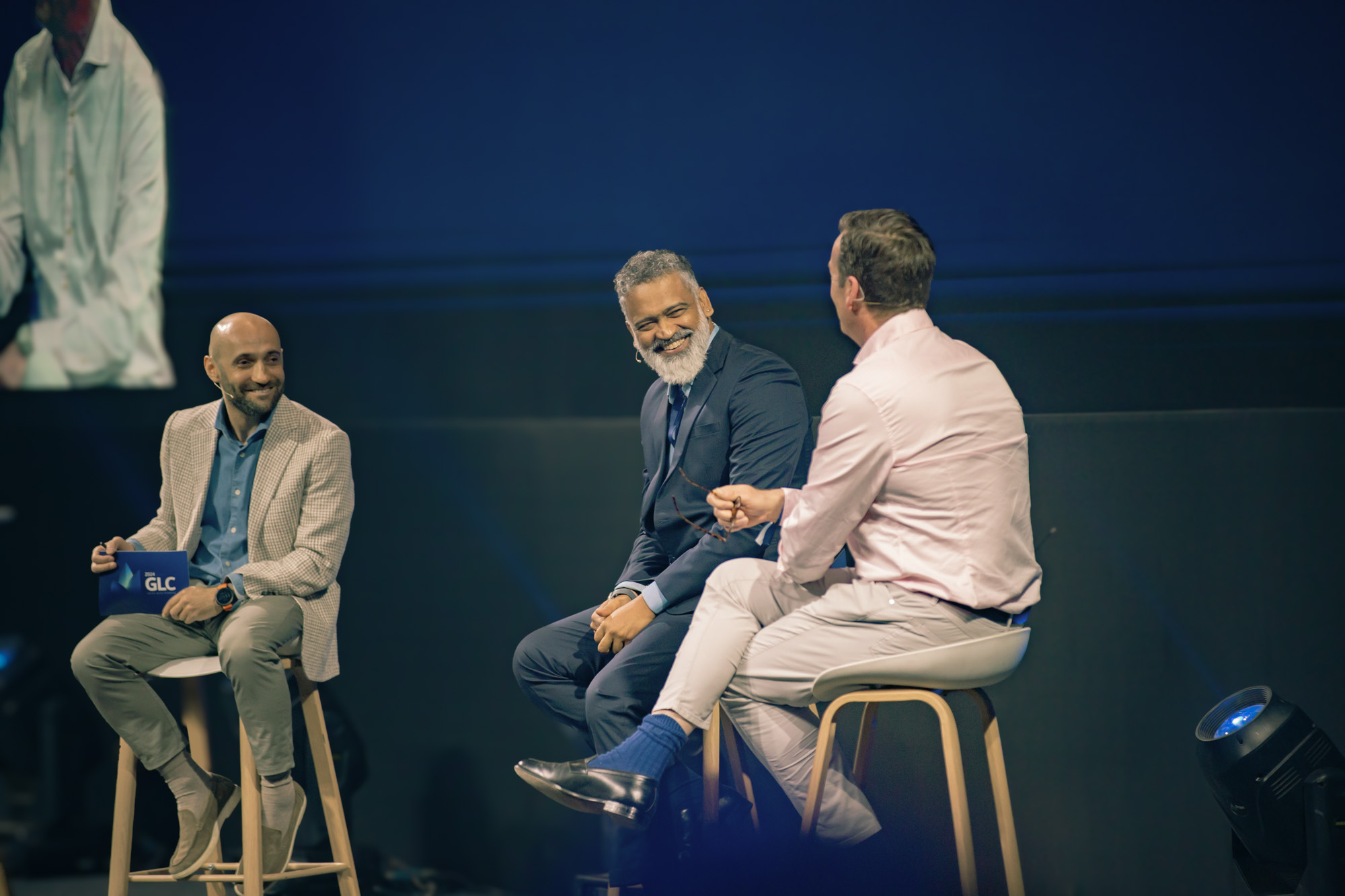
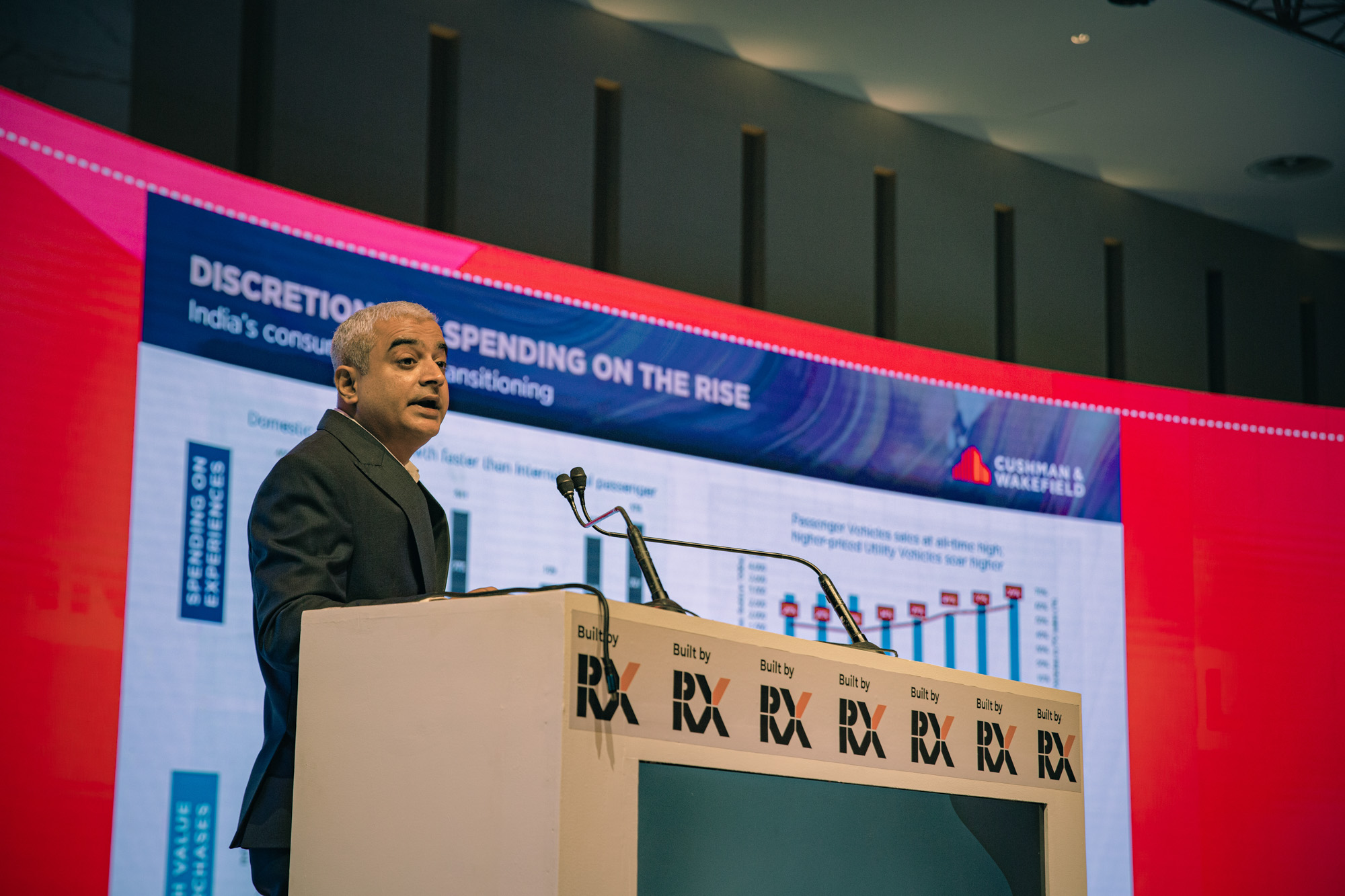
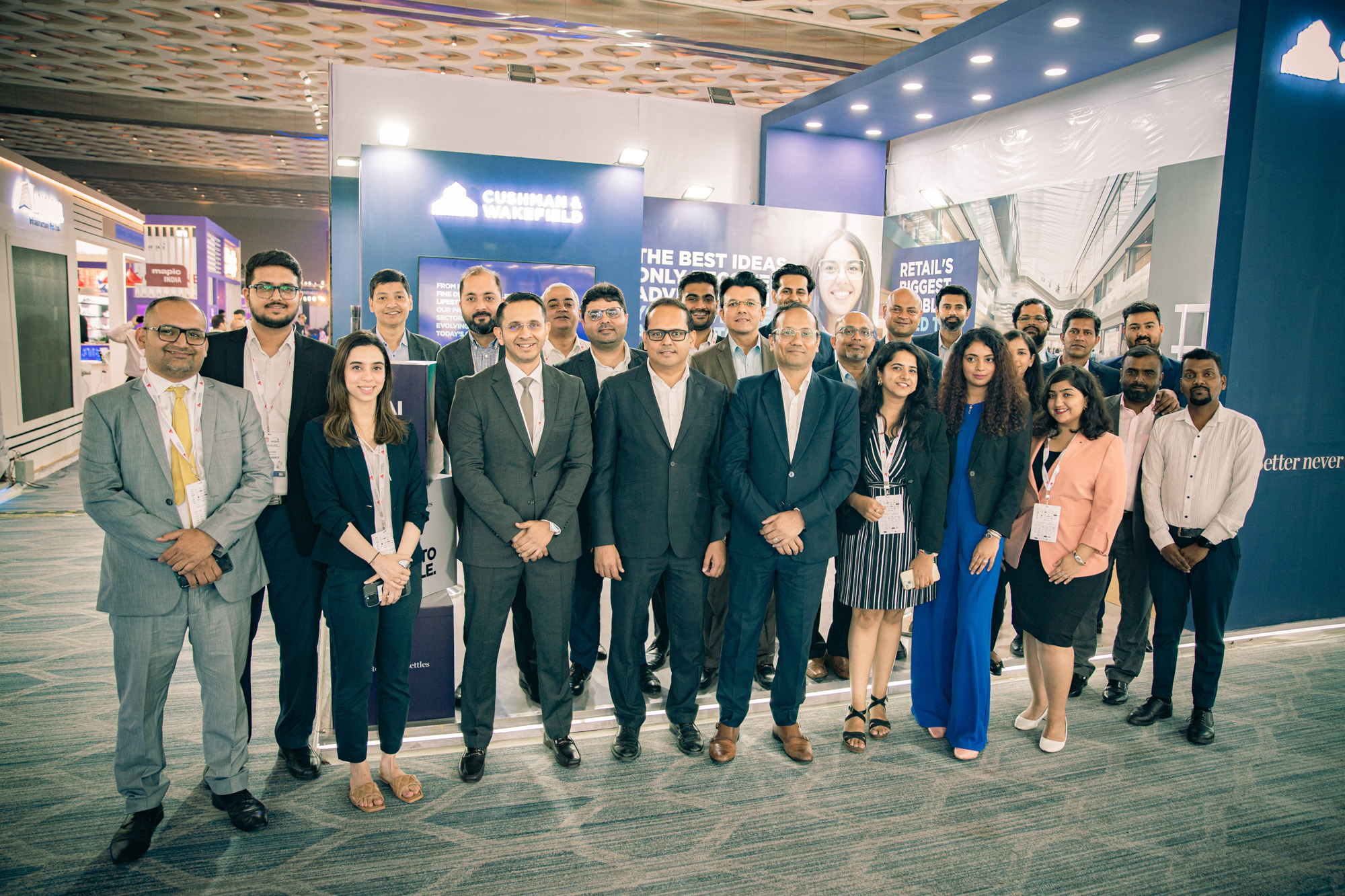
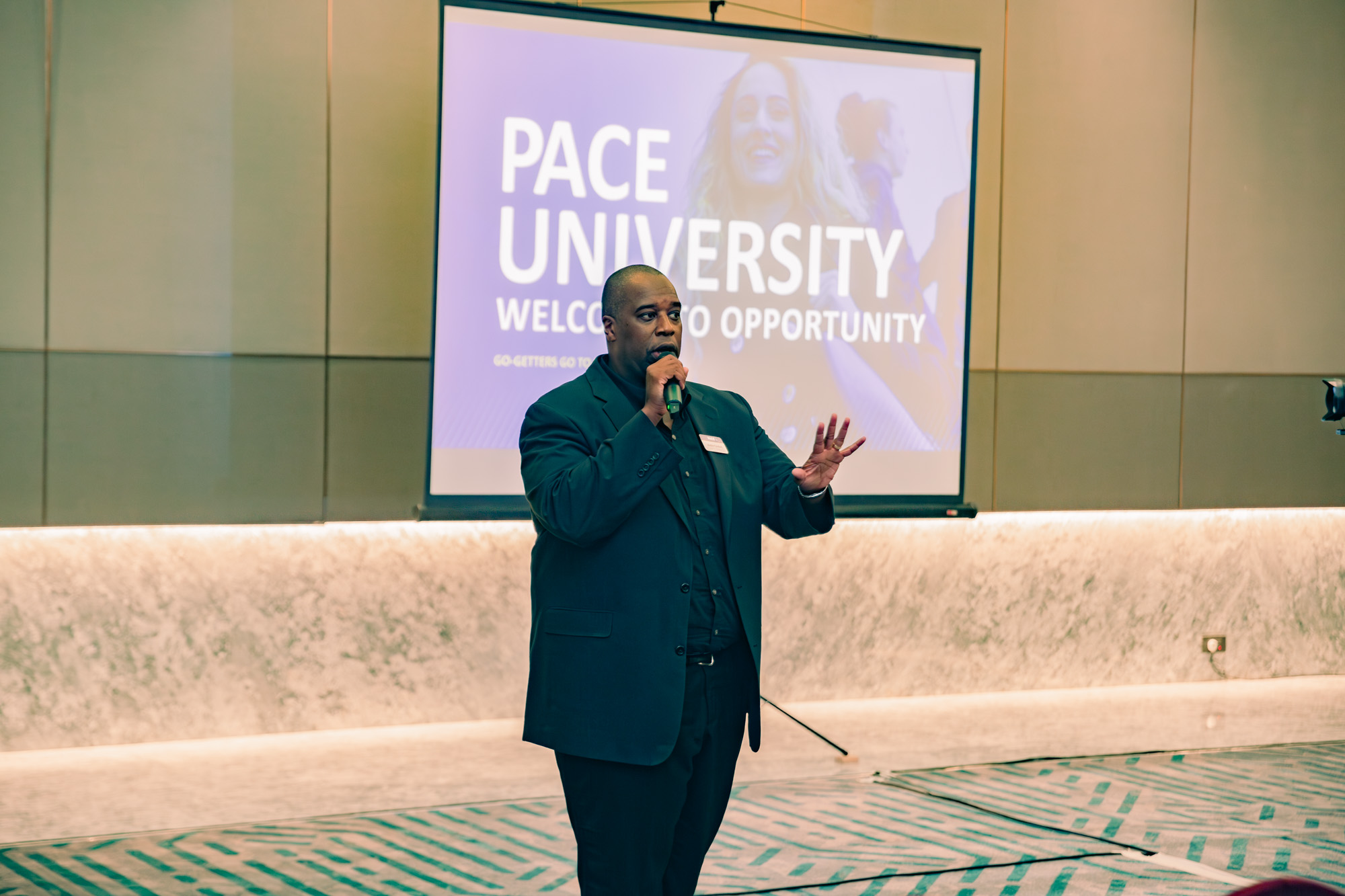
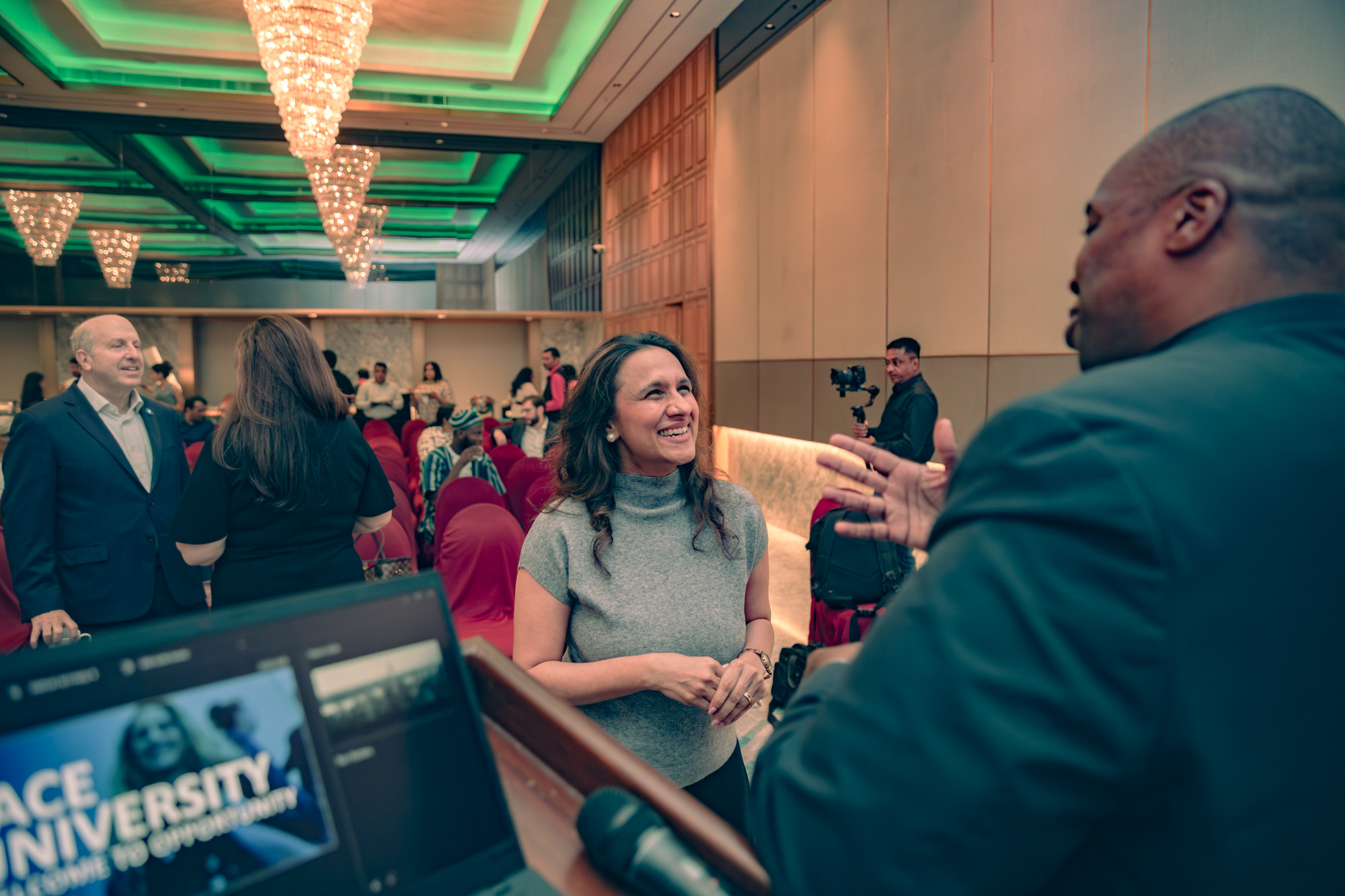
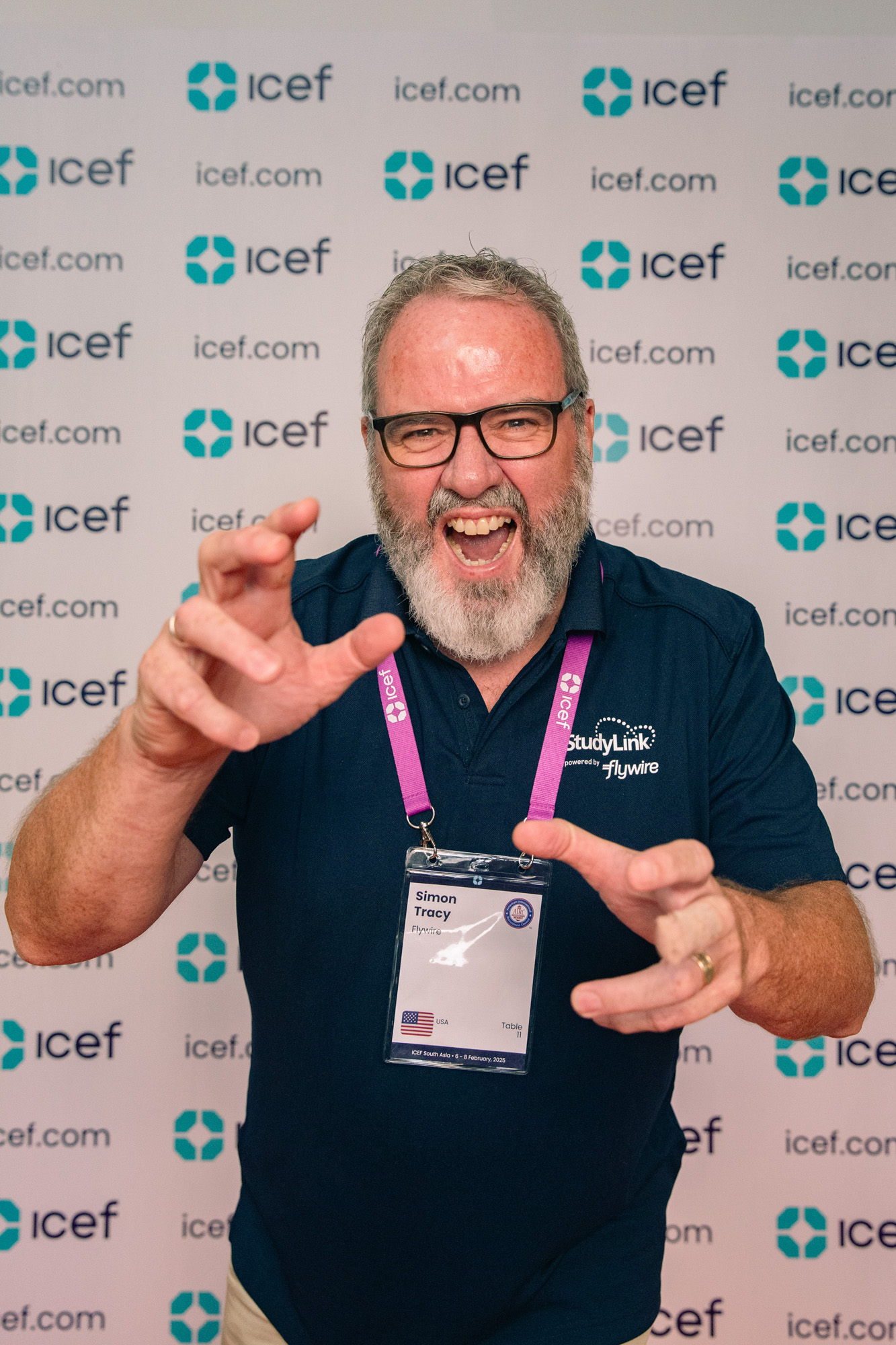
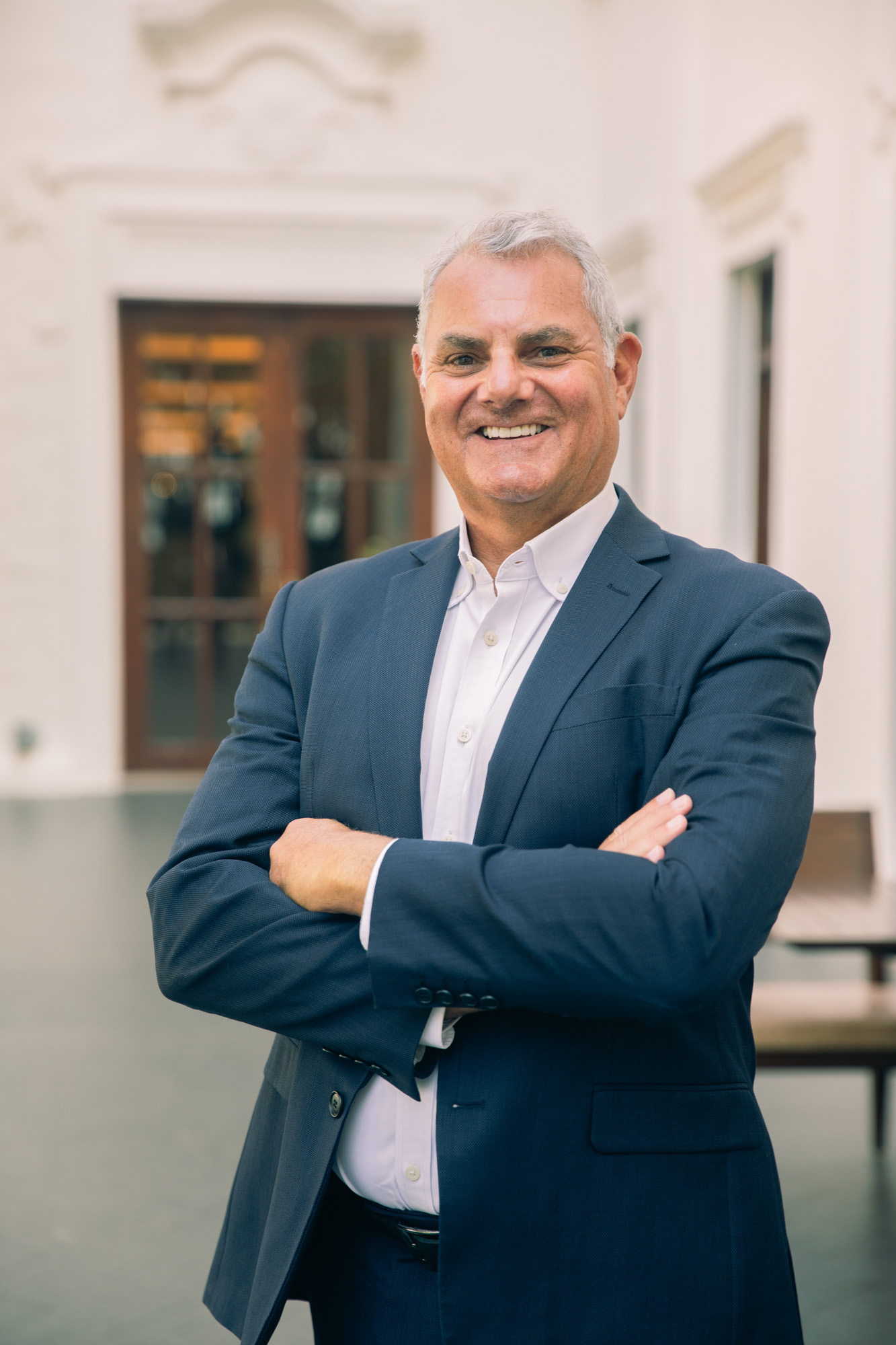
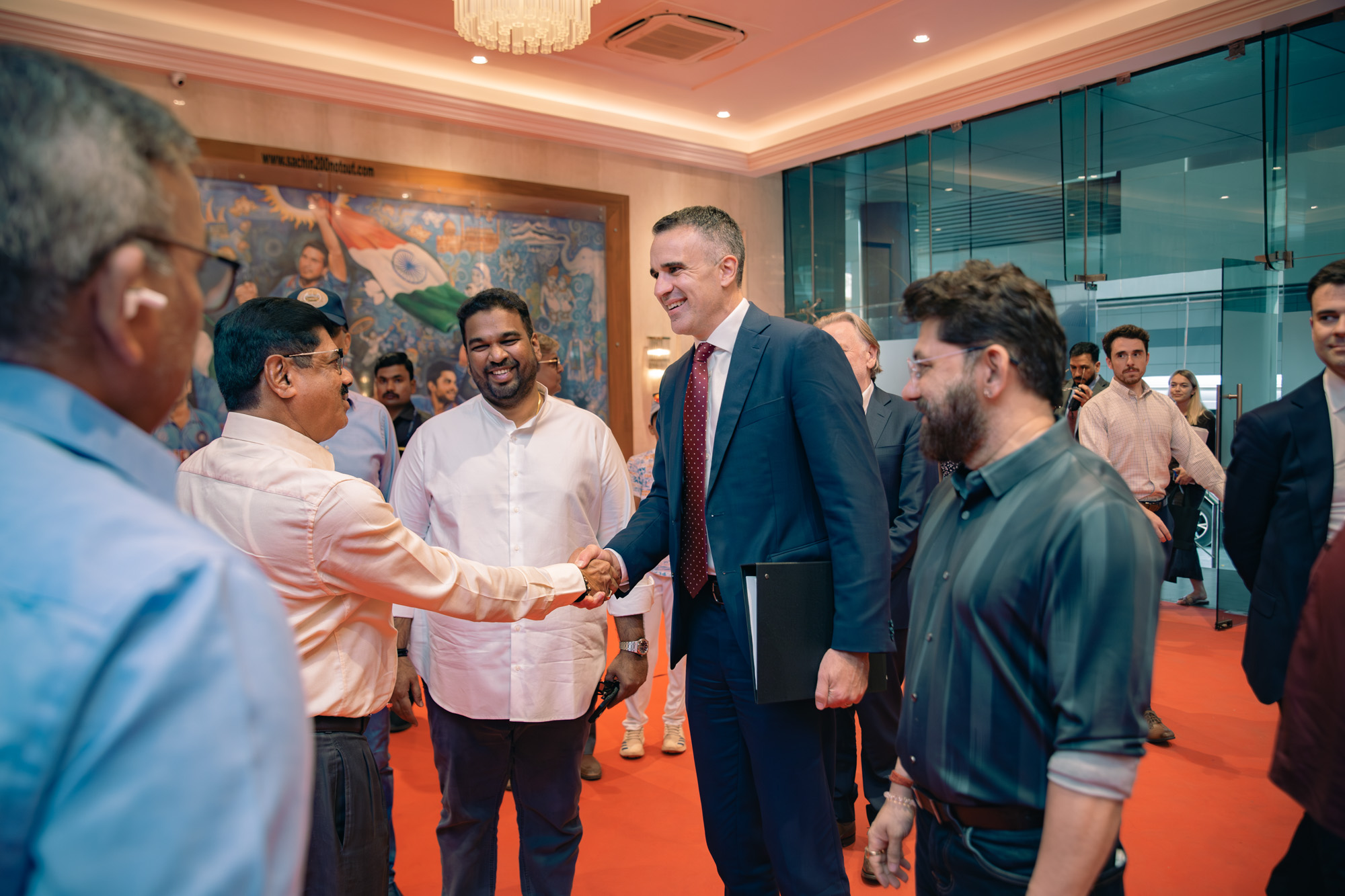
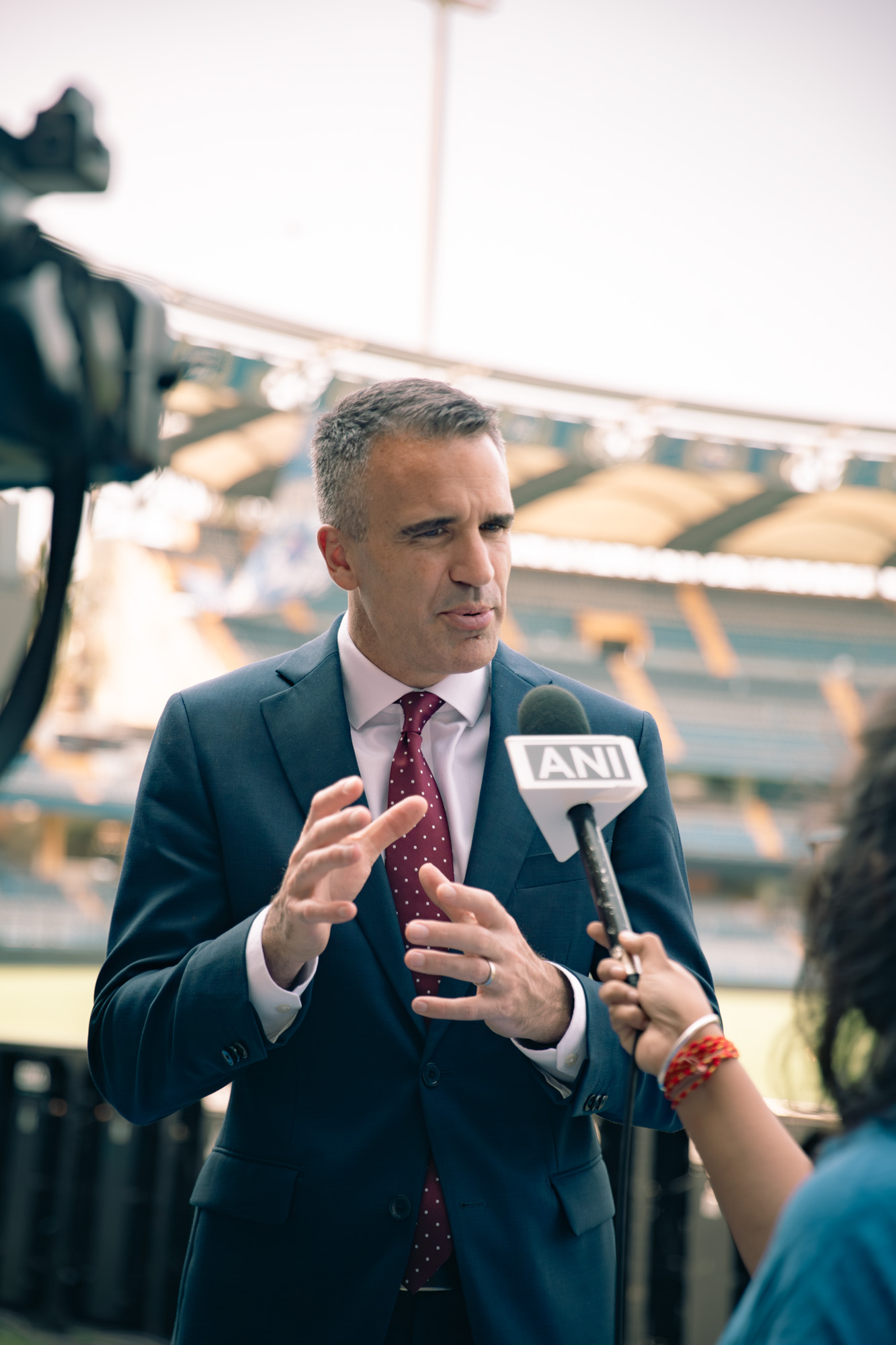
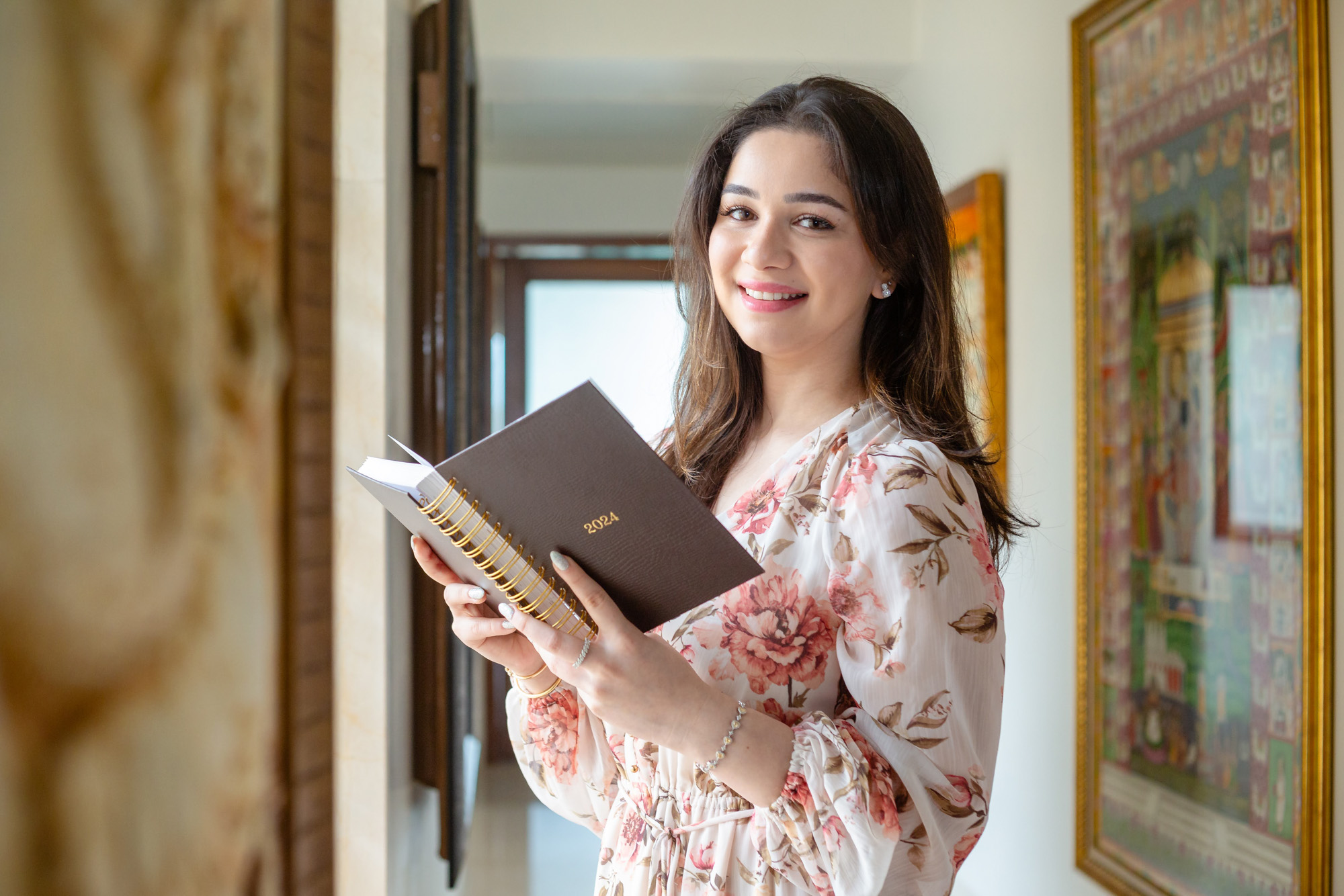
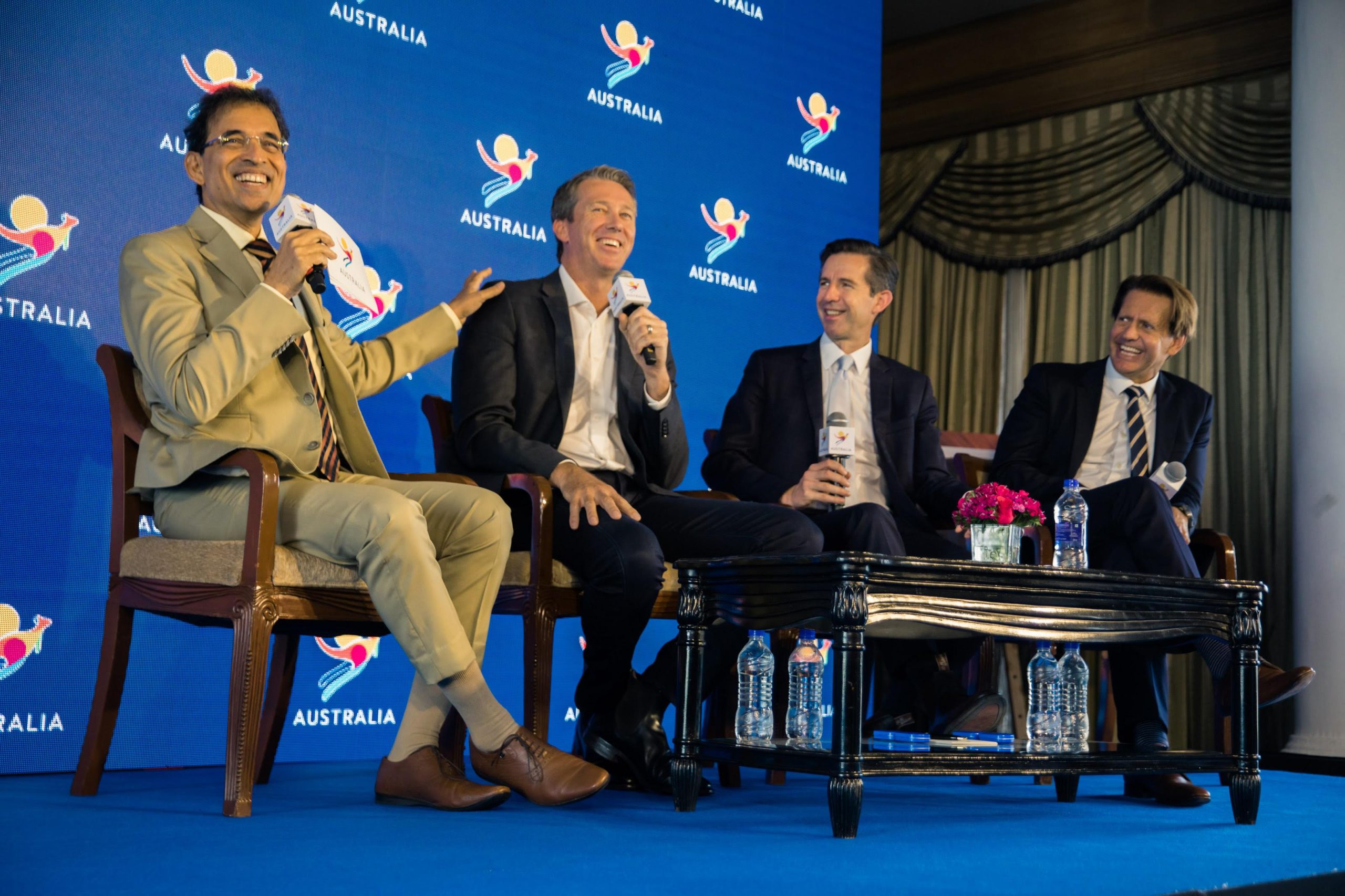
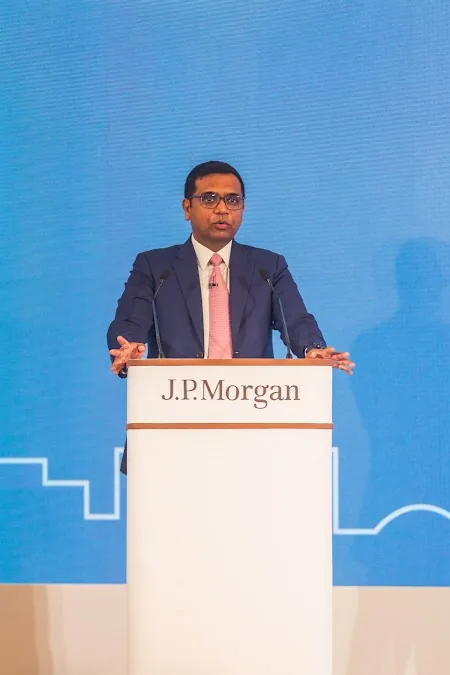
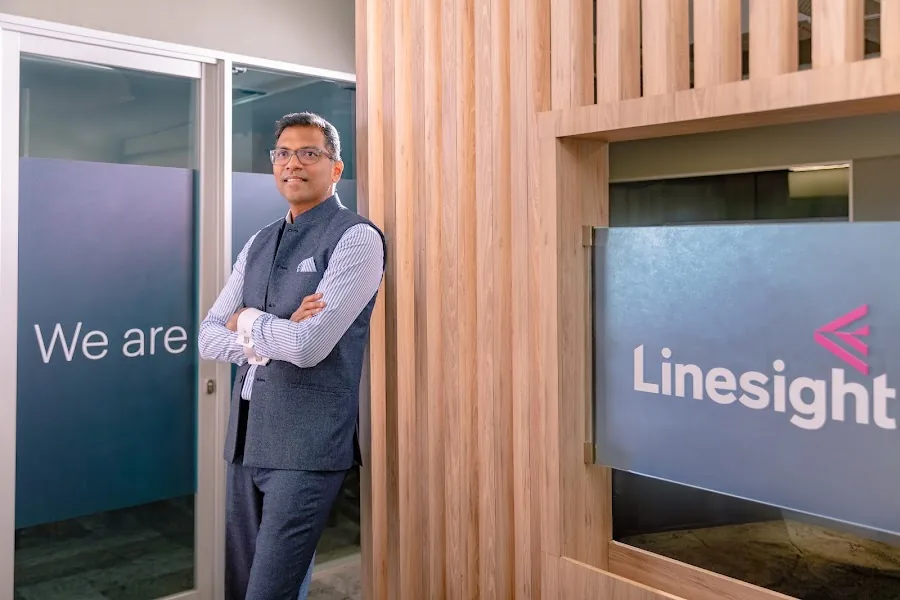
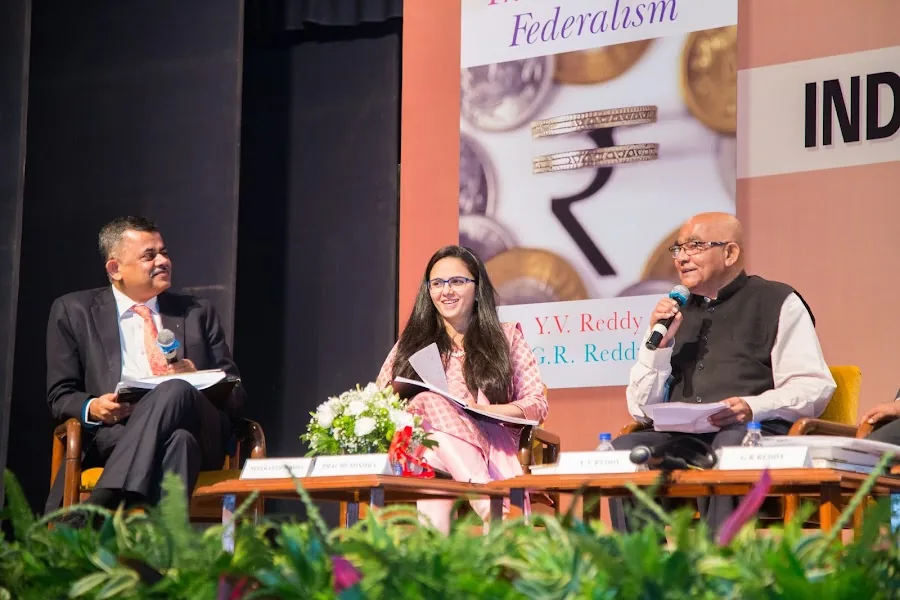
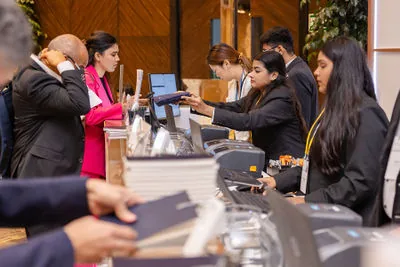
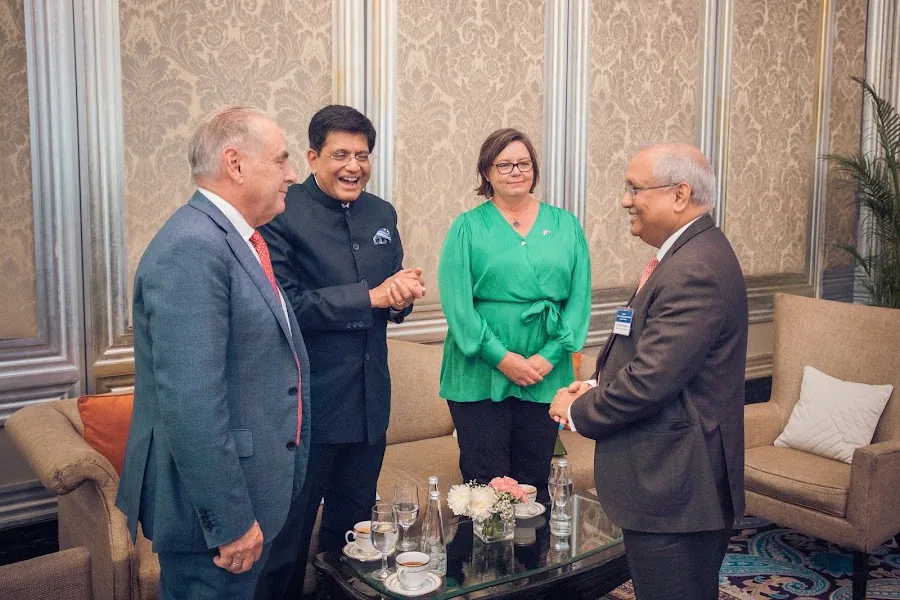
Use one interview frame and one supporting B-roll frame from the same story. Together they demonstrate the production method.
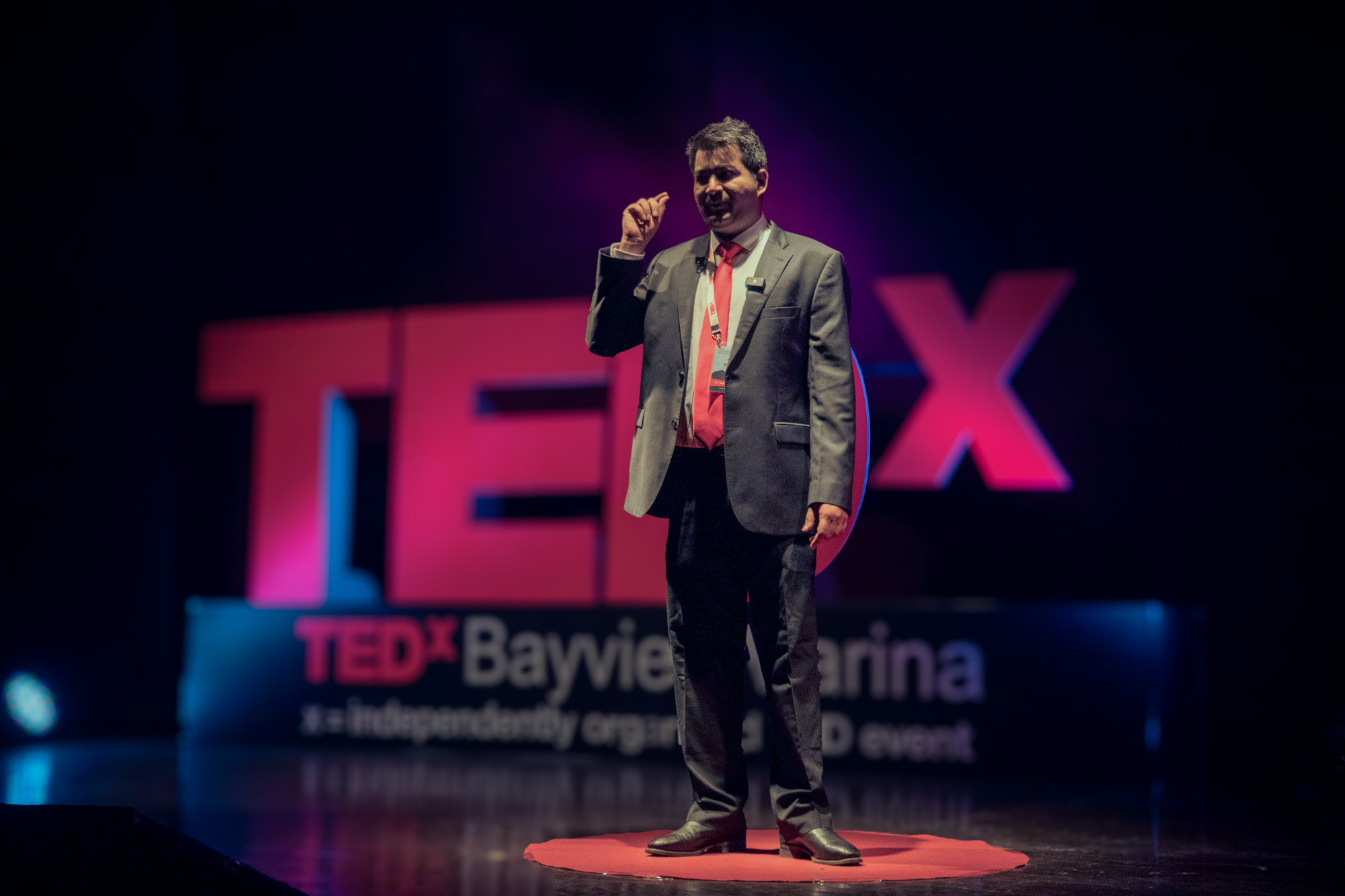
TAT field note
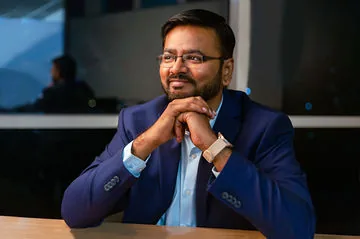
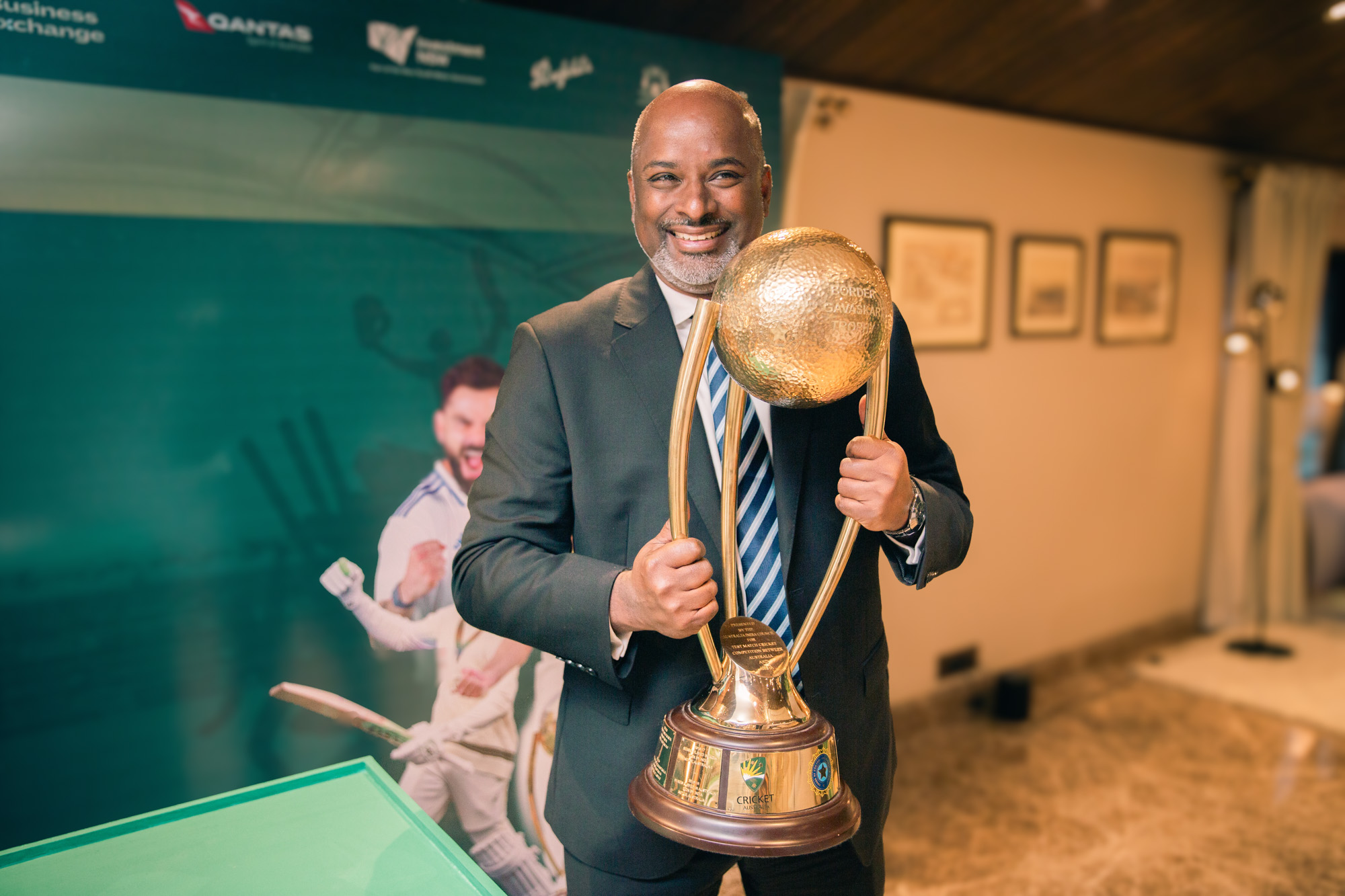
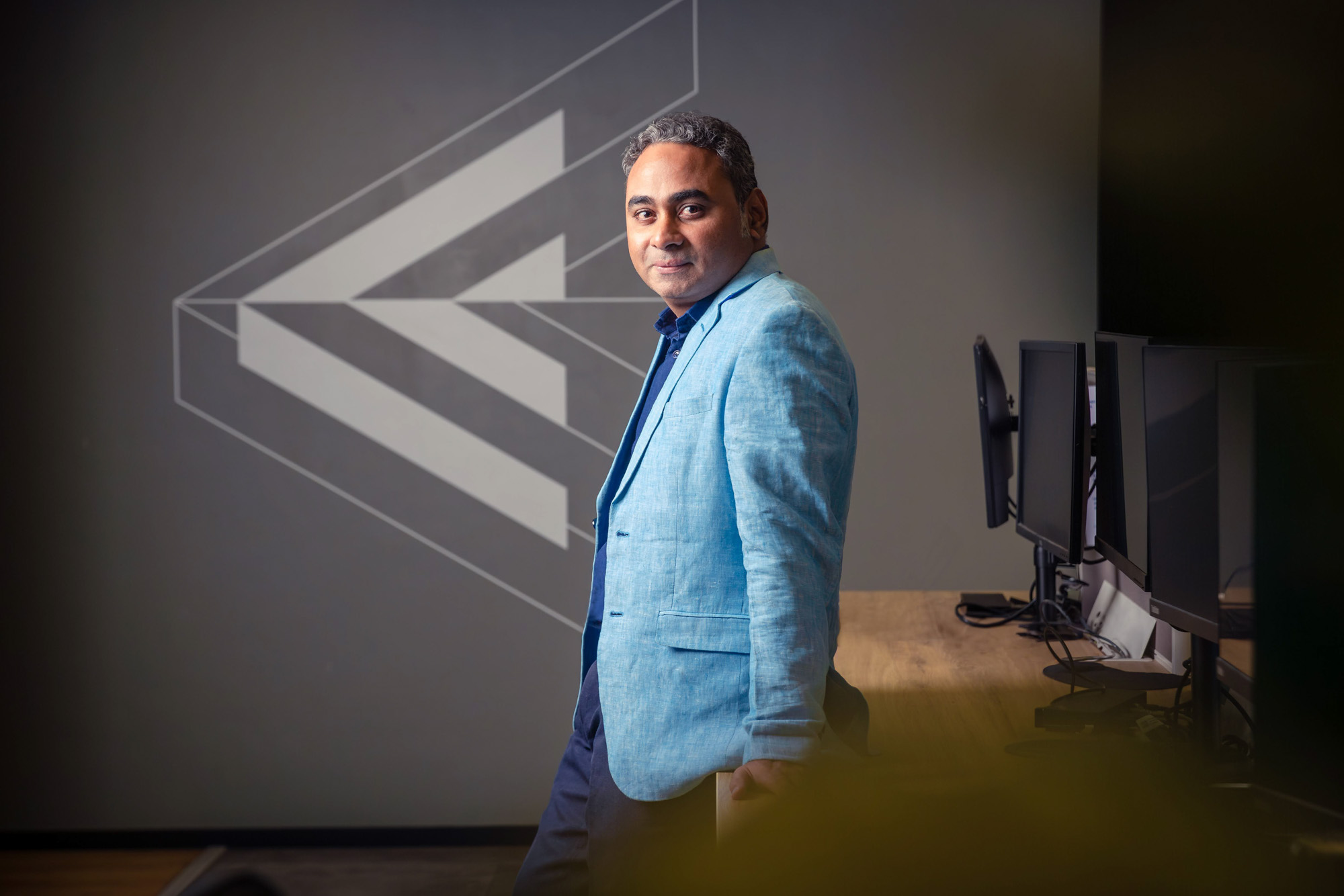
Dr Vijay Patil: one voice, a wider institutional story.
TAT’s published films include an Australia Alumni Champions interview with Dr Vijay Patil. It is a useful model for turning a person’s perspective into an institutional communication asset.
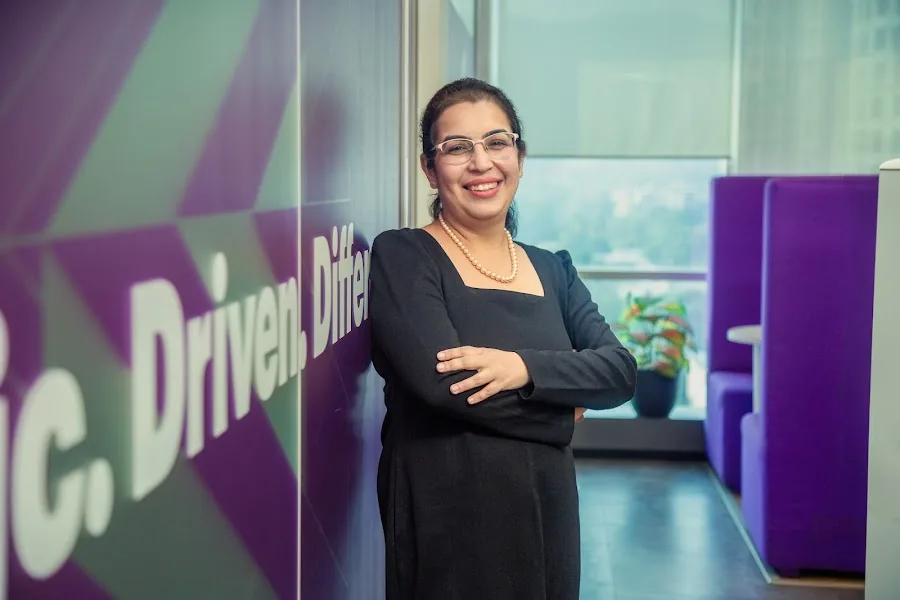
A credible individual carries the story through experience rather than a corporate voice-over.
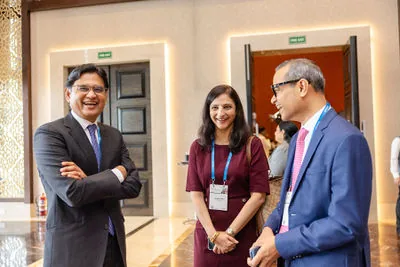
Camera, eyeline, sound and supporting visuals must make the speaker comfortable and the film authoritative.
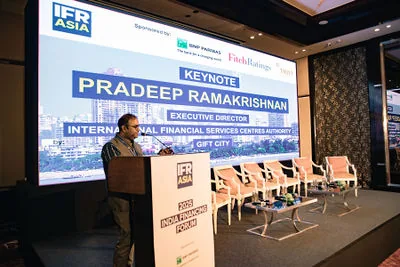
One interview can support a hero film, shorter quotes, vertical cuts and internal or partner communication.
Decision table
Choose the testimonial format by use case.
The same interview can support several assets when those outputs are planned before filming.
| Use case | Best speaker | Useful length | Supporting footage |
|---|---|---|---|
| B2B customer proof | Client decision-maker or user | 60–180 seconds | Implementation, team, product and environment |
| Leadership endorsement | Executive or partner | 45–120 seconds | Event, organisation and relationship context |
| Alumni or community story | Participant or beneficiary | 90–240 seconds | Programme moments, archive and present-day context |
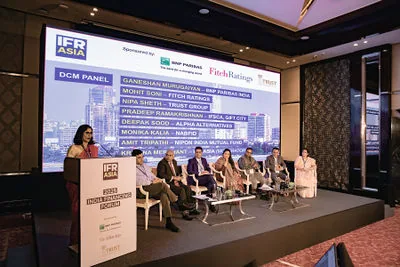
| Event-byte series | Speakers, delegates or guests | 20–60 seconds each | Event atmosphere and branded details |
Three questions to remove from the interview sheet.
They produce broad, predictable answers and force the edit to do too much repair.
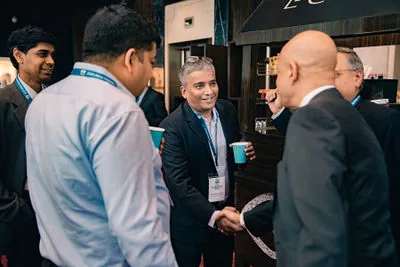
Ask for the speaker’s role in the specific decision or experience instead.
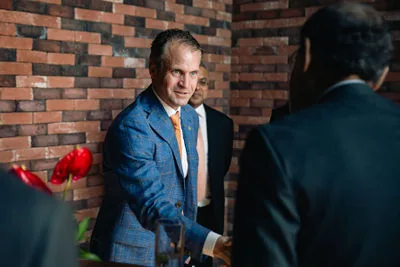
Ask what stood out, what changed and what they would tell a peer.
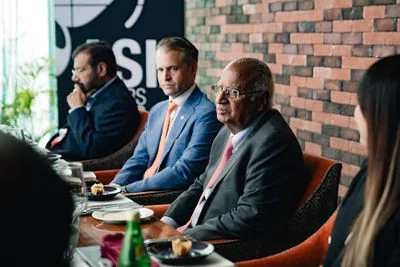
Use a focused closing prompt tied to the audience’s next decision.
Continue planning
Related corporate video resources and services.
Use these pages to move from one production decision to the next without rebuilding the brief from scratch.
People Also Ask
Direct answers to the questions buyers usually ask.
The first sentence answers the question; the rest adds practical context.
01How long should a corporate testimonial video be?
A focused testimonial is often strongest at 60 to 180 seconds. Longer versions work when the buyer needs a detailed case-study narrative.
02Should the speaker memorise a script?
Usually no. A pre-interview and structured prompts produce more credible language. Scripted opening or legal statements can be handled separately.
03How many questions should we ask?
Prepare roughly eight to twelve focused prompts, but prioritise the story rather than completing every question.
04Do testimonial videos need two cameras?
Two angles are useful for longer interviews, natural edits and higher-value productions. One carefully planned camera can work for short, controlled pieces.
05Can the client approve their own quotes?
Yes. Agree the approval process before filming, especially for claims, confidential information, titles and company representation.
06What B-roll should accompany a testimonial?
Capture the speaker in context, the product or service in use, relevant team interactions, environment, details and any event or programme evidence connected to the story.
Turn this planning question into a workable production brief.
Share the shoot date, location, audience, programme, required deliverables, interview needs and delivery deadline. We will recommend the smallest team that can execute it properly.
From global conferences to trade missions and corporate events across India.