
Briefing toolkit · corporate video
A good video brief tells the crew what must change for the viewer—not just what must be filmed.
Use this framework to brief corporate films, leadership interviews, conferences, testimonials, event highlights and social cutdowns without writing a miniature screenplay.
The goal is not a longer document. It is a brief that lets production make correct decisions about story, access, crew, audio, schedule, formats and delivery.
Brief structure
Write the brief in the order production will use it.
Start with business context. Cameras and editing choices come after the reason the film exists.

Why this film
The business situation, audience and desired response.
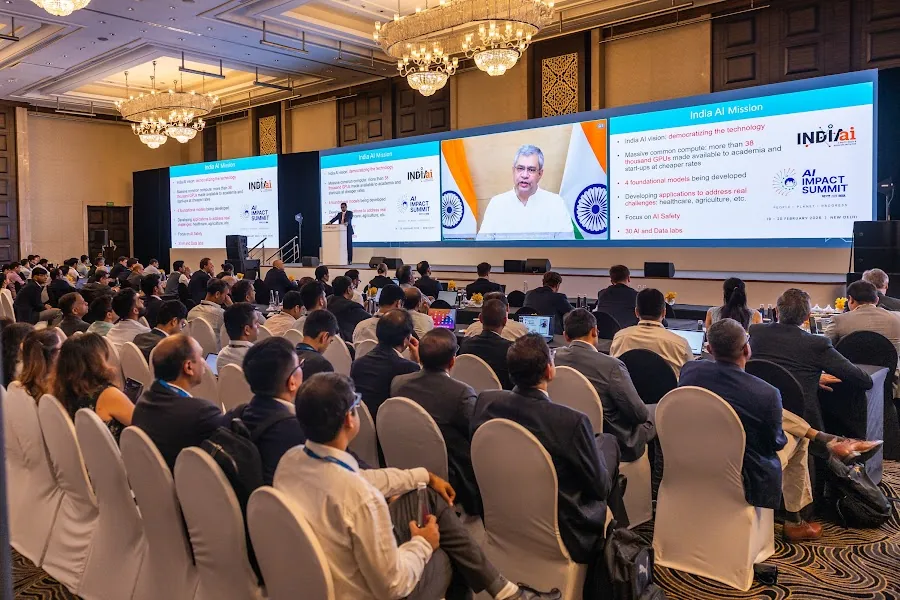
What proves it
Speakers, moments, evidence, locations and brand context.

What must be delivered
Hero film, reels, interviews, programme files, captions and ratios.

How decisions happen
Dates, owners, review rounds, legal checks and final approval.
Avoid vague requests
Replace these four phrases with usable instructions.
Production teams cannot accurately price or plan adjectives without evidence.
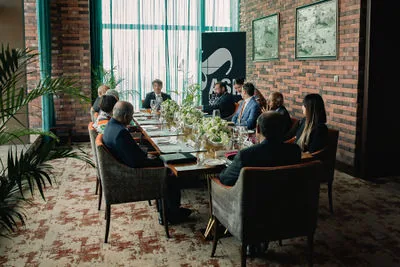
“Make it cinematic”
Share references and explain whether you mean lighting, pace, sound, camera movement or emotional tone.
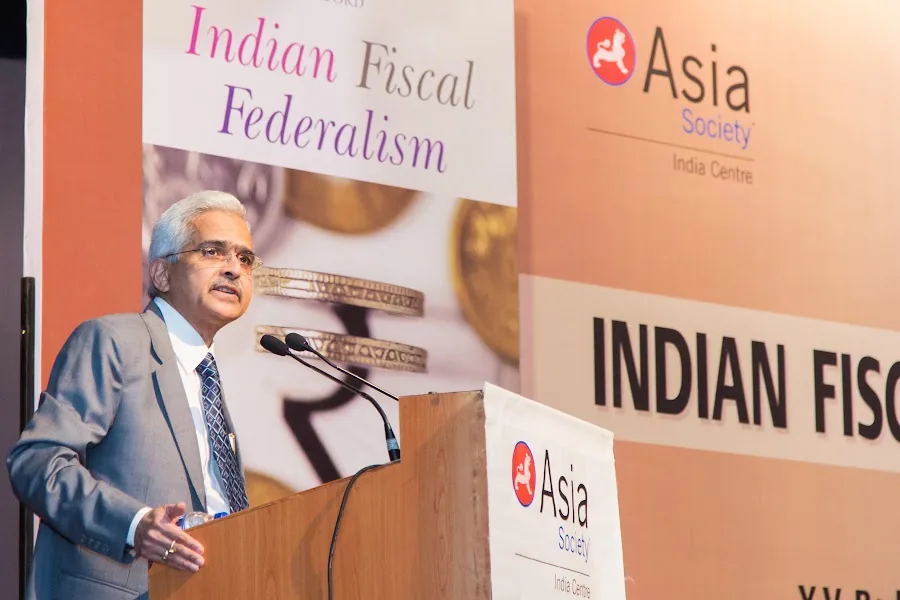
“Capture everything”
Rank the programme, people and moments that cannot be missed.
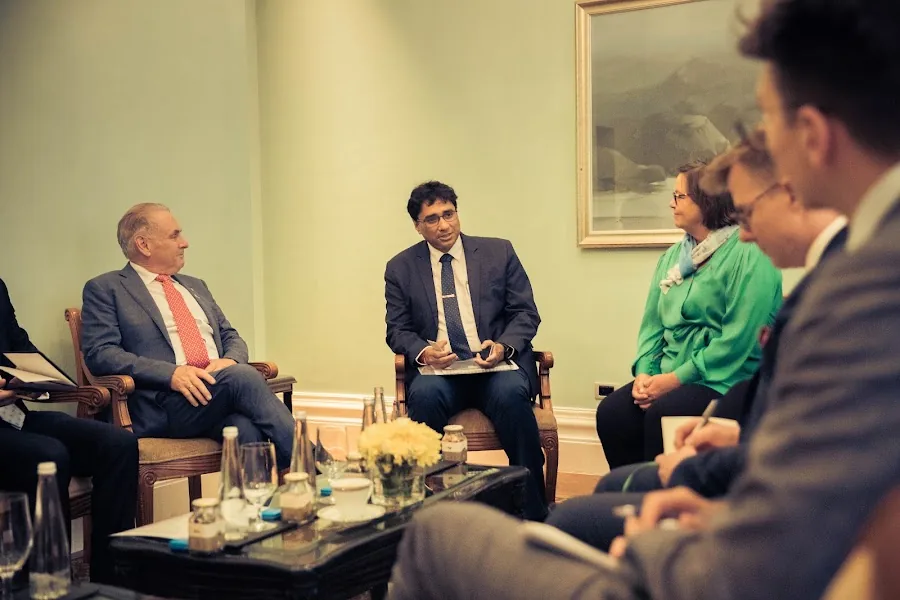
“We need social media content”
Name platforms, ratios, lengths, posting dates and whether captions are burned in.
“Quick delivery”
State the exact first asset, quantity, deadline and approver availability.























The useful answer
What should a corporate video brief contain?
The minimum useful brief contains objective, audience, message, proof, access, outputs, deadline, budget context and approval ownership.
Add a programme or interview list where relevant, along with confidentiality rules, mandatory brand elements and examples of what the film should not feel like. A good production partner can then challenge assumptions and recommend the smallest effective scope.
Brief builder
Turn an internal request into a production-ready document.
Five passes are usually enough.
Clarify
Interview the internal requester and identify the actual business need.
Prioritise
Separate must-have evidence and outputs from optional ideas.
Operationalise
Add dates, locations, speakers, programme, access and restrictions.
Format
Create an output matrix for lengths, platforms, captions and deadlines.

Approve
Get the budget owner, communications owner and legal reviewer aligned.
Visual proof block
Make the brief visual without turning it into a mood-board dump.
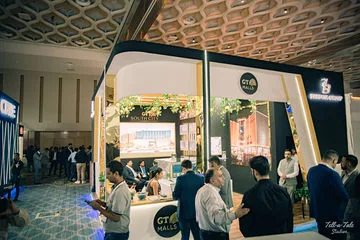
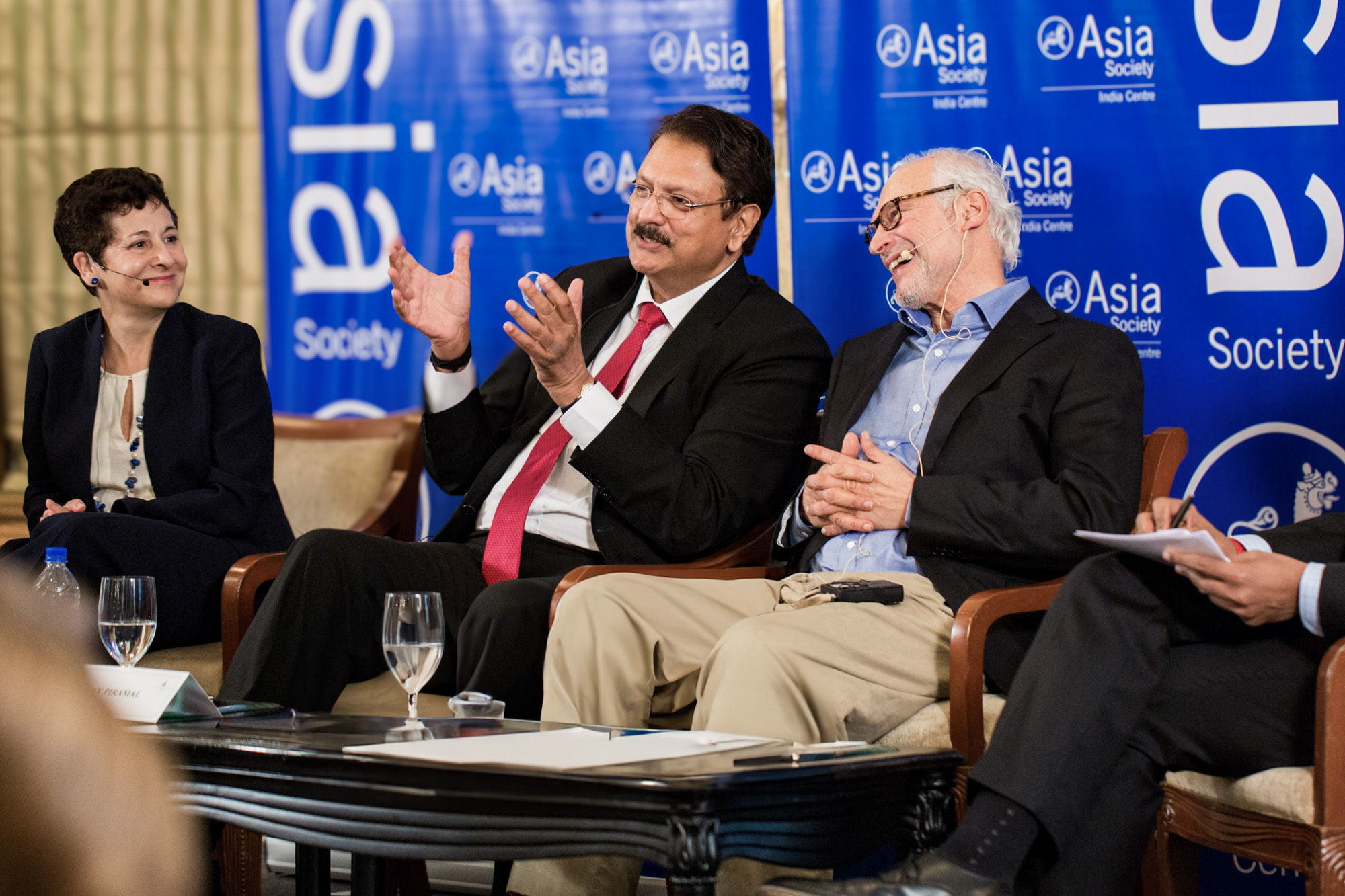
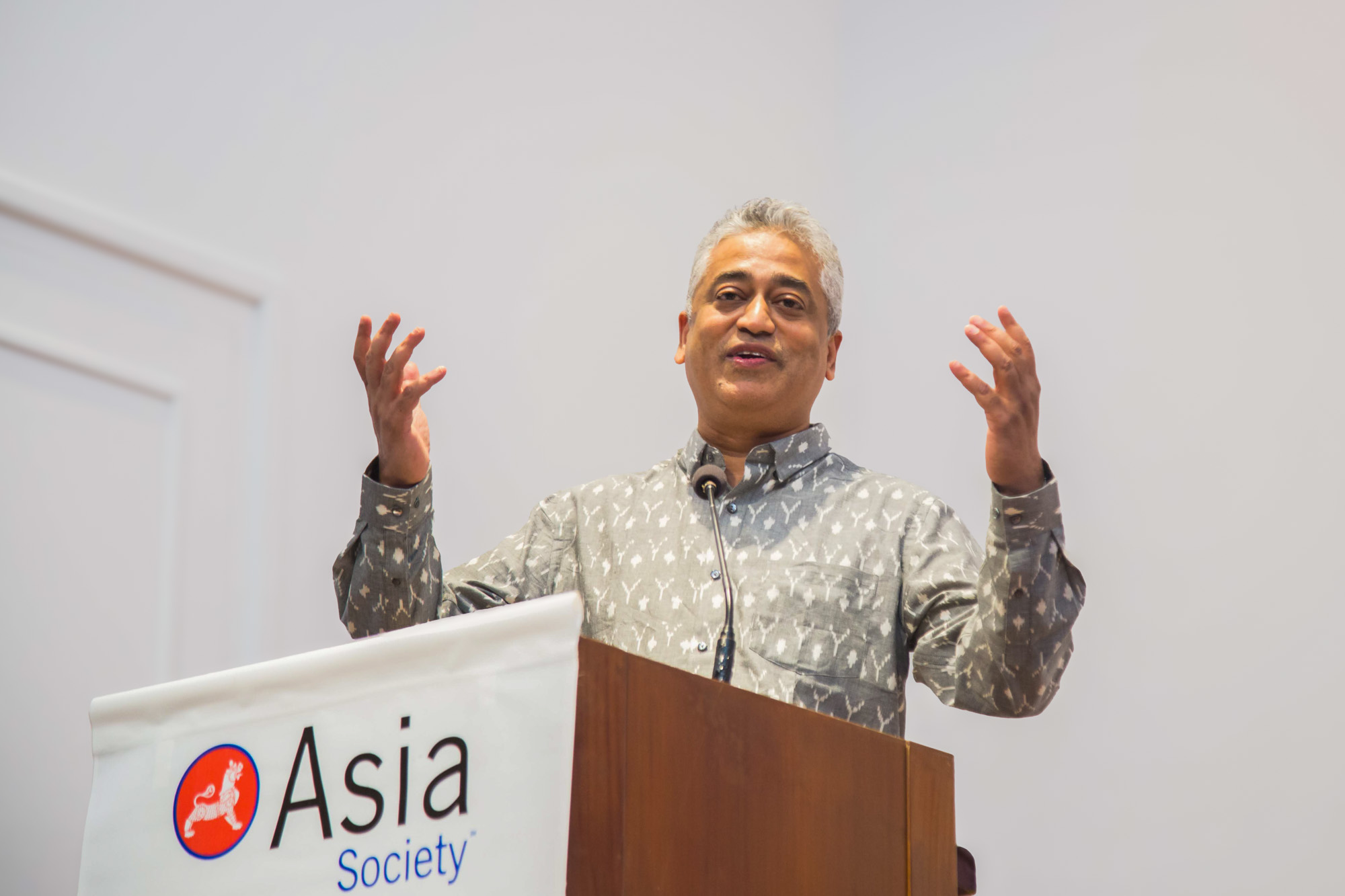
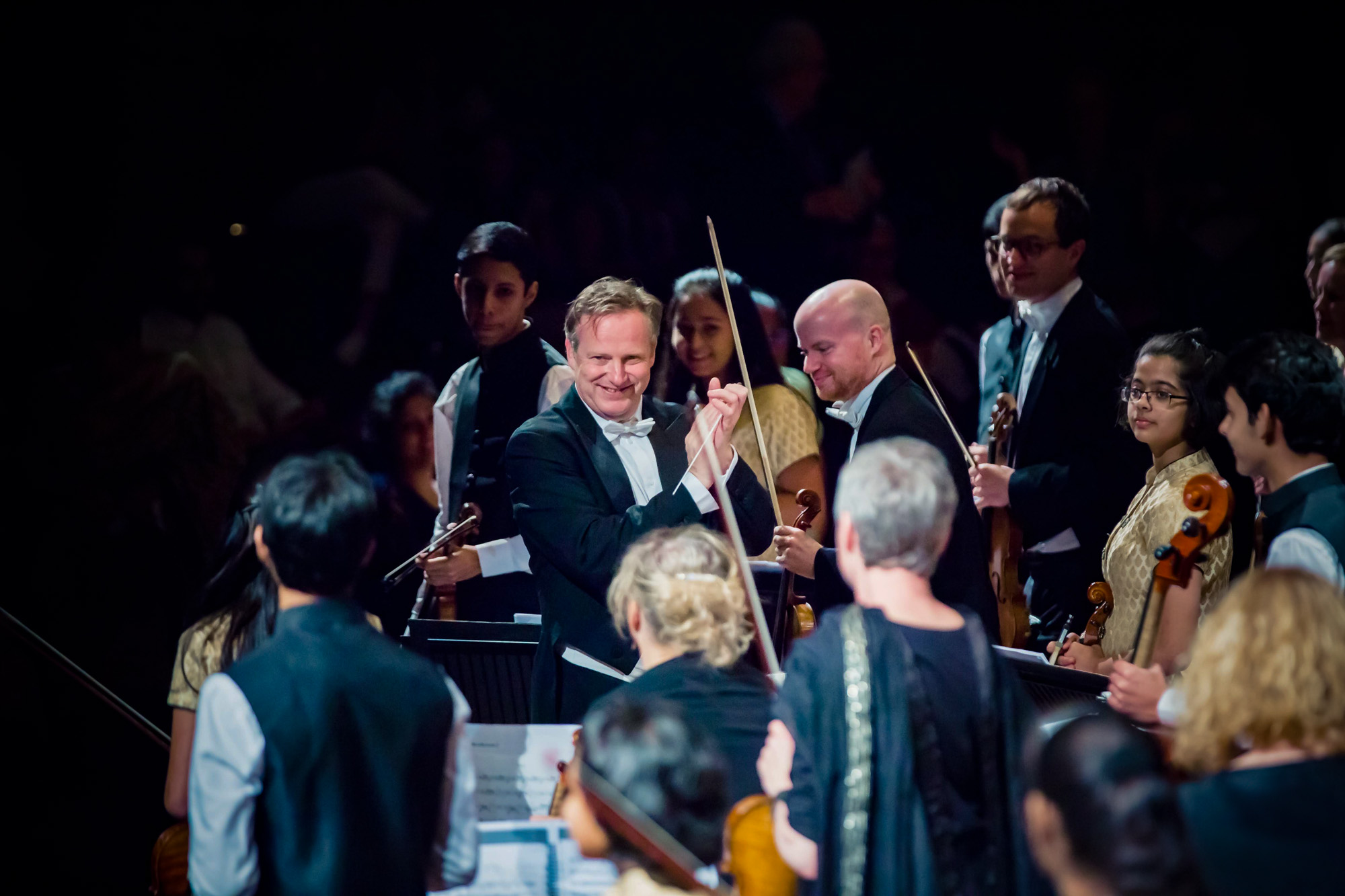
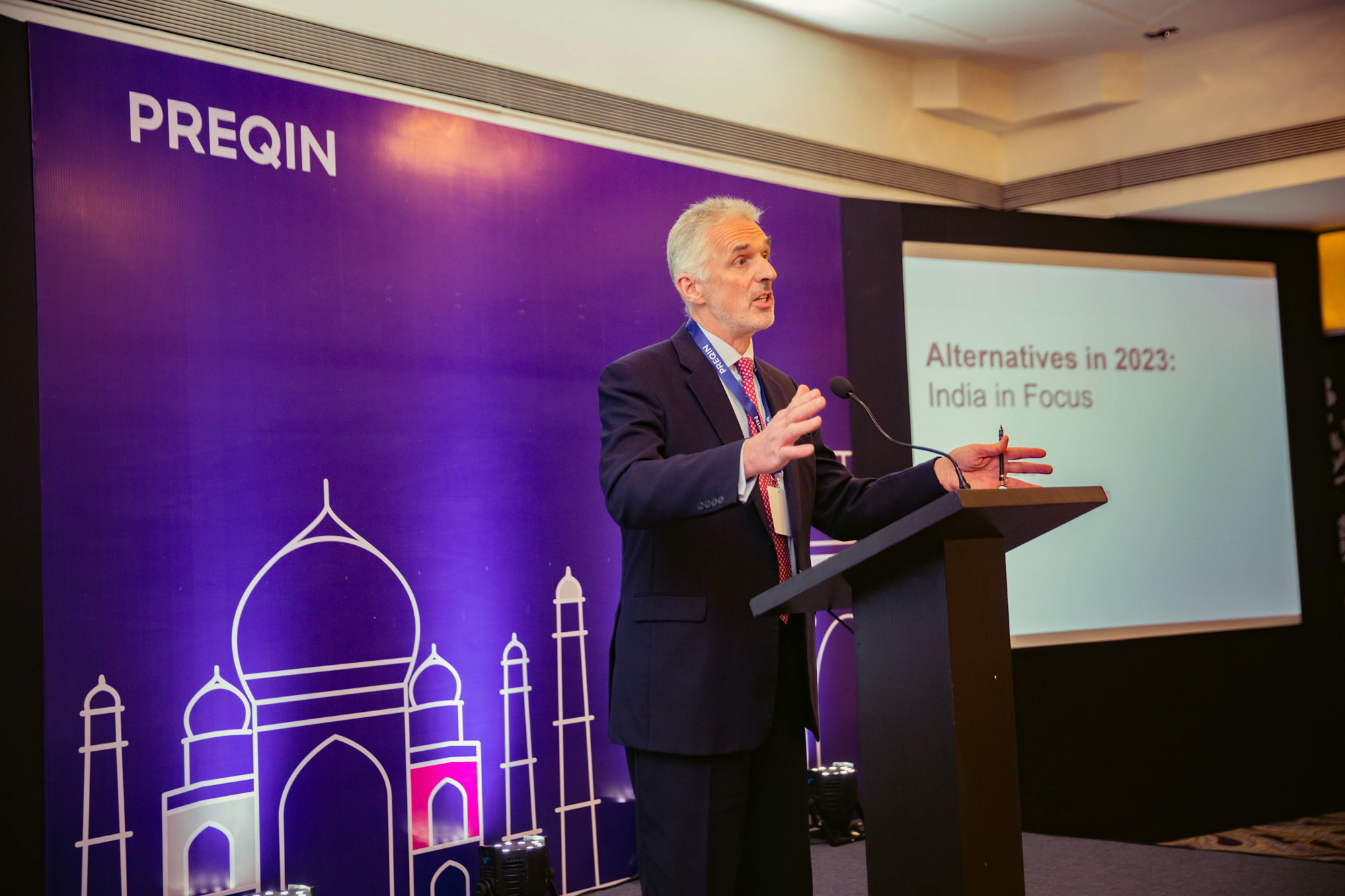
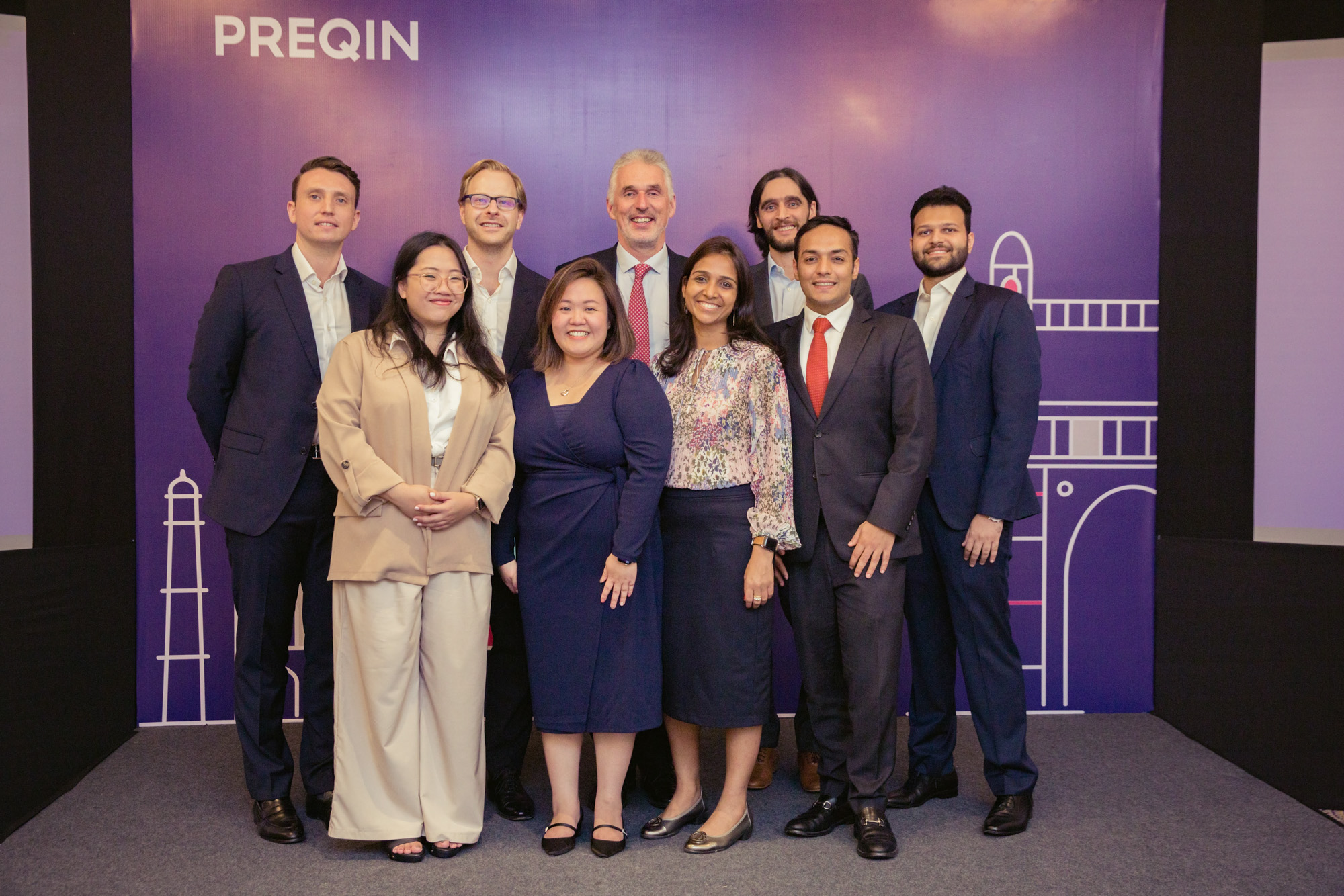
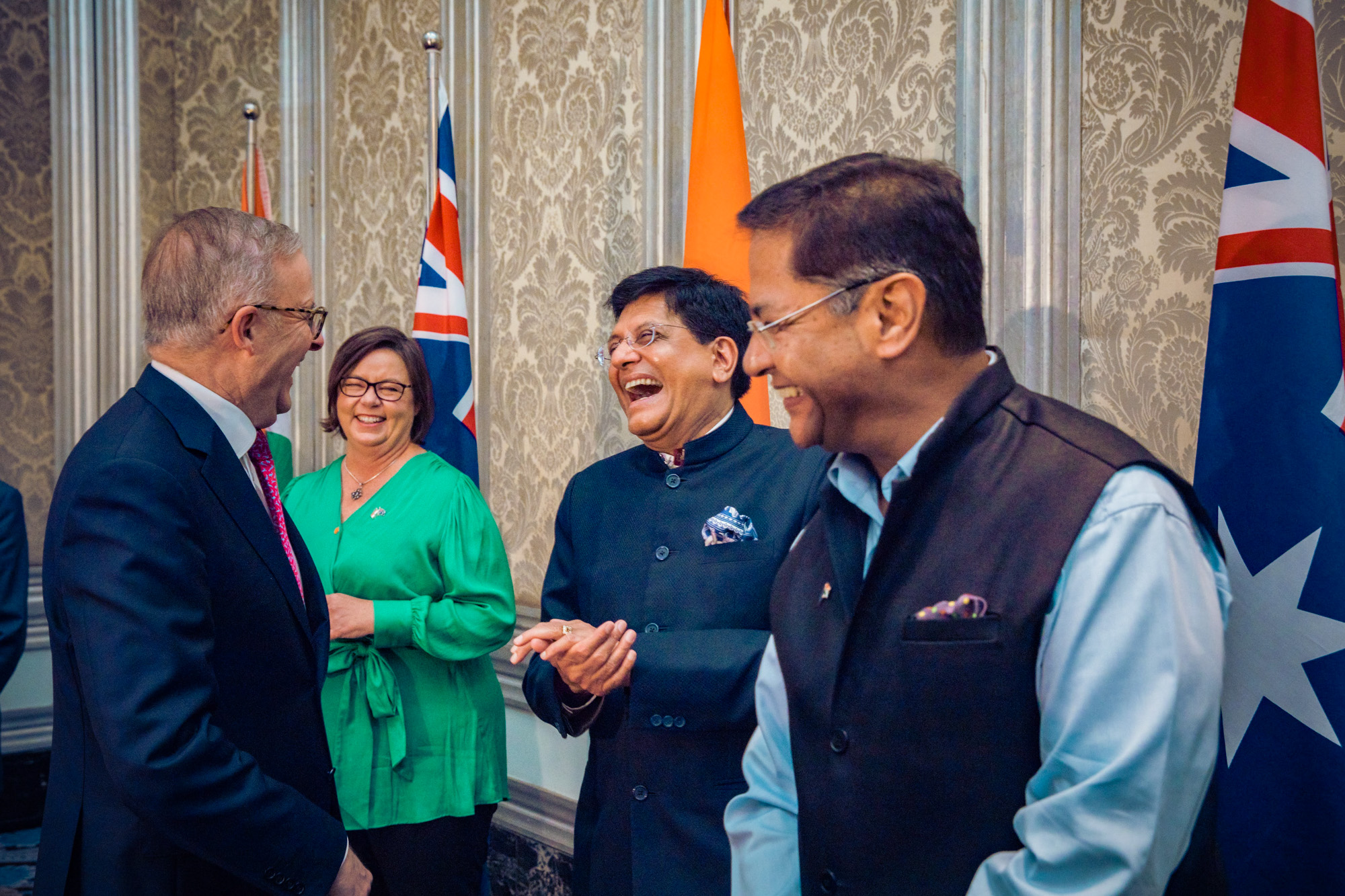
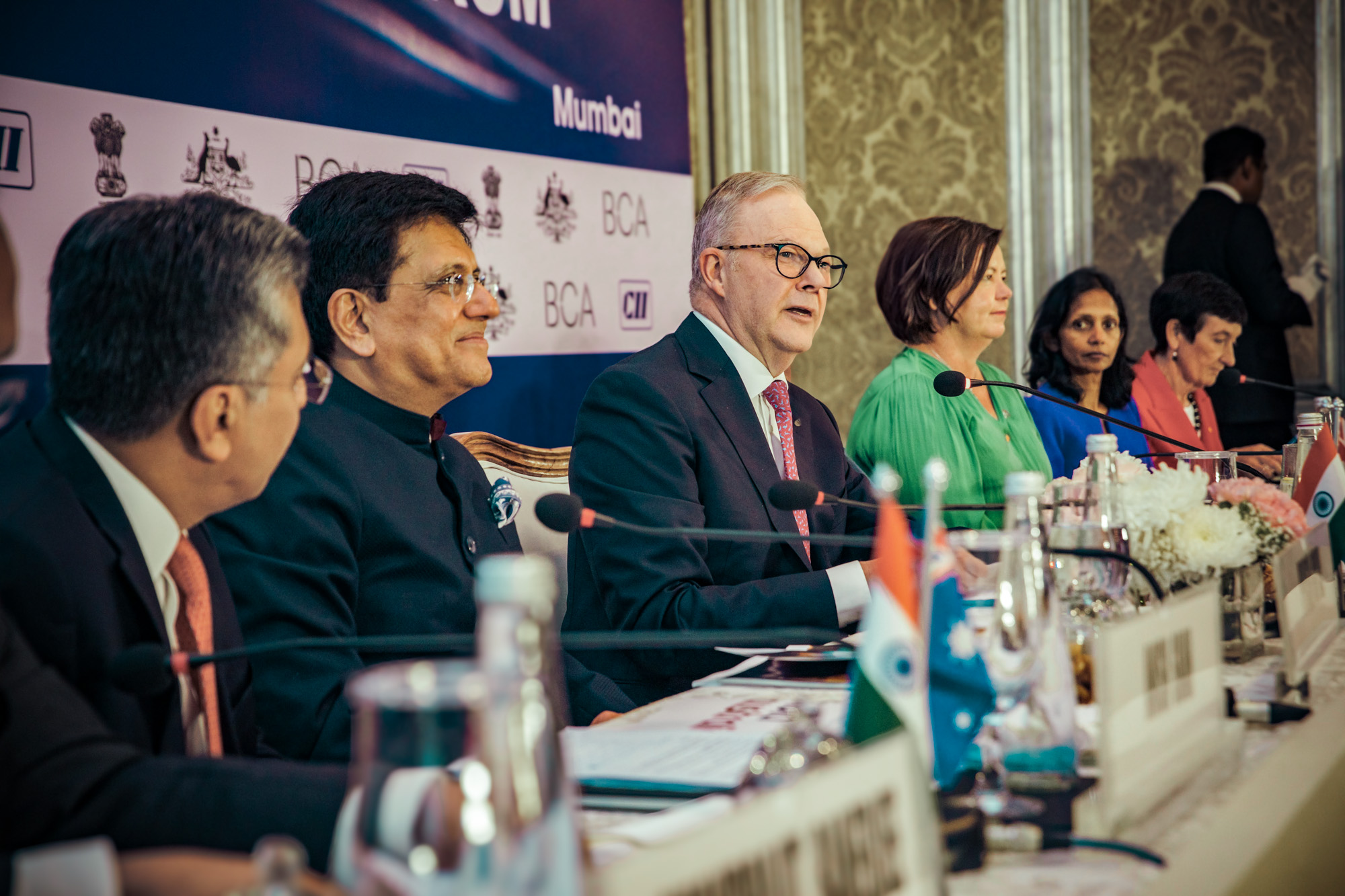
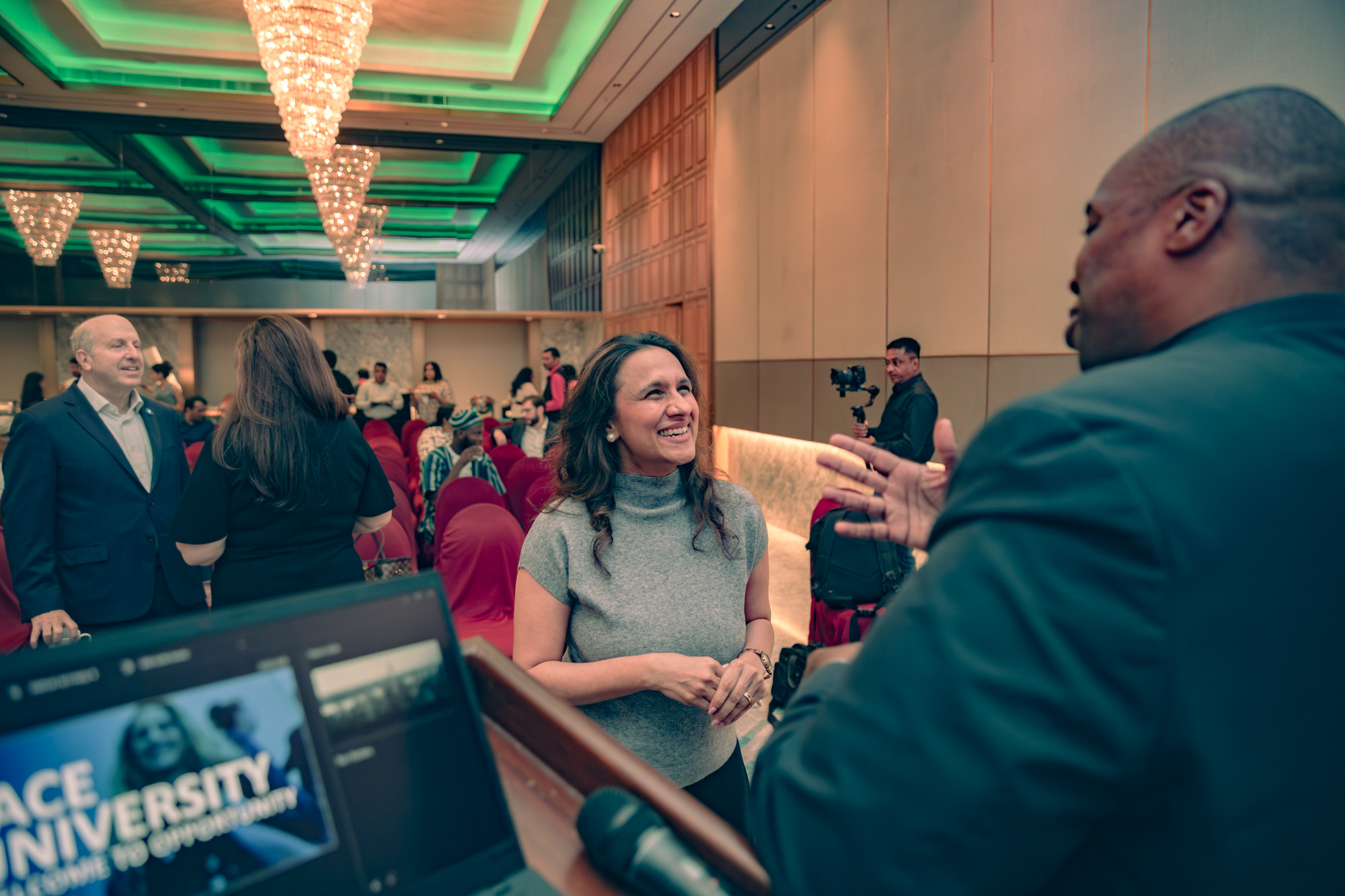
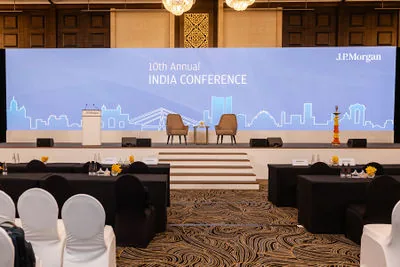
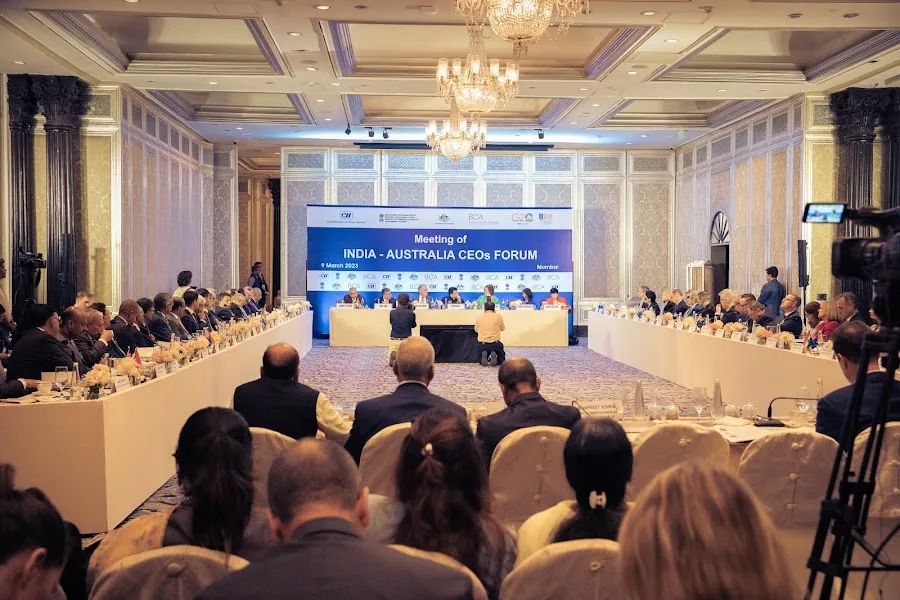
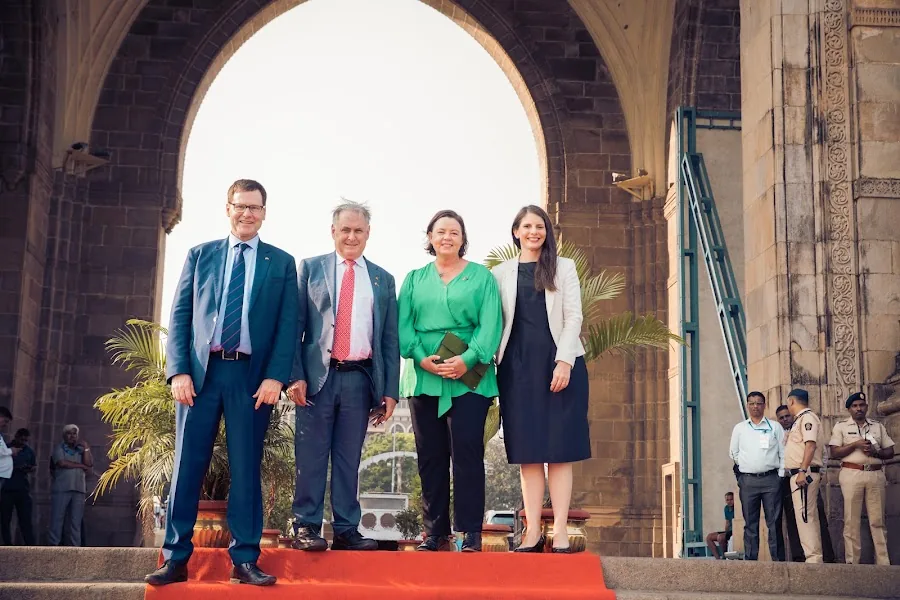
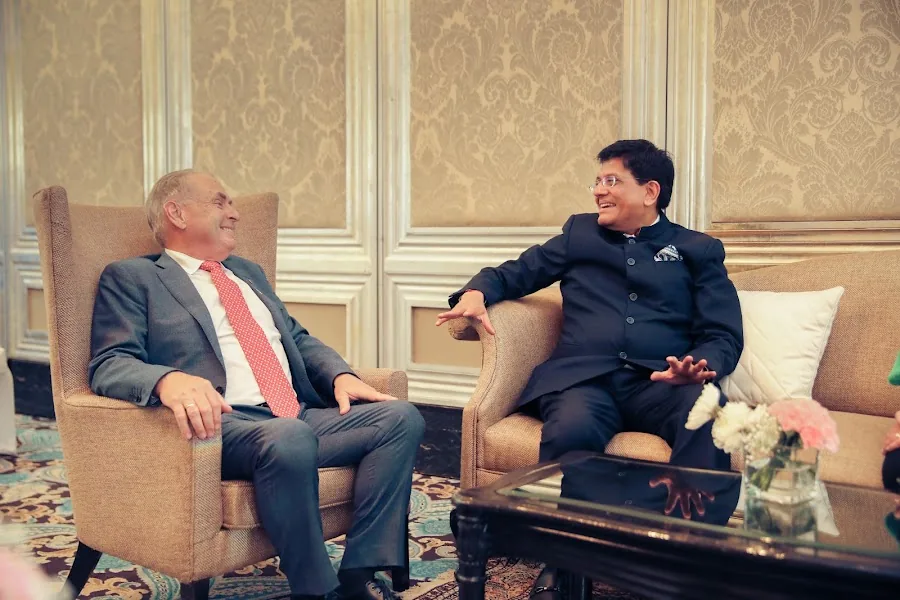
One reference frame and one real production document can clarify style and logistics more effectively than twenty unrelated links.
TAT field note
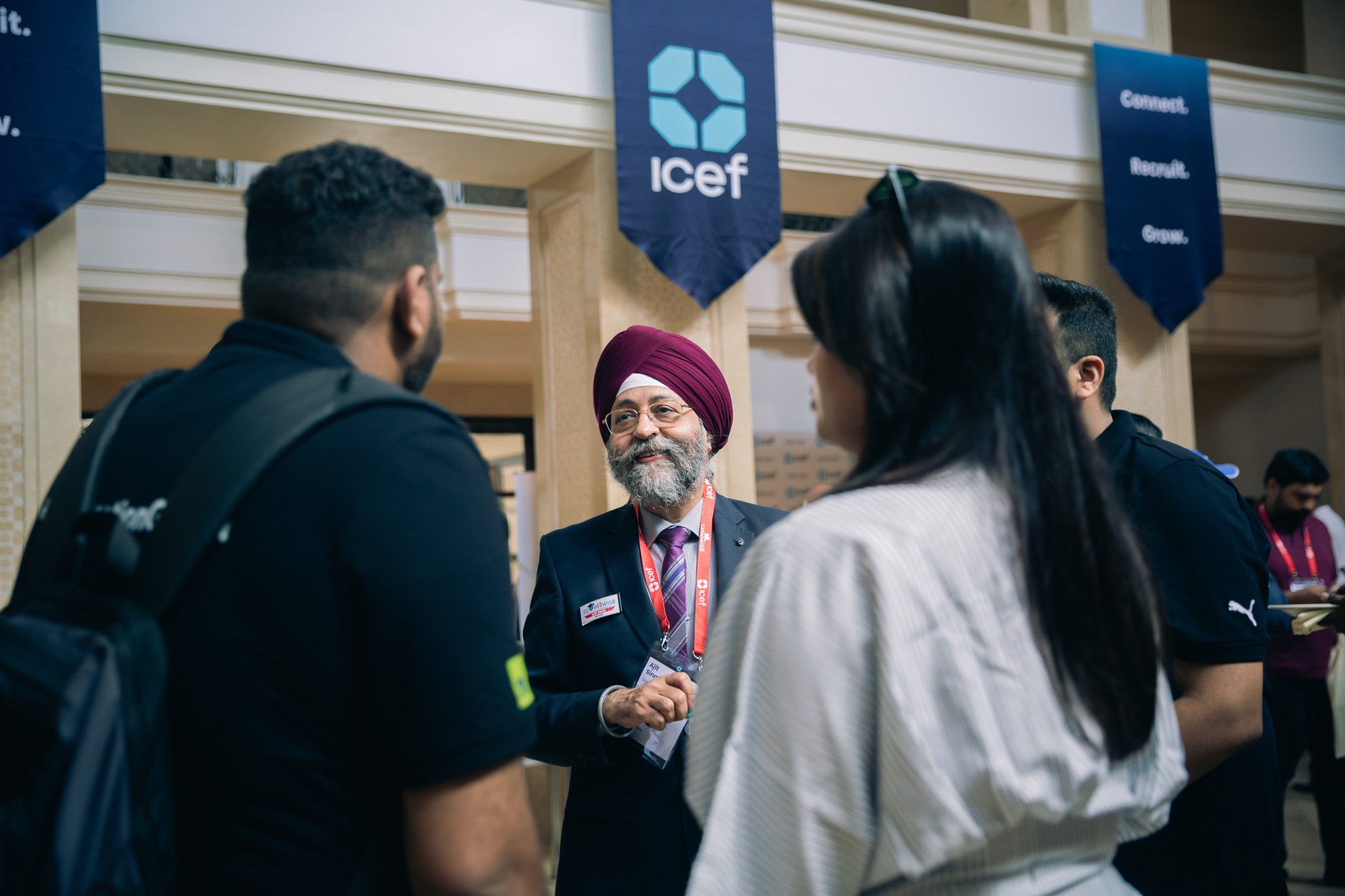
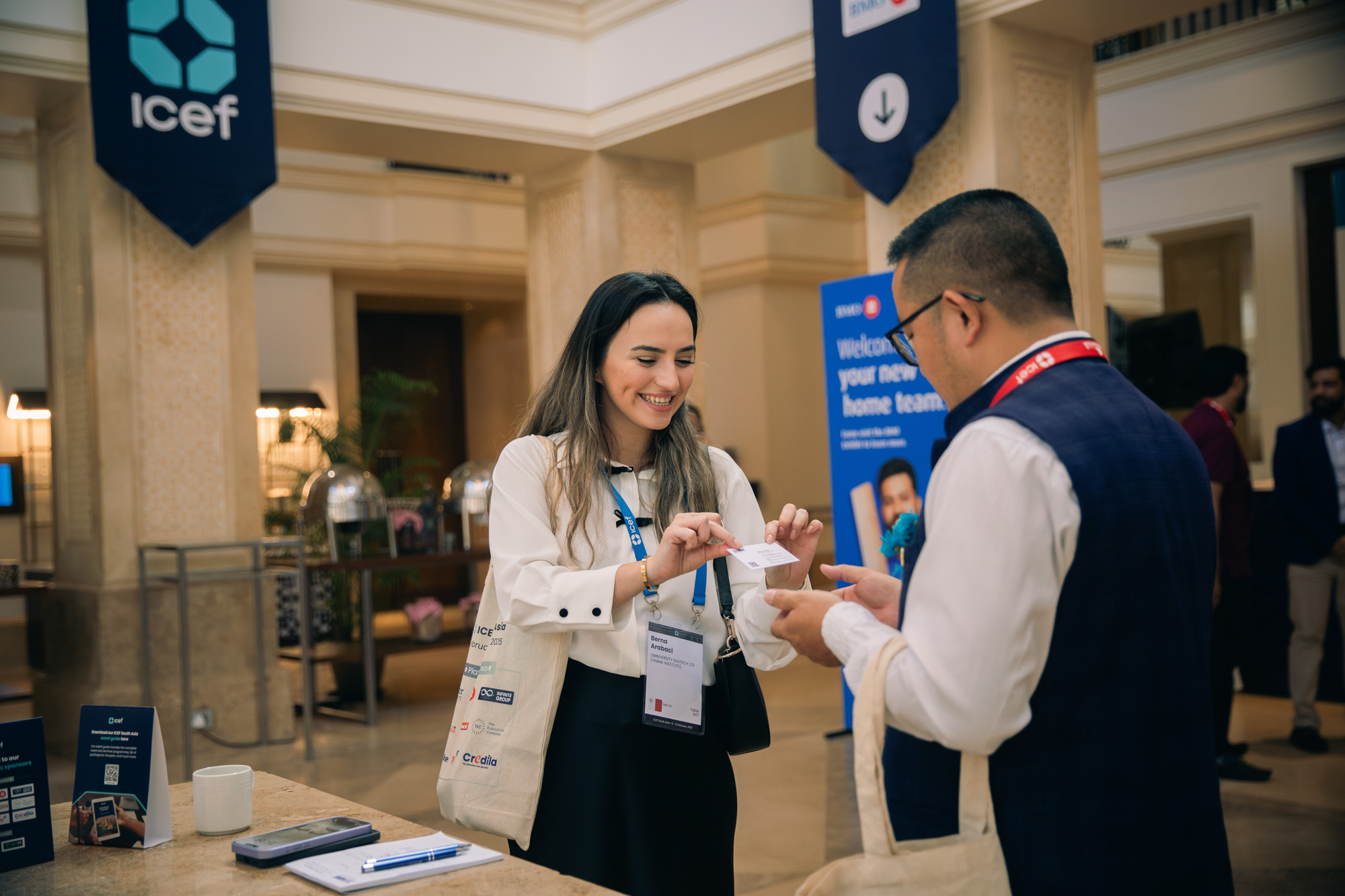
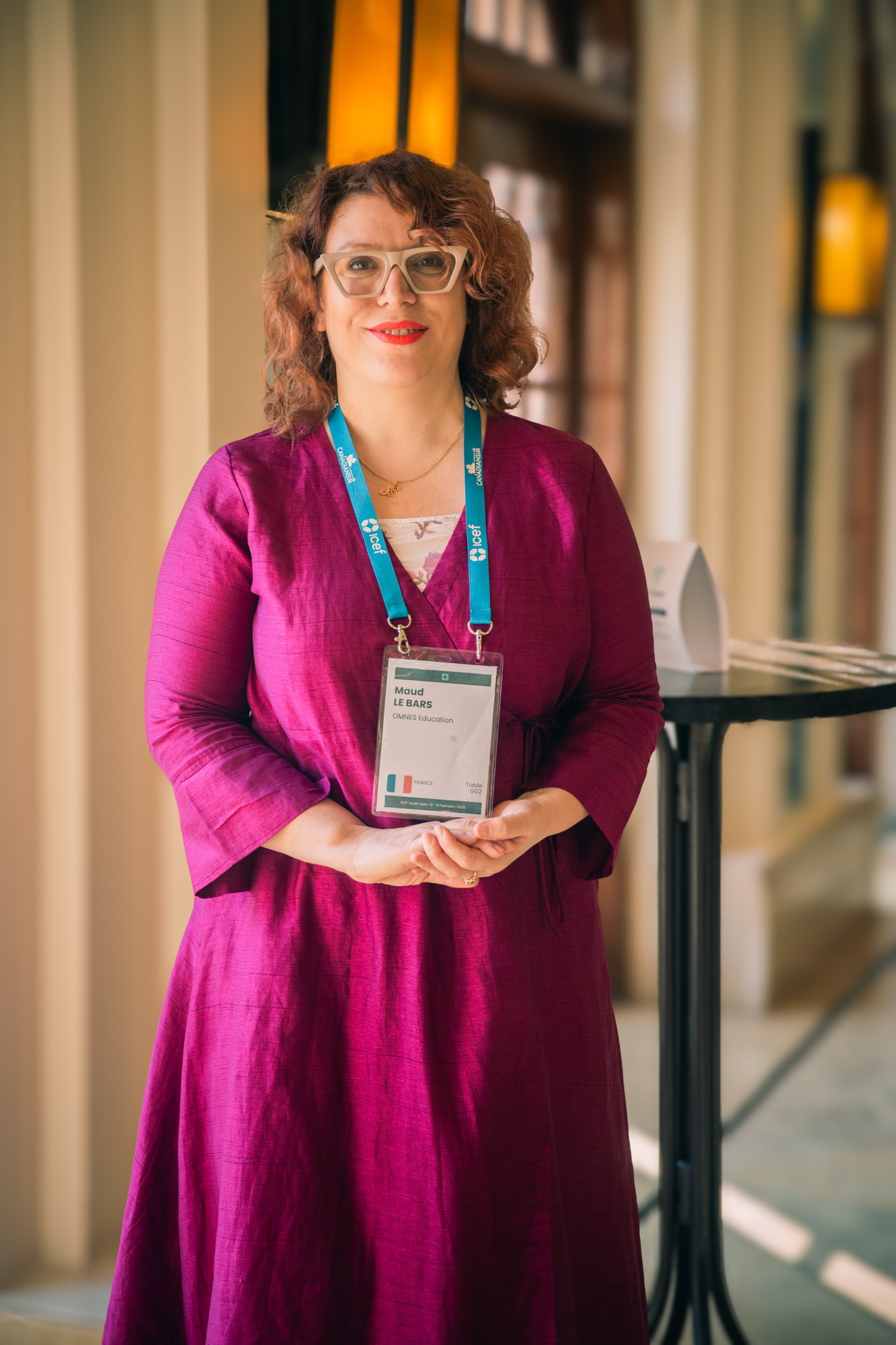
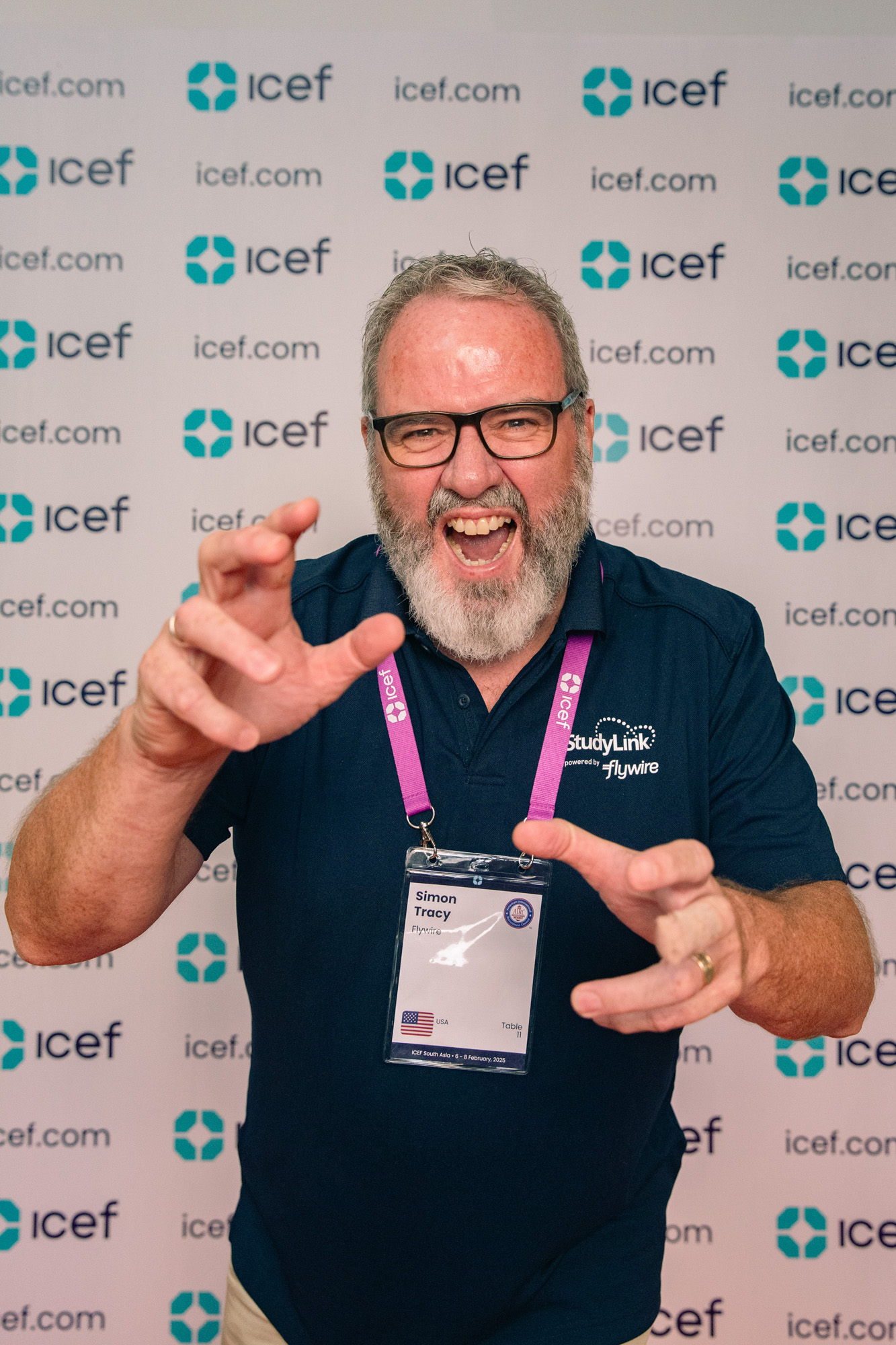
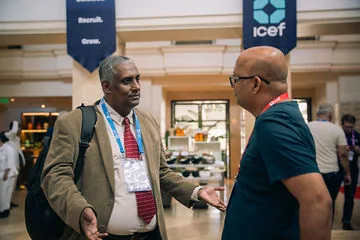
ICEF shows why ownership matters.
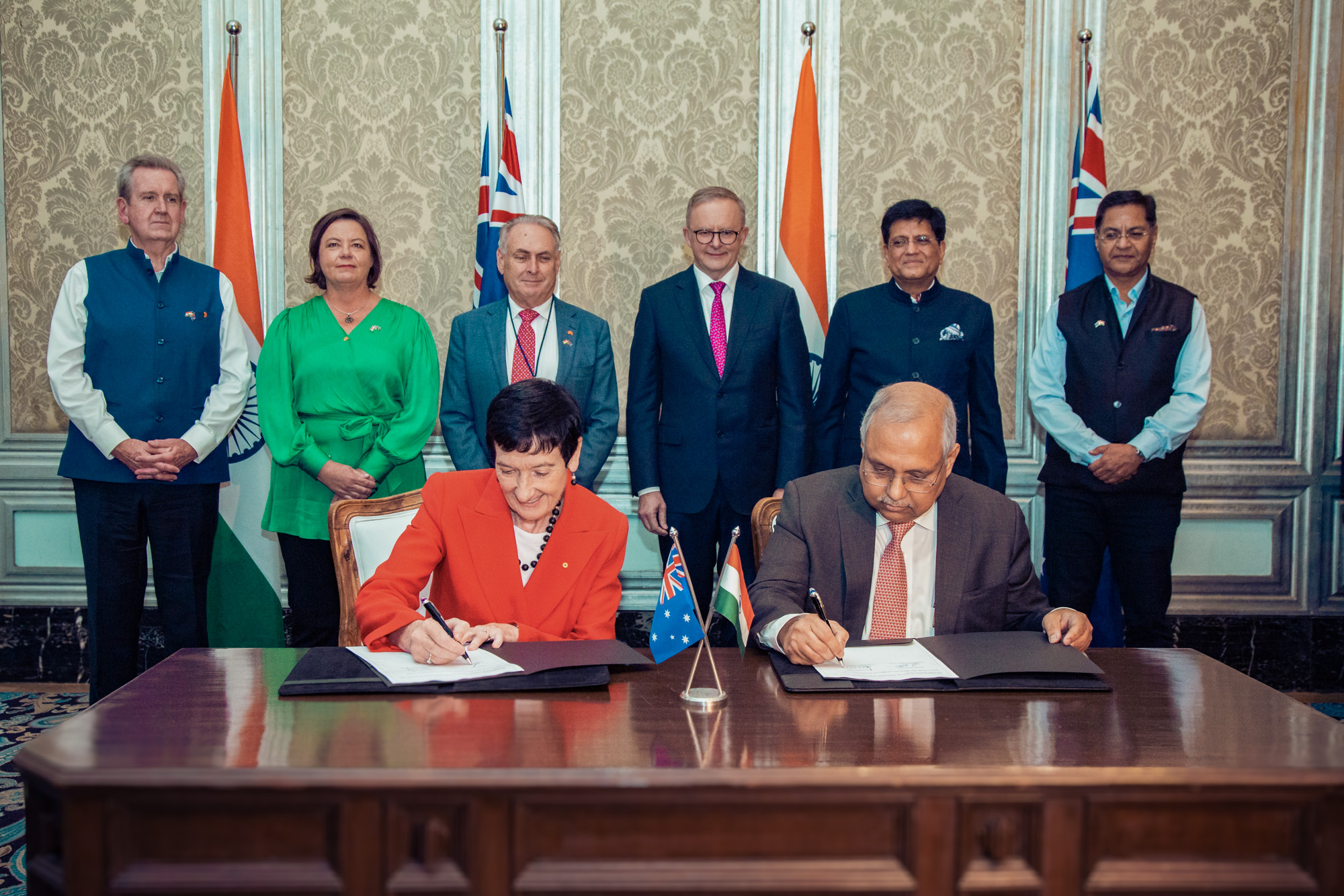
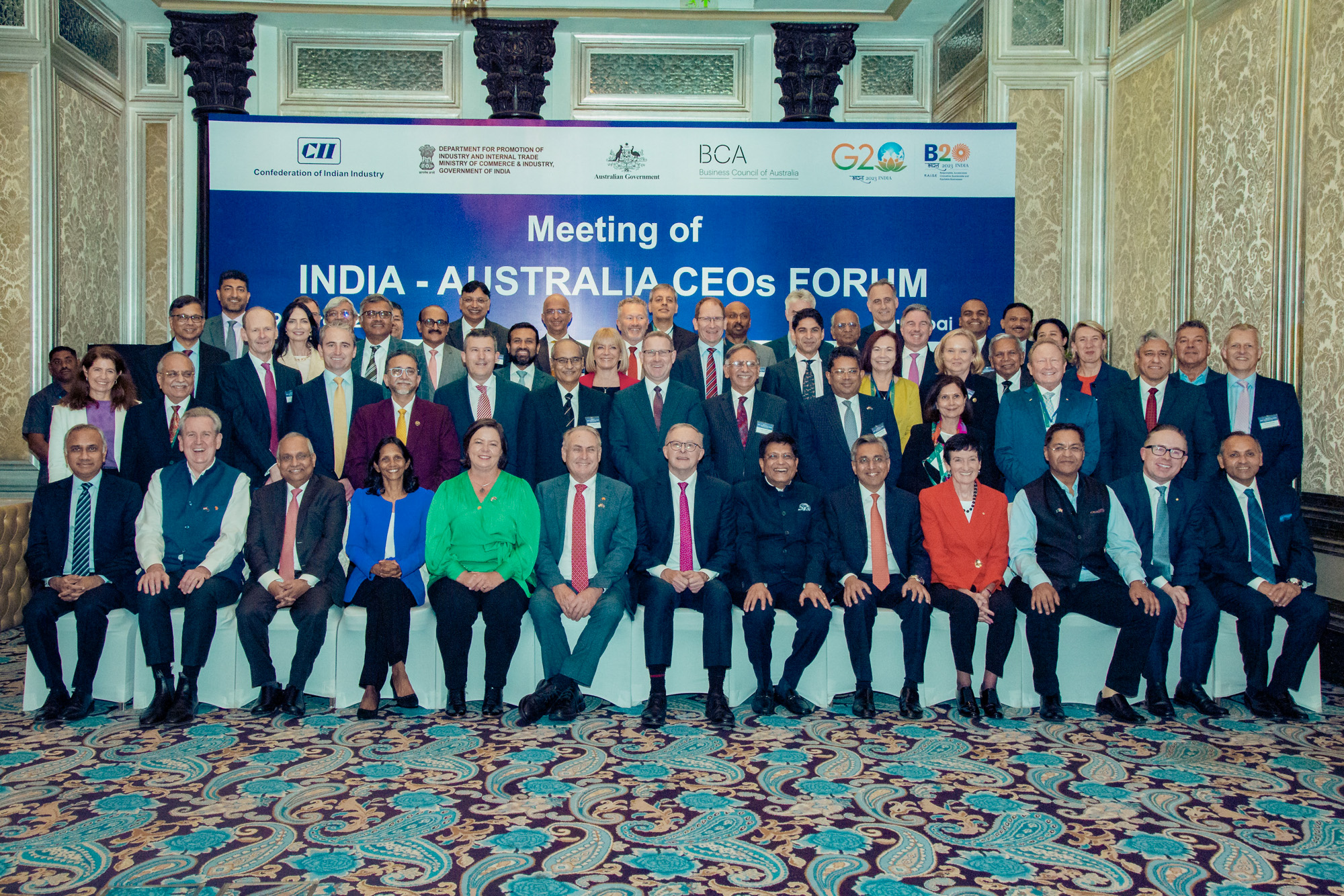
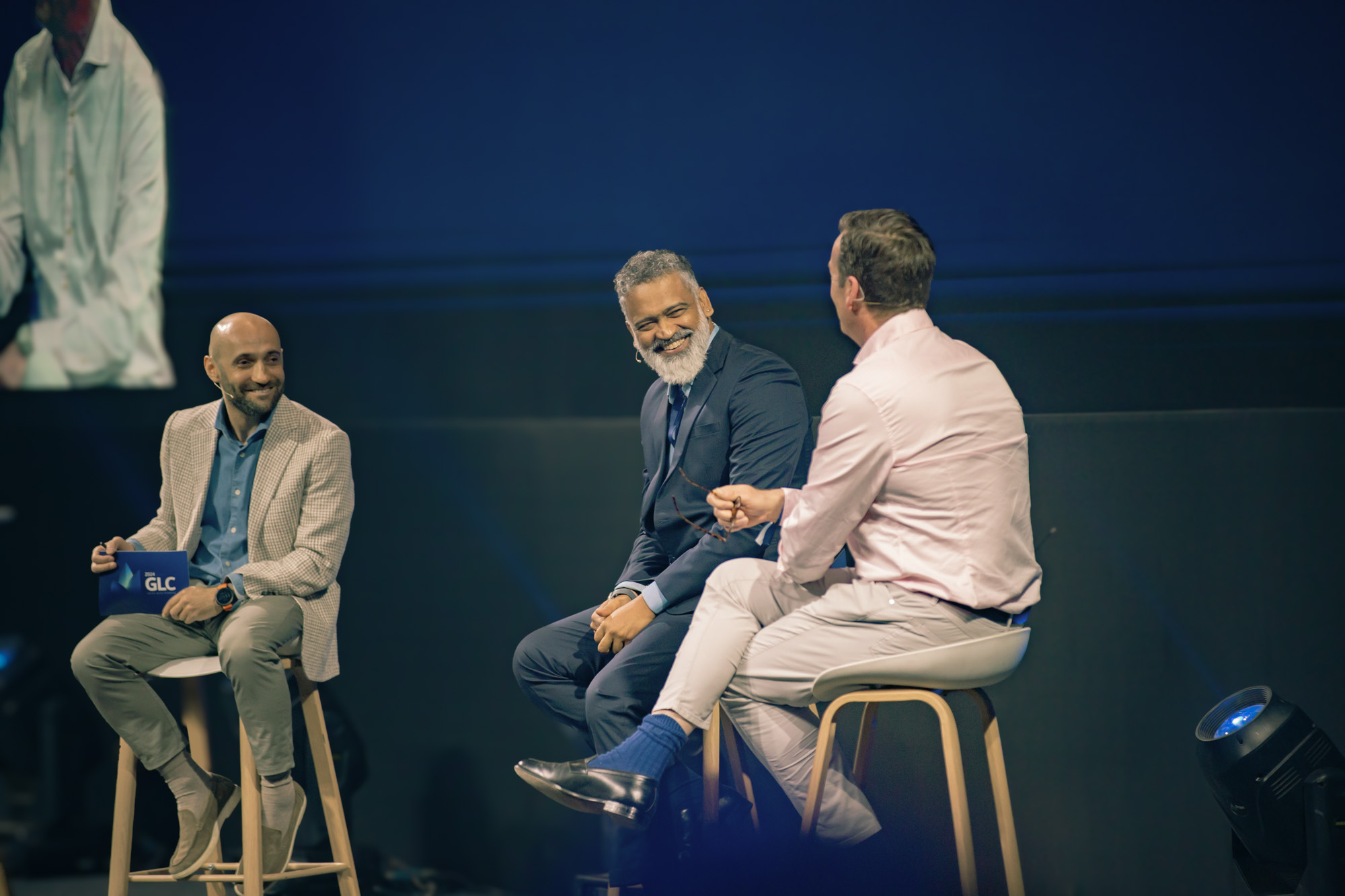
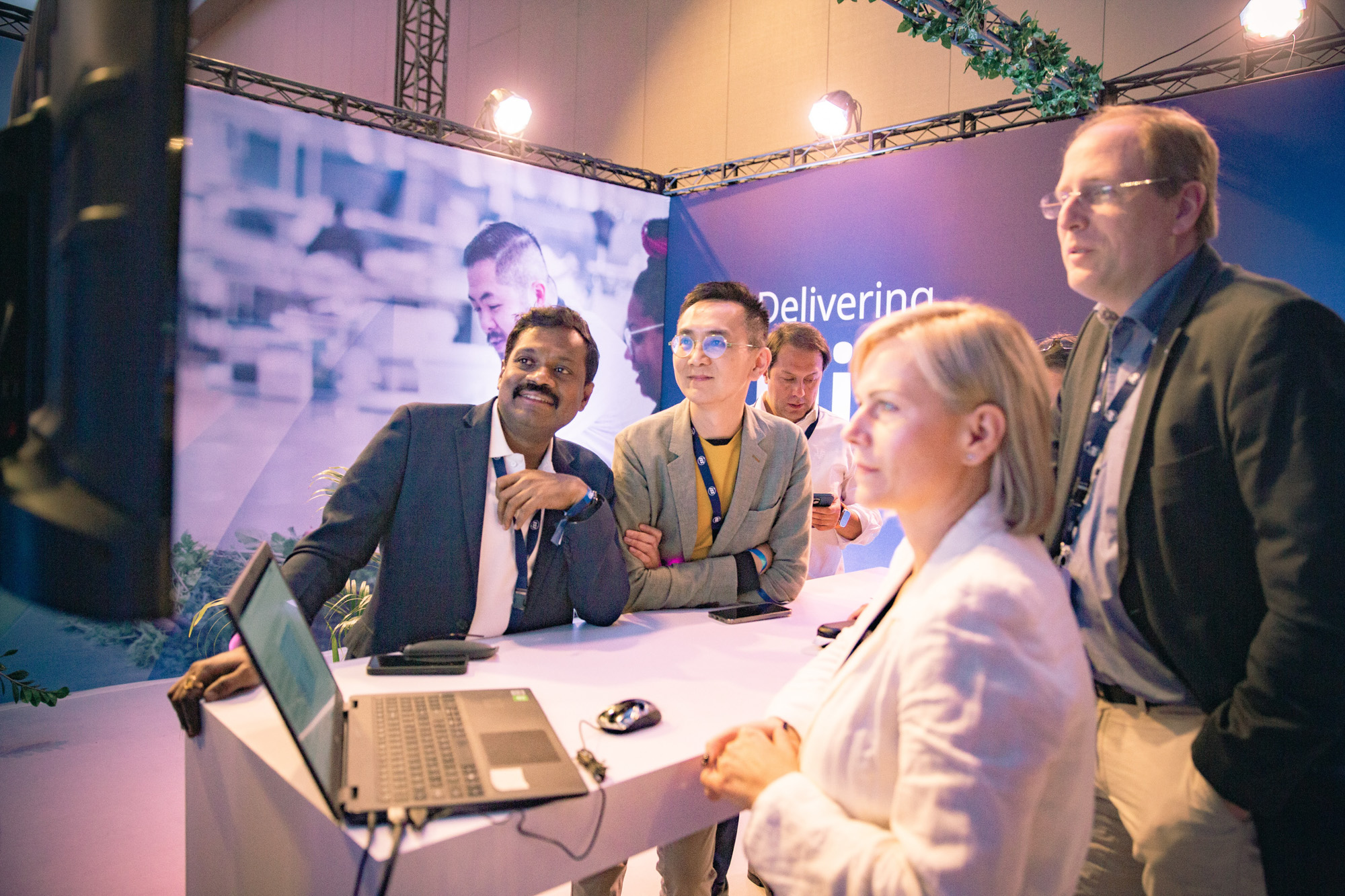
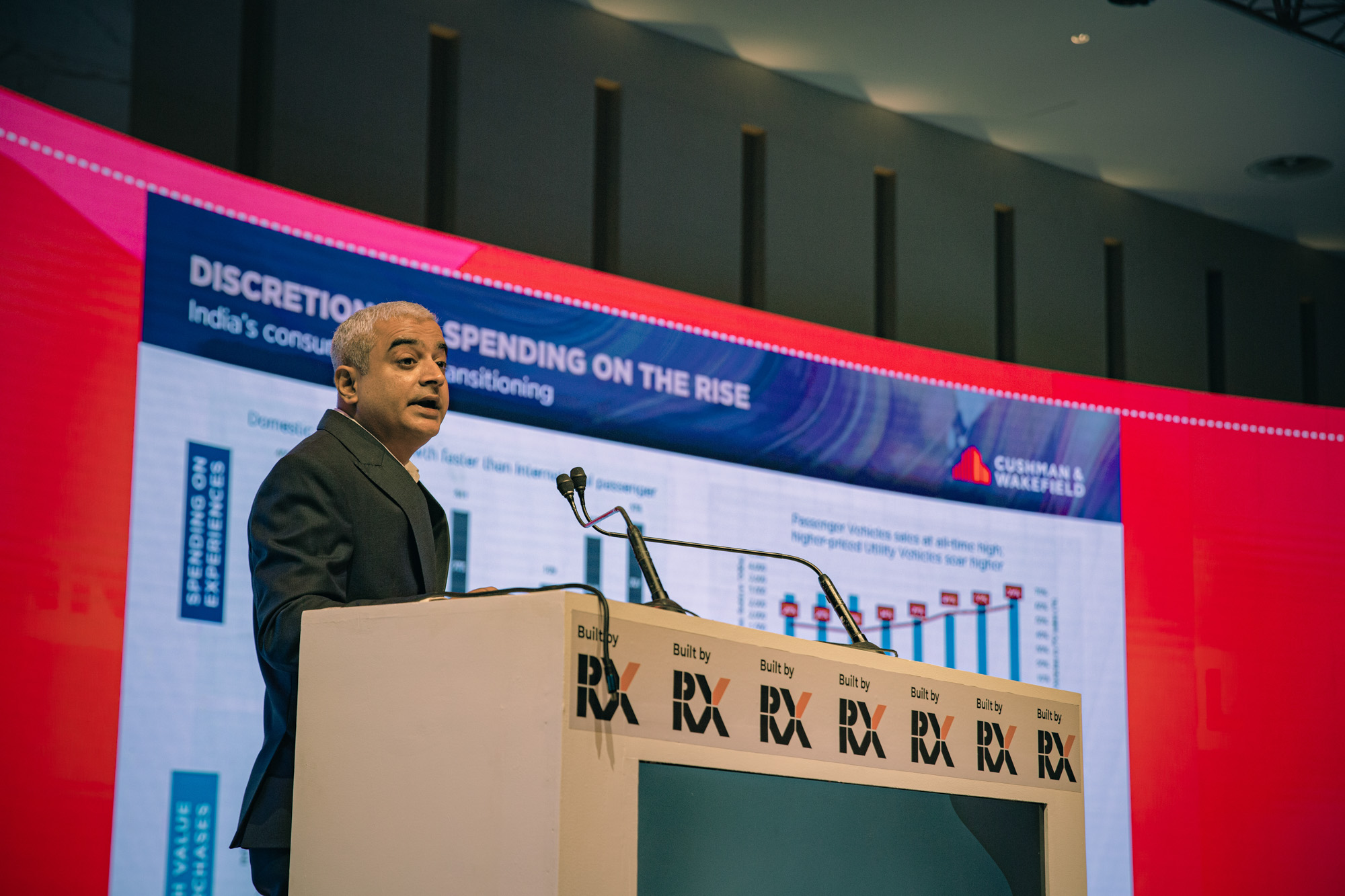
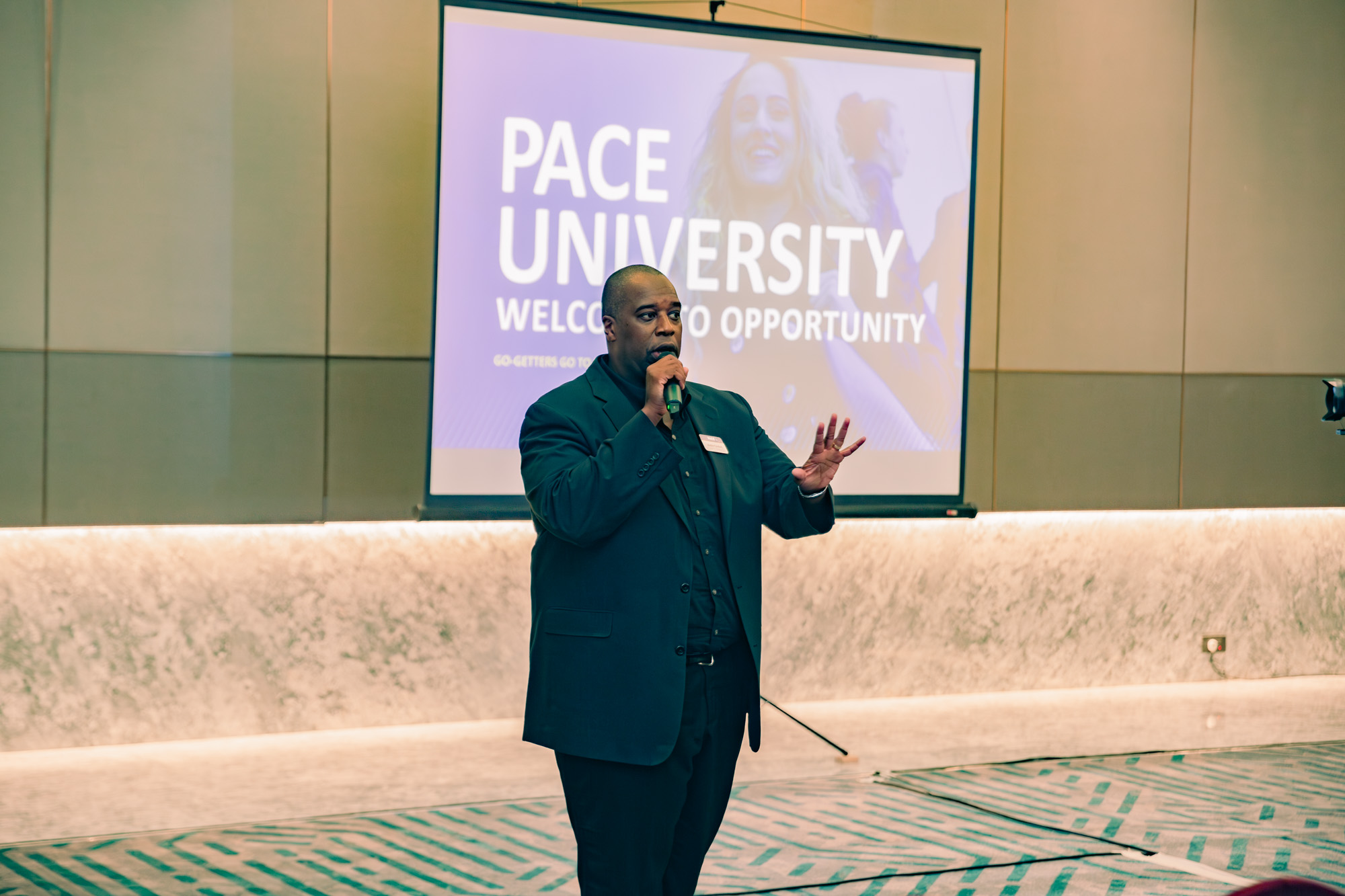
A verified client note says TAT handled an ICEF conference smoothly end-to-end without the client needing to be onsite. That is possible only when responsibilities and output expectations are clear.
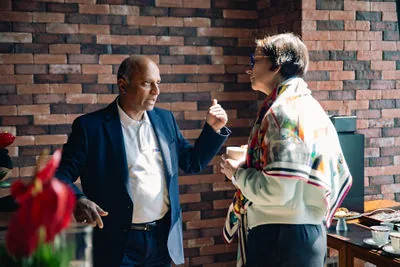
The person commissioning coverage may not be physically present to answer every production question.

A clear programme, named priorities, decision ownership and trusted onsite coordination reduce dependence on live micromanagement.
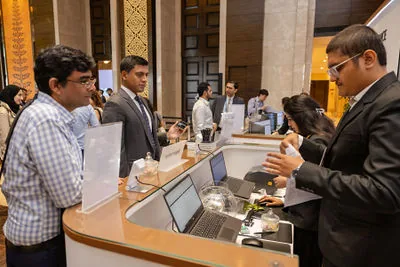
The best brief tells the production team what success looks like and who can resolve exceptions on the ground.
Decision table
Copy this brief outline into your next enquiry.
A single sentence in each row is enough to start.
| Brief field | Question to answer | Example |
|---|---|---|
| Objective | What business outcome should the video support? | Create post-event credibility and speaker-led content for LinkedIn |
| Audience | Who will watch and in what context? | Prospective delegates, partners and internal leadership |
| Proof | What must viewers see or hear? | Keynote moments, audience scale, credible interview bytes |
| Outputs | What exact files are required? | 2-minute film, three vertical reels, full keynote recording |
| Approval | Who consolidates feedback and by when? | Communications lead returns one document within two working days |
A good brief also says what not to capture.
Corporate environments often contain information, people or moments that should stay out of frame.
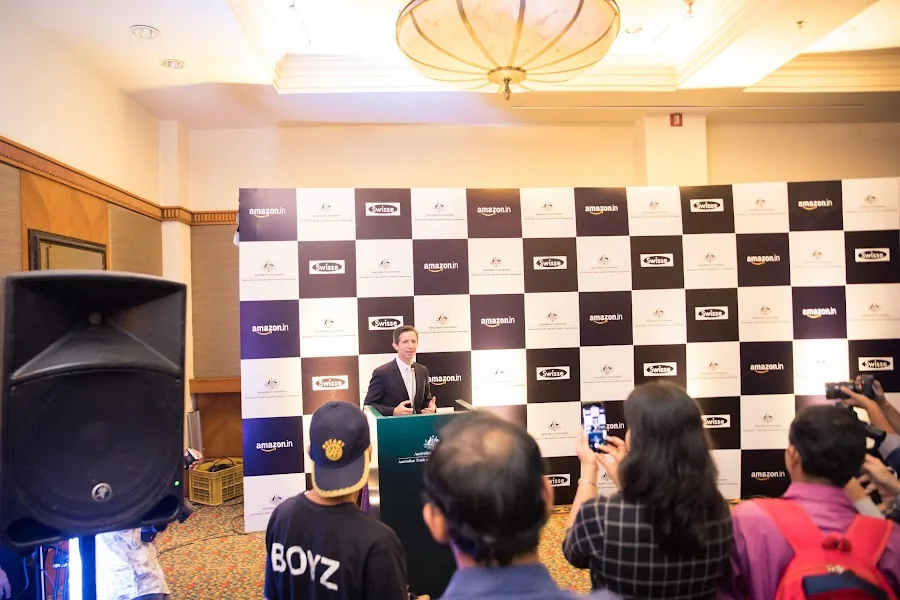
Identify restricted slides, delegate badges, screens, documents and private rooms.

Clarify diversity, senior stakeholders, sponsor visibility and necessary group combinations.
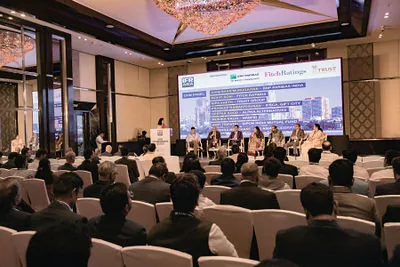
Provide correct logo assets, legal names, job titles, claims and prohibited terminology.
Continue planning
Related corporate video resources and services.
Use these pages to move from one production decision to the next without rebuilding the brief from scratch.
People Also Ask
Direct answers to the questions buyers usually ask.
The first sentence answers the question; the rest adds practical context.
01How long should a corporate video brief be?
One to three pages is often enough when the information is specific. Attach the programme, output matrix or brand guidelines separately rather than burying them in prose.
02Do we need a finished script before approaching a production company?
No. You need a clear objective, audience and source material. The production partner can help develop interview questions, structure or script where included in scope.
03What references should we include?
Include two or three examples and explain what you like about each—such as interview intimacy, pacing, graphics or use of B-roll.
04Should the budget be stated in the brief?
A realistic budget band helps production recommend an achievable approach rather than designing a scope that later has to be dismantled.
05Who should approve the brief?
The communications or marketing owner, budget owner and any legal or compliance stakeholder should align before production is locked.
06What should an event video brief include?
Add the run-of-show, stage and room map, key speakers, sponsor requirements, interview windows, same-day needs and full-recording requirements.
Turn this planning question into a workable production brief.
Share the shoot date, location, audience, programme, required deliverables, interview needs and delivery deadline. We will recommend the smallest team that can execute it properly.
From global conferences to trade missions and corporate events across India.